
💡 MRVL Stock: Marvell Technology Strategic Market Analysis
A comprehensive strategic analysis of Marvell Technology (MRVL) stock, focusing on AI infrastructure growth, custom silicon demand, and semiconductor market positioning.
Introduction: The Backbone of the AI Revolution
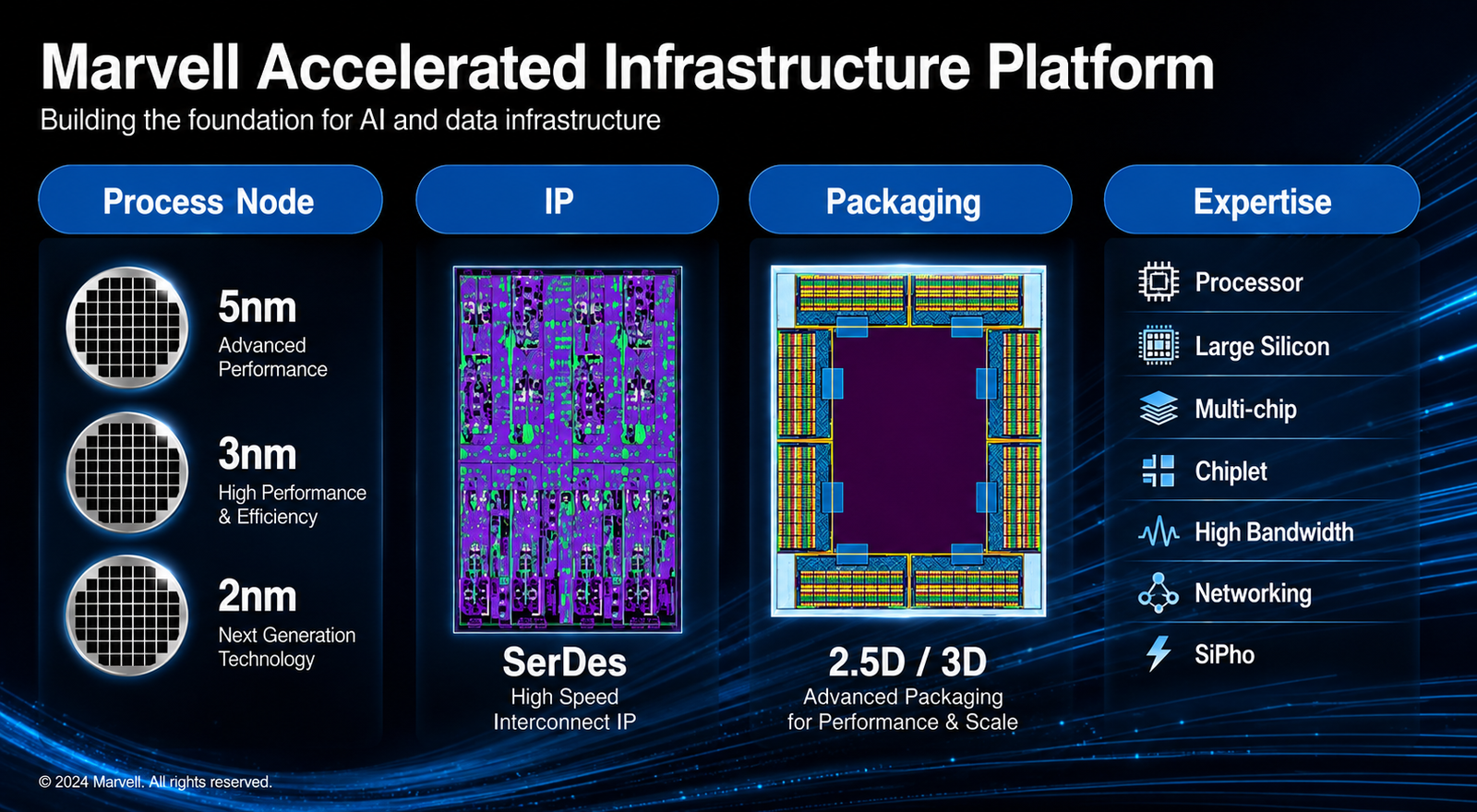
The semiconductor industry is undergoing a major transformation as demand for accelerated computing and AI infrastructure continues to grow. Marvell Technology has positioned itself within this shift by providing technologies that support high-speed data movement and connectivity in modern data centers. Rather than competing directly in the consumer CPU or GPU market, Marvell focuses on areas such as networking, optical connectivity, custom silicon, and data infrastructure. Understanding MRVL stock therefore requires looking beyond traditional valuation metrics and considering the company’s role in supporting the rapidly expanding infrastructure needs of AI and cloud computing.
The Deep Dive: Strategic Growth Drivers
1. Data Center Growth and AI Integration
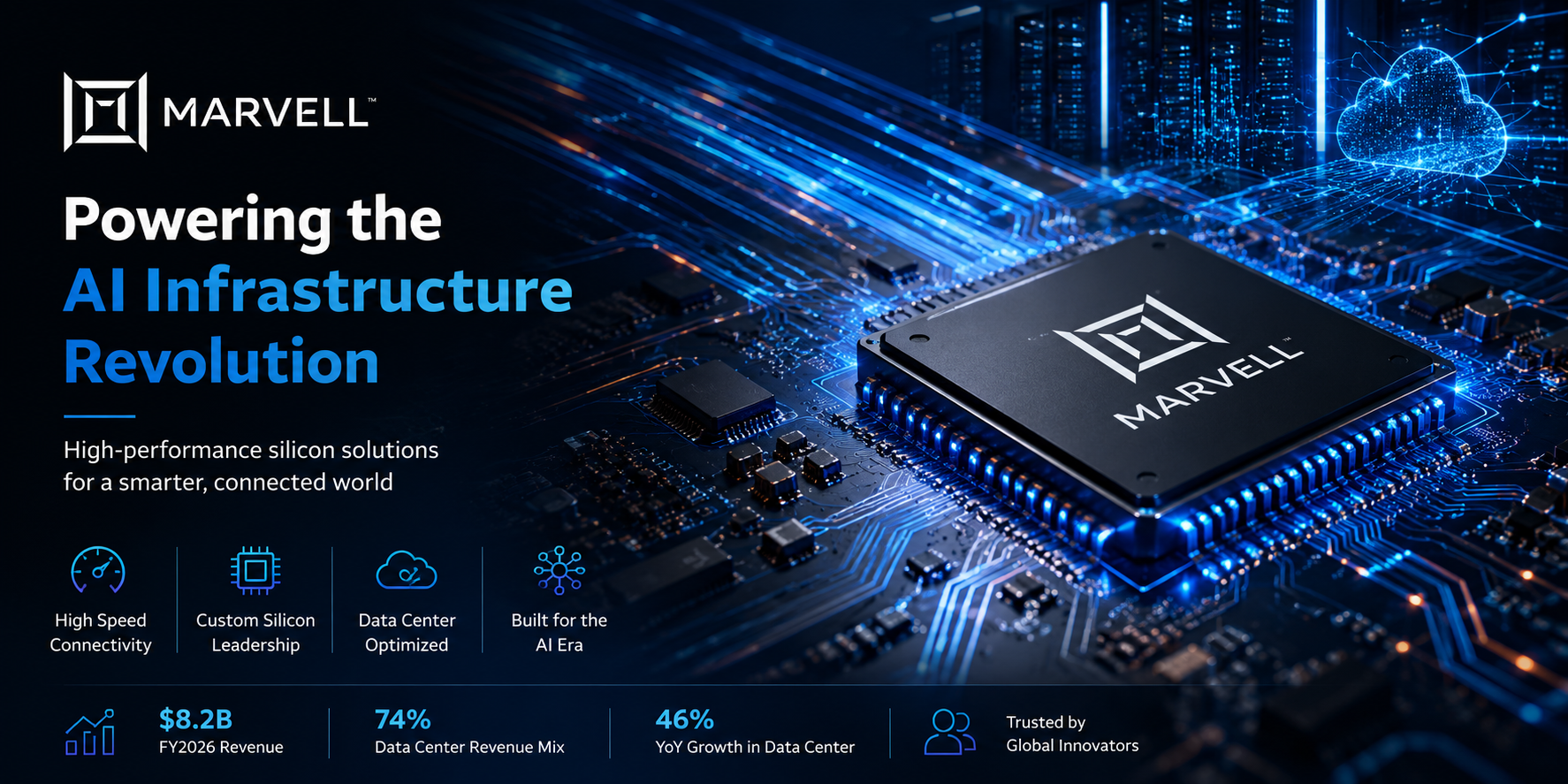
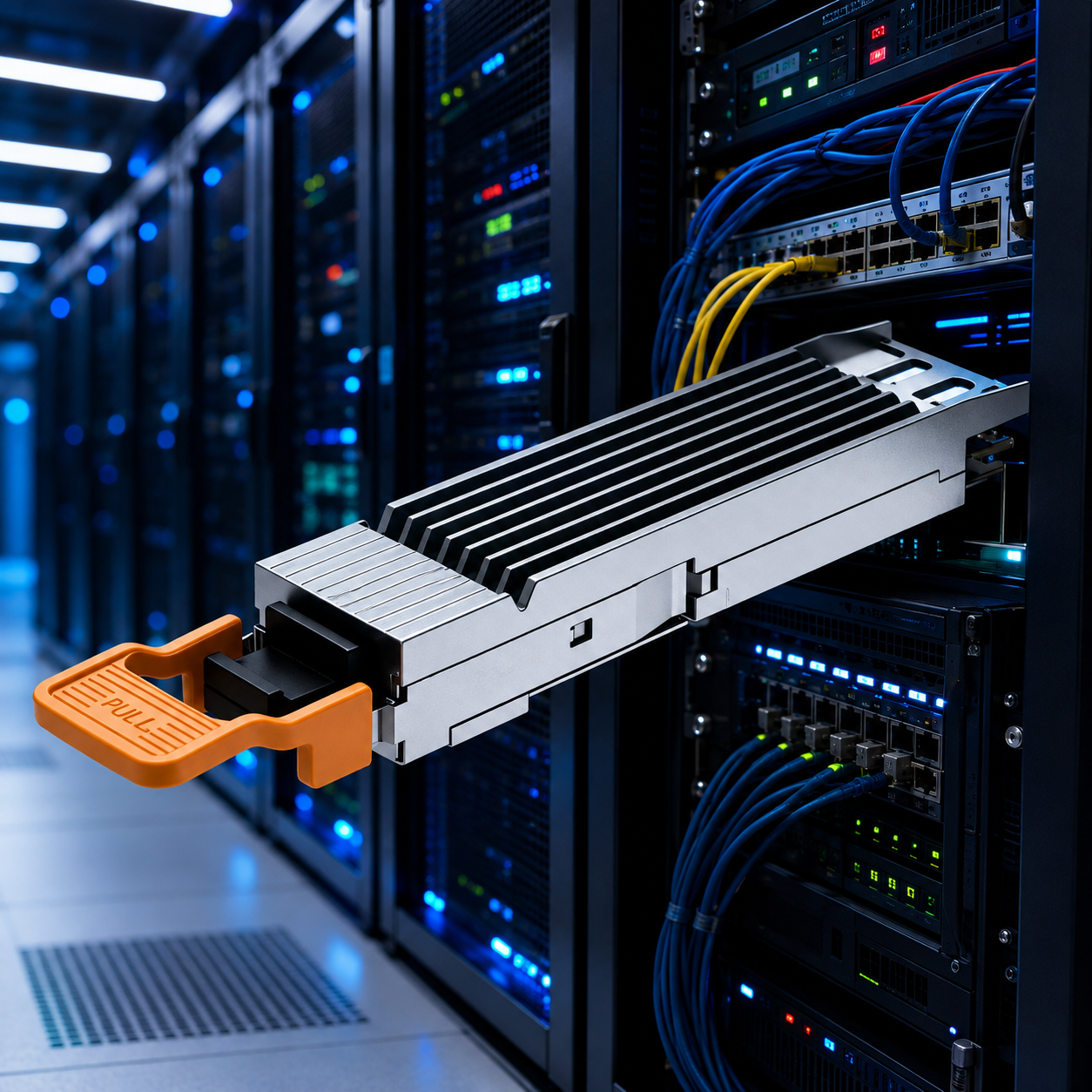
Data center operations have become the primary growth engine for Marvell. In fiscal 2026, the segment generated approximately $6.1 billion in revenue, representing about 74 percent of the company’s total revenue. Growth has been supported by increasing demand for AI-related custom silicon and high-speed electro-optics solutions. As AI clusters become larger and more complex, efficient connectivity between processors and other components becomes increasingly important. Marvell’s optical DSP and interconnect technologies, including solutions supporting 800G and 1.6T data rates, position the company to participate in this expanding infrastructure market.
2. The Custom ASIC Opportunity
Hyperscale cloud providers are increasingly adopting custom silicon to optimize performance, power efficiency, and infrastructure costs for specific workloads. Marvell’s custom ASIC business is designed to address this demand, particularly within AI and data-center applications. By working with major cloud and technology companies, Marvell can participate in the development of specialized chips designed for large-scale deployments. The continued expansion of AI infrastructure and custom computing requirements could therefore provide an important long-term growth opportunity for Marvell.
3. Cyclical Recovery in Legacy Segments
While AI remains Marvell’s primary growth driver, its performance also depends on its communications and enterprise-related businesses. These segments faced pressure from inventory corrections and weaker spending in previous periods, but they have shown signs of recovery. In fiscal 2026, Marvell’s communications and other revenue increased 31 percent year over year, supporting a broader recovery alongside continued AI-driven growth. As demand for higher-bandwidth networking and data infrastructure continues to expand, further improvement in these businesses could provide additional support for Marvell’s overall performance.
Financial Performance and Valuation Metrics
Marvell’s financial profile reflects significant investment in AI, data-center connectivity, and custom silicon. In fiscal 2026, the company generated approximately $8.2 billion in revenue, while research and development spending reached about $2.1 billion, representing roughly 25 percent of revenue. The company also continues to return capital to shareholders through its quarterly dividend. Investors should closely monitor revenue growth, gross margins, R&D investment, cash flow, and management’s guidance as indicators of how effectively Marvell is converting AI demand into sustainable earnings growth.
What This Means For You
For individual investors and institutional analysts, MRVL represents a focused opportunity to gain exposure to the AI infrastructure market without directly investing in a GPU manufacturer. Marvell’s business is centered on areas such as custom silicon, optical connectivity, networking, and high-speed data movement, which are becoming increasingly important as AI data centers scale. However, the stock remains exposed to risks including customer concentration, semiconductor cycles, competition, valuation expectations, and changes in AI infrastructure spending. Investors should therefore focus on quarterly results and forward guidance rather than relying solely on the broader AI growth narrative.

Important Note: Financial Disclaimer: This content is for educational and informational purposes only and does not constitute professional financial or investment advice. Market conditions and company performance can change, and readers should conduct their own research or consult a qualified financial professional before making investment decisions.





Comments 0
Leave a Reply
Your email address will not be published. Required fields are marked *
Be the first to share your thoughts!