
Understanding the Excellence of Mumbai Indians
Mumbai Indians (MI) is one of the most successful teams in the Indian Premier League (IPL), having won multiple championships and built a strong reputation for consistent performance. The franchise is known for developing young talent and maintaining a stable core team over the years.
The franchise, owned by Reliance Industries, has set a high benchmark for how professional sports teams should function in the modern era. Their approach transcends the boundaries of the cricket field, touching upon data analytics, psychological conditioning, and community building. By focusing on a long-term vision rather than short-term gains, they have managed to build a legacy that rivals some of the biggest football clubs in Europe or basketball teams in North America.

The Core Pillars of the Mumbai Indians Philosophy
To understand the Mumbai Indians, one must look at the four core pillars that support their structure: Professionalism, Scouting, Stability, and Innovation. Unlike many teams that undergo frequent identity crises, the Mumbai Indians have maintained a steady core for over a decade. Experts suggest that the stability of the leadership group is the primary driver behind their multiple championship titles. [Link to: Successful Sports Leadership Models]
The management treats the team as a high-performance unit where every individual, from the head coach to the ground staff, understands their specific role. This clarity of purpose ensures that even when the team faces a period of transition, the underlying system remains robust. As per franchise management reports, the Mumbai Indians invest heavily in 'human capital,' ensuring that players are not just signed for their skills but for their alignment with the team culture, often referred to as the One Family ethos.
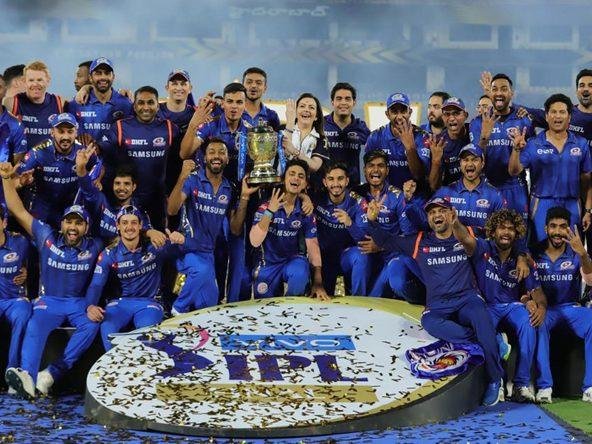
Mumbai Indians have won 5 IPL titles in 2013, 2015, 2017, 2019, and 2020, making them one of the most dominant teams in the tournament’s history.
The Scouting Network: Finding Diamonds in the Rough
Perhaps the most celebrated aspect of the Mumbai Indians' operation is their scouting network. While many franchises focus on buying established superstars, Mumbai has mastered the art of identifying raw talent before they become household names. This proactive approach has allowed them to secure future legends at a fraction of their eventual market value. [Link to: Talent Identification in Professional Sports]
The scouting process is a year-round activity. Scouts travel to remote parts of India, watching domestic tournaments, age-group cricket, and even local club matches. According to industry insiders, the criteria for selection go beyond batting averages or bowling speeds. They look for temperament, the ability to handle pressure, and technical adaptability. Notable examples include players like Jasprit Bumrah and Hardik Pandya, who were identified by the MI scouting system long before they made their international debuts. This ability to nurture talent has made the franchise a primary feeder system for the Indian national team.
The Role of Data and Analytics
In the modern T20 era, data is as important as physical fitness. The Mumbai Indians were among the early adopters of advanced sports analytics in India. They employ a dedicated team of data scientists who analyze every delivery, every boundary, and every player movement. This data-driven approach helps in formulating specific match-ups against opponents. For instance, if a rival batsman struggles against a particular angle of delivery, the MI bowlers are briefed with visual evidence and statistical backing to exploit that weakness.
As per recent sports technology journals, the franchise uses a combination of video analysis and wearable technology to monitor player fatigue and performance levels. This ensures that the players are at their peak physical condition during the most critical phases of a tournament. The integration of technology into the coaching setup allows for objective decision-making, reducing the reliance on gut feeling or tradition.
Coaching and the Brain Trust
The Mumbai Indians support staff is often described as a 'Brain Trust.' By bringing in former international captains and legendary players as coaches and mentors, the franchise ensures that the players have access to Mumbai Indians have included experienced international players and coaches in their support staff over the years, helping younger players learn from senior professionals and improve their performance under pressure. The role of the coaching staff is not just to teach technique but to provide psychological support. In a high-pressure environment like the IPL, the mental health and confidence of a player are paramount.
The presence of legends like Mahela Jayawardene, Lasith Malinga, and Kieron Pollard in various coaching or mentoring roles provides a sense of security to the younger players. These veterans help in translating the team strategy into actionable plans on the field. The franchise also emphasizes the importance of a 'supportive environment' where players are encouraged to express themselves without the fear of failure. [Link to: Psychological Conditioning in High-Stakes Sports]
Global Expansion and Brand Value
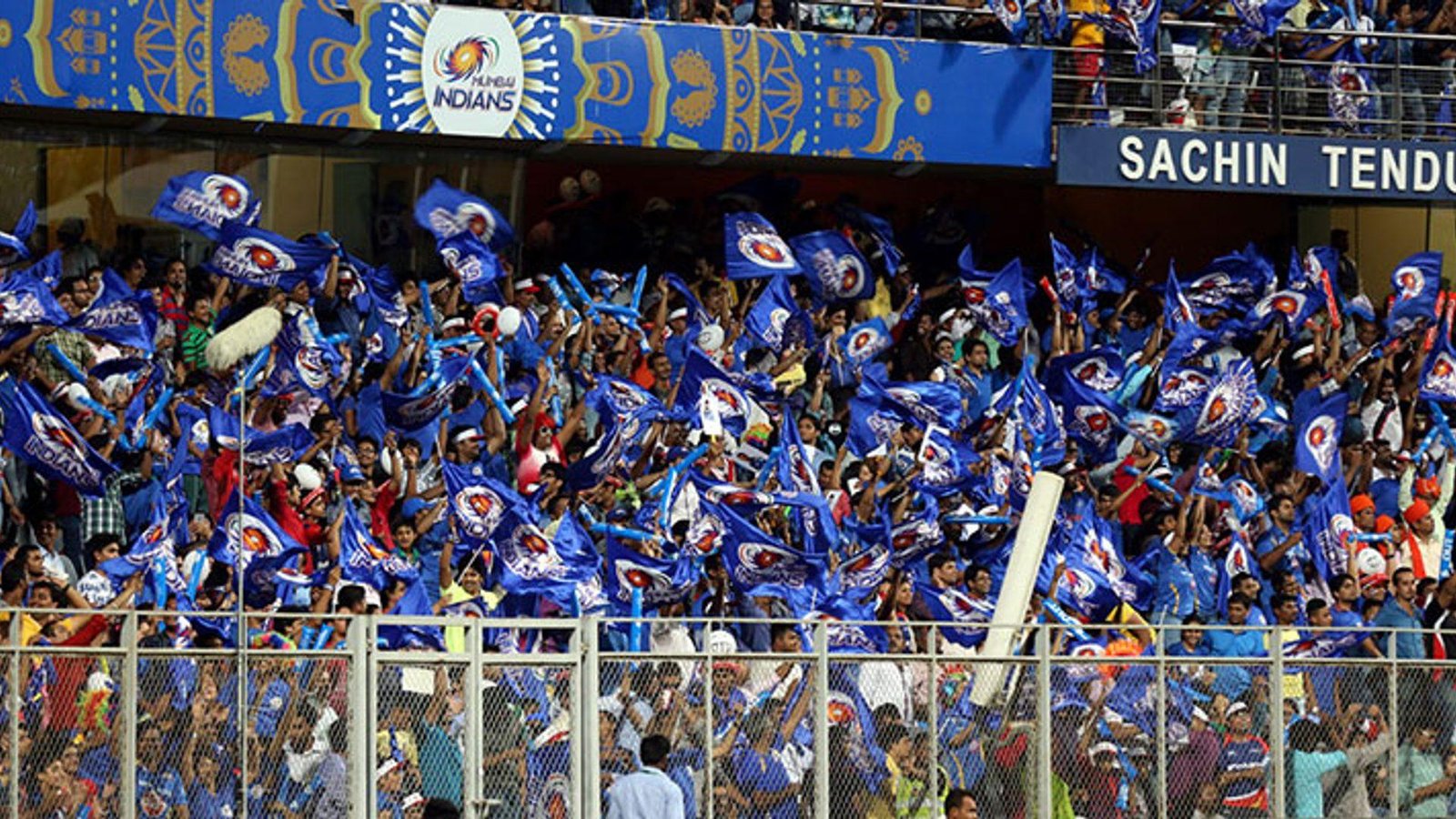
The Mumbai Indians brand is no longer restricted to the city of Mumbai or even the borders of India. With the acquisition of teams in leagues across South Africa, the UAE, and the USA, the franchise has become a Mumbai Indians is now part of an international cricket franchise group with teams in different leagues around the world. This expansion allows them to implement their successful blueprint in different cricketing cultures and creates a year-round engagement platform for their fans.
According to global brand valuation agencies, the Mumbai Indians consistently rank as the most valuable franchise in the IPL. Their marketing strategy focuses on the 'One Family' concept, which bridges the gap between the players and the fans. Through digital content, community outreach programs, and fan parks, they have built a loyal following that transcends geographical boundaries. This brand strength translates into lucrative sponsorship deals, making them a financially self-sustaining entity.
Common Pitfalls in Franchise Management and How MI Avoids Them
Many sports franchises fail because they fall into common traps. Understanding these pitfalls helps highlight why the Mumbai Indians have remained successful for so long:
- Over-reliance on Individual Stars: Many teams build their identity around one or two players. MI focuses on a balanced squad where every player contributes.
- Short-term Thinking: Franchises often sack coaches after one bad season. MI believes in continuity and gives their staff enough time to implement their vision.
- Neglecting Domestic Talent: While international stars bring glamour, domestic players win tournaments. MI's focus on Indian talent is a key differentiator.
- Poor Infrastructure: MI has invested in world-class training facilities and high-performance centers, ensuring their players have the best tools available.
Expert Insights for Aspiring Sports Managers
If you are looking to understand the mechanics of a successful sports organization, the Mumbai Indians provide several practical lessons. Experts suggest that the key takeaway is the integration of corporate discipline with the unpredictability of sports. You must have a plan, but you must also have the flexibility to adapt when the plan fails on the field.
Pro Tip: Focus on building a culture first. Winning is a byproduct of a healthy, professional, and data-driven culture. Invest in scouting and back your scouts even when their picks do not yield immediate results. Patience is a virtue in sports management that often pays the highest dividends.

Frequently Asked Questions
1. Why is the Mumbai Indians scouting system considered the best?
The MI scouting system is considered the best because it is proactive and extensive. Instead of relying only on televised matches, their scouts visit local and domestic games across India to find talent that has not yet been discovered by the mainstream media.
2. How does the 'One Family' philosophy benefit the team?
The 'One Family' philosophy creates a sense of belonging and loyalty among players and staff. This emotional bond helps the team stay united during difficult phases and encourages players to put the team interests above personal milestones.
3. What role does Reliance Industries play in the team's success?
As the owners, Reliance Industries provides the financial stability and corporate structure necessary for a professional sports team. Their experience in large-scale project management is reflected in the organized way the franchise operates.
4. How do the Mumbai Indians use technology in their training?
The team uses advanced data analytics, video analysis software, and wearable sensors to track player performance and health. This data helps coaches make informed decisions about tactics and player rotations.
5. Why is stability in the coaching staff important?
Stability allows for a consistent message and strategy to be communicated to the players. It prevents the confusion that often arises when new coaches bring in drastically different philosophies every year.
Conclusion
Mumbai Indians’ success comes from strong team planning, talent development, and consistent leadership. Their ability to identify young players and build long-term team stability has helped them remain one of the top teams in IPL history.





Comments 0
Leave a Reply
Your email address will not be published. Required fields are marked *
Be the first to share your thoughts!