
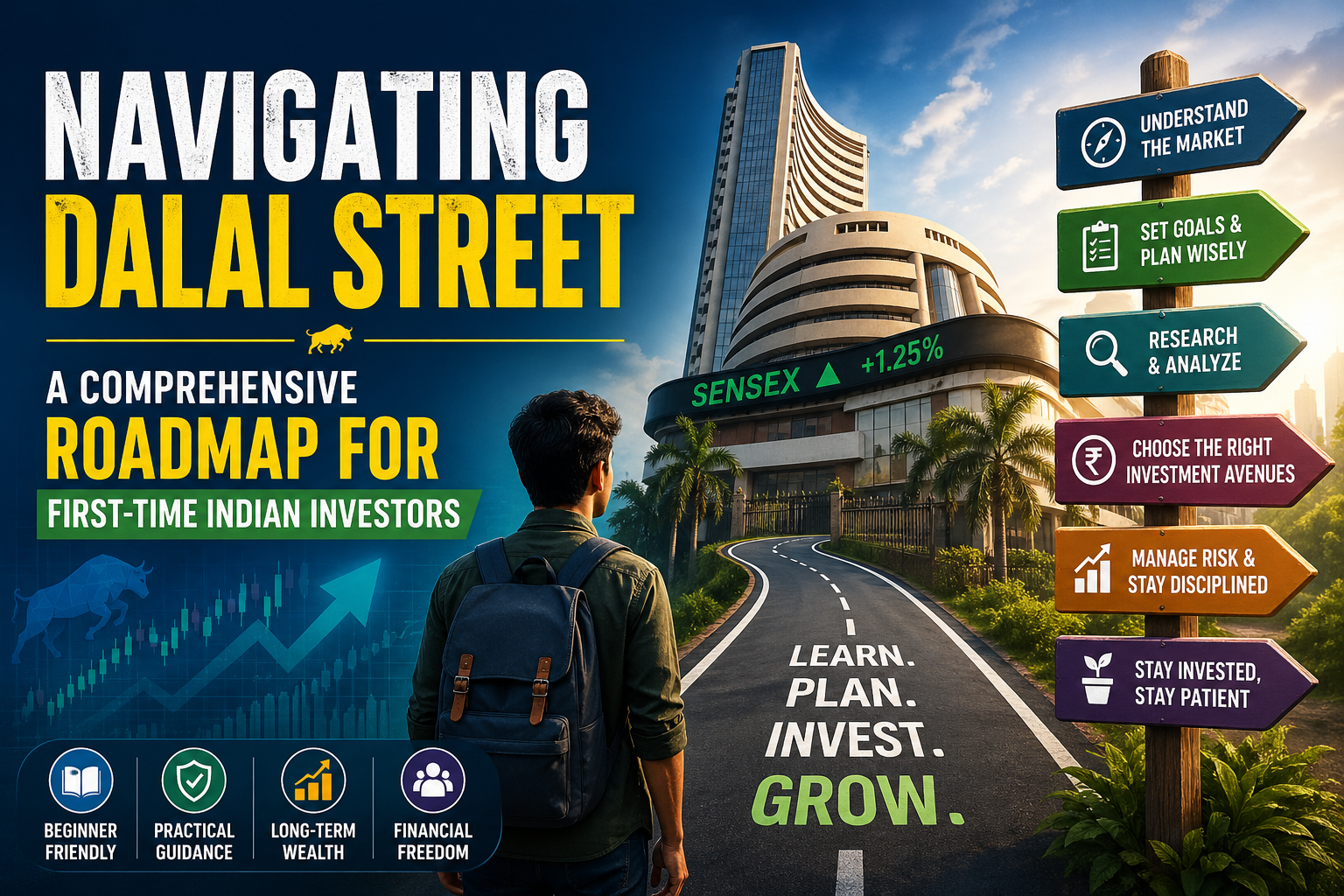
💡 Navigating Dalal Street: A Comprehensive Roadmap for First-Time Indian Investors
A complete beginner's guide to investing in the Indian stock market, covering Demat accounts, NSE/BSE, taxation, and strategic wealth building for modern Indian investors.
To start investing in the Indian stock market, you need to open a Demat and trading account with a SEBI-registered broker, complete your KYC (Know Your Customer) process using a PAN card and Aadhaar, and link your bank account. Once set up, you can build wealth by purchasing shares of individual companies, investing in mutual funds, or buying Exchange Traded Funds (ETFs) that track the broader market indices like the Nifty 50 or Sensex.
The Evolution of Wealth Creation in Modern India
For decades, Indian households favored physical assets like gold and real estate or safe-haven instruments like Fixed Deposits (FDs) and Public Provident Funds (PPF). However, the narrative is shifting. With the digitization of finance through the India Stack and increasing financial literacy, millions are moving toward equity-linked investments. Investing in the stock market is no longer a privilege of the elite; it is a vital tool for beating inflation and participating in India's journey toward becoming a multi-trillion-dollar economy.
Understanding the Indian Equity Ecosystem: The Synergy of NSE, BSE, and SEBI
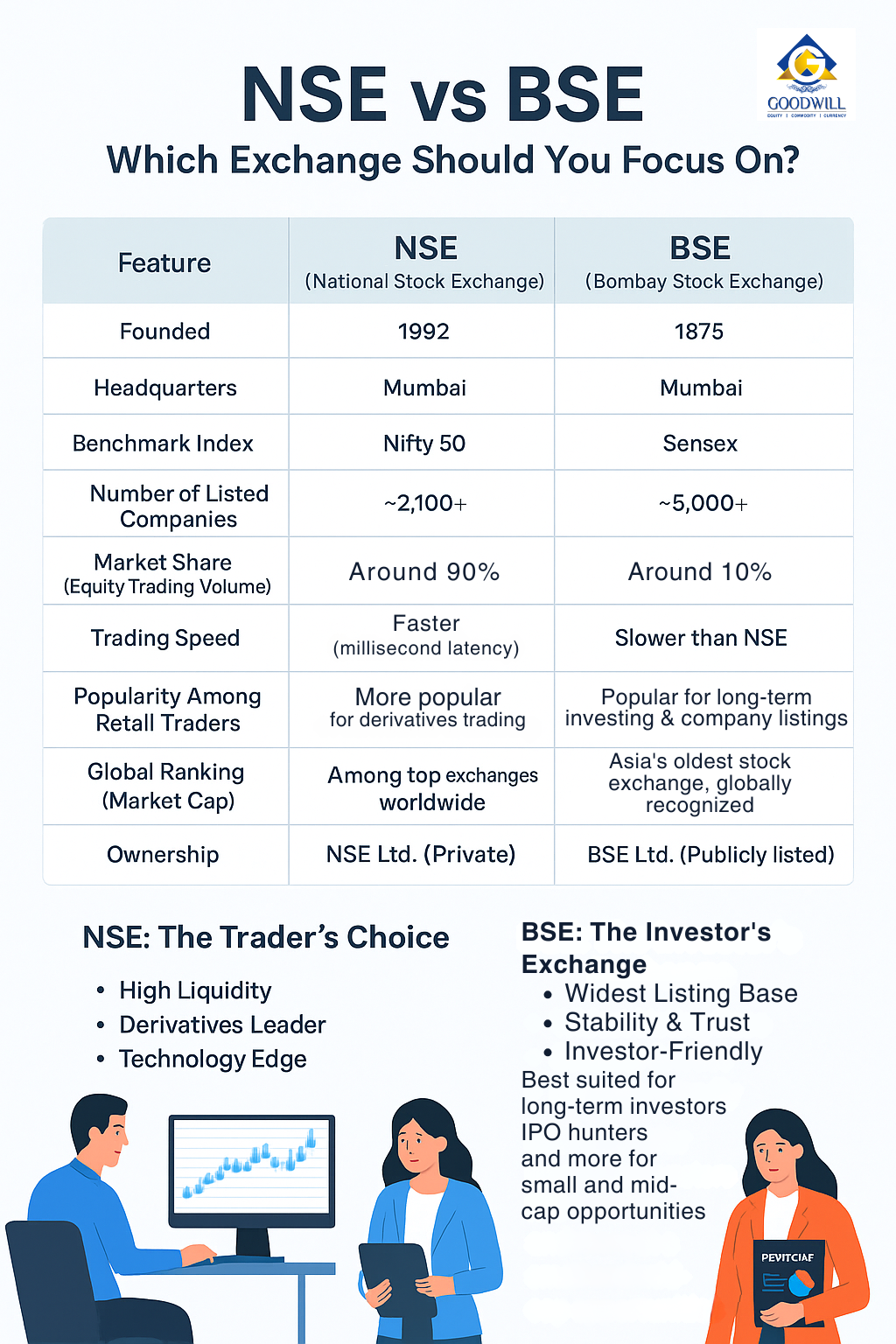
The Indian market operates through a well-regulated framework designed to protect retail investors. At the center are the two primary stock exchanges: the Bombay Stock Exchange (BSE), which is the oldest in Asia, and the National Stock Exchange (NSE), which handles the majority of trading volume today. These exchanges provide the platform where buyers and sellers meet.
To ensure fairness, the Securities and Exchange Board of India (SEBI) acts as the watchdog, creating rules to prevent fraud and market manipulation. Supporting this are the depositories, NSDL and CDSL, which hold your shares in electronic form, much like a bank holds your cash.
The Essential Toolkit: Establishing Demat Accounts and Navigating KYC Protocols
Before you can buy your first share, you need the right infrastructure. In India, this is a three-in-one link: your Bank Account, your Trading Account (to place buy/sell orders), and your Demat Account (to store shares).
- Step 1: Choose a Broker: You can choose between full-service brokers (who offer research and advisory) or discount brokers (who offer low flat-fee commissions).
- Step 2: KYC Documentation: You will need your PAN card, Aadhaar card for e-KYC, a cancelled cheque, and a photograph.
- Step 3: Verification: Most modern brokers complete this via an In-Person Verification (IPV) over a short video call or through Aadhaar-linked OTP.
Strategic Entry Points: Distinguishing Between Direct Equity, Mutual Funds, and Index ETFs
How you enter the market depends on your time, knowledge, and risk tolerance.
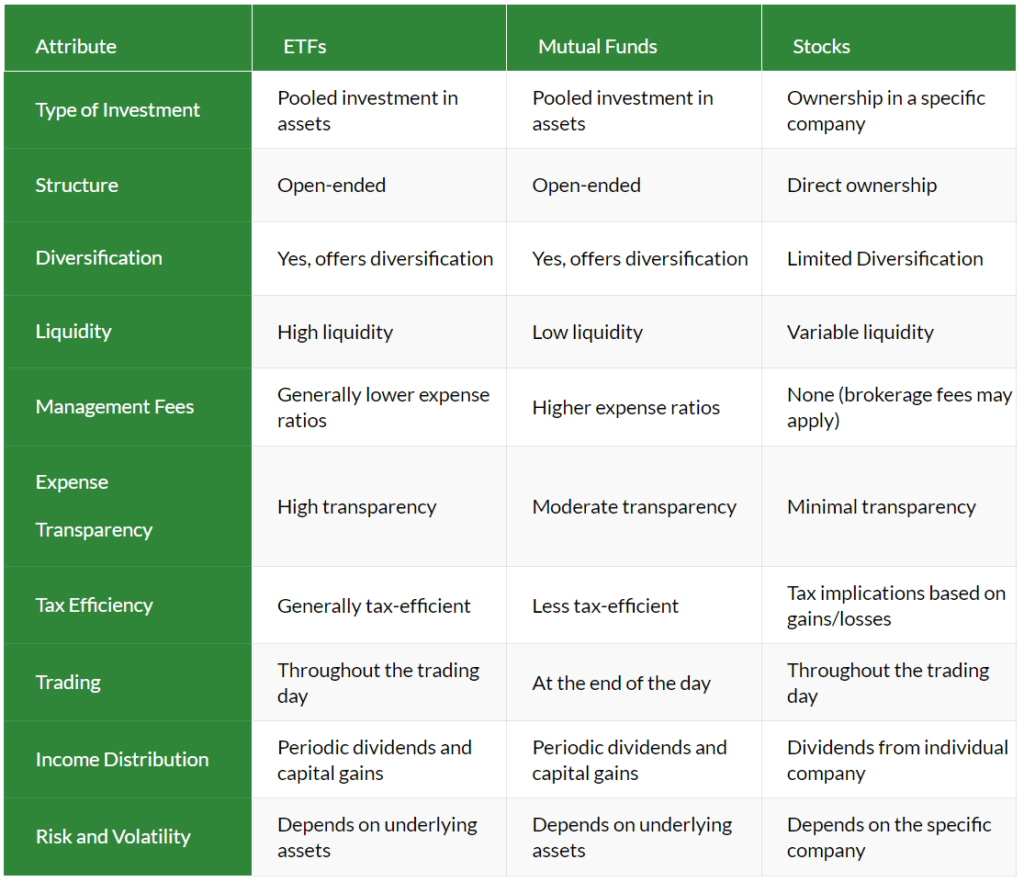
Direct Equity: This involves buying shares of specific companies like Reliance, HDFC Bank, or Infosys. It offers the highest potential returns but requires significant time for research and carries higher risk if the specific company underperforms.
Mutual Funds: For those who cannot track the market daily, mutual funds pool money from many investors to be managed by professional fund managers. You can start with as little as ₹500 via a Systematic Investment Plan (SIP).
Index ETFs: These are low-cost funds that mimic the performance of an index like the Nifty 50. If the top 50 companies in India grow, your investment grows. It is a "hands-off" approach that often beats many actively managed funds over the long term.
Fundamental Analysis for the Indian Context: Key Ratios and Sectoral Trends
When picking individual stocks, you must look beyond the stock price. Here are three critical metrics for the Indian market:
- Price-to-Earnings (P/E) Ratio: This tells you if a stock is overvalued or undervalued compared to its earnings. However, Indian IT and FMCG sectors often command higher P/Es due to their consistent growth.
- Debt-to-Equity Ratio: In a high-interest-rate environment, companies with low debt are generally safer. Be cautious of companies with a ratio above 1.
- ROE (Return on Equity): This measures how effectively a company uses its shareholders' money to generate profit. Look for companies with a consistent ROE of 15% or more.
Currently, sectors like Renewable Energy, Infrastructure, and Digital Banking are seeing significant policy tailwinds from the government, making them interesting areas for long-term observation.
Navigating the Tax Landscape: A Guide to STCG and LTCG
Understanding taxes is crucial for calculating your actual take-home returns. Following the latest updates in the 2024 Union Budget, the tax structure for equity is as follows:
- Short-Term Capital Gains (STCG): If you sell your shares within 12 months of buying, the profit is taxed at 20%.
- Long-Term Capital Gains (LTCG): If you hold your shares for more than 12 months, profits above ₹1.25 lakh in a financial year are taxed at 12.5%. Profits below this threshold are tax-exempt.
- Securities Transaction Tax (STT): This is a small tax applied automatically to every purchase and sale transaction on the exchange.
Risk Mitigation Strategies: Diversification and Rupee Cost Averaging
The Indian market can be volatile due to global cues or domestic inflation. To protect your capital, use these two pillars:
- Diversification: Don't put all your money in one sector. If you own bank stocks, balance them with Pharma or IT stocks. This ensures that a slump in one industry doesn't wipe out your entire portfolio.
- Rupee Cost Averaging: Instead of trying to "time the market" (buying at the absolute bottom), invest a fixed amount regularly. When prices are low, you buy more units; when prices are high, you buy fewer. Over time, this averages out the cost and reduces the impact of volatility.
Frequently Asked Questions
1. What is the minimum amount needed to start?
There is no legal minimum. You can buy a single share of a company for as low as ₹10 or start a Mutual Fund SIP for ₹100–₹500.
2. Is the stock market like gambling?
No. Gambling is based on chance with a negative expected outcome. Investing is based on the growth of businesses and the economy. While there is risk, it is calculated and based on underlying value.
3. How long should I stay invested?
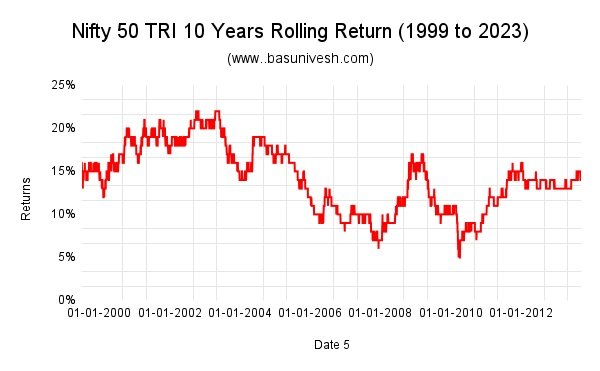
For the best results in the Indian market, a horizon of 5 to 7 years is recommended to ride out short-term cycles and benefit from compounding.
4. What are brokerage fees?
These are charges paid to your broker for facilitating the trade. Discount brokers usually charge ₹0 for delivery (long-term) trades and a flat ₹20 for intraday trades.
Important Note: Financial Disclaimer: This content is for educational purposes only and does not constitute professional financial advice. Always consult with a certified financial planner before making investment decisions.
Conclusion
Investing in Dalal Street is a marathon, not a sprint. While the fluctuations of the Nifty and Sensex might seem intimidating at first, the combination of a disciplined SIP, a diversified portfolio, and a clear understanding of the regulatory and tax landscape provides a robust foundation for wealth creation. By starting early and staying informed, first-time Indian investors can move beyond mere saving and begin the journey toward true financial sovereignty.





Comments 0
Leave a Reply
Your email address will not be published. Required fields are marked *
Be the first to share your thoughts!