
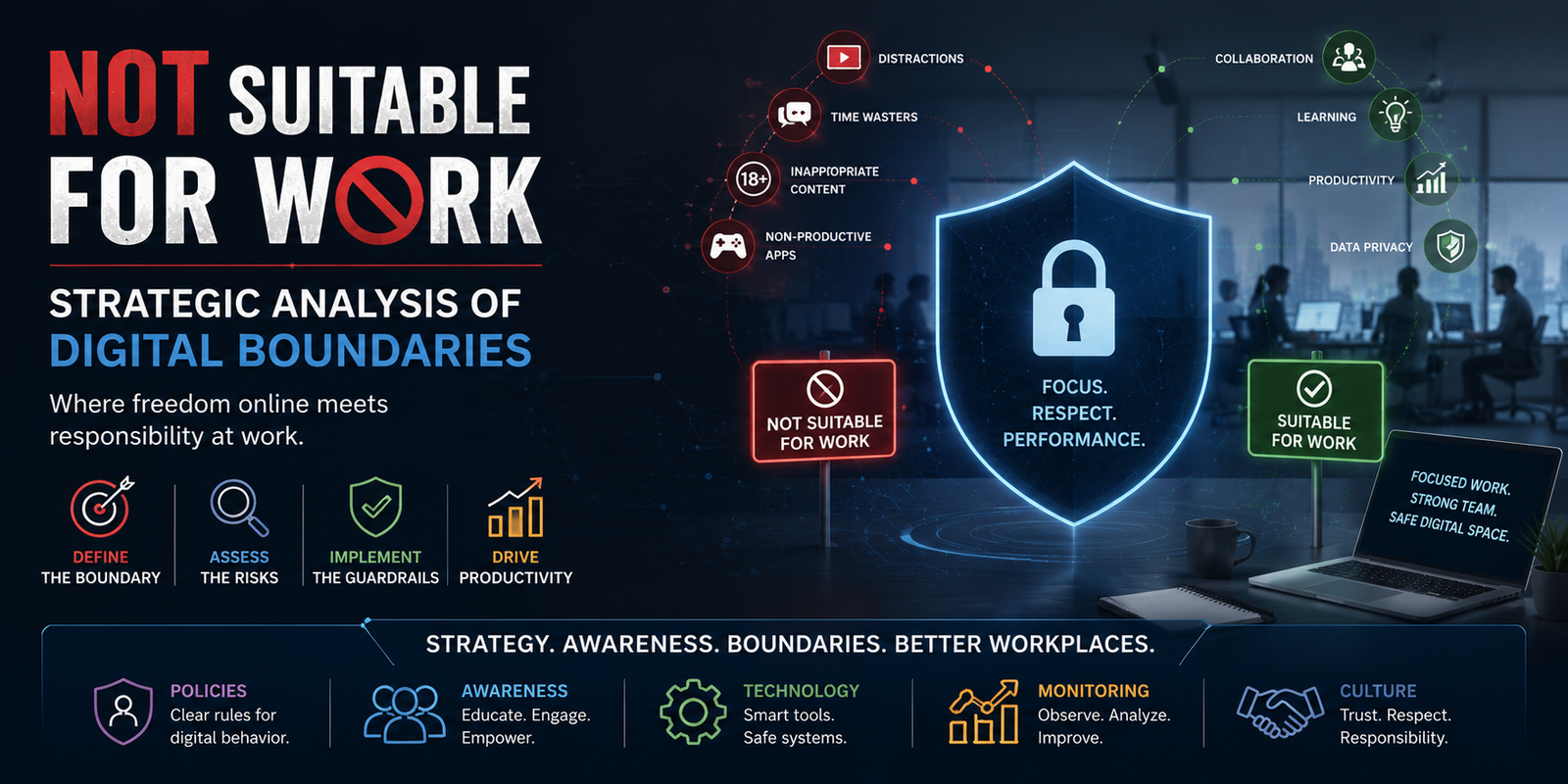
💡 Not Suitable for Work: Strategic Analysis of Digital Boundaries
A comprehensive analysis of the NSFW landscape, exploring content moderation, workplace compliance, and the economic impact of digital boundaries.
Executive Summary
The term Not Suitable for Work (NSFW) has evolved from a simple internet slang warning into a critical framework for corporate compliance, cybersecurity, and the global creator economy. Key findings in this analysis indicate that the content moderation market, essential for filtering NSFW material, is projected to grow at a compound annual growth rate (CAGR) of 10.5 percent through 2030. Currently, over 70 percent of enterprise-level organizations have implemented automated AI filtering to mitigate the risks of inappropriate content in professional environments. This report examines the economic drivers of the NSFW industry, the legal implications for remote workforces, and the technological advancements in algorithmic detection.

Introduction
The digital era has fundamentally shifted the boundaries between private consumption and professional conduct. Originally used on early internet forums to flag content that could lead to disciplinary action if viewed in an office, Not Suitable for Work (NSFW) now encompasses a broad spectrum of digital assets, including adult content, graphic violence, and sensitive political material. As remote work becomes a permanent fixture of the global economy, the distinction between personal devices and professional responsibilities has blurred. This strategic analysis explores how organizations navigate the complexities of digital safety while balancing employee privacy and brand reputation.
THE DEEP DIVE: The Strategic Landscape of NSFW Content
1. The Economics of Content Moderation
The necessity of maintaining a brand-safe environment has birthed a massive secondary industry: content moderation. Industry data suggests that the global content moderation services market was valued at approximately 9 billion USD in 2022. Large-scale platforms like Meta, YouTube, and TikTok employ thousands of human moderators supplemented by advanced machine learning models. These systems are designed to categorize content with high precision, ensuring that advertisers are not associated with NSFW material. This technological requirement is similar to the robust security frameworks seen in digital trading environments, where data integrity is paramount.
From a strategic standpoint, the failure to filter NSFW content can lead to catastrophic brand devaluation. According to a 2023 survey, 64 percent of consumers stated they would lose trust in a brand if its advertisements appeared alongside inappropriate or harmful content. Consequently, the development of Computer Vision (CV) and Natural Language Processing (NLP) has become a primary focus for tech giants aiming to automate the identification of NSFW triggers.
2. Legal Frameworks and Workplace Compliance
The legal implications of NSFW content in the workplace are severe. Under various international labor laws, including the Equal Employment Opportunity Commission (EEOC) guidelines in the United States, exposure to NSFW content can be classified as a hostile work environment or sexual harassment. This is not limited to physical offices; digital communication tools like Slack, Microsoft Teams, and Zoom are subject to the same standards. Strategic analysis of HR litigation reveals a 40 percent increase in digital-conduct-related disputes over the last five years.
Organizations must adopt clear Acceptable Use Policies (AUP). These policies define the boundaries of digital behavior, much like the regulatory standards discussed in the financial hub operations of major economies. Without a clear AUP, companies face significant liability. Furthermore, the rise of the creator economy, specifically platforms like OnlyFans which generated over 5 billion USD in gross merchandise value in 2022, has created a unique challenge where employees may be creators of NSFW content outside of office hours, leading to complex debates over morality clauses and off-duty conduct.

3. Technological Detection and AI Integration
The battle against unauthorized NSFW content is now fought with algorithms. Modern AI models use deep learning to analyze pixel patterns and contextualize text. These systems are trained on massive datasets to distinguish between medical imagery and prohibited adult content. However, the accuracy of these models is not absolute. False positives can hinder legitimate communication, while false negatives can expose a company to legal risk.
Cybersecurity firms are increasingly integrating NSFW detection into their Data Loss Prevention (DLP) suites. This integration ensures that sensitive or inappropriate images do not leave the corporate network. The strategic importance of this technology mirrors the sophisticated monitoring used in media influence and regulation, where the control of information flow is vital for maintaining organizational order.
WHAT THIS MEANS FOR YOU
- For Employers: Implementing automated filtering software and clear digital conduct policies is no longer optional; it is a fundamental requirement for risk management.
- For Employees: Understanding that the 'NSFW' tag applies to all professional communication channels is crucial. Digital footprints on company-owned assets are rarely private.
- For Creators: As the NSFW industry grows, creators must navigate the legalities of their presence on platforms while maintaining professional boundaries if they hold traditional employment.
- For Tech Developers: There is a high demand for high-accuracy, low-latency moderation APIs that can be integrated into diverse SaaS platforms.
Expert Verdict / Future Outlook
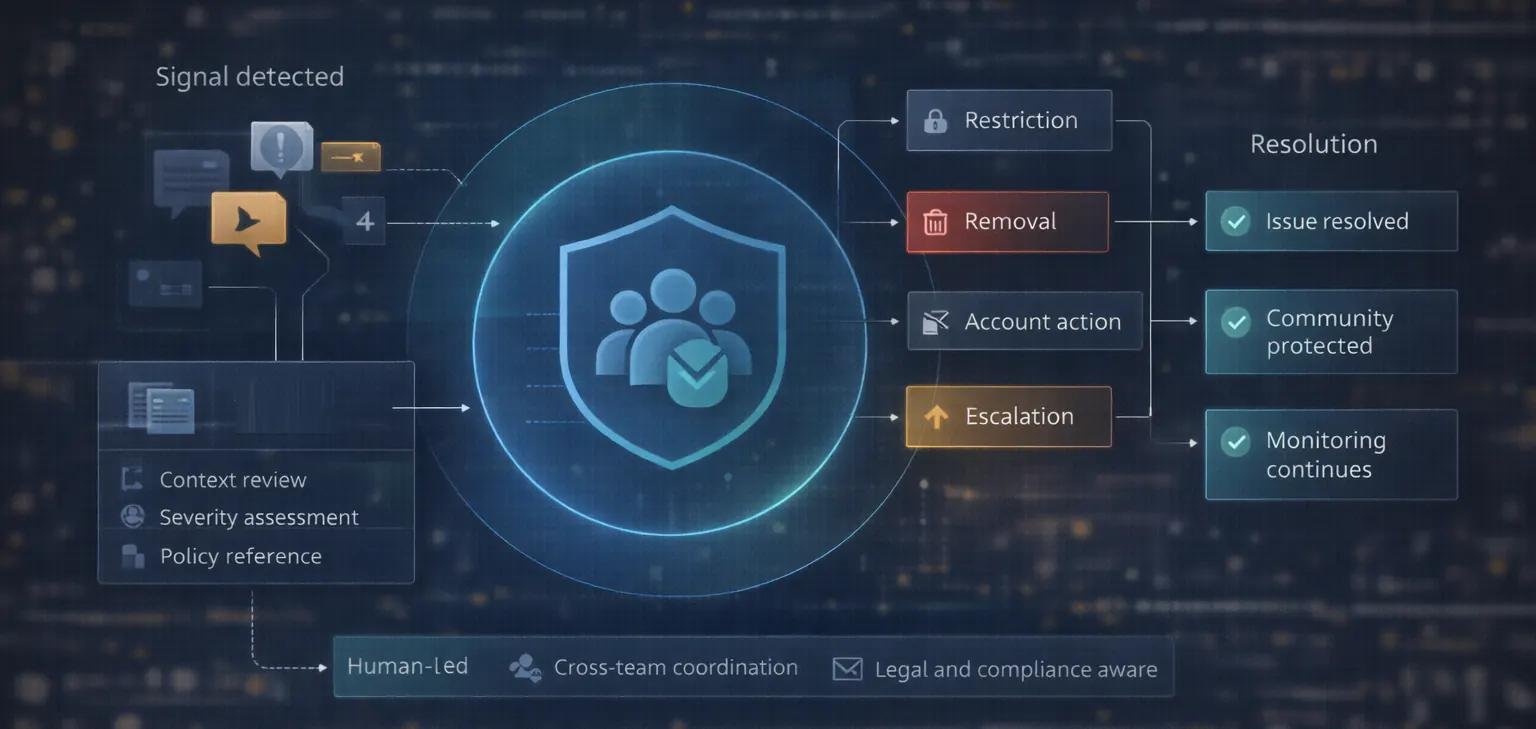
The future of NSFW management lies in 'Edge Moderation.' Instead of content being flagged after it is uploaded to a server, AI models will reside on local devices, flagging inappropriate content in real-time before it is even transmitted. This shift addresses privacy concerns while maintaining strict workplace standards. Experts predict that by 2026, 90 percent of enterprise communication tools will have native, AI-driven NSFW detection enabled by default. The strategic focus will shift from reactive moderation to proactive prevention.
FAQ
What is the legal definition of NSFW in a professional context?
Legally, NSFW content is generally defined as any material that a reasonable person would find offensive, lewd, or inappropriate for a professional setting, which could contribute to a hostile work environment under labor laws.
Can an employer fire an employee for viewing NSFW content on a personal device?
If the personal device is connected to the company network or if the viewing occurs during working hours, most jurisdictions allow for disciplinary action, including termination, based on the company’s Acceptable Use Policy.
How accurate is AI at detecting NSFW images?
Current industry-leading models boast accuracy rates between 95 and 98 percent. However, they still struggle with 'contextual nuances,' such as distinguishing between artistic nudity and prohibited content.
Does NSFW only refer to adult content?
No. In a strategic corporate context, NSFW also includes extreme violence, hate speech, illegal activities, and any content that violates the safety and inclusivity standards of the organization.
Is the NSFW industry regulated?
The industry is subject to varying degrees of regulation depending on the country. Major platforms are increasingly pressured by payment processors and government bodies to implement strict age verification and content moderation standards.
Conclusion
The strategic management of Not Suitable for Work content is a pillar of modern digital governance. As technology continues to bridge the gap between human intuition and algorithmic detection, organizations must remain vigilant. By combining robust AI tools with clear legal frameworks and ethical guidelines, businesses can protect their reputation and ensure a safe, professional environment for all stakeholders.





Comments 0
Leave a Reply
Your email address will not be published. Required fields are marked *
Be the first to share your thoughts!