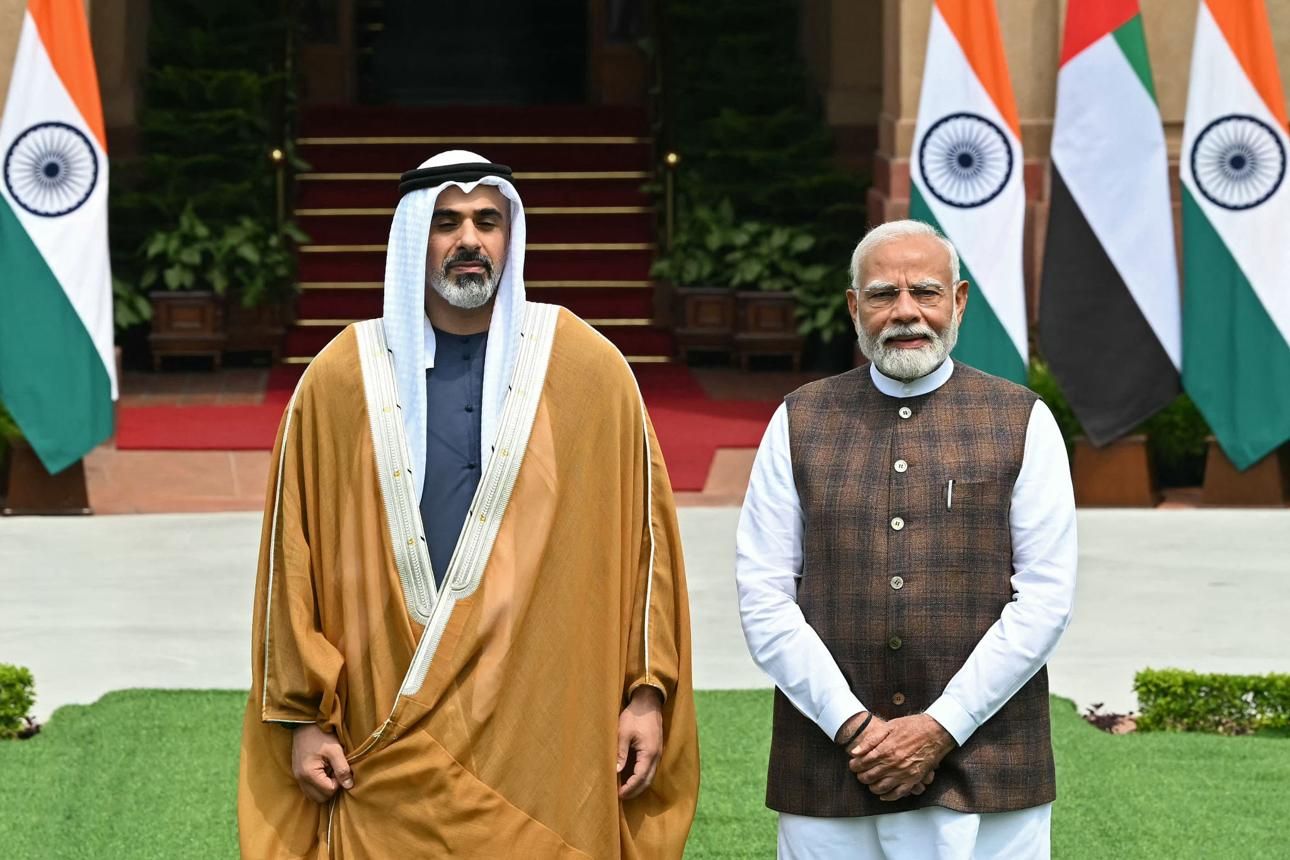
💡 Who is Pm modi on iran war?
Explore PM Narendra Modi's strategic approach to the Iran conflict, focusing on India's diplomatic balancing act, energy security, and regional stability in South Asia.
PM Modi on Iran War: Understanding India’s Strategic Diplomacy and Energy Security
In the complex landscape of global geopolitics, India occupies a unique position as a bridge between the East and the West. When tensions escalate in the Middle East, particularly involving Iran, the world looks toward New Delhi for its balanced and pragmatic stance. Prime Minister Narendra Modi has consistently advocated for dialogue and diplomacy, emphasizing that the path to resolution lies in peaceful negotiation rather than military confrontation. This article provides an in-depth look at the strategic framework India employs during such international crises and how it protects its national interests while maintaining global partnerships.
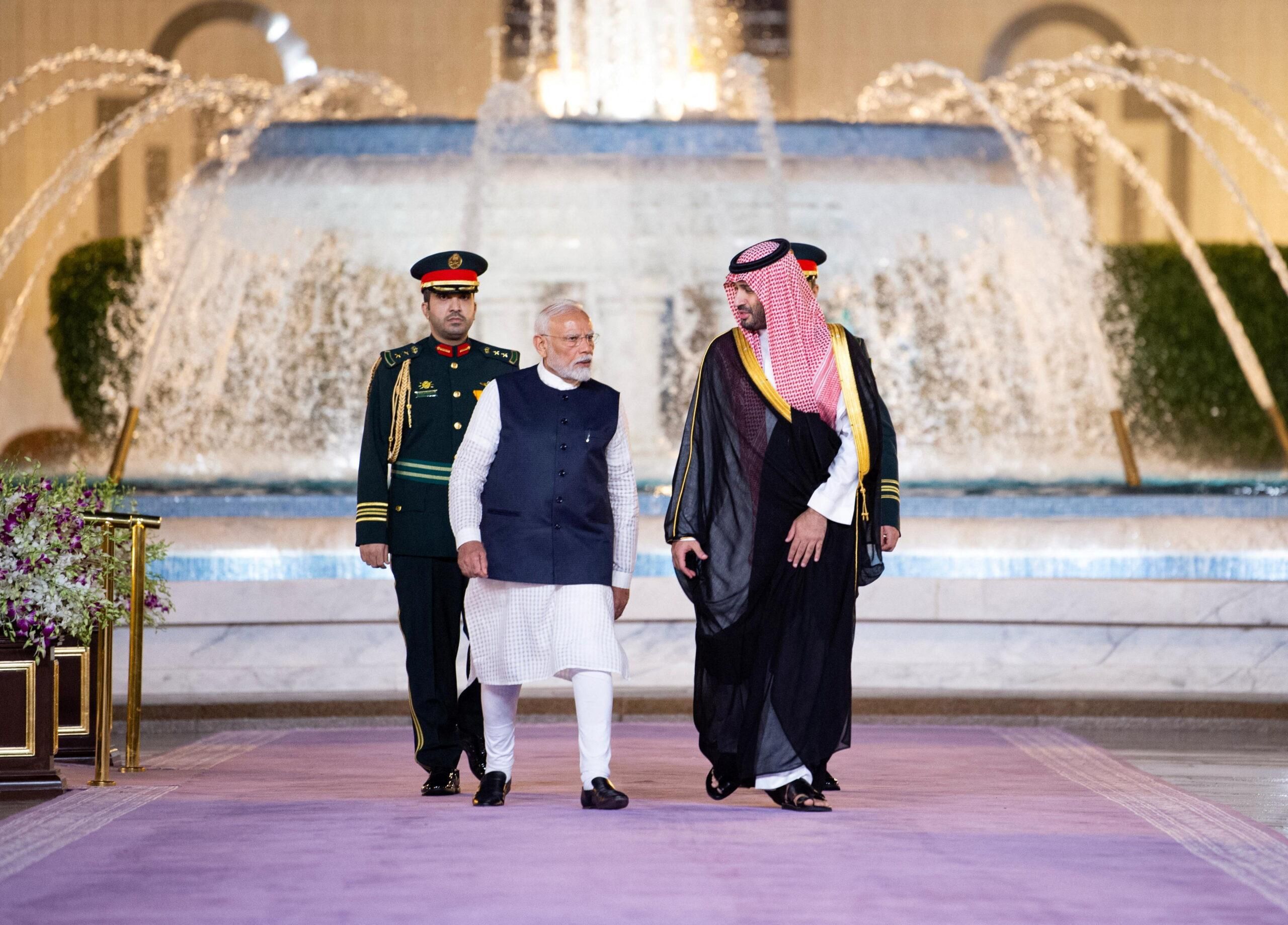
Who is PM Narendra Modi in the Global Geopolitical Landscape?
Prime Minister Narendra Modi has redefined India’s foreign policy through a doctrine often referred to as Strategic Autonomy. Unlike the Cold War era of non alignment, this modern approach involves active engagement with all major powers based on mutual respect and shared interests. Analysts note, PM Modi has successfully navigated the narrow corridors of diplomacy by maintaining strong ties with the United States while simultaneously deepening historical and strategic connections with Iran. This dual relationship is not merely about balancing but about creating a multi polar world where India serves as a stabilizing force.
How does the Iran Conflict Affect India?
The prospect of a war involving Iran is not just a regional concern for India; it is a direct threat to its economic and strategic stability. There are three primary pillars of concern that the Indian government must address whenever tensions rise in the Persian Gulf.
1. Energy Security and Oil Prices
India is one of the largest consumers of energy in the world, importing a significant portion of its crude oil from the Middle East. Any disruption in the Strait of Hormuz, a critical maritime chokepoint, could lead to a massive spike in global oil prices. Experts suggest that even a minor increase in per barrel costs can lead to inflationary pressures within the Indian economy, affecting everything from transportation to the price of essential commodities.
2. The Safety of the Indian Diaspora
Millions of Indian citizens live and work in the Gulf region. Their safety is a top priority for the Prime Minister’s office. In previous instances of regional instability, the Indian government has launched massive evacuation operations. Maintaining a neutral and constructive dialogue with all parties, including Iran and the US, ensures that Indian nationals remain protected during times of volatility.
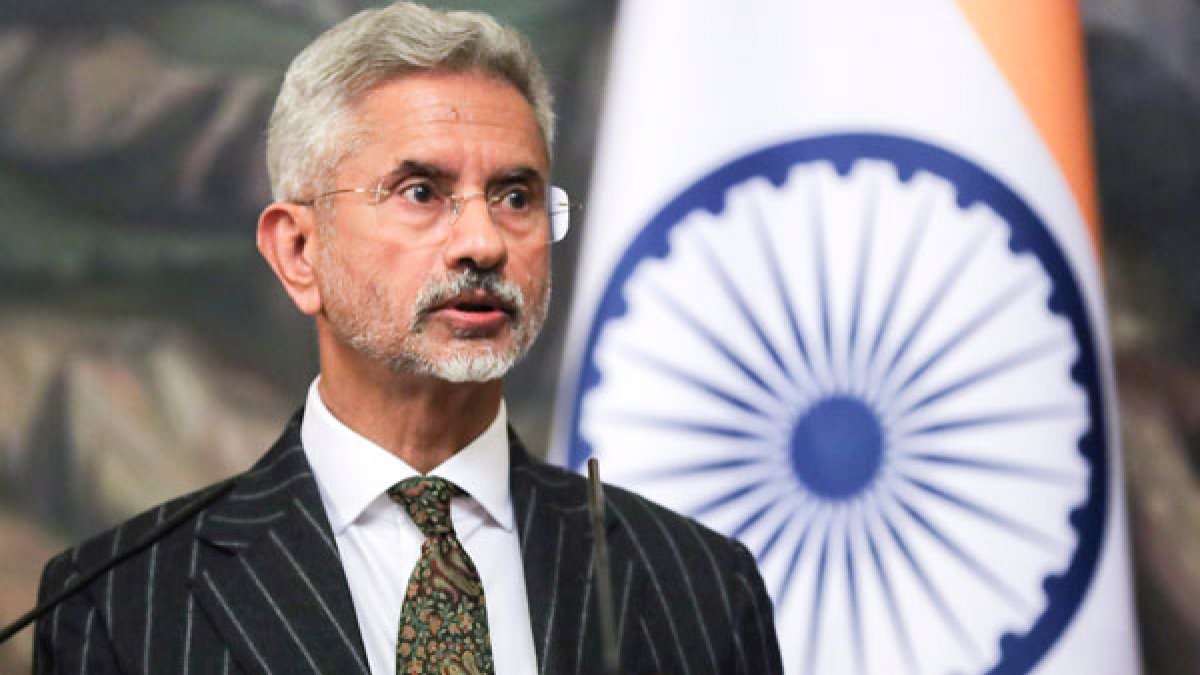
3. Strategic Investments: The Chabahar Port
The Chabahar Port in Iran is a cornerstone of India’s connectivity strategy. It provides a gateway for Indian goods to reach Afghanistan and Central Asia, bypassing land routes through Pakistan. A full-scale war would jeopardize years of investment and the strategic advantage India has built through this maritime hub. Therefore, PM Modi’s advocacy for peace is deeply rooted in protecting these long-term infrastructure projects.
What is the Role of Regional Cooperation?
During times of global crisis, PM Modi often engages with neighboring countries to ensure regional stability. Discussions with leaders like the President of Sri Lanka are vital. These conversations typically focus on mitigating the ripple effects of a potential energy crisis and ensuring that South Asia remains resilient against external shocks. By coordinating with neighbors, India reinforces its role as a regional leader and a net security provider in the Indian Ocean region.
Key Elements of India’s De-escalation Strategy
When addressing the Iran situation, the Indian government typically follows a specific set of diplomatic protocols:
- Direct Communication: PM Modi engages in direct telephonic conversations with world leaders, including the President of the United States and the leadership in Tehran, to express India’s concerns.
- Emphasis on International Law: India consistently calls for adherence to international norms and the principles of the UN Charter.
- Economic Diversification: To reduce the impact of potential oil supply chains breaking, the government actively seeks to diversify its energy sources, looking toward Russia, Africa, and North America.
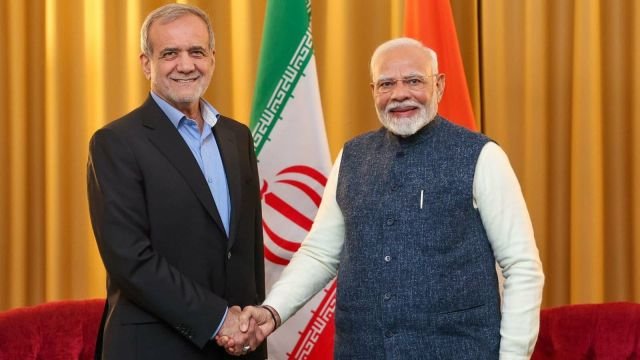
Common Misunderstandings About India’s Position
A common misconception among some observers is that India’s refusal to take a side in the Iran conflict indicates a lack of decisiveness. On the contrary, strategic analysts argue that this neutrality is a deliberate and sophisticated choice. Taking a side would alienate a key partner and limit India’s ability to act as a mediator. Another mistake is assuming that India’s growing proximity to the US means it will abandon its ties with Iran. History shows that India prioritizes its own national interests above the pressures of any single global power.
Expert Insights: The Future of Indo-Iran Relations
Reports indicate, the future of this relationship will be defined by how well India can manage the pressure of international sanctions against Iran while continuing its developmental projects. Reports indicate that India could explore alternative payment mechanisms, such as rupee rial trade, to bypass traditional banking hurdles. The goal is to keep the channels of commerce open even when the geopolitical climate is unfavorable.
Pro Tips for Understanding Geopolitical Shifts
For those following international relations, It is important to consider official statements and context beyond the headlines. Pay attention to the official statements from the Ministry of External Affairs (MEA) in India. These statements are carefully worded to reflect India’s long term goals. Additionally, monitoring global crude oil indices can provide a real-time look at how the market perceives the risk of conflict in the Middle East.

Frequently Asked Questions
Why is the Iran war a concern for India?
An Iran war is a major concern because it threatens India’s energy security, the safety of millions of Indian workers in the Middle East, and the strategic utility of the Chabahar Port.
How does PM Modi maintain a balance between the US and Iran?
PM Modi uses the policy of Strategic Autonomy, engaging with the US on technology and defense while maintaining energy and connectivity ties with Iran, ensuring that India’s interests are served in both camps.
What is the significance of the Chabahar Port for India?
The Chabahar Port allows India to bypass Pakistan and access markets in Afghanistan and Central Asia, making it a vital component of India’s trade and strategic outreach.
How do global oil prices impact the Indian economy?
Since India imports over 80 percent of its oil, any rise in global prices leads to higher fuel costs at home, which increases the cost of goods and services, leading to inflation.
Can India play a role as a mediator in the Iran conflict?
While India rarely acts as a formal mediator, its good relations with both Washington and Tehran allow it to pass messages and encourage de-escalation behind-the-scenes.
Conclusion
The stance of PM Modi on the Iran war reflects a mature and calculated foreign policy that prioritizes stability, energy security, and regional cooperation. By engaging with both global superpowers and regional neighbors, India ensures that its voice is heard as a proponent of peace. As the world continues to face geopolitical uncertainties, India’s balanced approach serves as a blueprint for navigating the complexities of the 21st century. Maintaining this delicate equilibrium is essential for India’s continued economic growth and its emergence as a leading global power.
Related Media
Quick View: PM Modi on Iran War: Understanding India’s Strategic Diplomacy and Energy Security





Comments 0
Leave a Reply
Your email address will not be published. Required fields are marked *
Be the first to share your thoughts!