

💡 Where is Punjab and haryana high court?
An in-depth guide to the Punjab and Haryana High Court's role in overseeing public sector appointments and the legal framework of judicial review in India.
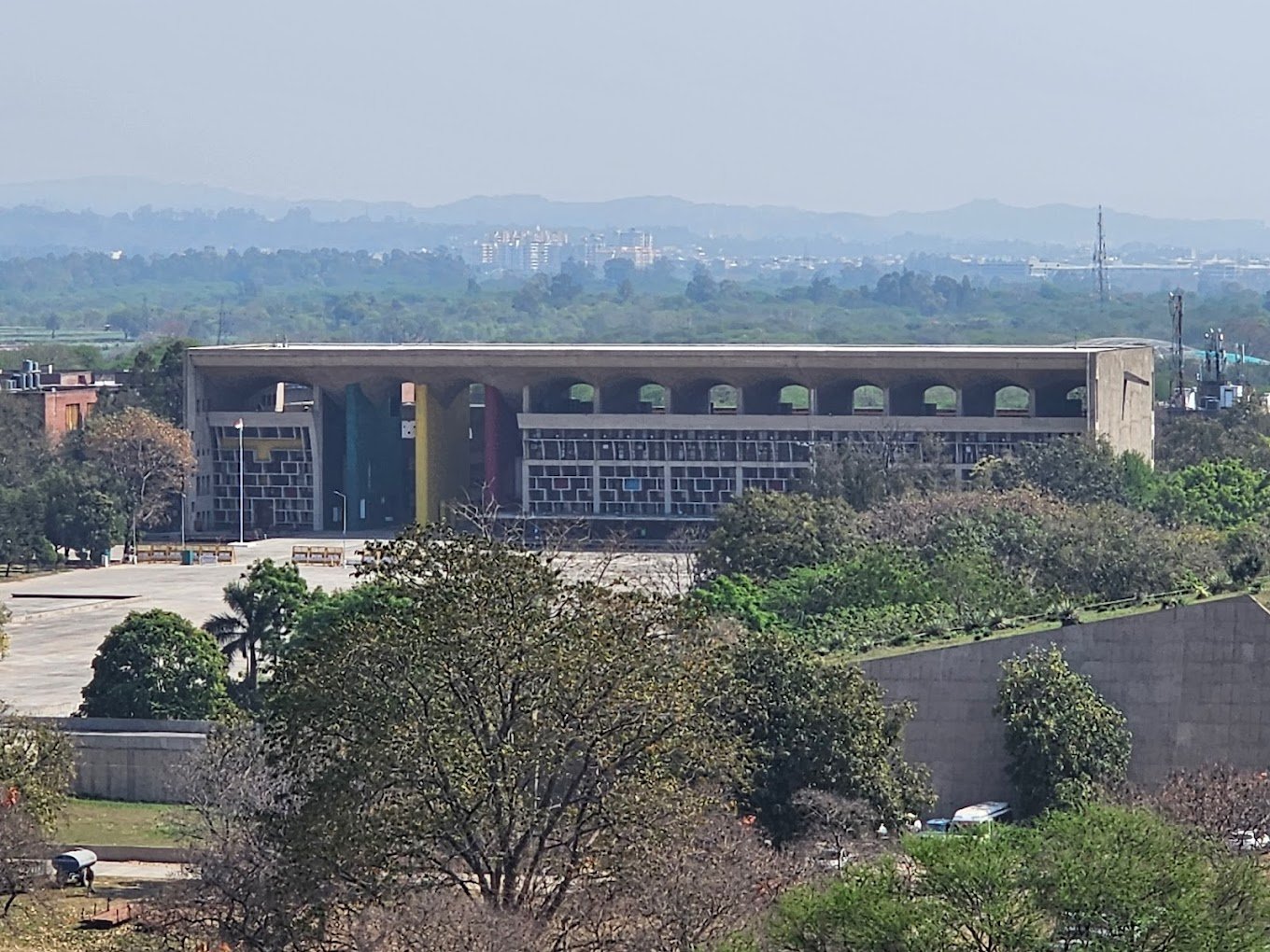
The Punjab and Haryana High Court stands as one of the most significant pillars of the Indian judicial system. Located in the capital city of Chandigarh, this institution serves as a common high court for the states of Punjab and Haryana, as well as the Union Territory of Chandigarh. In the landscape of Indian administrative law, the court plays a pivotal role in ensuring that the actions of the state and its instrumentalities, such as the State Bank of India (SBI), adhere to the principles of transparency and constitutional validity. The Punjab and Haryana High Court plays a crucial role in maintaining the rule of law through its power of judicial review. This ensures that decisions made by government bodies and public sector institutions, including the State Bank of India, follow constitutional principles such as fairness, transparency, and equality.
What is the Punjab and Haryana High Court?
The Punjab and Haryana High Court is a unique judicial body because it exercises jurisdiction over two major Indian states and one union territory. Established under the High Court (Punjab) Order, 1947, and later evolved through the Punjab Reorganisation Act, 1966, it has a rich history of landmark judgments that have shaped Indian jurisprudence. The court is widely recognized for handling a large volume of cases and for actively addressing issues related to civil rights, governance, and administrative accountability.
The court consists of a Chief Justice and several other judges appointed by the President of India. It operates as a court of record, meaning its decisions serve as precedents for lower courts within its jurisdiction. Beyond its role in criminal and civil appeals, the court is a primary venue for writ petitions filed under Article 226 of the Constitution of India. This article empowers the court to issue directions, orders, or writs to any person or authority, including the government, for the enforcement of fundamental rights or for any other purpose.
How does the High Court review public sector appointments?
Judicial review of public sector appointments is a critical function of the Punjab and Haryana High Court. When a public entity, such as a nationalized bank or a government department, makes an appointment that appears to bypass established rules, the court can be moved to scrutinize the process. The primary objective of judicial review is not to replace the decision of the appointing authority, but to ensure that the process followed is fair, transparent, and legally valid.
One of the most common ways an appointment is challenged is through a Writ of Quo Warranto. This legal action asks the appointee: By what warrant or authority are you holding this office? If the court finds that the appointment was made in violation of statutory rules or constitutional mandates, it has the power to quash the appointment. This is particularly relevant in cases involving post-retirement appointments or the creation of specialized roles within organizations like the State Bank of India.
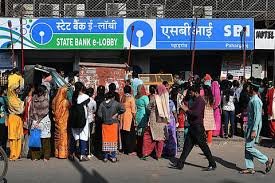
In the context of the State Bank of India (SBI), which is the largest public sector bank in the country, appointments to senior positions like the Legal Head carry immense responsibility. These roles involve managing complex legal risks and ensuring compliance with banking regulations. When such appointments are made post-retirement, they often face legal challenges on the grounds of eligibility criteria, the absence of a competitive selection process, or the lack of a cooling-off period.
Why These Cases Matter in Real Life
The role of the Punjab and Haryana High Court becomes especially important when there are allegations of unfair or non-transparent appointments in public institutions. Courts have repeatedly emphasized that every public appointment must follow a proper selection process.
For example, issues may arise when:
- Positions are filled without public notification
- Retired officials are reappointed without clear legal backing
- Selection criteria are not followed properly
In such situations, judicial intervention helps maintain accountability and protects the rights of other eligible candidates.
What are the legal grounds for challenging post-retirement appointments?
Post-retirement appointments in public sector institutions are frequently the subject of litigation. Post-retirement appointments in public sector institutions are often closely examined by courts to ensure that they follow proper legal procedures and do not violate principles of equality and transparency. The Punjab and Haryana High Court evaluates these cases based on several key legal principles:
- Violation of Recruitment Rules: If the service rules of the organization do not explicitly provide for post-retirement contracts for a specific post, the appointment may be deemed illegal.
- Lack of Transparency: Public sector appointments must be advertised to allow all eligible candidates to apply. A direct appointment without a public notice often violates Article 14 (Right to Equality) and Article 16 (Equality of Opportunity in Public Employment).
- Eligibility Criteria: The court examines whether the individual meets the specific qualifications required for the role at the time of the new appointment.
- Arbitrariness: Any decision that is found to be whimsical or without a rational basis can be set aside by the court under its power of judicial review.

Why is the role of the SBI Legal Head significant?
The position of Legal Head at the State Bank of India is not merely an administrative role; it is a critical gatekeeper function. The Legal Head of the State Bank of India plays a crucial role in handling legal matters, regulatory compliance, and major litigation cases. Because of the importance of this role, the appointment process must be transparent and strictly follow legal guidelines. Given the scale of SBI operations, any ambiguity in the appointment of the person leading the legal department can have far-reaching consequences for the bank's integrity and public trust.
When a plea is filed in the Punjab and Haryana High Court challenging such an appointment, it often highlights the need for a person who is not only qualified but also appointed through a process that is beyond reproach. The court's intervention ensures that even the largest financial institutions remain accountable to the law of the land.
Common challenges in administrative litigation
Litigants approaching the Punjab and Haryana High Court in matters of public appointments often face hurdles. One major challenge is the 'Locus Standi' or the standing to sue. The court must be convinced that the petitioner has a sufficient interest in the matter or that the case serves a significant public interest (Public Interest Litigation). Furthermore, the burden of proof lies with the petitioner to demonstrate that the appointment was made in flagrant violation of the law.
Another challenge is the time-consuming nature of judicial proceedings. While the court strives for efficiency, the complexity of administrative law means that cases involving senior appointments can take a significant amount of time to reach a final verdict. However, the court often issues interim orders to maintain the status quo while the matter is being deliberated.
Pro tips for understanding High Court proceedings
For those following legal developments in the Punjab and Haryana High Court, experts suggest the following insights:
- Follow the Cause List: The official website of the court provides a daily cause list, which helps in tracking when specific matters, like those related to SBI or other public bodies, are scheduled for hearing.
- Understand the Writ Jurisdiction: Distinguish between different types of writs like Mandamus (ordering an official to do their duty) and Certiorari (quashing an order).
- Read the Full Judgment: News summaries often miss the nuanced legal reasoning provided by the judges. Reading the final order provides a deeper understanding of how the law is applied.
- Consult Legal Precedents: Look for previous cases where the court has ruled on similar appointment challenges to understand the likely trajectory of a new plea.
Frequently Asked Questions
Who can file a petition in the Punjab and Haryana High Court?
Any citizen whose fundamental rights are violated or any person who has a legal grievance within the jurisdiction of Punjab, Haryana, or Chandigarh can file a petition. In matters of public importance, even a third party can file a Public Interest Litigation (PIL).
What is the significance of Article 226?
Article 226 gives the High Court the power to issue writs for the enforcement of fundamental rights and for any other legal right. It is broader in scope than Article 32, which is limited to the Supreme Court for fundamental rights only.
How long does it take for the court to decide on an appointment challenge?
The duration varies based on the complexity of the case and the backlog of the court. However, matters involving public office and administrative urgency are often given priority for preliminary hearings.
Can a High Court decision be challenged?
Yes, a judgment or order passed by a single judge of the High Court can be challenged before a Division Bench (two or more judges) of the same court through a Letters Patent Appeal (LPA). Subsequently, it can be challenged in the Supreme Court of India via a Special Leave Petition (SLP).
Why are post-retirement appointments often criticized?
Critics argue that such appointments can prevent younger, qualified professionals from advancing and may lead to a lack of fresh perspectives in senior management. Legally, they are often challenged if they bypass the standard competitive recruitment process.
Conclusion
The Punjab and Haryana High Court plays a vital role in ensuring fairness and accountability in public administration. Through its power of judicial review, it ensures that appointments in public sector institutions, including the State Bank of India, are made in accordance with the law. This helps strengthen public trust and reinforces the importance of transparency in governance.
Related Media
Quick View: Understanding Judicial Review: The Punjab and Haryana High Court and Public Sector Appointments





Comments 0
Leave a Reply
Your email address will not be published. Required fields are marked *
Be the first to share your thoughts!