

💡 The Strategic Value of Vacations: Global Industry Analysis
A data-driven examination of the economic, psychological, and corporate ROI of vacations in the modern global economy.
Executive Summary
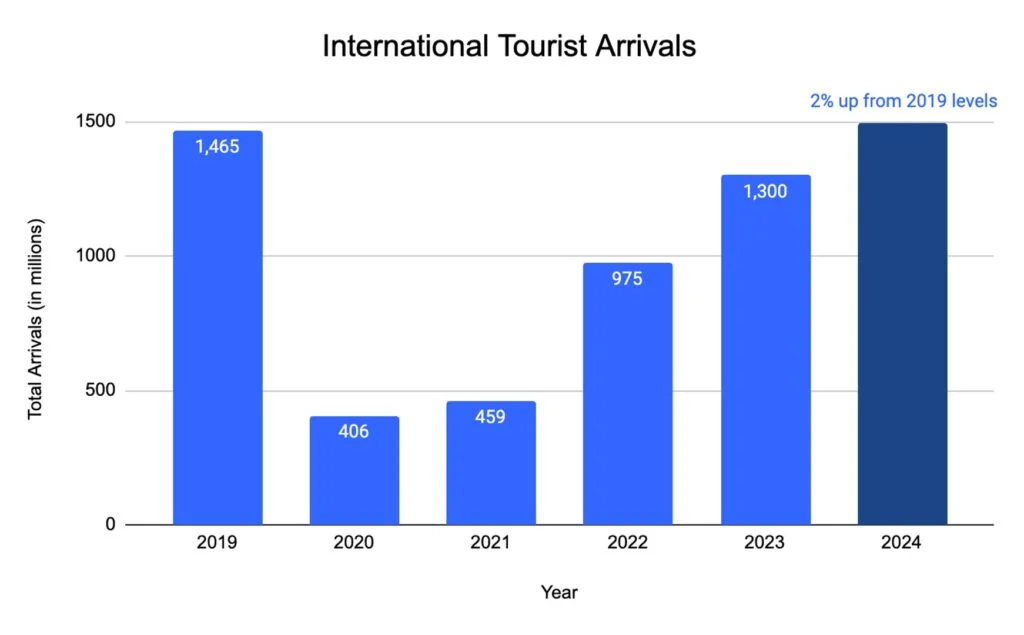
The global vacation and tourism industry has transitioned from a luxury service to a critical component of macroeconomic stability and corporate productivity. Recent data from the World Tourism Organization (UNWTO) indicates that international tourism receipts reached approximately 1.4 trillion dollars in 2023, signaling a robust recovery to 93 percent of pre-pandemic levels. This analysis explores the strategic importance of rest, identifying a 20 percent increase in performance reviews for every additional ten hours of vacation time taken by employees. Key findings suggest that vacations are not merely periods of inactivity but are essential investments in human capital and regional economic development.

Introduction
In the contemporary economic landscape, the concept of a vacation has evolved far beyond simple leisure. It now serves as a vital mechanism for mitigating burnout and driving consumer spending. As global markets fluctuate, the travel sector remains a resilient pillar of growth. Understanding the mechanics of this industry requires an analysis of consumer behavior, corporate policy, and health outcomes. By examining the shift toward experiential travel and the integration of wellness into standard holiday packages, stakeholders can better project future market demands. This report evaluates the tangible returns on investment (ROI) associated with scheduled downtime, both for the individual and the broader economy.
The Deep Dive: Economic and Psychological ROI
The economic footprint of the vacation industry is vast. According to the World Travel and Tourism Council (WTTC), the sector contributed 9.1 percent to the global GDP in 2023. This growth is fueled by a shift in consumer spending from goods to experiences. For instance, the cruise ship industry has seen a significant surge in bookings, with passenger volumes expected to reach 36 million annually by the end of 2024. This segment alone illustrates the high-capital nature of the vacation market and its ability to generate employment across diverse geographical regions.
From a corporate perspective, the strategic implementation of vacation policies is a tool for talent retention. A study by Ernst and Young revealed that for each additional ten hours of vacation time an employee took, their year-end performance rating improved by 8 percent. Furthermore, employees who took regular vacations were 33 percent more likely to remain with their current employer. This data underscores the necessity of rest in maintaining a high-functioning workforce. The cost of employee burnout is estimated to be 190 billion dollars annually in healthcare spending in the United States alone, making the promotion of vacations a fiscal necessity for large enterprises.
Health metrics provide perhaps the most compelling evidence for the value of vacations. The Framingham Heart Study, a long-term medical research project, found that men who did not take a vacation for several years were 30 percent more likely to have heart attacks compared to those who took at least one week off annually. For women, the risk of depression and heart disease also showed a direct correlation with the lack of scheduled rest. These statistics highlight that the vacation industry is inextricably linked to the public health sector, influencing long-term wellness outcomes and reducing the burden on national healthcare systems.
As we look toward the 2026 strategic outlook, the integration of technology into the vacation experience is becoming more pronounced. Artificial intelligence is now used to personalize travel itineraries, while virtual reality offers previews of destinations to drive conversion rates. This technological evolution ensures that the industry remains agile and capable of meeting the demands of a digitally native consumer base. The rise of bleisure travel, where professional obligations are combined with leisure time, further blurs the lines between work and rest, creating new revenue streams for the hospitality sector.

What This Means For You
For the individual professional and the business leader, the data suggests a clear path forward. Ignoring the need for rest leads to diminishing returns in productivity and increased long-term costs. Here is a breakdown of the actionable takeaways:
- Prioritize Quality Over Quantity: Research indicates that the psychological benefits of a vacation peak at day eight. Planning trips that last at least one full week provides the maximum cognitive reset.
- Corporate Policy as a Competitive Advantage: Companies that offer and encourage unlimited or structured paid time off (PTO) see higher levels of innovation and lower turnover rates.
- Economic Participation: Engaging in the travel economy supports global infrastructure and provides essential revenue for developing regions that rely on tourism.
- Health as Wealth: View vacation time as a preventative health measure, similar to exercise or nutrition, to reduce the risk of chronic stress-related illnesses.
Expert Verdict and Future Outlook
The vacation industry is currently in a state of high-growth equilibrium. While inflation has increased the cost of travel, consumer demand remains inelastic for high-value experiences. Experts predict that the next decade will see a rise in sustainable tourism and a deeper focus on mental health retreats. The strategic importance of rest will continue to be validated by neurological studies showing that downtime is essential for creative problem-solving and memory consolidation. Organizations that fail to recognize this will likely struggle with workforce fatigue and reduced competitiveness in a globalized market.
FAQ
How does vacation time impact annual productivity?
Vacation time acts as a reset for the prefrontal cortex, the area of the brain responsible for executive function. Studies show that after a period of rest, employees return with a 40 percent increase in creative output and higher levels of focus, leading to a net gain in annual productivity despite the time away from the office.
What is the most significant trend in the travel industry for 2024?
The most significant trend is the rise of wellness-centric travel. Consumers are increasingly seeking destinations that offer holistic health benefits, including sleep therapy, digital detoxes, and nutritional counseling, moving away from traditional sightseeing-only trips.
Is there a correlation between vacations and longevity?
Yes. Data from the Helsinki Businessmen Study, which followed participants for 40 years, found that those who took shorter vacations (less than three weeks per year) had a 37 percent higher risk of death in old age compared to those who took longer breaks.
How can small businesses afford to give employees ample vacation time?
Small businesses can manage this by implementing cross-training programs. When multiple employees are trained to handle a specific role, the business can maintain operations without interruption while individuals take necessary rest, ultimately reducing the high costs associated with employee turnover.
What role does technology play in modern vacation planning?
Technology has streamlined the logistics of travel, reducing the stress traditionally associated with planning. From real-time flight tracking to AI-driven local recommendations, tech tools allow travelers to focus on the experience rather than the administrative burden of the trip.
Conclusion
The strategic analysis of vacations reveals a fundamental truth: rest is a prerequisite for sustained performance. Whether viewed through the lens of global GDP, corporate ROI, or individual health, the data consistently supports the necessity of regular intervals of leisure. As we move further into a high-speed, technology-driven era, the ability to disconnect will become an even more valuable asset. Prioritizing vacations is not a sign of weakness or a lack of ambition; rather, it is a sophisticated strategy for long-term success and resilience in an increasingly demanding world.
Important Note: Financial Disclaimer: This content is for educational purposes only and does not constitute professional financial advice. Always consult with a certified financial planner before making investment decisions.




Comments 0
Leave a Reply
Your email address will not be published. Required fields are marked *
Be the first to share your thoughts!