
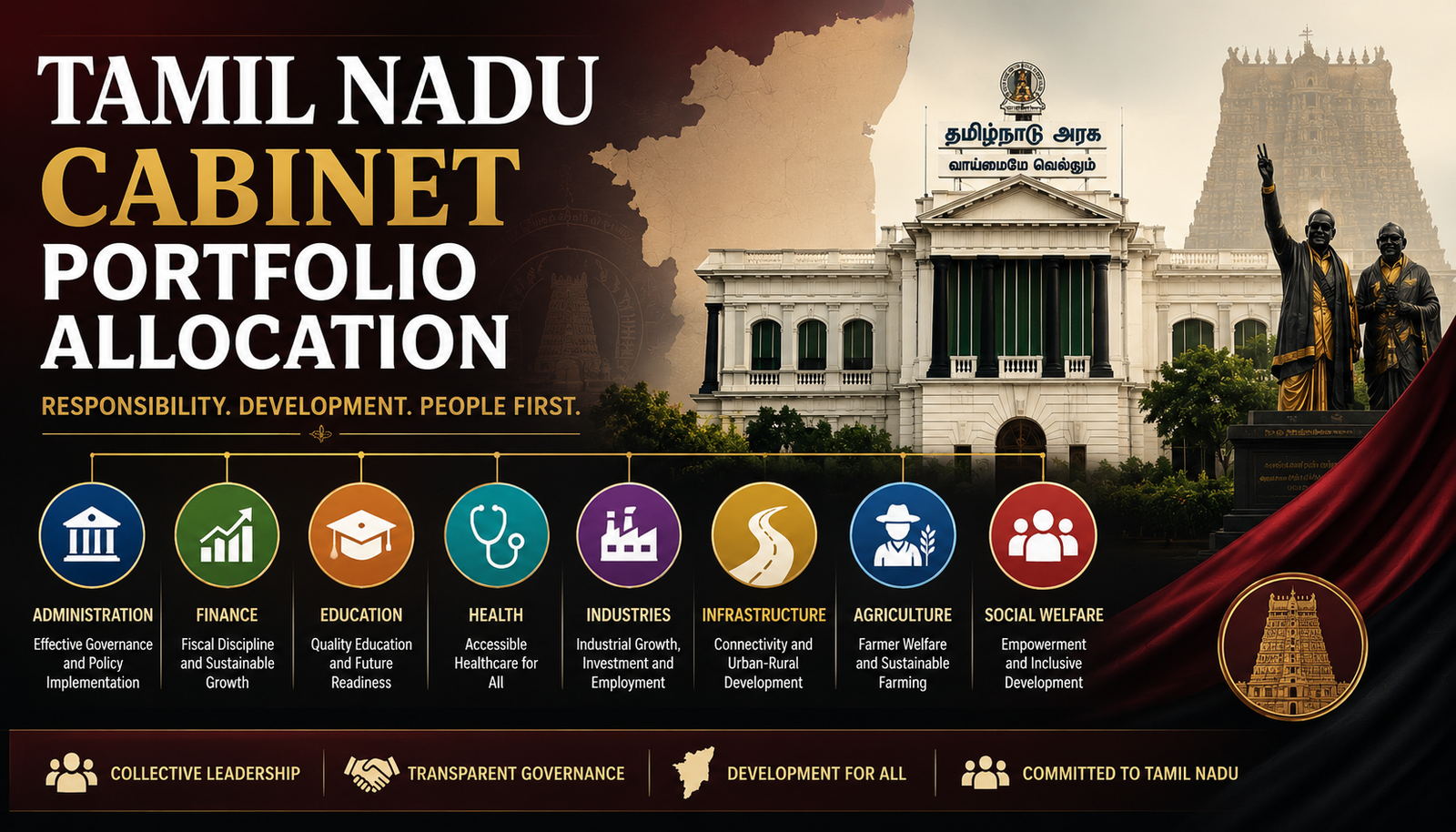
💡 Tamil Nadu Cabinet Portfolio Allocation
A comprehensive strategic analysis of the Tamil Nadu Cabinet portfolio allocation, examining administrative efficiency, political succession, and economic implications.
Executive Summary
The recent restructuring of the Tamil Nadu Cabinet represents a calculated shift in the state administrative framework, aimed at balancing political continuity with governance efficiency. Key highlights include the elevation of Udhayanidhi Stalin to the position of Deputy Chief Minister and the strategic reinstatement of V. Senthil Balaji into the cabinet. This analysis examines the allocation of portfolios across 35 ministerial positions, the constitutional adherence to the 15 percent limit of the 234-member assembly, and the focus on the state goal of achieving a 1 trillion dollar economy by 2030. Data suggests that the reshuffle prioritizes infrastructure, social welfare, and industrial growth, ensuring that key departments are led by experienced administrators capable of navigating the complexities of a state with a Gross State Domestic Product (GSDP) exceeding 300 billion dollars.
Introduction
Tamil Nadu occupies a unique position in the Indian federal structure as a leader in industrialization, healthcare, and social development. The allocation of cabinet portfolios is not merely a political exercise but a strategic deployment of human capital to manage one of the most complex state bureaucracies in Asia. With the 2024 reshuffle, the DMK-led government has signaled its intent to streamline operations ahead of the 2026 assembly elections. This move comes at a time when the state is aggressively pursuing investments in the Electric Vehicle (EV), semiconductor, and renewable energy sectors. Understanding the nuances of this portfolio allocation provides insights into the future trajectory of the state's policy environment and its impact on both regional and national politics.
THE DEEP DIVE: Strategic Portfolio Management
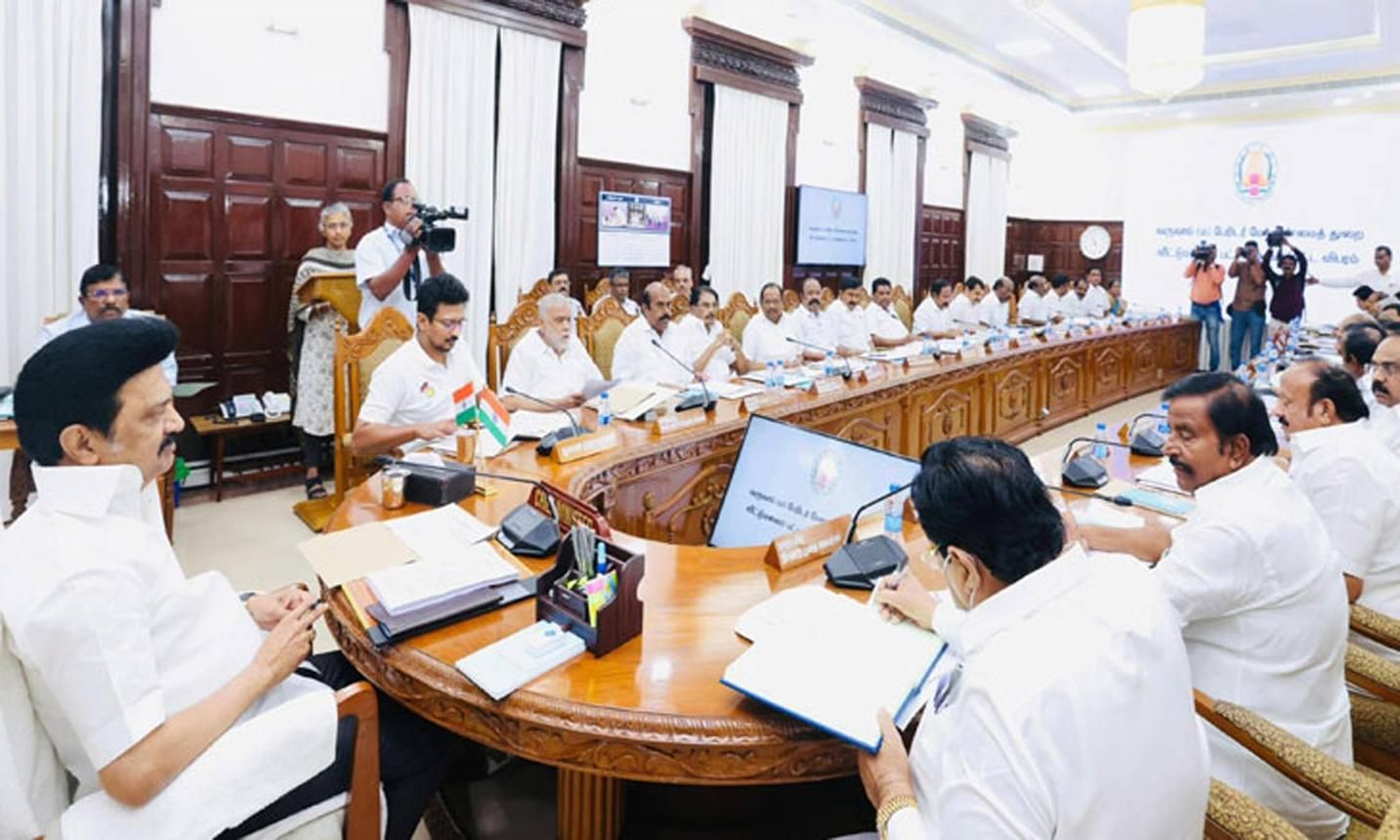
The Tamil Nadu Cabinet is structured to address the diverse needs of a population exceeding 75 million. The recent changes reflect a three-pronged strategy: administrative consolidation, political succession planning, and sectoral specialization. The Chief Minister, M.K. Stalin, retains the crucial Home, General Administration, and Special Program Implementation departments, ensuring centralized control over law and order and the monitoring of flagship schemes.
The Elevation of the Deputy Chief Minister
The appointment of Udhayanidhi Stalin as Deputy Chief Minister is the most significant development in the recent reshuffle. By holding the Youth Welfare and Sports Development portfolio alongside added responsibilities in Planning and Development, the move formalizes his role in the government hierarchy. This transition is viewed by political analysts as a step toward ensuring leadership continuity. Similar to the analysis found in R. Leema Rose: A Strategic Analysis of Political Leadership, the focus remains on building a robust secondary leadership tier that can manage both legislative duties and party organizational goals.
Economic and Industrial Leadership
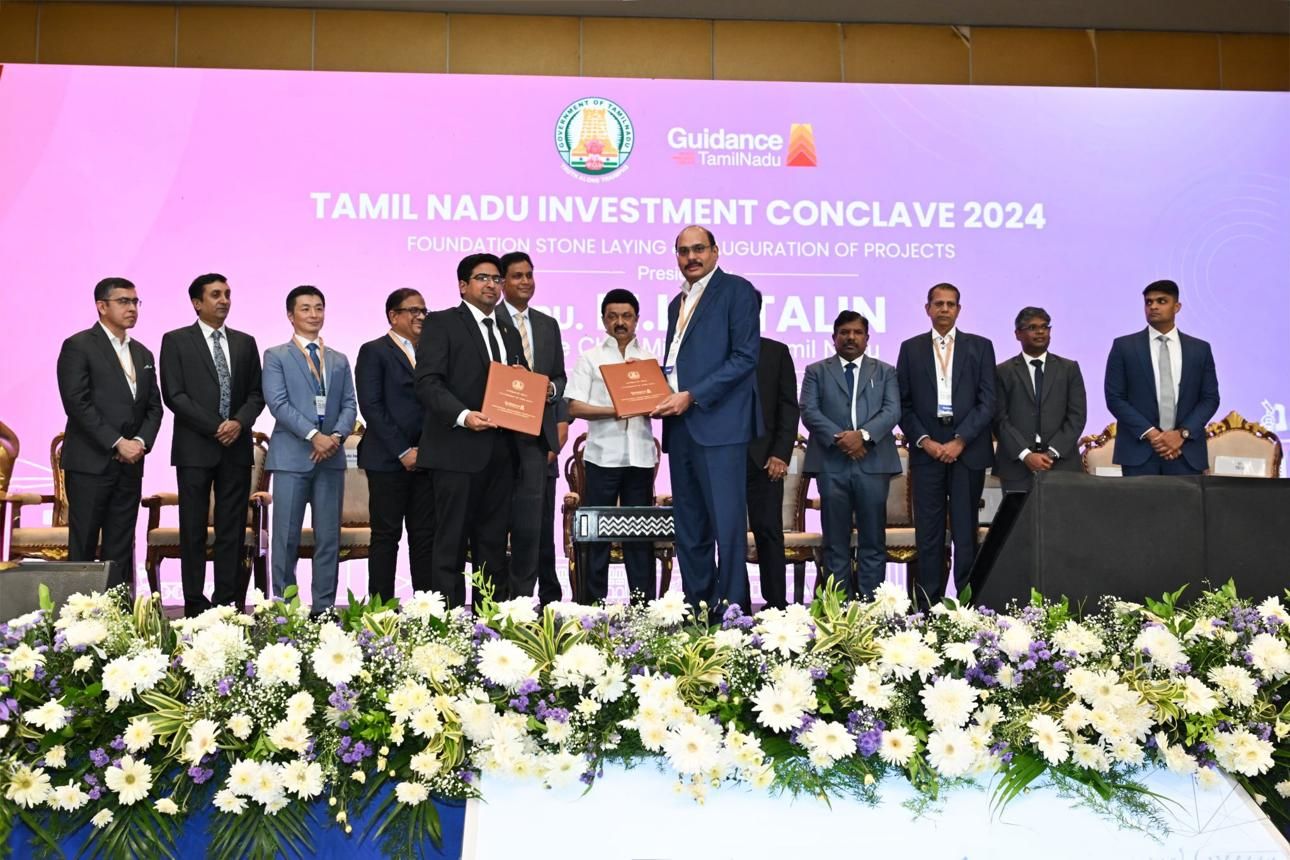
The Industries, Investment Promotion, and Commerce portfolio remains under TRB Rajaa, a move that signals stability to global investors. Tamil Nadu currently contributes nearly 9 percent to India's GDP and is a hub for the Electronics System Design and Manufacturing (ESDM) sector. The synergy between the Industries department and the Information Technology department is critical for maintaining the state's lead in high-tech manufacturing. For instance, the growth of firms in the region mirrors the broader trends discussed in Kaynes Technology: A Strategic Analysis of India's ESDM Leader, where localized manufacturing ecosystems are becoming the backbone of national industrial strength.
The Return of Senthil Balaji and Energy Security
V. Senthil Balaji has returned to the cabinet, reclaiming the Electricity, Prohibition, and Excise portfolios. This is a strategic move given his previous experience in managing the state power utility, TANGEDCO. The energy sector is a critical pillar for Tamil Nadu, which leads India in installed renewable energy capacity. Managing the transition from coal-heavy power generation to green energy requires significant capital expenditure and administrative oversight. The government's ability to provide 24/7 quality power is essential for the burgeoning industrial corridors in Chennai, Coimbatore, and Hosur.
Finance and Social Welfare Allocations
The Finance portfolio, led by Thangam Thennarasu, faces the challenge of balancing fiscal responsibility with the state's extensive social safety nets. Tamil Nadu's welfare model, often referred to as the Dravidian Model, involves high spending on education, nutrition, and public health. Recent data indicates that the state has successfully reduced its fiscal deficit while increasing capital expenditure. Key departments such as School Education and Higher Education continue to receive substantial budgetary allocations, reflecting the state's commitment to maintaining its high Human Development Index (HDI) ranking, which is currently among the top in India.
WHAT THIS MEANS FOR YOU: Impact on the Citizen and Investor
For the average citizen and the professional investor, the cabinet portfolio allocation serves as a roadmap for the state's priorities. Here is a breakdown of the practical implications:
- Administrative Continuity: The retention of key ministers in Finance and Industries suggests that existing policies and investment MoUs will proceed without disruption.
- Service Delivery: The focus on the Special Program Implementation department means that grassroots level schemes like the Kalaignar Magalir Urimai Thogai (women's basic income scheme) will see stricter monitoring and better delivery.
- Infrastructure Development: With a renewed focus on Urban Development and Public Works, residents in Tier 2 and Tier 3 cities can expect increased investment in civic infrastructure and connectivity.
- Business Climate: The stability in the IT and Industries departments provides a predictable environment for multinational corporations looking to de-risk their supply chains from other global markets.

Expert Verdict / Future Outlook
The current Tamil Nadu Cabinet is one of the most educationally qualified and administratively experienced in the state's history. The strategic allocation of portfolios suggests a shift from traditional populism toward a data-driven governance model. Experts believe that the next 24 months will be crucial as the state prepares for the 2026 elections. The success of this cabinet will be measured by its ability to manage the state debt, which stands at over 7 lakh crore rupees, while simultaneously driving industrial growth and maintaining social harmony. The integration of technology in governance and the focus on decentralizing industrial growth to southern districts will likely be the defining features of this administration's legacy.
FAQ
1. How many ministers are there in the Tamil Nadu Cabinet?
The Tamil Nadu Cabinet currently consists of 35 ministers, including the Chief Minister. This is the maximum number allowed under the 91st Amendment of the Constitution, which limits the size of the council of ministers to 15 percent of the total strength of the Legislative Assembly.
2. What are the primary responsibilities of the Deputy Chief Minister?
The Deputy Chief Minister, Udhayanidhi Stalin, oversees Youth Welfare and Sports Development, as well as Planning, Development, and Special Initiatives. He also assists the Chief Minister in coordinating various government departments and monitoring the implementation of major projects.
3. Why was the Finance portfolio not changed in the recent reshuffle?
Maintaining Thangam Thennarasu in the Finance portfolio ensures fiscal continuity. Since he took over from P.T.R. Palanivel Thiagarajan, the focus has been on implementing the state's revenue-enhancing measures and managing the budget for large-scale welfare programs.
4. Which department is responsible for the 1 trillion dollar economy goal?
While the goal is a collective effort, the Department of Industries, Investment Promotion, and Commerce, led by TRB Rajaa, is the primary driver. It works in coordination with the Finance and IT departments to attract foreign direct investment and boost domestic manufacturing.
5. How does the cabinet address the needs of the rural population?
Rural needs are addressed through the Rural Development and Panchayat Raj department, which focuses on village infrastructure, sanitation, and the Mahatma Gandhi National Rural Employment Guarantee Scheme (MGNREGS). Additionally, the Agriculture and Farmers Welfare department manages crop insurance and irrigation projects.
Conclusion
The Tamil Nadu Cabinet portfolio allocation is a strategic masterstroke that balances political necessity with the demands of a modern, industrial economy. By placing experienced hands in charge of core economic sectors and elevating younger leadership to oversee planning and development, the government has positioned itself to tackle the challenges of the coming years. The focus on administrative efficiency and fiscal discipline will be the key determinants of whether Tamil Nadu can achieve its ambitious economic targets while maintaining its status as a leader in social welfare.





Comments 0
Leave a Reply
Your email address will not be published. Required fields are marked *
Be the first to share your thoughts!