
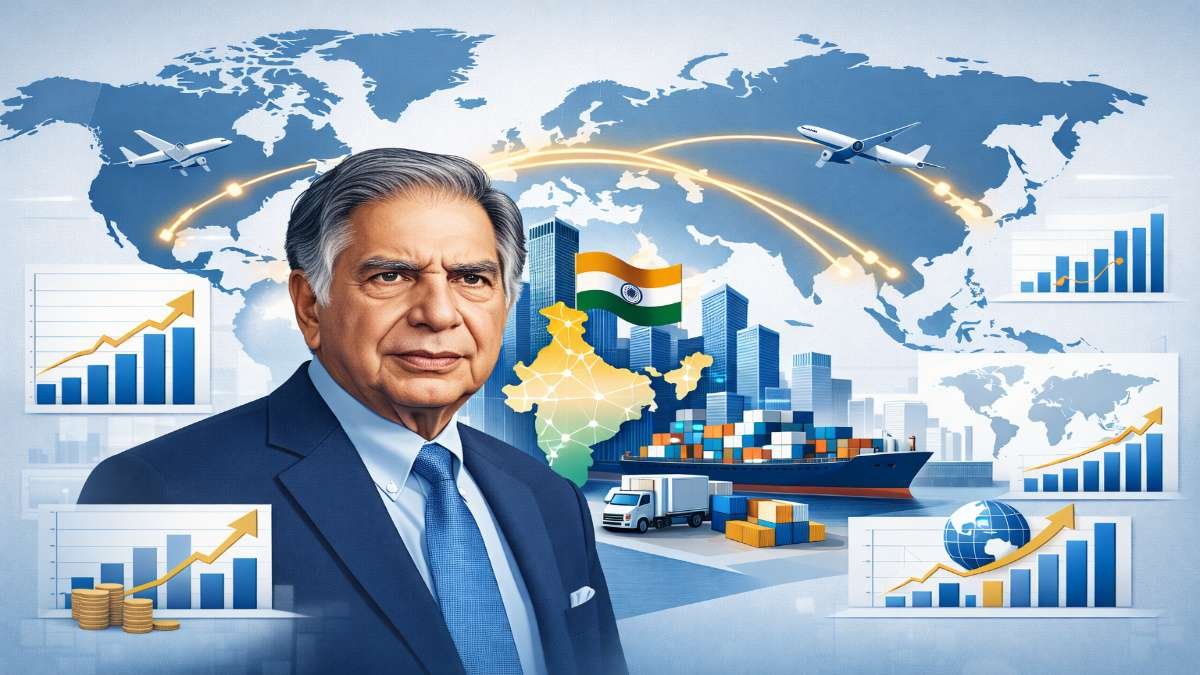
💡 Tata Steel: Strategic Analysis of Global Market Leadership
A comprehensive strategic analysis of Tata Steel's global operations, financial health, and transition toward sustainable green steel production.
Executive Summary
Tata Steel stands as a cornerstone of the global industrial landscape, representing one of the most geographically diversified steel producers in the world. With an annual crude steel capacity of approximately 35 million tonnes per annum (MTPA), the company has transitioned from a regional Indian powerhouse to a dominant global entity. Key findings of this analysis include the company's robust vertical integration in its Indian operations, which provides a significant cost advantage, and its aggressive pivot toward decarbonization in its European assets. Financially, Tata Steel continues to demonstrate resilience, with India operations consistently delivering industry-leading EBITDA margins of 20 percent to 25 percent, while navigating the structural shifts and high energy costs impacting its United Kingdom and Netherlands divisions.
Introduction: The Backbone of Global Infrastructure
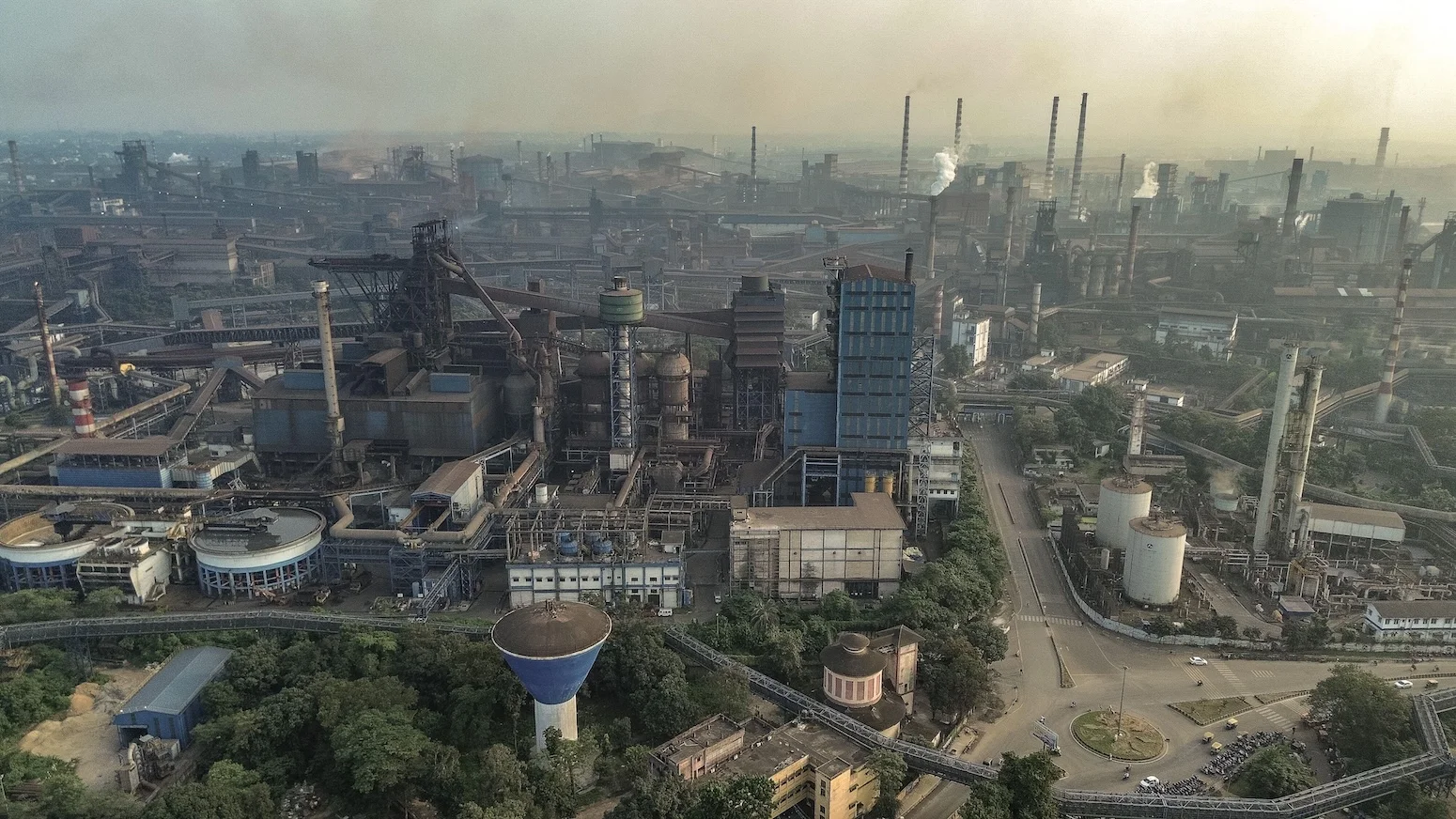
Established in 1907 as Asia's first integrated private steel company, Tata Steel has evolved into a global titan with operations in 26 countries and a commercial presence in over 50. The company is not merely a manufacturer; it is a strategic asset for the Indian economy and a critical player in the European industrial supply chain. The steel industry is often viewed as a proxy for economic health, and Tata Steel’s performance reflects broader trends in urbanization, infrastructure development, and the global transition to a low-carbon economy. As the world moves toward 2030 sustainability goals, Tata Steel is repositioning itself through massive capital expenditure in Electric Arc Furnaces (EAF) and hydrogen-based steelmaking, ensuring its relevance in a green-conscious market.
The Deep Dive: Operational Excellence and Strategic Moats
The primary competitive advantage for Tata Steel lies in its vertical integration within India. The company owns and operates captive iron ore mines that meet 100 percent of its requirements for its domestic plants. This self-sufficiency insulates the firm from the volatility of global commodity prices. In contrast, many global competitors must rely on merchant ore, which fluctuates based on Chinese demand and Australian supply cycles. This structural advantage is a key reason why Tata Steel India remains one of the most profitable steel producers globally.
In terms of regional growth, the expansion of the Kalinganagar facility in Odisha is a pivotal strategic move. Phase II of this expansion aims to increase capacity from 3 MTPA to 8 MTPA, focusing on high-end value-added products for the automotive and engineering sectors. This aligns with broader industrial trends seen in other hubs, such as the growth of Hyderabad as a center for high-tech manufacturing and logistics. By increasing its domestic capacity, Tata Steel is positioning itself to capture the surge in Indian steel demand, which is projected to grow at a Compound Annual Growth Rate (CAGR) of 7 percent through 2030.
European Restructuring and the Green Transition
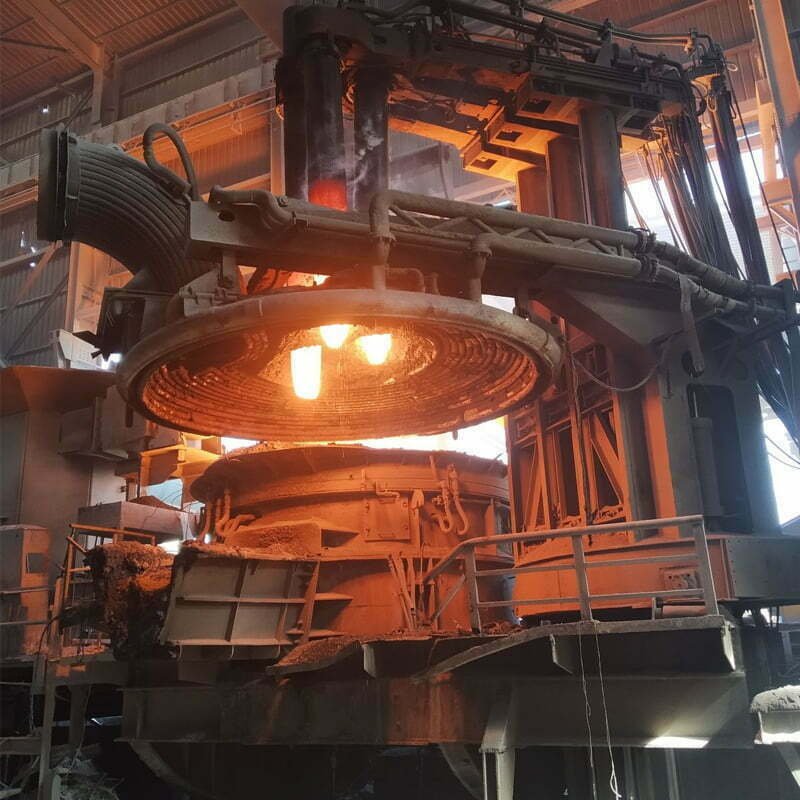
The European operations, specifically Tata Steel UK and Tata Steel Netherlands, present a different set of strategic challenges and opportunities. The UK operations at Port Talbot are currently undergoing a massive transformation. The company is transitioning from traditional, carbon-intensive blast furnaces to more efficient Electric Arc Furnaces. This shift is supported by a 500 million GBP grant from the UK government, part of a 1.25 billion GBP investment project. This move is essential to meet the European Union's Carbon Border Adjustment Mechanism (CBAM) requirements and to reduce the company's overall carbon footprint.
Technological innovation is another pillar of the company's strategy. Tata Steel has been a pioneer in implementing Industry 4.0 solutions, utilizing artificial intelligence and machine learning to optimize furnace temperatures and reduce waste. These advancements in industrial engineering have led to a 5 percent to 10 percent improvement in energy efficiency across several production lines. Furthermore, the development of HIsarna technology in the Netherlands represents a potential breakthrough in carbon capture, as it allows for the direct processing of iron ore fines and coal without the need for sintering or coking, reducing CO2 emissions by up to 20 percent even before carbon capture is applied.
Geopolitical and Policy Impacts
The steel industry is highly sensitive to government policy and trade regulations. In India, the company benefits from the Production Linked Incentive (PLI) scheme for specialty steel, which encourages the manufacturing of high-grade steel that was previously imported. Regional policies also play a role; for instance, the West Bengal government policy regarding land and industrial incentives impacts the operational efficiency of older plants like the one in Kharagpur. Globally, the imposition of anti-dumping duties and safeguard measures by various nations continues to shape the competitive landscape, forcing Tata Steel to focus on localized production and high-margin specialty products rather than bulk commodities.
What This Means for You
- For Investors: Tata Steel offers a unique mix of high-margin domestic growth and a high-risk, high-reward turnaround story in Europe. The focus on reducing net debt (currently around 77,000 Crore INR) is a positive signal for long-term value creation.
- For Industry Professionals: The shift toward Green Steel means that skills in sustainable engineering and carbon management will be in high demand. The company is setting the benchmark for how traditional heavy industry can adapt to environmental regulations.
- For the General Public: As a major employer and CSR leader, Tata Steel’s stability affects the socio-economic health of entire regions, particularly in Eastern India. Its commitment to community development remains a core part of its brand equity.
Expert Verdict / Future Outlook
The future of Tata Steel is inextricably linked to its ability to decarbonize without eroding its profit margins. In India, the path is clear: scale up to 40 MTPA by 2030 and maintain cost leadership through vertical integration. In Europe, the success of the EAF transition at Port Talbot will determine the company's viability in the Western market. Industry experts suggest that if Tata Steel can successfully navigate the next three years of heavy capital expenditure in the UK while maintaining its Indian growth trajectory, it will emerge as the global leader in sustainable steel production. The long-term outlook remains positive, driven by India's infrastructure boom and the global demand for responsibly sourced industrial materials.
FAQ
Is Tata Steel the largest steel producer in India?
While Tata Steel is one of the largest and oldest, JSW Steel currently holds a slightly higher domestic capacity. However, Tata Steel is often considered the most profitable on a per-tonne basis due to its iron ore mines.
What is Green Steel and why is Tata Steel investing in it?
Green Steel refers to steel produced with minimal carbon emissions, often using hydrogen or electricity instead of coal. Tata Steel is investing in it to comply with global environmental regulations and to cater to automotive clients who require low-carbon supply chains.
How does the UK government support Tata Steel?
The UK government has pledged 500 million GBP to support the transition of the Port Talbot plant to Electric Arc Furnaces, aimed at preserving jobs and reducing national carbon emissions.
What are the main risks for Tata Steel?
Key risks include volatility in coking coal prices, global economic slowdowns reducing steel demand, and the high execution risk associated with the technological transition in its European plants.
Does Tata Steel pay dividends?
Yes, Tata Steel has a consistent history of paying dividends to its shareholders, though the payout ratio can vary based on capital expenditure requirements and net profit levels.
Important Note: Financial Disclaimer: This content is for educational purposes only and does not constitute professional financial advice. Always consult with a certified financial planner before making investment decisions.
Conclusion
Tata Steel remains a formidable force in the global industrial sector. By balancing its high-margin Indian growth with a strategic environmental overhaul in Europe, the company is successfully navigating the complexities of modern manufacturing. Its commitment to technological innovation and vertical integration ensures that it will remain a central pillar of global infrastructure for decades to come.




Comments 0
Leave a Reply
Your email address will not be published. Required fields are marked *
Be the first to share your thoughts!