
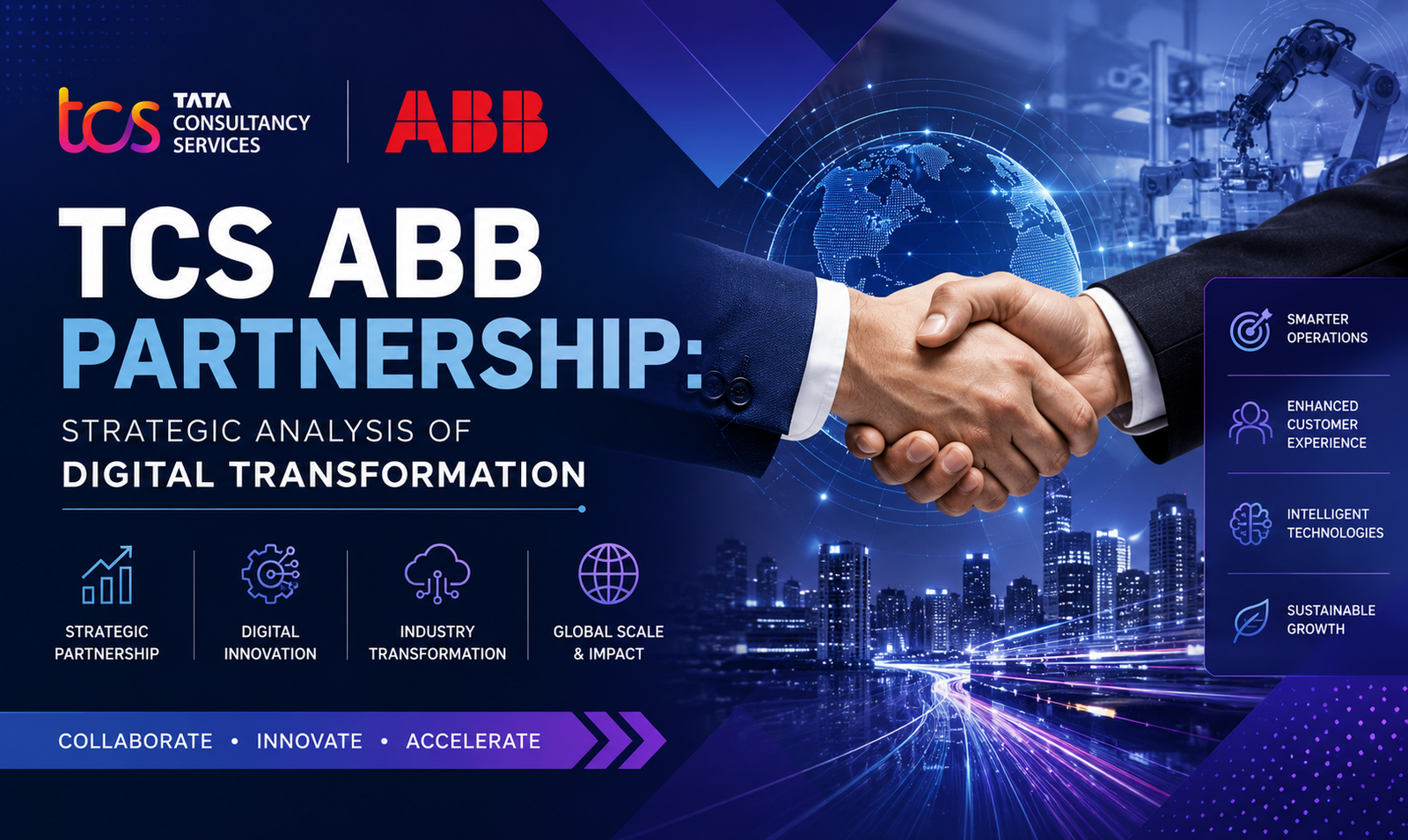
💡 TCS ABB Partnership: Strategic Analysis of Digital Transformation
An in-depth analysis of the strategic partnership between Tata Consultancy Services and ABB, focusing on industrial automation and IT modernization.
Executive Summary
The strategic partnership between Tata Consultancy Services (TCS) and ABB represents one of the most significant collaborations in the industrial technology sector. This alliance centers on accelerating ABB’s digital transformation journey, shifting from legacy infrastructure to a cloud-first, agile operating model. Key data highlights include a projected reduction in operational costs by 20 percent through the implementation of the TCS Machine First Delivery Model (MFDM). Furthermore, the partnership supports ABB’s decentralized operating model, known as the ABB Way, which governs over 100,000 employees across 100 countries. By leveraging TCS’s cognitive business operations, ABB aims to enhance its competitive edge in electrification, motion, and process automation.
Introduction: The Convergence of IT and OT
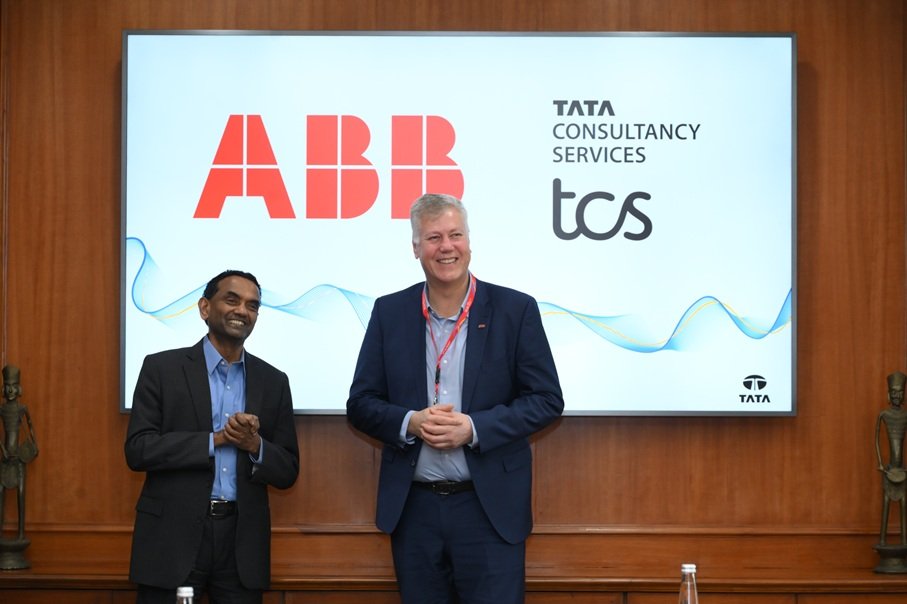
In the current industrial landscape, the bridge between Information Technology (IT) and Operational Technology (OT) has become the primary battleground for efficiency. The partnership between TCS, a global leader in IT services, and ABB, a Swiss-Swedish pioneer in electrification and automation, is a response to this shift. This relationship is not merely a vendor-client arrangement but a strategic alignment designed to foster innovation in sustainable technology. As global markets fluctuate, understanding these corporate synergies is as vital as monitoring Stock Market Trends: Strategic Analysis of Global Equities to gauge long-term industrial health.
ABB’s requirement for a robust, scalable, and secure digital core led to the selection of TCS as a primary partner. The objective is to modernize the workplace experience and provide a standardized service delivery framework that accommodates ABB’s diverse business units. This analysis explores the technical architecture, financial implications, and strategic outcomes of this ongoing collaboration.
THE DEEP DIVE: Strategic Pillars of the Partnership
1. Infrastructure Modernization and Cloud Migration
The core of the TCS ABB partnership lies in the modernization of ABB’s vast IT estate. TCS has been tasked with managing the global service desk, on-site support, and digital workplace services. By migrating legacy on-premise workloads to public cloud environments, ABB gains the elasticity required to respond to market demands. This transition is supported by TCS Cognix, an AI-driven human-machine collaboration suite. According to industry reports, such cloud-native transformations can lead to a 30 percent improvement in system uptime and a significant reduction in energy consumption within data centers.
2. Implementing the Machine First Delivery Model (MFDM)
TCS utilizes its proprietary MFDM framework to automate routine IT tasks at ABB. This approach prioritizes machines over humans for repetitive processes, allowing the human workforce to focus on high-value innovation. In the context of industrial automation, this mirrors the hardware advancements seen in other sectors, such as those analyzed in the Pixel 11 Pro: Strategic Analysis of Google AI Hardware. For ABB, MFDM translates to faster ticket resolution, predictive maintenance of IT assets, and a self-healing infrastructure that minimizes business disruptions.
3. Cybersecurity and Global Resilience
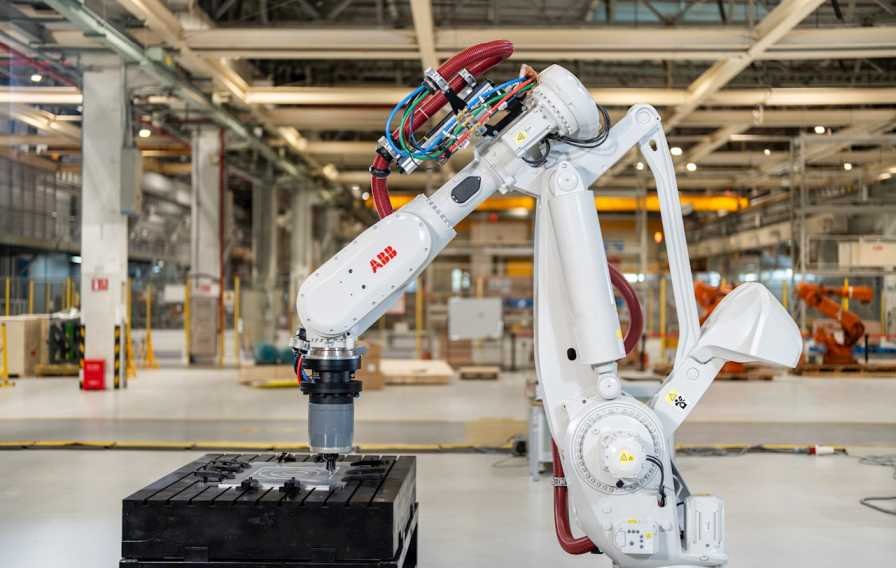
With operations spanning over 100 countries, ABB faces complex cybersecurity threats. TCS provides a unified security operations center (SOC) that monitors ABB’s network 24/7. This includes identity and access management, threat intelligence, and vulnerability assessments. The partnership ensures that ABB remains compliant with varying international data protection regulations, such as GDPR in Europe and various cybersecurity frameworks in North America and Asia. This level of security is foundational for critical infrastructure projects, similar to those discussed in the Laser Power and Infra IPO GMP: Strategic Market Analysis, where digital integrity is paramount.
4. Supporting the ABB Way Operating Model
The ABB Way is a decentralized management model that empowers individual business divisions to act with the speed of an agile startup while retaining the scale of a multinational corporation. TCS supports this by providing a modular IT service catalog. Instead of a one-size-fits-all approach, TCS offers tailored solutions for ABB’s Electrification, Motion, Process Automation, and Robotics & Discrete Automation divisions. This flexibility is crucial for ABB to maintain its market leadership, particularly as the demand for electric vehicle infrastructure and automated supply chains surges.
WHAT THIS MEANS FOR YOU
- For Investors: The partnership signals long-term stability and a commitment to margin expansion through operational efficiency. ABB’s reduced IT overhead contributes directly to improved EBITDA margins.
- For Industry Professionals: It highlights the necessity of upskilling in AI and cloud technologies. The shift toward automated IT operations means that technical roles are evolving toward strategic system orchestration.
- For the Manufacturing Sector: This sets a benchmark for digital twin integration and IoT adoption. Companies that follow this blueprint are likely to see higher productivity and lower carbon footprints.
- For Customers: Improved back-end efficiency at ABB leads to faster product cycles and more reliable digital service offerings, particularly in smart building and smart factory applications.
Expert Verdict / Future Outlook
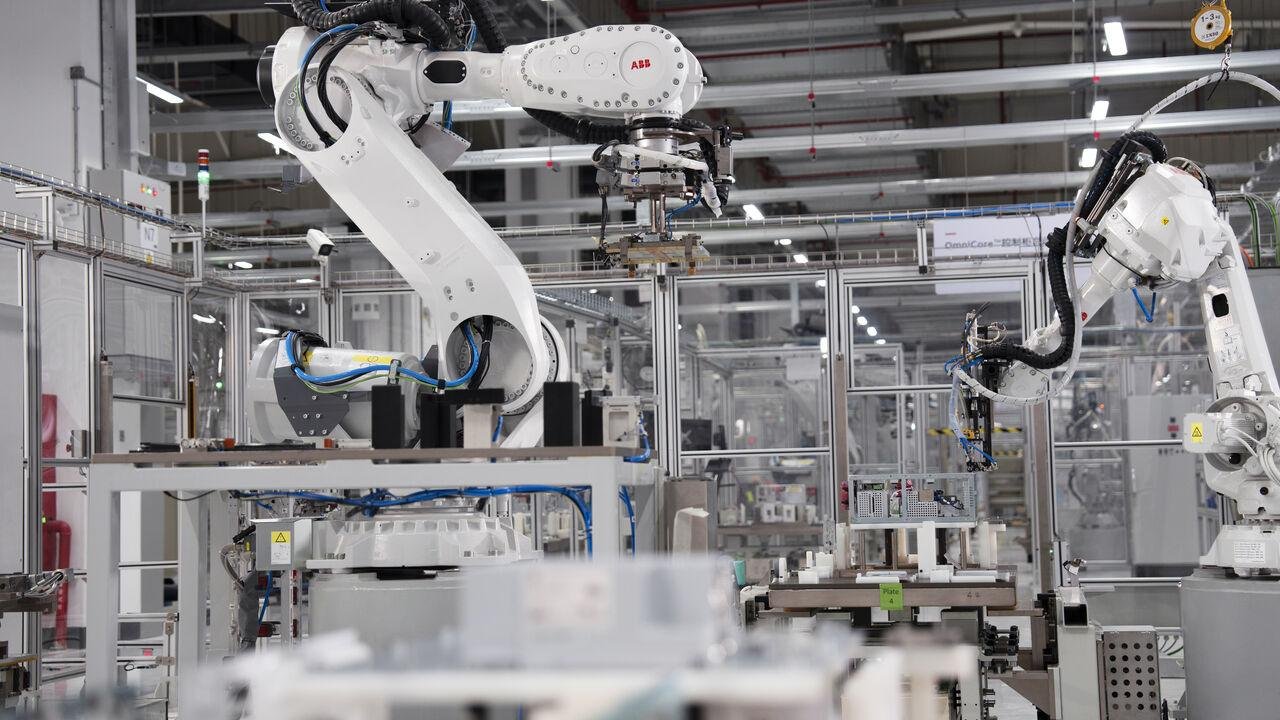
The TCS ABB partnership is a masterclass in large-scale organizational change. From an expert perspective, the success of this alliance hinges on its ability to integrate emerging technologies like Generative AI into the industrial workflow. We anticipate that the next phase of this partnership will focus on Industrial Metaverse applications, where TCS will help ABB create virtual replicas of entire factories for real-time simulation and optimization.
The financial consensus suggests that ABB’s digital-first strategy will allow it to outpace competitors who remain tethered to monolithic, centralized IT structures. As TCS continues to refine its cognitive automation tools, the partnership will likely expand into joint go-to-market strategies, co-creating solutions for the energy transition and circular economy.
FAQ
What is the primary goal of the TCS ABB partnership?
The primary goal is to modernize ABB’s IT infrastructure, automate global service delivery, and support its decentralized operating model to drive efficiency and innovation in industrial automation.
How does TCS Cognix benefit ABB?
TCS Cognix uses AI and data analytics to provide a standardized, agile, and resilient digital workplace, helping ABB resolve IT issues faster and improve employee productivity across its global offices.
What is the significance of the ABB Way?
The ABB Way is a decentralized management philosophy that gives business divisions more autonomy. TCS supports this by providing flexible, division-specific IT services rather than a rigid, centralized structure.
How does this partnership impact sustainability?
By migrating to the cloud and optimizing IT operations, ABB reduces its physical data center footprint and energy consumption, aligning with its corporate goal of achieving carbon neutrality in its operations.
Is this a long-term agreement?
Yes, TCS and ABB have a long-standing relationship that has been renewed and expanded multiple times, reflecting a deep strategic commitment from both organizations to long-term digital evolution.
Important Note: Financial Disclaimer: This content is for educational purposes only and does not constitute professional financial advice. Always consult with a certified financial planner before making investment decisions.
Conclusion
The partnership between TCS and ABB is a cornerstone of modern industrial strategy. By successfully merging IT expertise with OT requirements, the two companies have created a blueprint for digital resilience. This collaboration not only optimizes ABB’s internal operations but also strengthens its position as a leader in the global transition toward sustainable and automated industrial ecosystems. As they move forward, the integration of AI and cloud-native architectures will remain the primary drivers of their shared success.





Comments 0
Leave a Reply
Your email address will not be published. Required fields are marked *
Be the first to share your thoughts!