
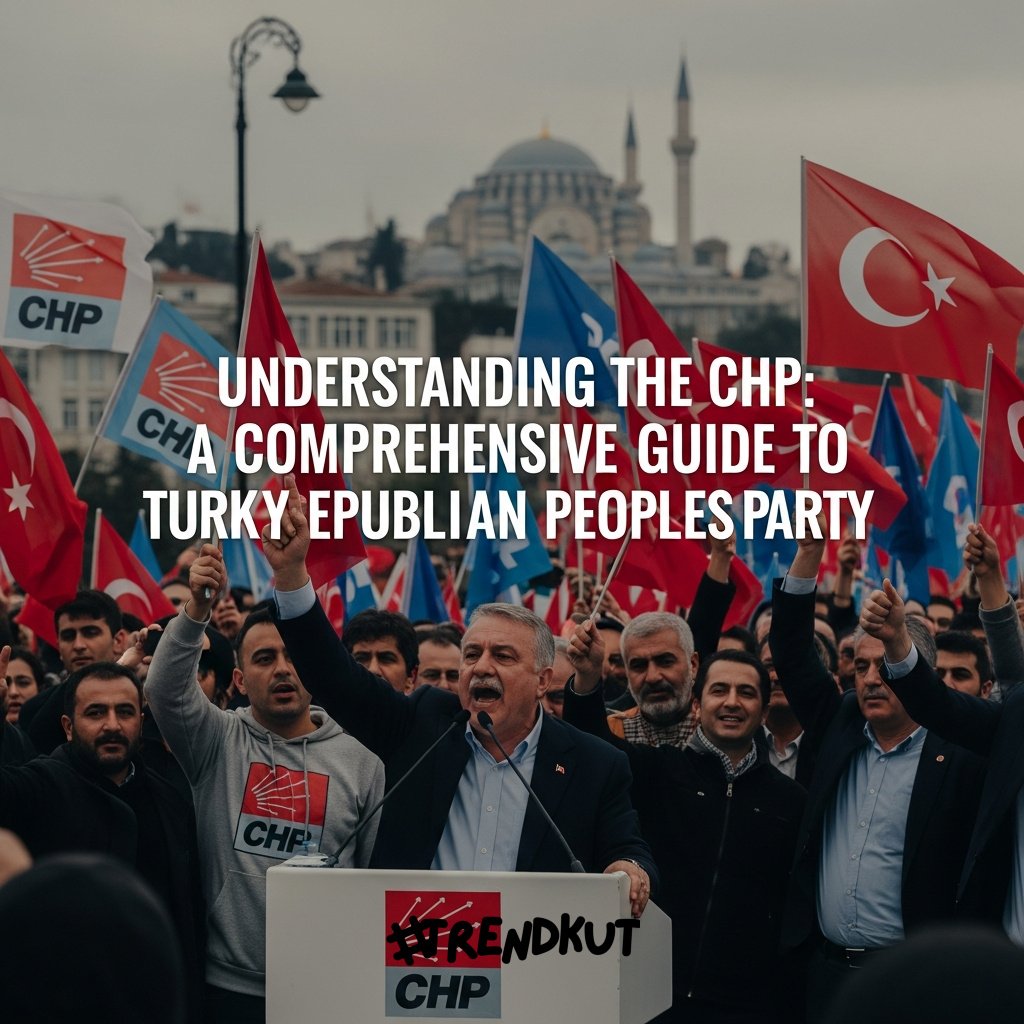
💡 Who is Chp?
Explore the history, ideology, and global significance of the CHP, Turkeys oldest political party and the founding movement of the modern republic.
The Republican Peoples Party, known globally by its Turkish acronym CHP (Cumhuriyet Halk Partisi), stands as one of the most significant political institutions in the Middle East and Europe. As the oldest political party in Turkey, the CHP is not merely a political organization but the very architect of the modern Turkish Republic. Founded by Mustafa Kemal Ataturk, the party has navigated through a century of transformation, evolving from a revolutionary movement into a modern social democratic force. Understanding the CHP is key to grasping Turkey’s politics, secular traditions, and its role in the Eastern Mediterranean.
Who is the founder of the CHP?
The history of the CHP is inseparable from the life of Mustafa Kemal Ataturk, the first President of Turkey. Established on September 9, 1923, the party was born out of the Association for the Defense of the Rights of Anatolia and Rumelia, a resistance group that fought for independence following the collapse of the Ottoman Empire. Ataturk created the CHP to implement his vision of a secular, democratic, and modern Turkey.
Under the leadership of Ataturk and his successor, Ismet Inonu, the party governed Turkey as a single-party state until 1946. During this era, the CHP implemented massive reforms, including the adoption of the Latin alphabet, the granting of full suffrage to women, and the establishment of a secular legal code. Political science experts note that this period was foundational in creating the national identity that exists in Turkey. The party transitioned the country into a multi-party democracy in the mid-1940s, a move that is often cited as a rare example of a single-party regime voluntarily opening the floor to political competition.
What are the Six Arrows of the CHP?
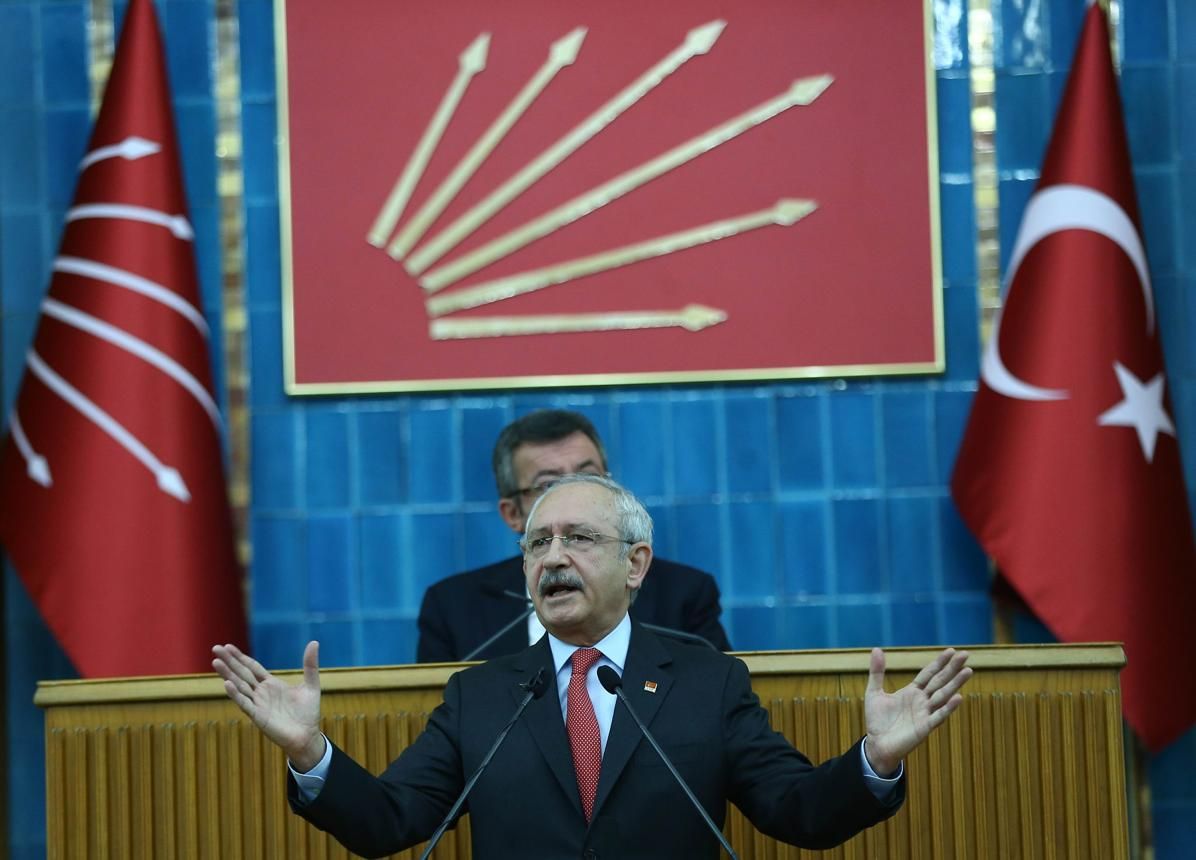
The ideology of the CHP is encapsulated in its famous logo, which features six white arrows on a red background. These arrows represent the core principles of Kemalism, the founding philosophy of the Turkish Republic. Each arrow signifies a pillar of the party's platform and the state's structural foundation.
- Republicanism: This principle emphasizes that sovereignty belongs unconditionally to the people. It rejects any form of monarchy or hereditary rule, focusing on the constitutional representative system.
- Nationalism: Unlike ethnic nationalism, the Kemalist version focuses on civic nationalism. It aims to unite all citizens under a common national identity regardless of their ethnic or religious background.
- Populism: This arrow represents social equality and the rejection of class privileges. It suggests that the government should work for the benefit of the entire population, not just a specific elite or interest group.
- Statism: Historically, this referred to the state's role in guiding the economy and establishing industries where private capital was insufficient. In the modern era, this has evolved into a support for a regulated market economy with a strong social safety net.
- Secularism: Also called Laicism, this is the most debated principle. It separates state and religion, ensuring government neutrality toward all faiths.
- Reformism: This principle advocates for continuous modernization and the willingness to replace traditional institutions with contemporary ones to ensure the nation keeps pace with global progress.
How does the CHP function in modern Turkish politics?
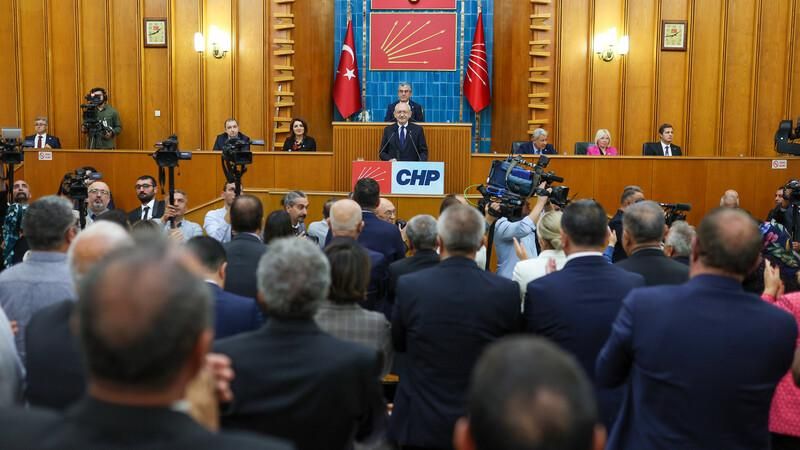
In the current political climate, the CHP serves as the main opposition party in the Grand National Assembly of Turkey. While it maintains its Kemalist roots, it has significantly shifted toward a social democratic orientation. According to political analysts, the CHP is a member of the Socialist International and an associate member of the Party of European Socialists.
The party's modern strategy focuses on social justice, economic equality, and the rule of law. Experts note that the CHP has achieved notable success in municipal governance. By governing major metropolitan areas such as Istanbul, Ankara, and Izmir, the party has demonstrated its ability to manage large-scale urban infrastructure while implementing social programs aimed at poverty reduction and public health. This local governance is often seen as a testing ground for the party's national policy proposals.
What is the international significance of the CHP?
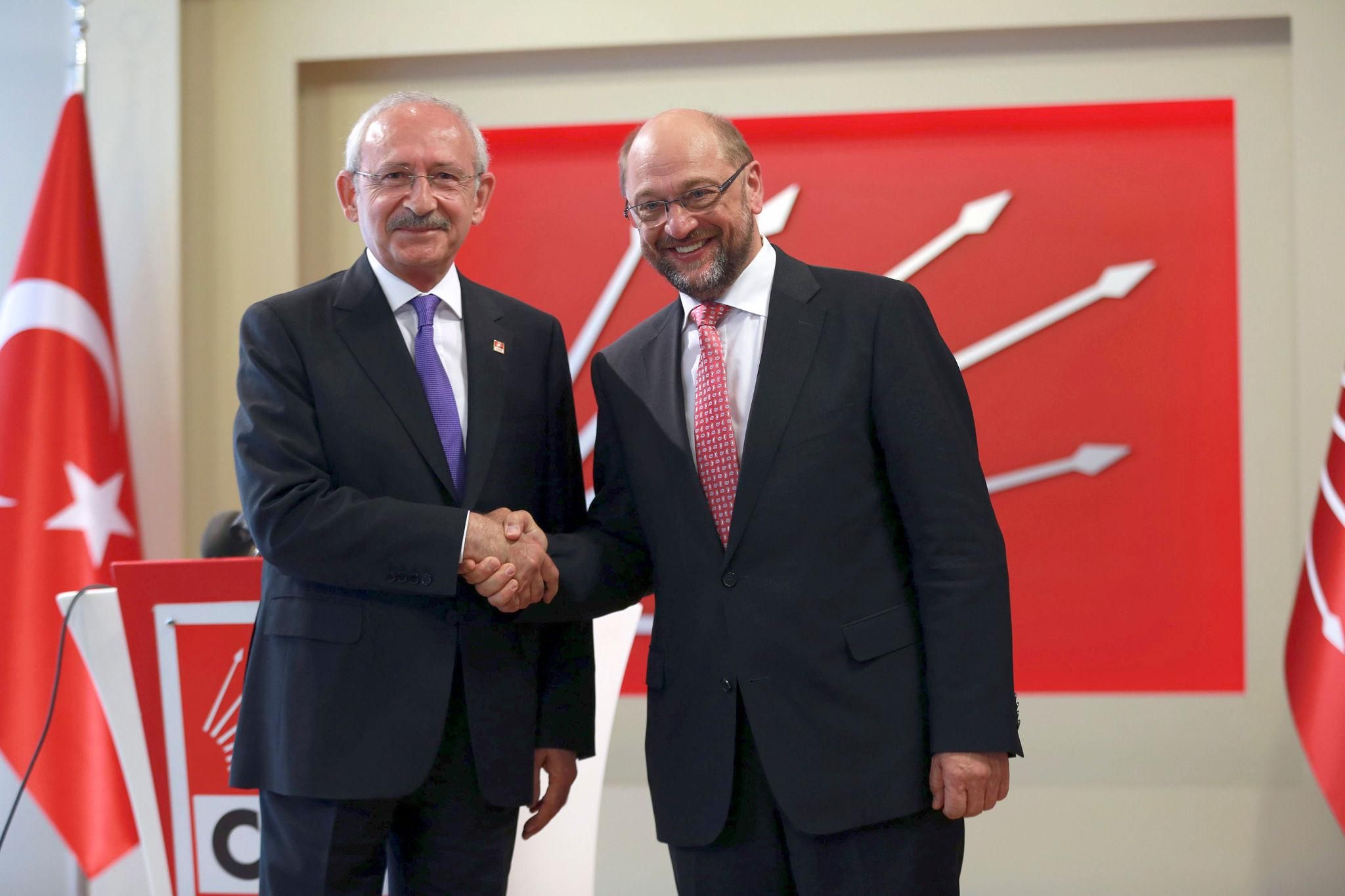
The CHP plays a crucial role in Turkey's relations with the West. Because of its commitment to secularism and Western-style democracy, international observers suggest that the party is often viewed by European and North American diplomats as a key partner for maintaining Turkey's alignment with international norms. The party advocates for Turkey's membership in the European Union and emphasizes the importance of the NATO alliance.
Furthermore, the CHP's stance on regional issues, such as the Syrian refugee crisis and Mediterranean maritime borders, often provides an alternative perspective to the ruling government's policies. Experts suggest that the CHP's approach to foreign policy tends to emphasize traditional diplomacy and the principle of peace at home, peace in the world, a famous motto coined by Ataturk.
What are the common challenges faced by the party?
Despite its long history, the CHP faces several internal and external challenges. One common criticism from political analysts is the difficulty of balancing its traditional Kemalist base with a broader, more diverse electorate. To win national elections, the party must appeal to conservative voters, Kurdish minorities, and the youth, groups that sometimes have conflicting expectations.
Another challenge is the internal debate regarding leadership and party structure. Like many long-standing political institutions, the CHP occasionally experiences internal friction between its more traditionalist wing and its reformist, social-democratic wing. However, the party has shown resilience by forming broad alliances with other opposition groups, demonstrating a pragmatic approach to modern coalition building.
Pro Tips for Understanding Turkish Political Dynamics
To truly grasp the role of the CHP, one must look beyond the headlines. Here are some insights from experts in Middle Eastern studies:
- Look at Local Governance: The way the CHP manages cities like Istanbul provides a better blueprint of their potential national governance than their parliamentary speeches alone.
- Study the Six Arrows: Understanding these principles helps explain why the party takes certain stances on education and law.
- Follow International Affiliations: The CHP's participation in the Socialist International shows its desire to be seen as a modern European-style social democratic party.
- Contextualize Secularism: Remember that secularism in the CHP context is about protecting the state from religious interference and vice versa, which is a nuanced position in a majority-Muslim country.
Frequently Asked Questions
Who can join the CHP?
Any Turkish citizen who is over the age of 18 and agrees with the party's program and bylaws can apply for membership. The party has various branches, including youth and women's wings, to encourage diverse participation.
Is the CHP a socialist party?
While the CHP is a member of the Socialist International, it is more accurately described as a social democratic and Kemalist party. It supports a mixed economy and social welfare but does not advocate for the abolition of private property or traditional socialist revolution.
What is the significance of the city of Izmir for the CHP?
Izmir is often referred to as the stronghold of the CHP. It is one of the most secular and Western-oriented cities in Turkey, and the party has consistently won elections there for decades, making it a symbol of the party's core values.
How does the CHP view the European Union?
The CHP generally supports Turkey's accession to the European Union. They argue that the reforms required for EU membership, such as improving human rights and the rule of law, are beneficial for Turkey regardless of the final outcome of the membership bid.
What is the role of the party leader?
The Chairman of the CHP is elected by party delegates at a national convention. The leader is responsible for setting the party's political agenda, representing the party in parliament, and leading election campaigns.
Conclusion
The CHP remains a cornerstone of the Turkish political identity, bridging the gap between the nation's revolutionary past and its democratic future. By adhering to the foundational principles of Kemalism while embracing modern social democratic values, the party continues to influence the country's trajectory. As Turkey navigates complex domestic and international challenges, the CHP's role as the primary opposition and a guardian of secular democracy remains more relevant than ever.
Related Media
Quick View: Understanding the CHP: A Comprehensive Guide to Turkeys Republican Peoples Party





Comments 0
Leave a Reply
Your email address will not be published. Required fields are marked *
Be the first to share your thoughts!