
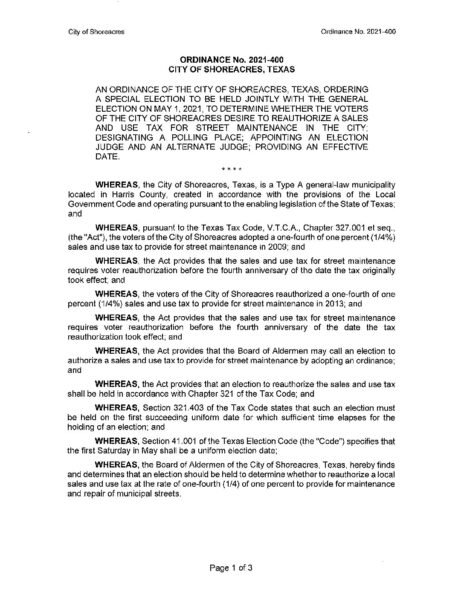
The Significance of the Election Order in Indian Democracy
In India, elections are conducted through a strict legal process governed by official notifications known as election orders. These orders mark the formal beginning of the election process and ensure that voting is carried out in a transparent, fair, and structured manner. Understanding how these orders work is essential for citizens to better understand how Indian democracy functions.
The foundation of this process lies in the Constitution of India and the Representation of the People Act. When we speak of an election order, we are often referring to the official notification issued by the President of India or the Governor of a State, acting on the recommendation of the Election Commission of India (ECI). This formal declaration sets the entire democratic machinery in motion. It is the definitive signal for the implementation of the Model Code of Conduct and the beginning of candidate nominations. [Link to: Model Code of Conduct Guidelines]
The Role of the Election Commission of India (ECI)
The Election Commission of India (ECI) is the constitutional authority responsible for conducting elections in India. It ensures that election orders are issued fairly, and that the entire electoral process is conducted without bias or political interference.
An election order issued by the ECI is a binding document. It outlines the timeline for filing nominations, the scrutiny of those nominations, and the last date for the withdrawal of candidatures. This structured approach prevents chaos and ensures that every stakeholder has a clear roadmap of the electoral cycle. The ECI also issues specific orders regarding the deployment of security forces and the appointment of electoral officers at various levels. [Link to: Role of District Election Officers]
Types of Election Orders and Notifications
There are several distinct types of orders that constitute the electoral process in India. Each serves a specific legal purpose and targets different groups of stakeholders. Understanding these distinctions is vital for anyone involved in the administrative side of the democratic process.
1. Statutory Notifications: These are the primary orders issued under the Representation of the People Act. They formally call upon the constituencies to elect members to the Lok Sabha or State Legislative Assemblies. Without this statutory order, the election process cannot legally begin.
2. Election Duty Orders: These are administrative orders issued to government employees. In India, the conduct of elections relies heavily on the civil service and teaching staff. According to industry reports, millions of government employees are drafted into election duty via these formal orders. These orders are legally mandatory, and non-compliance can lead to strict disciplinary action under the law.
3. Orders of Preference (Voting Systems): In specific elections, such as those for the Rajya Sabha or the President of India, the term order refers to the preference of the voter. India uses a system of Proportional Representation by means of a Single Transferable Vote. In this context, the voter marks their choices in an order of preference (1, 2, 3, and so on) rather than selecting a single candidate.

The Step-by-Step Process of Issuing an Election Order
The issuance of an election order follows a rigorous and verified protocol. It begins months before the actual polling date with the preparation and revision of electoral rolls. As per recent industry reports, the accuracy of these rolls is the first step in ensuring a valid election order.
First, the ECI conducts a thorough assessment of the security situation and administrative readiness across the region. Once satisfied, the commission recommends the election dates to the executive head (President or Governor). Following this, the official notification is published in the Gazette of India. This publication is the formal election order that triggers the start of the nomination process. [Link to: Candidate Nomination Process in India]
Second, the District Election Officers (DEO) issue local orders and public notices. These notices inform the local population about the locations of polling stations and the specific timings for voting. This localized order system ensures that even the most remote areas are integrated into the national democratic exercise.
The Legal Obligation of Election Duty Orders
For government servants in India, receiving an election duty order is a significant professional responsibility. These orders are issued under the authority of the ECI, and during the election period, these employees are considered to be on deputation to the Commission. Experts suggest that this legal framework is what allows the ECI to maintain control over a massive workforce without direct permanent employment.
The order specifies the role of the individual, whether as a Presiding Officer, Polling Officer, or Sector Magistrate. It also details the mandatory training sessions that the staff must attend. Failure to report for duty after receiving an election order is treated as a serious offense under Section 134 of the Representation of the People Act, 1951, which can result in fines or imprisonment. This shows how legally binding and important election orders are in ensuring smooth elections in India.

Benefits of a Structured Election Order System
A well-defined system for ordering elections provides several advantages that are crucial for a stable democracy. According to constitutional experts and Election Commission guidelines, the predictability of the Indian electoral process is a key factor in its success. The benefits include:
- Transparency: Every step of the order is documented and made public, reducing the chances of electoral fraud.
- Accountability: By issuing specific duty orders, the ECI can hold individual officers accountable for the conduct of polls in their respective areas.
- Legal Certainty: A formal notification provides a clear legal window for all electoral activities, including the filing of election petitions in court later on.
- Resource Management: Systematic orders allow for the efficient movement of Electronic Voting Machines (EVMs) and security personnel across the country.
Common Mistakes and Misconceptions
Despite the structured nature of the process, several misconceptions exist regarding how elections are ordered in India. One common mistake is the belief that the ruling government can unilaterally decide the election dates. In reality, while the government may suggest a window, the final authority to order the election schedule rests solely with the Election Commission of India.
Another misconception involves the election duty orders for employees. Many believe that certain personal reasons can easily exempt them from duty. However, the ECI guidelines are very strict, and exemptions are only granted in extreme medical cases or specific personal tragedies, verified by a medical board or high-ranking officials. [Link to: Election Duty Exemption Rules]
Pro Tips for Navigating Election Protocols
For candidates and political parties, staying ahead of the official election order is vital. Experts suggest maintaining a state of readiness at all times. This includes keeping nomination documents updated and ensuring that all financial records are in order, as the election order also activates strict expenditure monitoring by the ECI.
For voters, the pro tip is to regularly check the electoral rolls before the final order is issued. Once the election notification is published, there is a very limited window to make any changes to the voter list. Being proactive ensures that your right to vote is protected when the final election order is announced.
Frequently Asked Questions
What is the primary law governing election orders in India?
The primary laws are the Representation of the People Act, 1950, and the Representation of the People Act, 1951. These acts provide the legal framework for the preparation of rolls and the actual conduct of elections through formal orders.
Can an election order be challenged in court?
While the schedule and notification can be discussed, Article 329 of the Constitution bars courts from interfering in electoral matters once the process has been initiated by a notification. Any disputes can only be raised via an Election Petition after the results are declared.
Who issues the order for a by-election?
The Election Commission of India is responsible for ordering by-elections to fill vacancies in the Lok Sabha or State Assemblies, typically within six months of the vacancy occurring, unless the remaining term of the house is less than one year.
What happens if a government employee ignores an election duty order?
Ignoring or failing to comply with an election duty order is a criminal offense under the Representation of the People Act. It can lead to suspension from service, departmental inquiries, and potential prosecution.
How is the order of preference determined in Rajya Sabha elections?
In Rajya Sabha elections, voters (MLAs) use a proportional representation system. They mark their first, second, and third choices on the ballot paper. The order of these preferences determines how votes are transferred if a candidate reaches the required quota or is eliminated.
Conclusion
The election order process in India is a masterclass in administrative precision and legal clarity. From the constitutional mandate of the ECI to the individual duty orders sent to polling staff, every element is designed to uphold the democratic spirit. By understanding the various facets of how elections are ordered, citizens and officials can better contribute to a fair and transparent electoral environment. The systematic approach ensures that despite the massive scale of the country, the voice of every voter is heard in an organized and lawful manner.
The final takeaway for the reader is that a formal election order is the essential legal trigger that transforms democratic theory into a practical, transparent, and binding reality for the entire nation.





Comments 0
Leave a Reply
Your email address will not be published. Required fields are marked *
Be the first to share your thoughts!