

In a democratic system, the electoral roll (voter list) is one of the most important official records that determines who is eligible to vote in elections. It is an official record of every person who is entitled to cast a ballot in an election. While citizenship is the primary prerequisite for voting, it is a common misconception that being a citizen automatically grants one the right to participate in the polls. In reality, the legal necessity of being registered on the electoral roll is the gatekeeper of the democratic process. Without a name on this list, a citizen’s voice remains unheard at the ballot box.
The electoral roll is not a static document; it is a living entity that requires constant maintenance, updates, and verification. As populations shift, age, and move, the list must adapt to ensure that no eligible voter is disenfranchised and that no fraudulent entries compromise the integrity of the election. This article explores the complexities of the electoral roll, focusing on the Indian context while examining global trends and legal challenges that are currently shaping the future of voting rights.
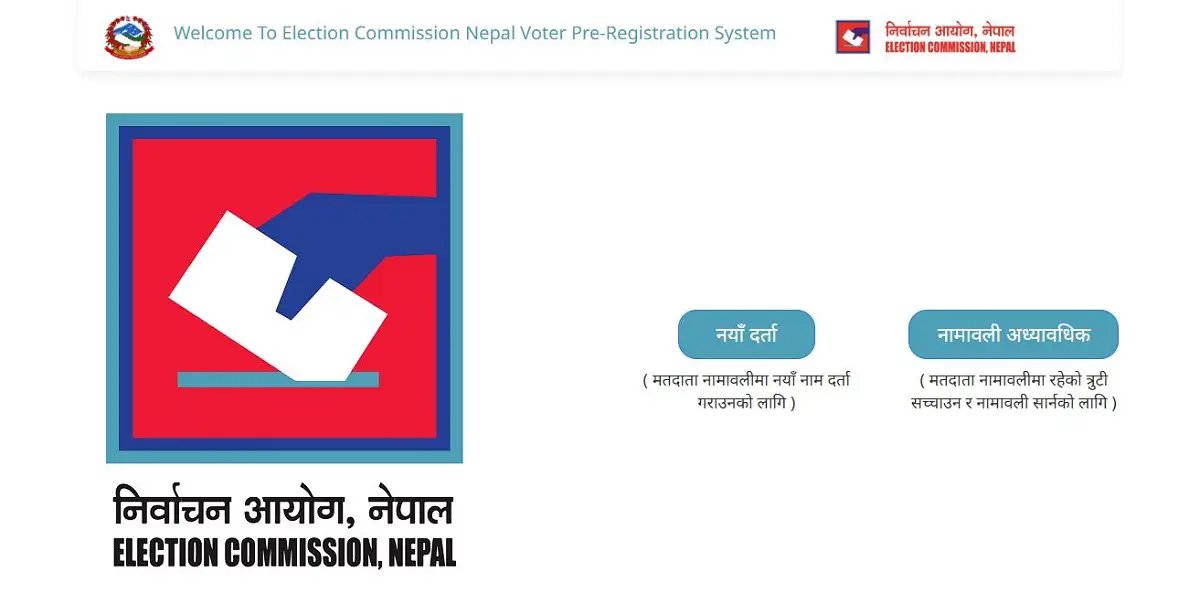
The Indian Context: Navigating the Voter List
In India, the responsibility for maintaining an accurate and inclusive electoral roll falls under the mandate of the Election Commission of India (ECI). Established under Article 324 of the Constitution, the ECI oversees one of the largest democratic exercises in human history. For an Indian citizen, ensuring their name is on the electoral roll is a proactive duty. The ECI conducts periodic revisions, but the onus often lies with the individual to verify their status, especially before major state or national elections.
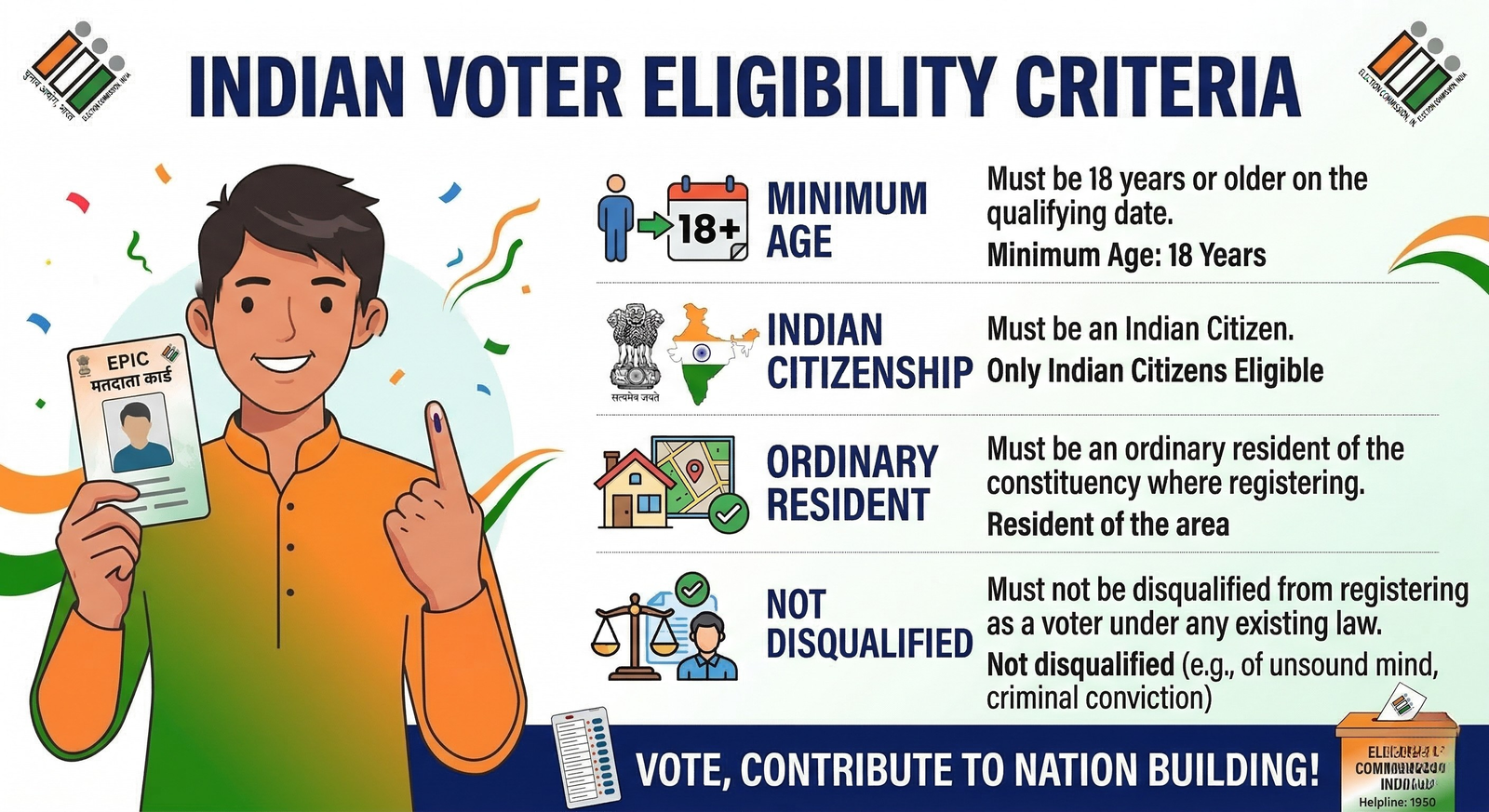
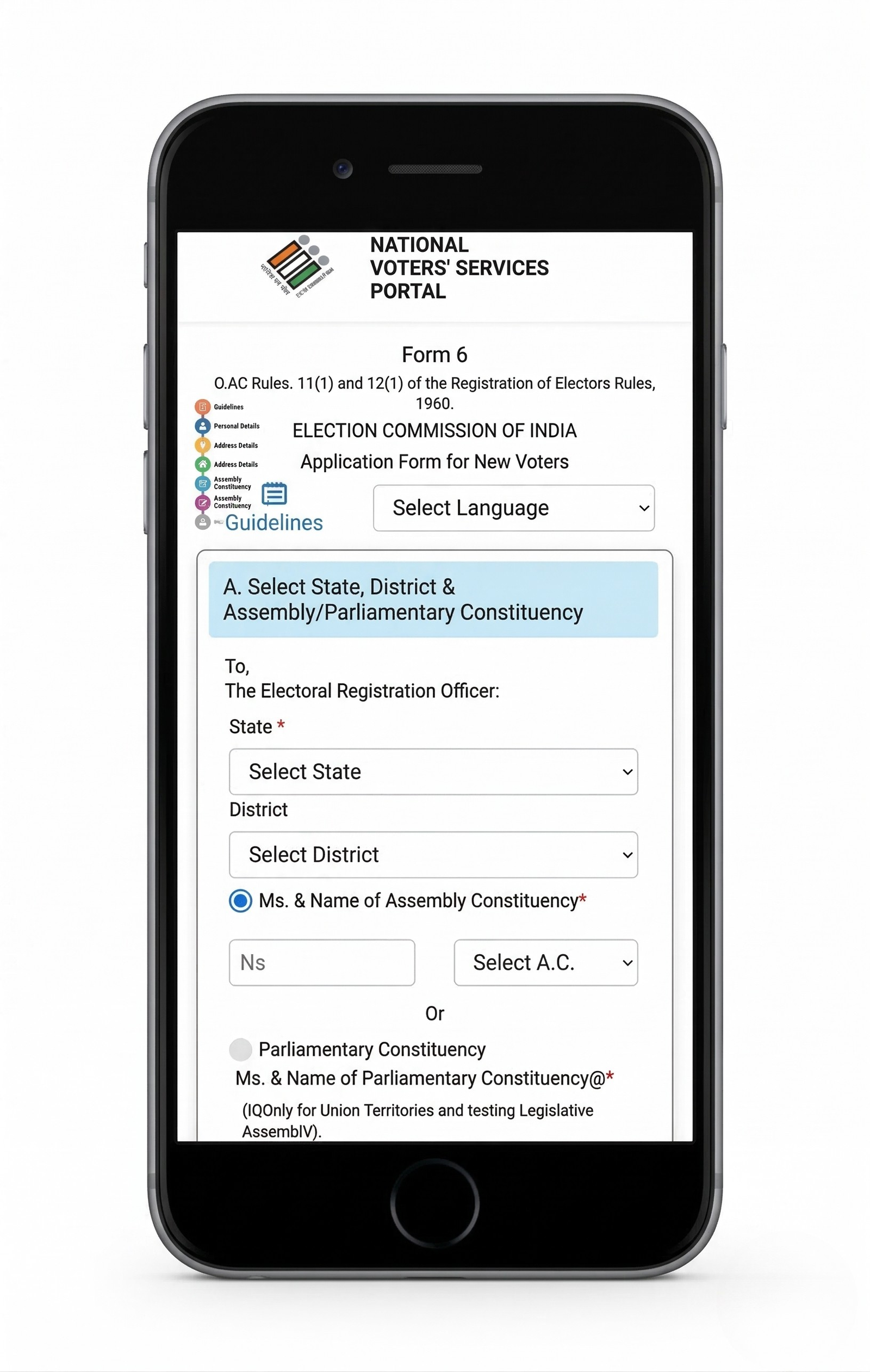
In India, voter registration has become more accessible due to digital platforms such as the National Voters’ Service Portal (NVSP) and the Voter Helpline App. These platforms allow citizens to check their voter details, apply for registration, and request corrections online. Despite this, many people still face issues such as incorrect details, delayed updates, or mismatched records. Through the National Voters' Service Portal (NVSP) and the Voter Helpline App, citizens can now check their names on the electoral roll with a few clicks. Understanding the various forms is essential for this navigation. Form 6 is the primary document for new registrations, intended for those who have turned 18 or are registering for the first time. Form 7 is utilized for objecting to the inclusion of a name or requesting a deletion, often necessary in cases of death or relocation. Meanwhile, Form 8 is the tool for correction of entries or shifting of residence within the same constituency. These mechanisms are designed to keep the roll 'clean' and reflective of the current electorate.
Global Challenges in Maintaining Electoral Rolls
Many countries face challenges in maintaining accurate voter lists. Electoral roll management involves balancing two important goals: ensuring all eligible citizens are included while preventing duplicate or invalid entries.
In some countries, disputes arise over how voter data is updated, shared, or verified. These debates often focus on transparency, privacy, and the accuracy of voter databases. Such issues highlight that maintaining an electoral roll is not just an administrative task but also a matter of public trust in the democratic system.
Preparing for 2026: The Voter Information Toolkit
Looking ahead, election officials are already emphasizing the importance of long-term preparation. As reported by the Circleville Herald, Election authorities in many regions are encouraging voters to verify their registration details well before election dates. Early verification helps reduce last-minute issues such as missing names, incorrect addresses, or outdated records. These toolkits are designed to demystify the registration process, providing clear timelines and requirements for data verification.
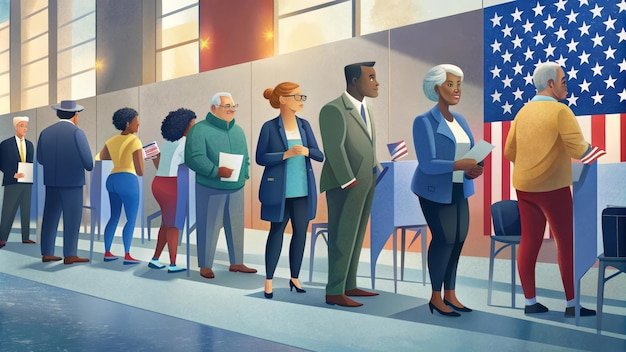
Early registration is frequently cited as the best defense against administrative errors. By engaging with the electoral roll years or months before an election, voters have ample time to resolve discrepancies, update addresses, and ensure that their identification documents align with the digital records. This proactive approach is becoming a global standard, as seen in resources like Boston.gov, which provides comprehensive guides on how to register to vote, emphasizing that the process should be completed long before the polling stations open.
Common Hurdles in Voter Registration
Even with robust systems in place, administrative and technical errors can lead to significant disenfranchisement. A recent and high-profile example of this occurred during the Barcelona presidential election. As reported by Diario AS, Even high-profile individuals can face voting issues due to administrative errors in registration systems. Such cases highlight how even small data mismatches or technical issues can prevent eligible voters from participating in elections. This 'embarrassment' at such a high-profile event underscores a universal truth: no one is immune to the technicalities of the electoral roll.
Hurdles can range from simple clerical errors—such as a misspelled name or an incorrect house number-to more complex issues involving digital database synchronization. In many cases, names go missing from the roll because of 'matching' algorithms that incorrectly flag a voter as a duplicate or as having moved. Resolving these discrepancies requires a vigilant electorate that treats voter ID verification as a recurring responsibility rather than a one-time task.
The Digital Transformation of Electoral Rolls
The shift from paper-based lists to sophisticated digital databases has revolutionized election management. Digital rolls allow for real-time updates, easier cross-referencing between jurisdictions, and increased accessibility for voters. However, this transformation brings its own set of challenges, particularly regarding security. Protecting voter files from unauthorized access, manipulation, or cyber-attacks is now a top priority for governments worldwide.
Transparency is the antidote to the suspicion that often surrounds digital databases. By allowing voters to easily verify their own records and providing clear public data on how many names are added or removed, electoral commissions can build a culture of trust. An accurate and inclusive electoral roll is not just a list of names; it is a reflection of the state's commitment to a fair and transparent democratic process.
Frequently Asked Questions
Q1. How can I check my name in the voter list?
You can check your name on the National Voters’ Service Portal (NVSP) or voter helpline app by entering your details.
Q2. What should I do if my name is missing?
You should apply for registration using Form 6 through the official election commission website.
Q3. Can I vote without being on the electoral roll?
No, your name must be present in the electoral roll to cast a vote.
Conclusion: Your Vote, Your Voice
The integrity of an election is only as strong as the accuracy of its electoral roll. As we have seen from the legal battles in Michigan to the administrative hurdles in Barcelona, the process of maintaining an accurate voter list is fraught with challenges. For Indian citizens, the message is clear: do not wait for election day to discover a discrepancy. By utilizing the tools provided by the Election Commission of India and staying informed about global trends in voting rights, every citizen can ensure that their voice is counted. A reliable electoral roll is essential for free and fair elections. When voter lists are accurate, citizens can participate confidently, and the democratic process becomes more transparent and trustworthy. Regular updates and voter awareness are key to maintaining this integrity.




Comments 0
Leave a Reply
Your email address will not be published. Required fields are marked *
Be the first to share your thoughts!