
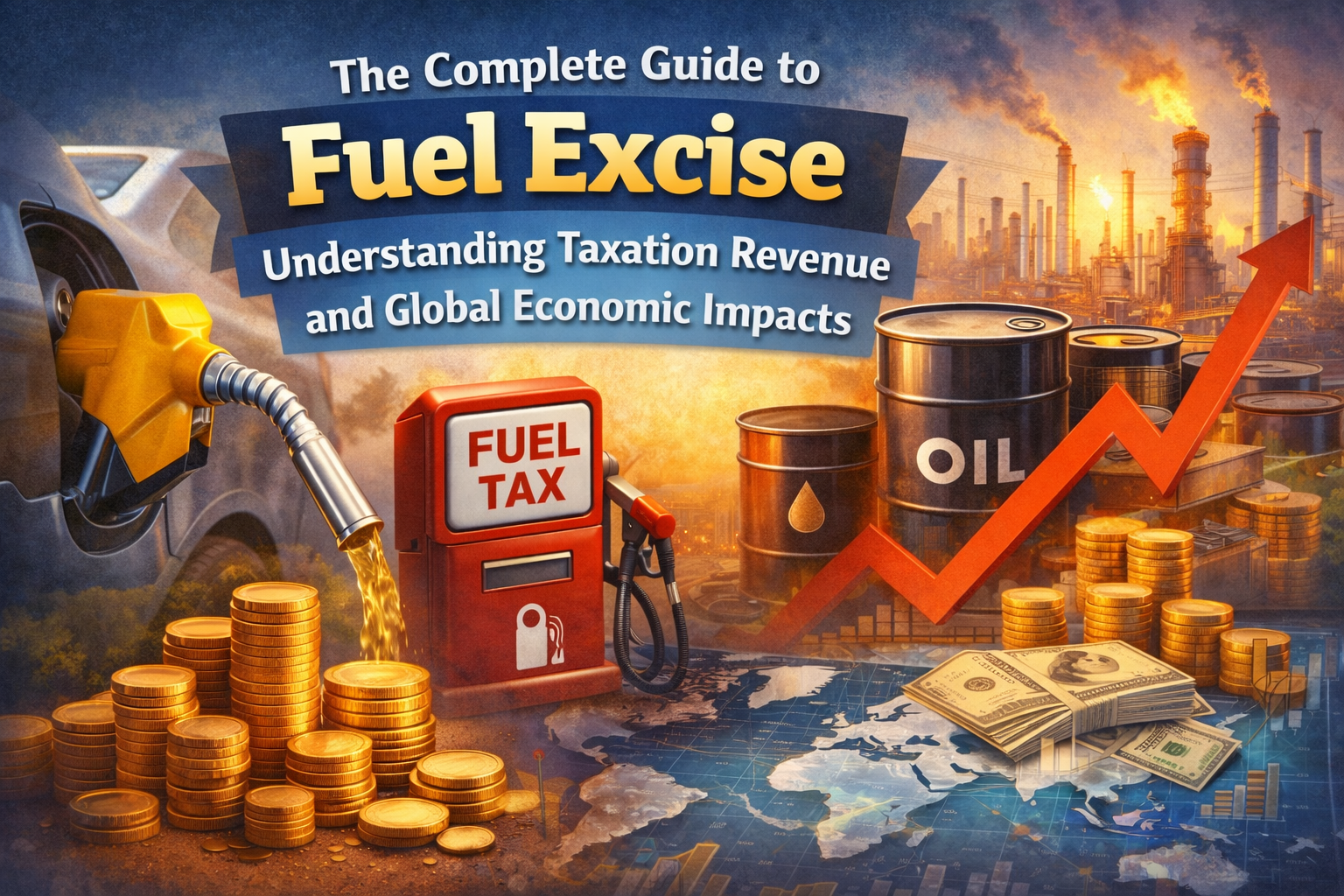
💡What is Fuel Excise? Complete Guide to Fuel Taxes, Calculation & Impact (2026)?
Fuel excise is one of the most important taxes that directly affects fuel prices, transportation costs, and the overall economy. Whether you are filling petrol in your vehicle or running a business, this tax plays a major role in how much you pay for fuel.
In simple terms, fuel excise is a tax charged by the government on fuels like petrol and diesel. Unlike GST or VAT, it is usually charged as a fixed amount per litre.
In this article, we will explain how fuel excise works, how it is calculated, its economic impact, and how it may change in the future.
What is fuel excise?
Fuel excise is a specialized form of commodity taxation applied to petroleum products, including petrol, diesel, and liquid petroleum gas. Unlike a general sales tax or a value added tax which is calculated as a percentage of the final sale price, fuel excise is typically levied as a flat rate per unit of volume, such as cents per litre. This means that the amount of tax collected remains constant regardless of whether the base price of oil rises or falls, providing a predictable revenue stream for governments.
According to global analysts, fuel excise serves two primary functions. First, it acts as a significant source of general revenue that often funds infrastructure projects, particularly road maintenance and transport networks. Second, it functions as a Pigouvian tax, which is a tax intended to discourage activities that impose costs on others. By increasing the cost of fossil fuels, governments aim to reduce carbon emissions and manage traffic congestion. Experts suggest that the balance between these two functions varies significantly from one nation to another, depending on their specific economic priorities and environmental goals.
How is fuel excise calculated and indexed?
The calculation of fuel excise is rarely static. In many jurisdictions, the tax rate is subject to indexation, which means it is adjusted periodically to keep pace with inflation. Without indexation, the real value of the tax revenue would erode over time as the purchasing power of money decreases. As per recent industry reports, many countries adjust their excise rates twice a year based on the Consumer Price Index or a similar measure of inflation.
For example, if the inflation rate increases by two percent over a six month period, the excise tax on a litre of fuel will also increase by two percent. This ensures that the government can continue to afford the rising costs of asphalt, machinery, and labor required for road works. However, this automatic increase can become a point of political contention, especially during periods of high inflation where the cost of living is already a significant concern for households. When fuel prices at the pump reach record highs, there is often public pressure to freeze indexation or temporarily reduce the excise rate to provide relief to consumers.
What are the economic impacts of fuel excise cuts?
When a government decides to reduce the fuel excise, it is usually a strategic move to lower the cost of transport for both individuals and businesses. According to global financial analysts, a significant cut in fuel excise can cost a national budget billions of dollars in lost revenue. For instance, a reduction of several cents per litre over a six month period can lead to a budget shortfall exceeding two billion dollars. While this provides immediate relief to the consumer, it creates a fiscal gap that must be filled by other means or results in a higher national deficit.
The ripple effect of fuel excise is felt throughout the entire economy. Since almost every physical good is transported by road at some point in its supply chain, the cost of fuel directly influences the price of groceries, construction materials, and consumer electronics. A lower excise rate can help dampen inflationary pressures by reducing the overhead costs for logistics companies. Conversely, when excise rates are high, businesses often pass these costs on to the consumer, leading to a general rise in the price of goods and services.
How does fuel excise differ globally?
The approach to fuel taxation varies wildly across the globe. In many European nations, fuel excise rates are among the highest in the world, often making up more than half of the total price paid at the pump. These high rates are designed to encourage the use of public transport and the adoption of fuel efficient or electric vehicles. In contrast, countries with significant domestic oil reserves, such as the United States, tend to have much lower excise rates, prioritizing low transport costs for their citizens.
As per recent industry reports,According to recent reports.In many countries.Experts say. the way these funds are allocated also differs. Some countries strictly earmark fuel excise revenue for road and transport infrastructure, creating a direct link between the tax paid by drivers and the quality of the roads they use. Other nations treat fuel excise as general revenue, using it to fund everything from healthcare to education. This lack of transparency can sometimes lead to public dissatisfaction, as motorists may feel they are being unfairly targeted to fund unrelated government programs.
What is the role of fuel tax credits?
In many regions, certain industries are eligible for fuel tax credits, which effectively provide a refund on the excise paid. These credits are typically reserved for businesses that use fuel for off road purposes, such as heavy machinery in mining, tractors in agriculture, or generators in remote areas. The rationale behind this is that these vehicles do not contribute to the wear and tear of the public road network, and therefore the operators should not have to pay the portion of the tax intended for road maintenance.
Experts suggest that fuel tax credits are vital for maintaining the competitiveness of primary industries. Without these offsets, the cost of producing food and minerals would rise sharply, potentially making domestic products more expensive than international imports. However, environmental advocates often argue that these credits act as a hidden subsidy for fossil fuels, making it harder for these industries to transition to greener energy alternatives.
How will the rise of electric vehicles affect fuel excise?
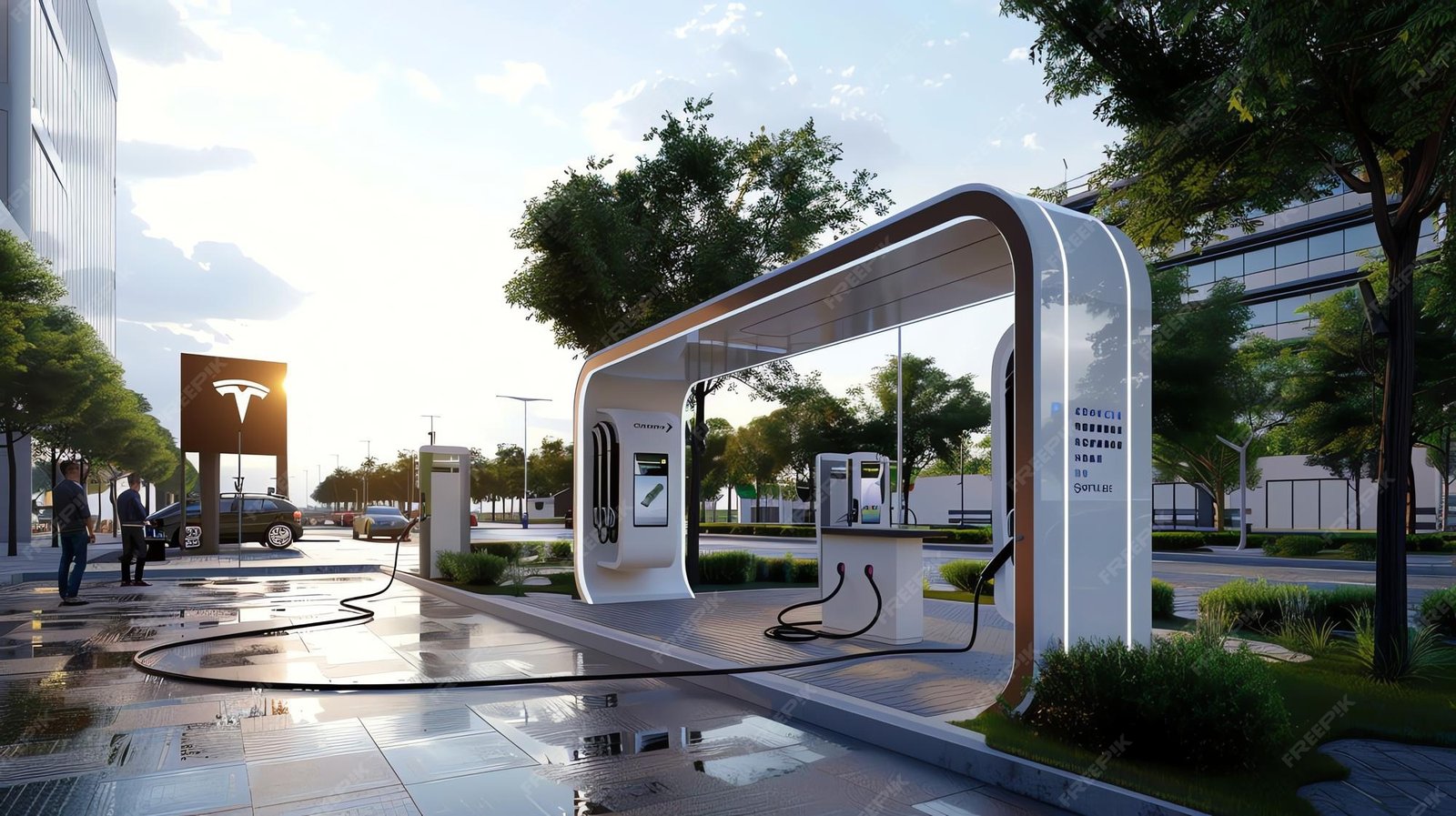
The global transition toward electric vehicles (EVs) poses a significant challenge to the traditional fuel excise model. As more drivers switch from internal combustion engines to battery powered cars, the total volume of fuel sold decreases, leading to a steady decline in excise revenue. This creates a looming crisis for road funding, as electric vehicles still utilize and cause wear to the road network but do not contribute to its maintenance through fuel taxes.
According to transport economists, governments are currently exploring alternative ways to recover this lost revenue. One proposed solution is a road user charge, where drivers are taxed based on the number of kilometers they travel rather than the amount of fuel they consume. This would ensure that all road users, regardless of their vehicle type, contribute their fair share to infrastructure costs. However, implementing such a system requires sophisticated tracking technology and raises concerns regarding driver privacy.
Common mistakes and misconceptions about fuel excise
One of the most common misconceptions is that fuel excise and the Goods and Services Tax (GST) or Value Added Tax (VAT) are the same thing. In reality, they are two separate taxes that are often applied cumulatively. In many jurisdictions, the GST is calculated on the total price of the fuel, which includes the excise tax. This is sometimes referred to as a tax on a tax, and it is a frequent point of criticism from consumer advocacy groups.
Another mistake is the belief that fuel excise is solely responsible for high fuel prices. While taxes are a significant component, the retail price of petrol is primarily driven by the international benchmark price for refined oil, currency exchange rates, and local competition. Even if a government were to abolish fuel excise entirely, prices would still fluctuate based on global geopolitical events and supply chain disruptions.
Pro tips for managing fuel costs
• Track fuel price changes regularly to plan expenses
• Drive smoothly and avoid sudden acceleration
• Maintain your vehicle to improve fuel efficiency
• Use carpooling or public transport when possible
• Consider switching to electric or hybrid vehicles
Frequently Asked Questions
How does fuel excise affect petrol prices in India?
Can the government reduce fuel excise?
Yes, governments can reduce excise duty during inflation or economic crises to provide relief to citizens.
How often does fuel excise change?
In many countries, the excise rate is adjusted twice a year to account for inflation. However, governments may also make discretionary changes, such as temporary cuts, in response to economic crises or high cost of living pressures.
Do all vehicles pay fuel excise?
All vehicles that run on petrol, diesel, or other taxable fuels pay excise at the point of purchase. However, electric vehicles do not pay fuel excise because they do not use liquid fuel, leading many governments to consider new types of road usage taxes.
Is fuel excise the same in every state or province?
This depends on the country. In some nations, fuel excise is a federal tax and is uniform across the entire country. In others, such as the United States, there are both federal and state level fuel taxes, meaning the total tax paid can vary significantly depending on the location.
Why is fuel excise a flat rate instead of a percentage?
A flat rate per litre provides a more stable and predictable revenue stream for the government. If it were a percentage, the tax revenue would drop significantly when oil prices are low, making it difficult to plan long term infrastructure budgets.
Fuel Excise in India
In India, fuel excise duty is imposed by the central government on petrol and diesel. This tax is a major source of revenue and is used for infrastructure development such as roads and highways.
For example, when petrol prices increase, it is not only due to crude oil prices but also because of taxes like excise duty and state VAT. In many cases, taxes make up a large portion of the final price paid by consumers.
Conclusion
Fuel excise remains a cornerstone of fiscal policy, bridging the gap between infrastructure needs and environmental objectives. While it provides the necessary billions of dollars to keep nations moving, the system faces an uncertain future as the world pivots toward sustainable energy. Understanding the mechanics of this tax is essential for both consumers and businesses to navigate the evolving economic landscape of global transport.
Important Note: Financial Disclaimer: This content is for educational purposes only and does not constitute professional financial advice. Always consult with a certified financial planner before making investment decisions.
Related Media
Quick View: The Complete Guide to Fuel Excise: Understanding Taxation Revenue and Global Economic Impacts




Comments 0
Leave a Reply
Your email address will not be published. Required fields are marked *
Be the first to share your thoughts!