

The Significance of Gold in the Indian Economy
Gold is more than just a precious metal in India: it is a symbol of prosperity, a safeguard against economic instability, and a primary vehicle for savings. For generations, Indian households have viewed gold as a reliable asset that preserves value over time. Understanding how the gold rate is determined is essential for anyone looking to purchase jewelry or invest in bullion. The pricing of gold in the Indian market is a complex process influenced by international trends, domestic policies, and currency fluctuations.
India is one of the largest consumers of gold in the world. This high demand means that even minor fluctuations in the global market can have a significant impact on local prices. Whether you are buying for a wedding, a festival, or as a long-term investment, knowing the factors that drive the gold rate allows you to make informed financial decisions. This guide provides a detailed look into the mechanisms of gold pricing, purity standards, and practical tips for buyers.
Understanding Gold Purity: Karats Explained
The first step in understanding gold rates is grasping the concept of purity, which is measured in Karats (K). The higher the karat, the purer the gold. In India, three main purity levels are commonly traded: 24K, 22K, and 18K.
- 24 Karat Gold: This is the purest form of gold, containing 99.9 percent gold. It is naturally soft and pliable, making it unsuitable for intricate jewelry. It is primarily used for making gold coins, bars, and for industrial purposes.
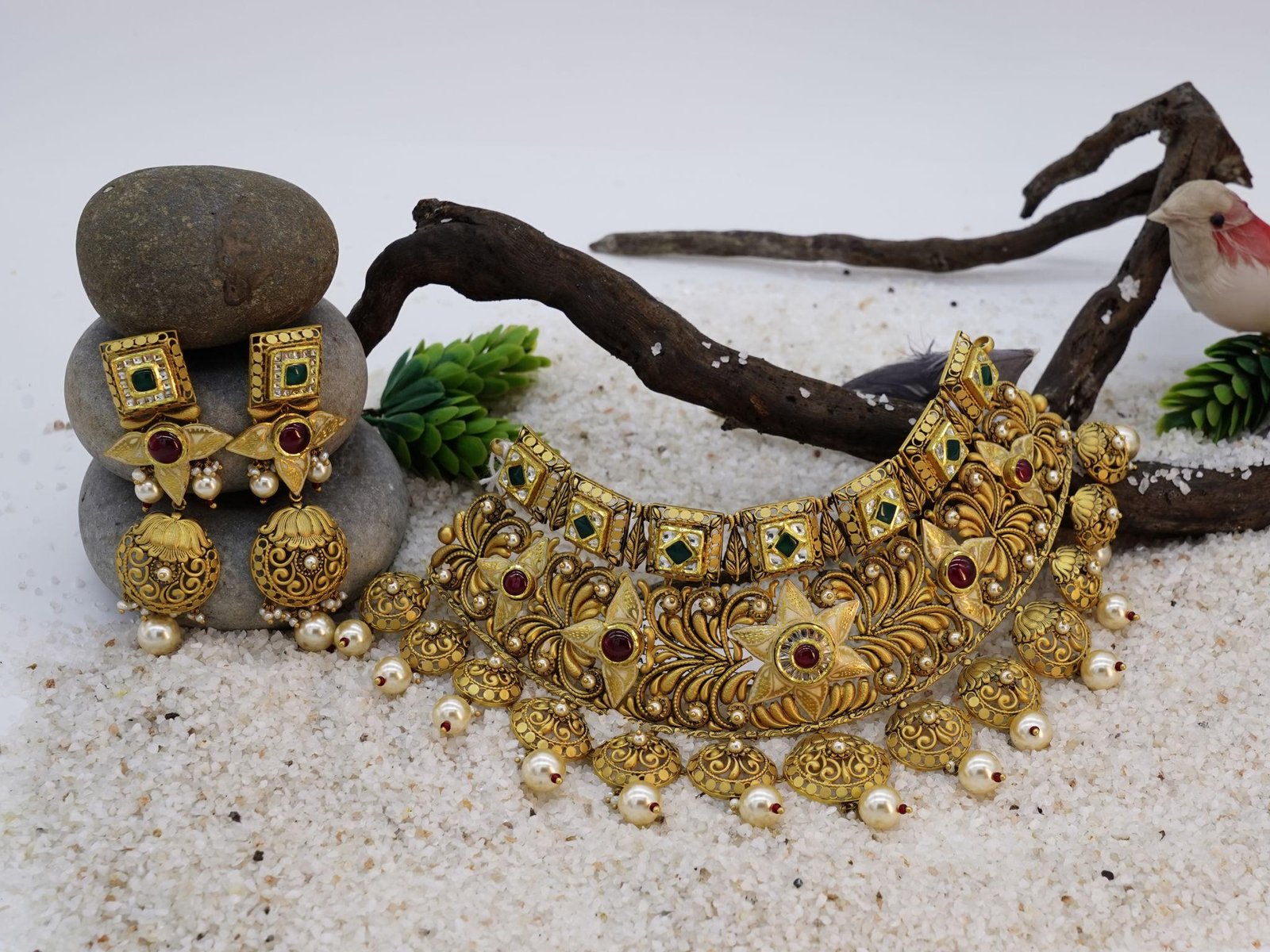
- 22 Karat Gold: Also known as 916 gold, this contains 22 parts of gold mixed with 2 parts of other metals like copper, zinc, or nickel. This composition makes the gold durable enough for jewelry while maintaining a high value.
- 18 Karat Gold: This consists of 18 parts gold and 6 parts other metals (75 percent gold). It is often used for diamond-studded jewelry or pieces that require extra strength to hold gemstones securely.
The price difference between 24K and 22K gold is significant due to differences in purity. When you check the gold rate, it is crucial to specify which purity level you are inquiring about, as the base price will vary accordingly.
Key Factors Influencing Gold Rates in India
The gold rate in India is not fixed by a single entity but is influenced by a variety of global and domestic factors. These factors help investors understand how gold prices may change.
1. International Market Prices
India imports a vast majority of its gold. Therefore, the London Over-the-Counter (OTC) market and the COMEX (Commodity Exchange) in New York play a primary role. If the international price of gold rises due to global geopolitical tensions or economic uncertainty, the rates in India follow suit.
2. US Dollar and Indian Rupee Exchange Rate
Gold is traded internationally in US Dollars. When the Indian Rupee weakens against the US Dollar, the cost of importing gold increases, leading to higher prices in the domestic market. Conversely, a stronger Rupee can make gold more affordable locally.
3. Import Duties and Taxes
The Government of India regulates the flow of gold through import duties. Any change in the customs duty directly impacts the final retail price. Additionally, a Goods and Services Tax (GST) of 3 percent is applied to the value of the gold and the making charges.
4. Central Bank Reserves
The Reserve Bank of India (RBI) maintains significant gold reserves. When the central bank decides to purchase or sell gold, it influences the supply and demand dynamics within the country. Central bank activities are often seen as an indicator of long-term price trends.

How to Calculate the Final Price of Gold Jewelry
Many consumers are confused by the difference between the advertised gold rate and the final bill at the jewelry store. To avoid being overcharged, it is important to understand the standard calculation formula used by reputable jewelers.
The formula for the final price is: (Gold Rate per gram x Weight in grams) + Making Charges + GST (3 percent on the total).
Making charges can be a fixed amount per gram or a percentage of the gold value. These charges cover the labor and craftsmanship involved in creating the jewelry. It is important to note that making charges are often negotiable, especially during high-volume seasons or promotional periods.
The Evolution of Gold Investment: Physical vs. Digital
While physical jewelry remains popular, modern investors are increasingly turning to alternative forms of gold that offer better liquidity and security.
- Gold ETFs: Gold Exchange Traded Funds are units representing physical gold, which may be in paper or dematerialized form. They are traded on stock exchanges.
- Sovereign Gold Bonds (SGB): Issued by the RBI on behalf of the Government, these bonds offer an annual interest rate in addition to the capital appreciation of gold. They are considered one of the safest ways to invest in gold.
- Digital Gold: This allows users to buy gold in small fractions through mobile applications. The gold is stored in secure vaults by the provider.
Common Mistakes to Avoid When Buying Gold
Buying gold is a significant financial commitment. To ensure you are getting the best value, avoid these common pitfalls:
- Ignoring the BIS Hallmark: Never buy gold without the Bureau of Indian Standards (BIS) hallmark. This mark guarantees the purity of the metal. Since June 2021, hallmarking has been made mandatory for specific karatages in India.
- Not Checking the Daily Rate: Gold rates change daily. Always verify the current rate from multiple reliable sources before entering a store.
- Overlooking the Buy-Back Policy: Before purchasing, ask the jeweler about their buy-back terms. Reputable jewelers will offer to buy back the gold at the prevailing market rate, minus a small deduction for melting and processing.
- Mixing Stone Weight with Gold Weight: If the jewelry has precious stones, ensure the weight of the stones is deducted from the total weight of the piece before calculating the gold price.
Pro Tips for Smart Gold Purchases
Timing and research are important when buying gold. One practical tip is to monitor the price trends over a period of weeks rather than making a spontaneous decision. Additionally, buying gold during off-peak seasons, when demand for weddings and festivals is low, can sometimes result in lower making charges.
A practical approach is to choose 24K coins or bars for investment purposes. Jewelry involves making charges that are not recoverable upon resale, whereas bullion maintains its pure value. For those looking for long-term wealth creation without the hassle of storage, Sovereign Gold Bonds are often recommended due to their tax benefits and interest-bearing nature.
Frequently Asked Questions
1. Why does the gold rate vary from city to city in India?
The variation occurs due to different transportation costs, local taxes, and the profit margins set by local jeweler associations. Major hubs like Mumbai or Chennai may have slightly different rates based on local supply and demand.
2. Is 24K gold better than 22K gold for jewelry?
While 24K is purer, it is too soft for most jewelry designs. 22K gold is preferred for jewelry because the added alloys provide the necessary strength to maintain the shape and hold stones.
3. What is the significance of the HUID number?
The Hallmarking Unique ID (HUID) is a six-digit alphanumeric code stamped on gold jewelry. It provides traceability and ensures that the purity claims are verified by a BIS-recognized center.
4. Is GST included in the gold rate?
No, the daily gold rate quoted by jewelers usually excludes GST. A 3 percent GST is added to the total value of the gold and the making charges at the time of billing.
5. Can I sell digital gold for physical gold?
Most digital gold platforms allow you to either sell your holdings back at the market rate or request physical delivery of gold coins or bars once you have accumulated a certain weight.





Comments 0
Leave a Reply
Your email address will not be published. Required fields are marked *
Be the first to share your thoughts!