

💡 Is the Stock Market Open Today in India? Timings and Opening Process Explained
A comprehensive guide to how the Indian stock market opens, including the pre-open session, the role of expert analysts like Siddhartha Khemka, and strategies for investors.
The Indian stock market opens at 9:15 AM for regular trading. A pre-open session runs from 9:00 AM to 9:15 AM where opening prices are decided. The market remains closed on weekends and public holidays
What is the Indian Stock Market Opening Process?
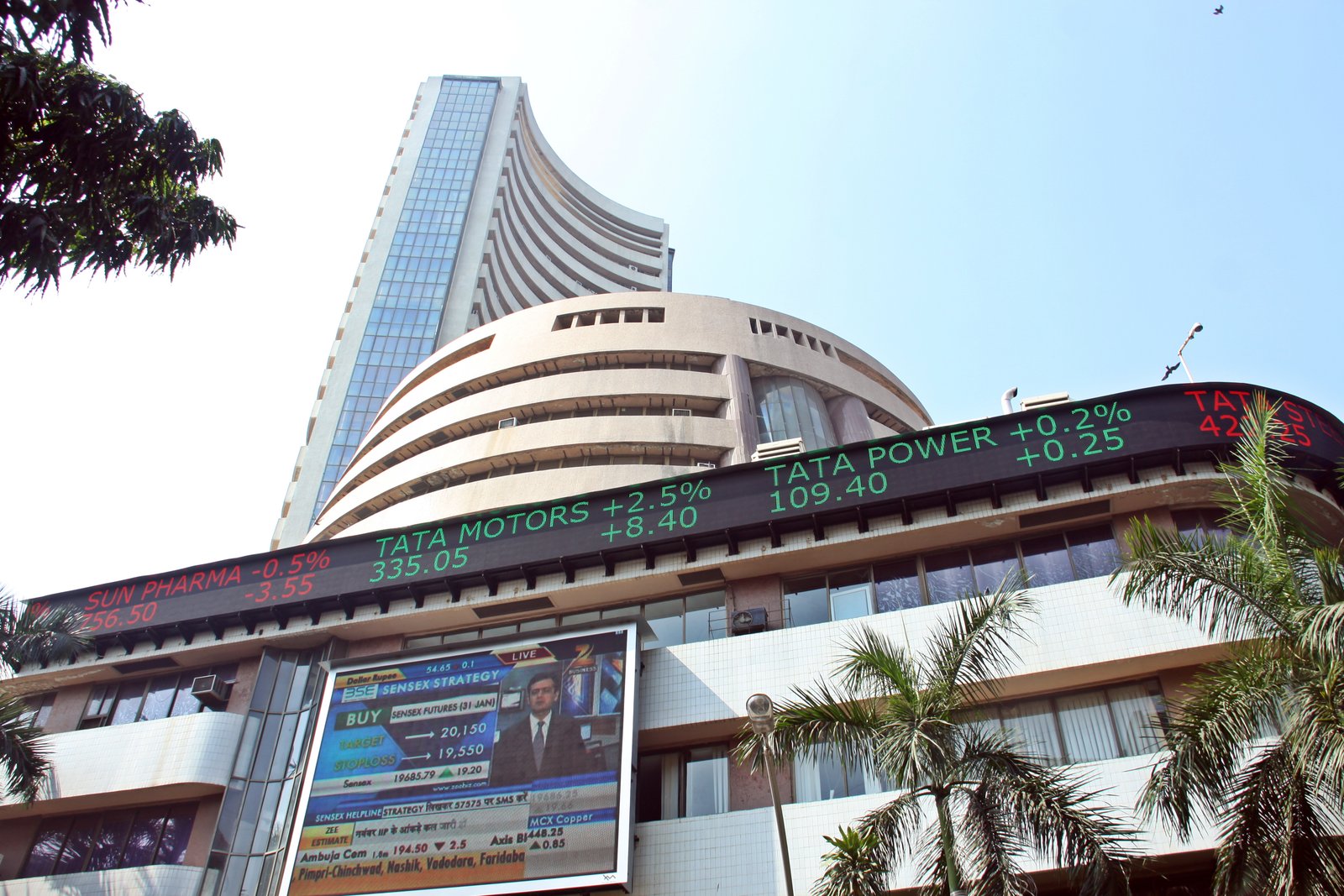
The Indian stock market does not simply start trading at a random price. There is a highly structured sequence of events that occurs before the regular trading session begins. In India, the market officially opens for regular trading at 9:15 AM, but the groundwork is laid much earlier. According to industry experts, this structured approach is designed to minimize volatility and ensure a fair price discovery mechanism for all participants.
The period between 9:00 AM and 9:15 AM is known as the Pre-Open Session. This session was introduced by the Securities and Exchange Board of India (SEBI) to reduce the wild price swings that used to occur at the start of the trading day. During this time, investors can place, modify, or cancel orders. This period is crucial for absorbing overnight news and global market developments that might influence stock prices.
How does the Pre-Open Session determine the Opening Price?
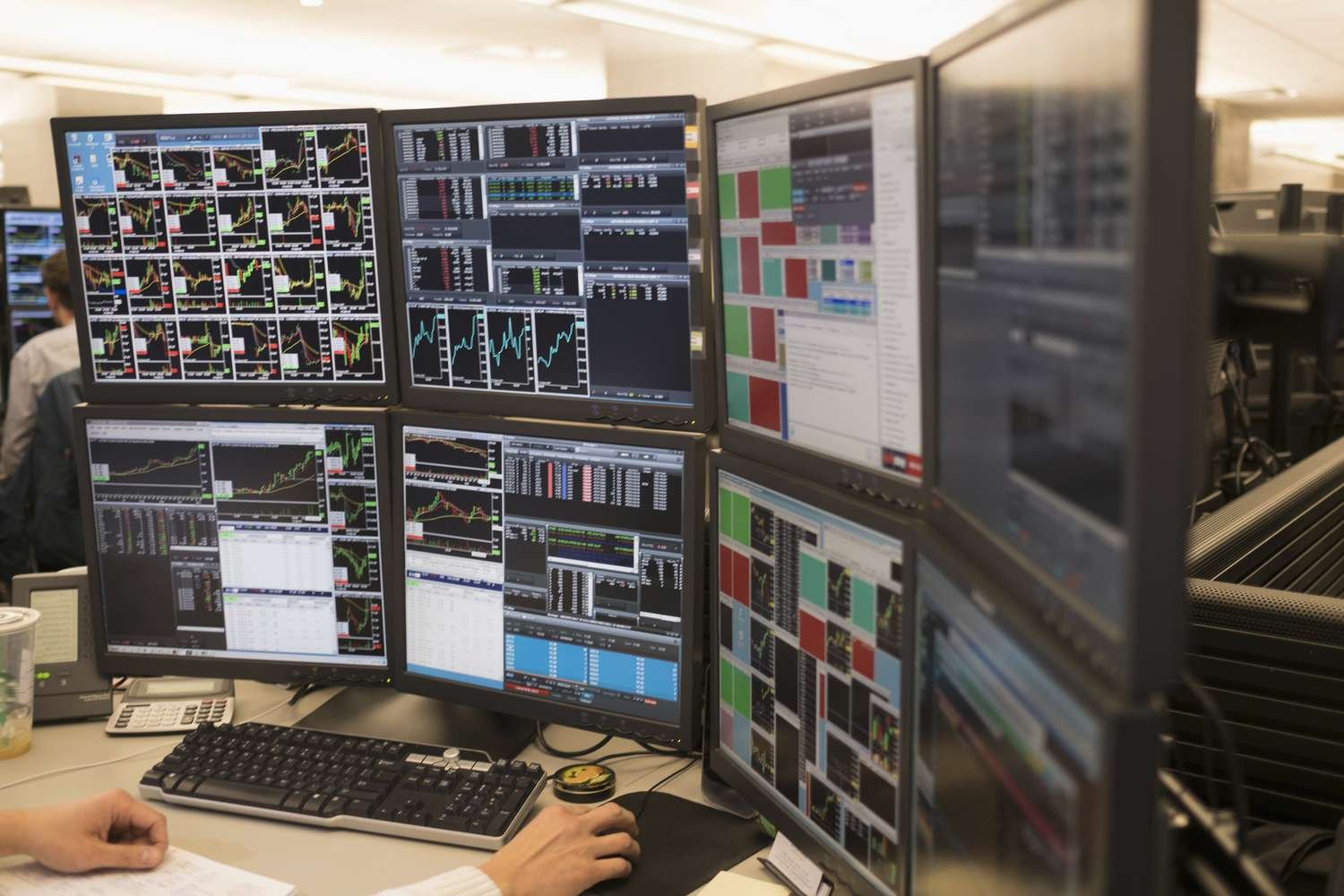
The determination of the opening price is a mathematical process based on the principle of equilibrium. The Pre-Open Session is divided into three distinct sub-slots:
- Order Entry Period (9:00 AM to 9:08 AM): During these eight minutes, market participants can place orders to buy or sell securities. These orders are collected in a virtual pool but are not yet executed.
- Order Matching Period (9:08 AM to 9:12 AM): This is when the magic happens. The exchange system calculates the equilibrium price. This is the price at which the maximum volume of shares can be traded based on the buy and sell orders collected. All trades are executed at this single equilibrium price, which then becomes the official opening price for the day.
- Buffer Period (9:12 AM to 9:15 AM): This is a cooling-off period that facilitates the transition from the pre-open session to the regular trading session. No new orders are accepted during this time.
Experts suggest that this call auction mechanism is superior to the traditional continuous matching system because it consolidates liquidity and prevents a single large order from distorting the opening price.
Why does the Market Open with a Gap Up or Gap Down?
One of the most common questions among new investors is why the market often opens significantly higher or lower than the previous day close. This phenomenon is known as a gap. Several factors contribute to these price gaps:
- Global Market Performance: Since the Indian market is interconnected with global finance, the performance of the US markets (like the S&P 500 or Nasdaq) and Asian markets (like the Nikkei or Hang Seng) heavily influences the opening sentiment in India.
- GIFT Nifty Cues: Formerly known as SGX Nifty, the GIFT Nifty trades in Gujarat International Finance Tec-City and serves as an early indicator of how the Indian market might open. Analysts suggest that GIFT Nifty trends are often mirrored by the Nifty 50 at 9:15 AM.
- Overnight News: Corporate announcements, geopolitical developments, or changes in government policy that occur after the market closes can lead to a significant re-evaluation of stock prices by the next morning.
How to Prepare for the Market Opening?
For a disciplined investor, preparation begins long before the opening bell. Following a structured routine can help in making informed decisions rather than emotional ones. As per recent industry reports, successful traders often follow these steps:
- Review Global Cues: Check the closing status of the US markets and the current status of Asian markets.
- Monitor GIFT Nifty: Observe the premium or discount at which GIFT Nifty is trading relative to the Nifty 50 spot price.
- Analyze Economic Calendars: Be aware of any scheduled data releases, such as inflation figures (CPI), industrial production (IIP), or central bank meetings.
- Read Expert Commentary: Review notes from analysts like Siddhartha Khemka to understand the prevailing sentiment and key support or resistance levels for the day.
What are the Benefits of Understanding Market Opening Dynamics?
Understanding the opening process provides several advantages to market participants. Firstly, it allows for better risk management. By knowing how the opening price is derived, investors can avoid placing market orders during periods of extreme volatility, which might lead to poor execution prices. Secondly, it helps in identifying institutional activity. Large institutional investors often use the pre-open session to execute significant trades at a stable price.
Furthermore, understanding the opening context allows traders to utilize specific strategies, such as the Opening Range Breakout (ORB). This strategy involves taking positions based on the high and low prices established in the first 15 to 30 minutes of the trading day.

Common Mistakes to Avoid During the Opening Bell
The excitement of the market opening can lead even experienced traders into making costly errors. Experts suggest avoiding the following mistakes:
- Chasing the Gap: If a stock opens 5 percent higher, there is a temptation to buy immediately. However, gaps are often partially filled as early profit-taking occurs. Chasing a gap without a clear strategy can lead to buying at the day high.
- Ignoring Volume: A price move at the opening is only significant if it is backed by high trading volume. Low-volume moves are often deceptive and can reverse quickly.
- Emotional Trading: Reacting impulsively to news without analyzing its long-term impact can lead to poor decision-making. It is often better to wait for the first 30 minutes for the market to settle.
- Neglecting Stop-Losses: Due to high volatility at the open, prices can move rapidly against a position. Always having a pre-defined stop-loss is crucial for capital preservation.
Pro Tips for Navigating the Market Opening
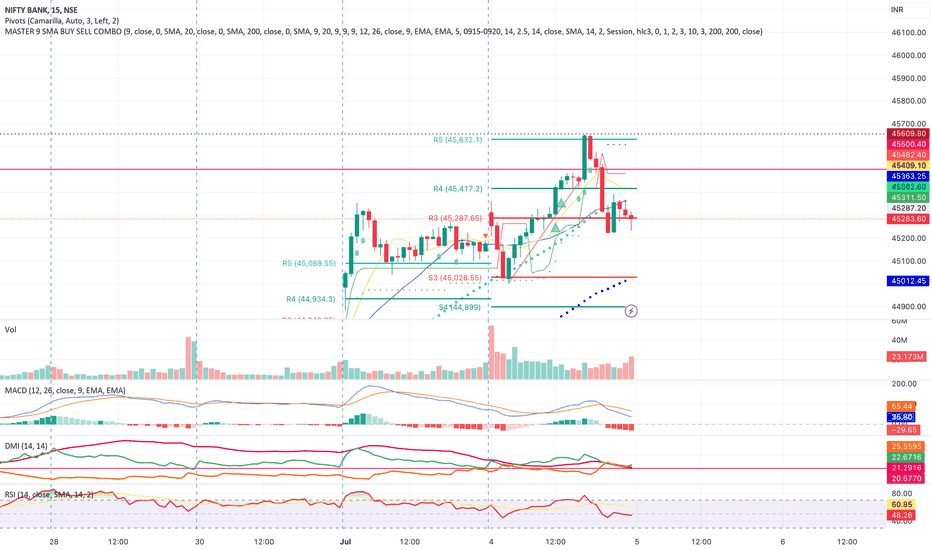
Experienced professionals at firms like Motilal Oswal Financial Services recommend a patient approach. One pro tip is to focus on the 15-minute candle. Waiting for the first 15-minute candle to close provides a clearer picture of the intraday trend. If the market sustains above the high of the first 15-minute candle, it often indicates bullish sentiment for the session.
Another tip is to monitor the India VIX (Volatility Index). A high VIX indicates that the market expects significant price swings, suggesting that traders should reduce their position sizes to manage risk effectively.
FAQ Section
What is the exact timing of the Indian stock market?
The Indian stock market operates from 9:00 AM to 3:30 PM. The pre-open session is from 9:00 AM to 9:15 AM, and the regular continuous trading session is from 9:15 AM to 3:30 PM. There is also a post-closing session from 3:40 PM to 4:00 PM.
How is the Nifty 50 opening price calculated?
The opening price of the Nifty 50 index is not calculated directly in the pre-open session. Instead, the opening prices of its 50 constituent stocks are determined through the call auction mechanism. Once the opening prices of the individual stocks are set, the index value is calculated based on their weighted market capitalization.
Why does the market stay closed on certain days?
The stock market is closed on Saturdays, Sundays, and national holidays as declared by the exchanges. These holidays often include major festivals like Diwali, Eid, and Independence Day. However, a special one-hour session called Muhurat Trading is held on the evening of Diwali.
Can retail investors participate in the pre-open session?
Yes, retail investors can place orders during the pre-open session (9:00 AM to 9:08 AM) through their respective brokers. These orders are matched along with institutional orders to determine the equilibrium opening price.
What is the role of GIFT Nifty in the market opening?
GIFT Nifty acts as a precursor to the domestic market. Since it trades for nearly 21 hours a day, it captures global developments that happen while the Indian exchanges are closed, providing a roadmap for the Nifty 50 opening.
Conclusion
The opening of the Indian stock market is a complex yet fascinating process that combines technology, mathematics, and human psychology. By understanding the role of the pre-open session, the influence of global cues, and the value of expert commentary from professionals like Siddhartha Khemka at Motilal Oswal Financial Services, investors can approach the trading day with greater confidence. Success in the markets requires a blend of patient observation and disciplined execution, especially during the critical first few minutes of the session.
Important Note: Financial Disclaimer: This content is for educational purposes only and does not constitute professional financial advice. Always consult with a certified financial planner before making investment decisions.





Comments 0
Leave a Reply
Your email address will not be published. Required fields are marked *
Be the first to share your thoughts!