
💡Petrol shortage?
Explore the complex factors behind petrol shortages in India, from supply chain logistics to the psychological impact of panic buying, and learn how to manage fuel efficiently.
The sight of long queues snaking around street corners near fuel stations is a scene that has played out in various Indian cities, from Hyderabad to Bengaluru. While India possesses one of the largest oil refining capacities in the world, localized petrol shortages often emerge, causing significant disruption to daily life. Understanding the mechanics of these shortages requires a deep dive into logistics, consumer behavior, and global economics. This guide provides a comprehensive overview of why fuel scarcity occurs and how citizens can navigate these challenging periods.
What defines a petrol shortage in the Indian context?
A petrol shortage is not always a lack of fuel within the country. In many instances, India has ample reserves of crude oil and finished petroleum products. Based on how India’s fuel distribution system works, a shortage is typically caused by a breakdown in the supply network rather than a total depletion of national stocks. It occurs when the rate of fuel consumption at the retail level exceeds the rate at which Oil Marketing Companies (OMCs) can replenish the underground tanks at petrol pumps.
These shortages can generally be categorized into two types: physical scarcity and artificial scarcity. Physical scarcity happens when there is a genuine lack of product due to refinery shutdowns or import delays. Artificial scarcity, which is more common in urban Indian centers, is often triggered by logistical hurdles or psychological factors that lead to a sudden, massive spike in demand that the existing delivery infrastructure cannot handle in real-time.
How does the fuel supply chain operate in India?
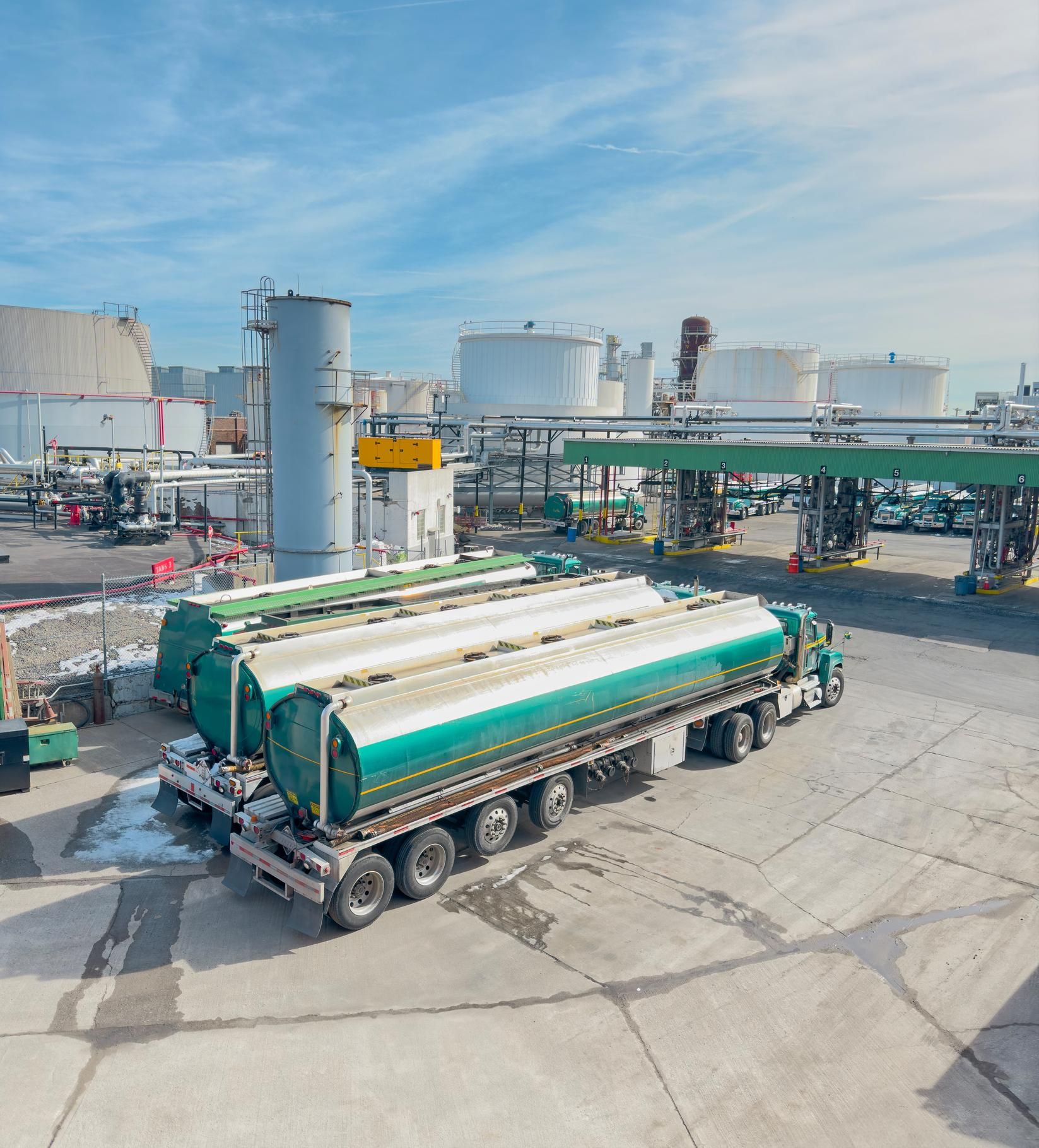
To understand why the pumps go dry, one must first understand the journey of a single liter of petrol. In India, the fuel supply process begins at large refineries located in coastal or strategic inland areas. From these refineries, petrol and diesel are transported via an extensive network of pipelines to regional storage depots. These depots act as the primary reservoirs for specific districts or clusters of cities.
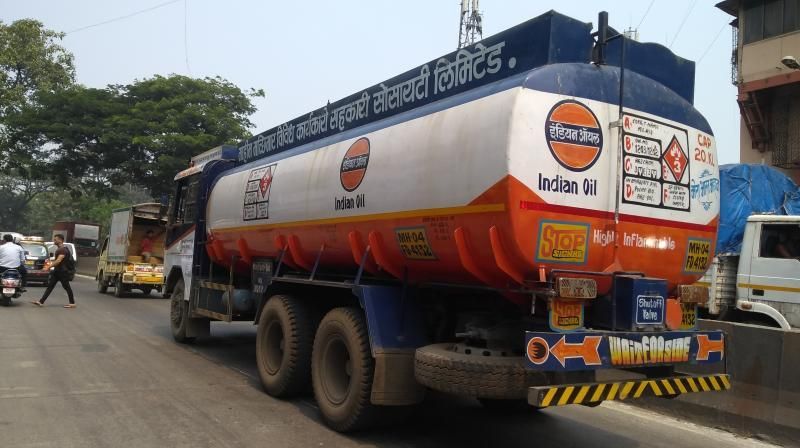
The final leg of the journey is the most vulnerable. From the depots, fuel is loaded into specialized tanker trucks that navigate city traffic to reach individual retail outlets. This "last-mile" connectivity is where most disruptions occur. If tanker drivers go on strike, or if there are road blockades due to protests or extreme weather, the flow of fuel stops immediately. Because most petrol pumps only keep enough stock for two to three days of normal sales, any interruption in the daily delivery schedule leads to empty nozzles within hours.
According to the Ministry of Petroleum and Natural Gas, India has strong refining capacity, but local distribution challenges can still lead to temporary shortages.
What are the primary causes of petrol shortages?
Several factors contribute to the sudden disappearance of fuel from retail stations. In many real-world situations, these factors often overlap to create a perfect storm of scarcity.
- Logistical and Transport Disruptions: This is the most frequent cause in India. Strikes by transport unions or changes in transport regulations can halt the movement of tankers from depots to pumps.
- Panic Buying and Herd Mentality: When rumors of a potential shortage circulate on social media, consumers rush to the pumps. This sudden surge in demand can drain a station's 48-hour supply in just 4 to 6 hours.
- International Crude Oil Volatility: While India has high refining capacity, it imports a vast majority of its crude oil. Significant geopolitical tensions can affect the pricing and availability of imports, leading OMCs to manage their inventory more conservatively.
- Refinery Maintenance: Periodic maintenance at major refineries can temporarily reduce the total output of petrol and diesel, tightening the supply available for the domestic market.
- Policy and Regulatory Changes: Shifts in taxation, ethanol blending mandates, or environmental regulations can sometimes cause temporary friction in the production and distribution cycle.
How does panic buying exacerbate the problem?
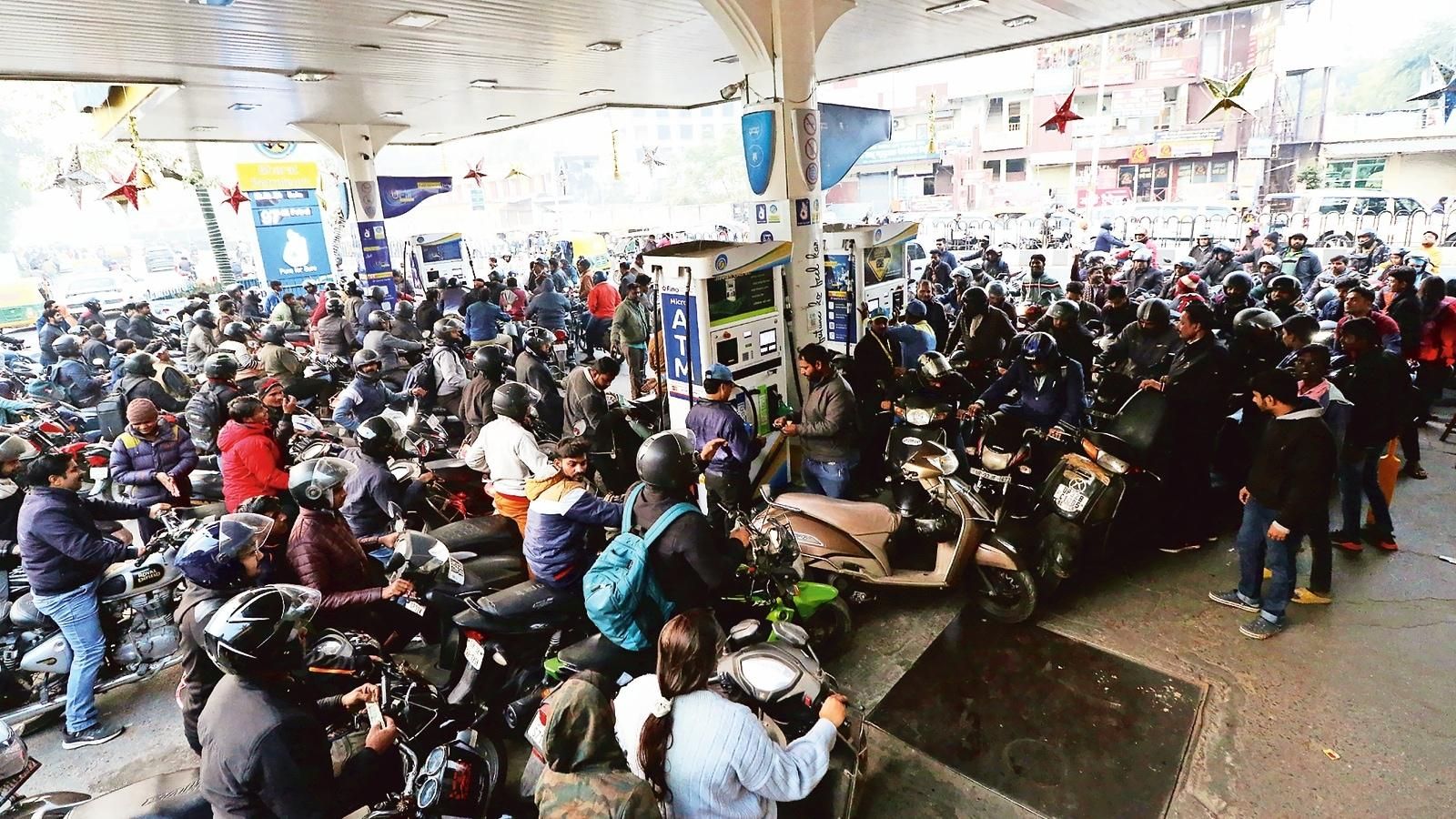
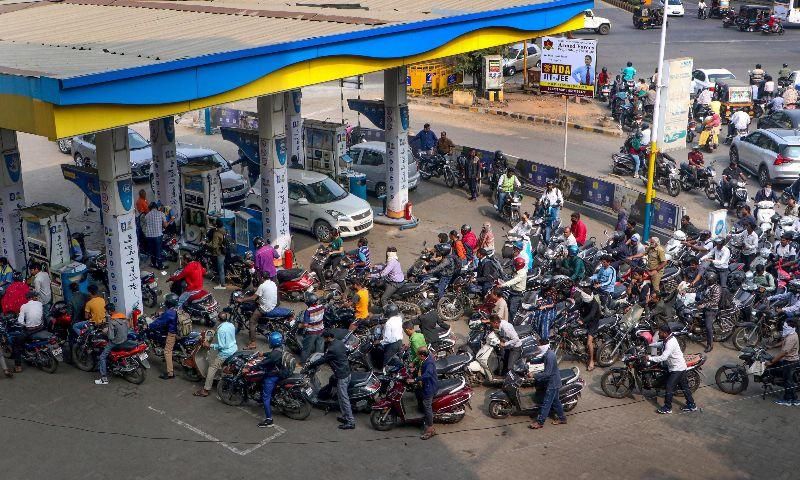
In many Indian cities, it is common to see long queues forming within hours of shortage rumors, showing how psychology plays a major role in fuel availability. In cities like Hyderabad, fears of a strike often lead to thousands of motorists attempting to fill their tanks simultaneously. This behavior creates a self-fulfilling prophecy. As per sociological studies on consumer behavior, when individuals see others queuing, they perceive a high risk of missing out, which drives them to join the line even if they have half a tank of fuel left.
This "panic demand" puts an impossible strain on the logistics chain. A petrol pump designed to serve 500 vehicles a day cannot suddenly serve 5,000 without running out of stock. Furthermore, the congestion caused by these long queues often prevents the very tankers trying to refill the station from reaching the underground tanks, further lengthening the period of unavailability.
How to manage fuel consumption during a shortage?
When fuel is scarce, the priority shifts from convenience to efficiency. Here are some practical steps you can follow to make every drop of petrol last longer:
- Maintain Steady Speeds: Rapid acceleration and frequent braking consume significantly more fuel. Driving at a steady speed of 40 to 50 kilometers per hour in the highest possible gear is usually the most efficient way to travel.
- Check Tire Pressure: Under-inflated tires increase rolling resistance, forcing the engine to work harder. Keeping tires at the manufacturer-recommended pressure can improve fuel economy by up to 3 percent.
- Minimize Air Conditioning: In stop-and-go city traffic, the air conditioner can account for a large portion of fuel consumption. Using it sparingly during a shortage can extend your range.
- Plan and Combine Trips: Instead of making multiple short trips, combine errands into one circular route. Engines are most efficient when they are warmed up; multiple cold starts waste fuel.
- Reduce Excess Weight: Remove unnecessary items from the trunk or backseat. Extra weight requires more energy to move, especially in hilly terrain or heavy traffic.
What are the long-term solutions for fuel security?
To move away from the cycle of periodic shortages, India is investing in diversified energy strategies. The Ministry of Petroleum and Natural Gas has highlighted that increasing ethanol blending, the government is aggressively pushing for higher ethanol blending. By mixing petrol with ethanol derived from sugarcane and other agricultural waste, the country reduces its dependence on imported crude oil and creates a more resilient domestic supply.
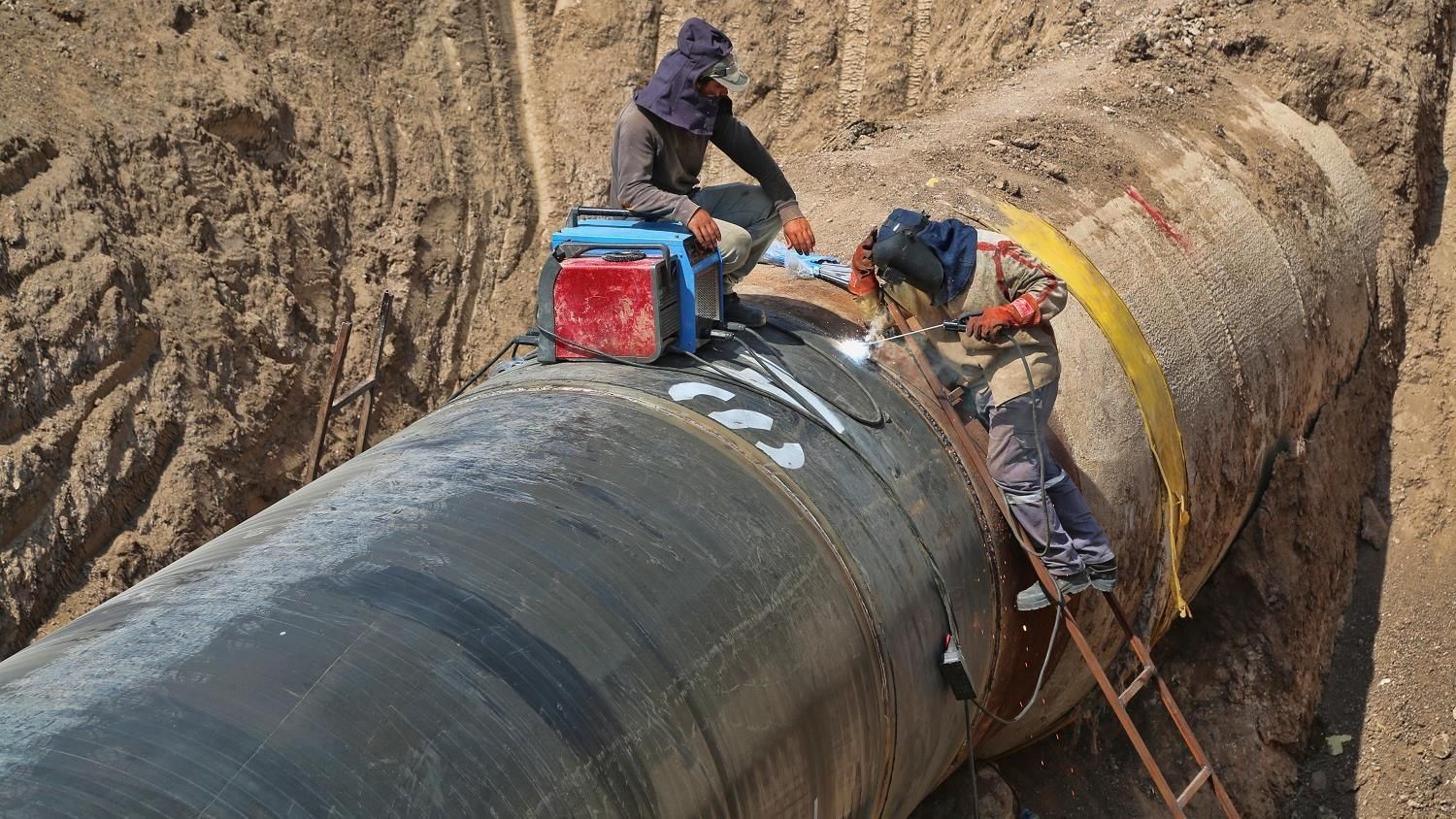
Additionally, the transition to Electric Vehicles (EVs) is seen as a primary solution to urban fuel crises. As the charging infrastructure grows, the pressure on liquid fuel distribution networks is expected to decrease. Furthermore, the expansion of the national pipeline grid aims to reduce the reliance on road-based tanker transport, making the movement of fuel from refineries to cities more efficient and less prone to human-induced disruptions like strikes.
Common mistakes to avoid during a fuel crisis
In the heat of a shortage, many people make errors that can be dangerous or counterproductive. One major mistake is hoarding fuel in unsafe containers like plastic bottles or canisters at home. Petrol is highly volatile and flammable; storing it in non-certified containers in residential areas poses a severe fire risk.
Another mistake is falling for misinformation. Relying on unverified social media messages about which pumps have fuel or how long a strike will last often leads to unnecessary travel and wasted fuel. It is always better to check official statements from OMCs or local administration offices. Finally, many motorists leave their engines idling for hours while waiting in fuel queues. This not only wastes the very fuel they are trying to buy but also contributes to localized air pollution and engine overheating.
Frequently Asked Questions
Why does the price of petrol sometimes rise during a shortage?
While base prices are regulated or set by OMCs, localized shortages can lead to increased costs in the secondary market or for private transport services. However, at the pump, prices remain consistent with the daily notified rates unless there is a formal price revision by the companies.
How long does it usually take for supply to normalize?
In most cases of logistical disruption, supply begins to stabilize within 24 to 48 hours once the transport bottleneck is cleared. However, it may take another few days for the "backlog" of panic-buying demand to subside and for pumps to maintain their usual stock levels.
Is the quality of petrol affected during a shortage?
No, the quality of petrol remains the same. OMCs maintain strict quality control standards at the depots. The only risk is if consumers buy fuel from unauthorized "black market" sources, where the risk of adulteration is significantly higher.
What should I do if my vehicle runs out of fuel in a queue?
If your vehicle stalls, do not attempt to continuously restart it, as this can drain the battery. Ask for assistance to push the vehicle to the side of the road to avoid blocking traffic. It is advisable to carry a small amount of emergency contact information for roadside assistance services provided by your insurance or vehicle manufacturer.
Can I use higher-octane fuel if regular petrol is unavailable?
Yes, most modern petrol engines can run on higher-octane or "premium" petrol without any issues, though it is more expensive. If the regular petrol tanks are empty but the premium tanks have stock, it is a viable alternative to keep your vehicle moving.
Conclusion
Petrol shortages in India are complex events driven by a mixture of logistical vulnerabilities and human psychology. While the infrastructure for fuel distribution is robust, it remains sensitive to sudden changes in transport availability and consumer demand. By understanding the causes of these shortages and adopting fuel-efficient habits, motorists can reduce their anxiety and contribute to a more stable environment during periods of scarcity. Staying informed through official channels and avoiding the urge to panic-buy are the most effective ways for the public to help the system recover quickly. As India continues to diversify its energy portfolio through biofuels and electric mobility, the frequency and impact of such shortages are expected to diminish, leading to a more secure energy future for all.
Related Media
Quick View: Comprehensive Guide to Petrol Shortages in India: Causes, Logistics, and Consumer Strategies





Comments 0
Leave a Reply
Your email address will not be published. Required fields are marked *
Be the first to share your thoughts!