
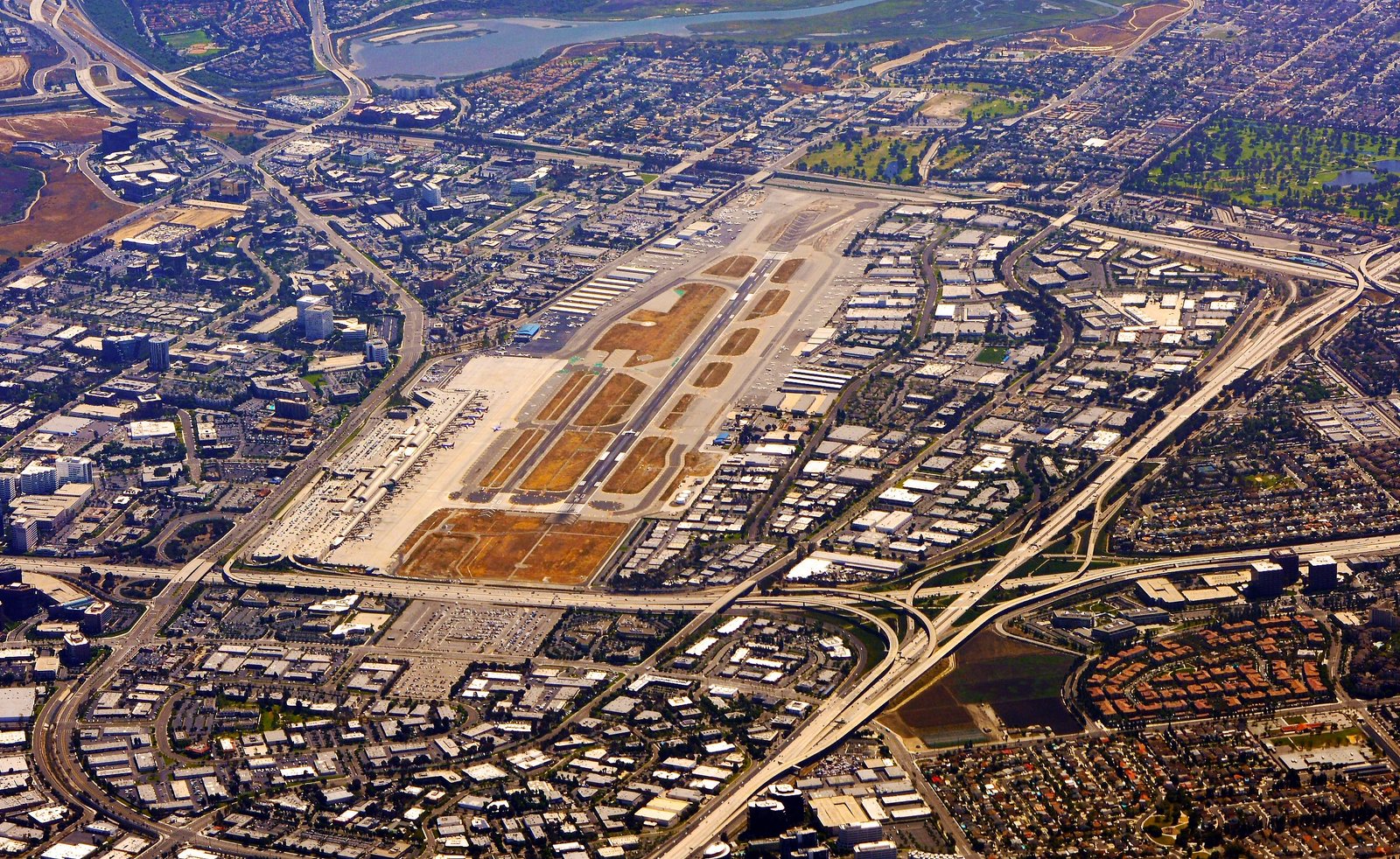
💡 Where is Sna?
Explore the complexities of SNA (John Wayne Airport), from its unique noise abatement procedures to the critical safety protocols governing commercial and military air traffic.
Understanding SNA: A Comprehensive Guide to John Wayne Airport and Aviation Safety
Landing at John Wayne Airport (SNA) is very different from landing at most airports in the United States. From its short runway to its steep takeoff procedures, SNA creates a unique experience for both passengers and pilots. This airport is not just a travel hub it is a real world example of how aviation safety, urban planning, and pilot precision come together in a high-pressure environment. While it is one of the busiest airports in the United States, it is also one of the most unique due to its geographic location, short runways, and stringent operational requirements. For aviation enthusiasts, travelers, and safety experts, understanding how SNA operates provides a fascinating look into the world of modern air traffic management and the high stakes of pilot precision.
SNA represents a masterclass in balancing urban density with commercial aviation needs. Because the airport is surrounded by residential neighborhoods, it operates under some of the strictest noise abatement rules in the world. This environment creates a specific set of challenges for pilots and air traffic controllers alike, making safety protocols a top priority for the Federal Aviation Administration (FAA).
What is SNA and Why Is It Significant?
SNA operates under strict operational rules because it is surrounded by residential areas. This makes it one of the most regulated airports in terms of noise control and flight procedures in the United States.
SNA is located in an unincorporated area of Orange County, surrounded by the cities of Santa Ana, Newport Beach, and Costa Irvine. It serves as a vital hub for both commercial airlines and general aviation, including private jets and helicopters. Unlike major international hubs like LAX, SNA is constrained by space, which limits its runway length and the types of aircraft that can land there.
that the airport is a critical case study in urban planning. Its proximity to the Pacific coast and high-density housing means that every takeoff and landing is a carefully choreographed event. The airport is named after the legendary actor John Wayne, who lived in nearby Newport Beach, and it remains a symbol of the region's growth and connectivity.
The Unique Operational Challenges of SNA
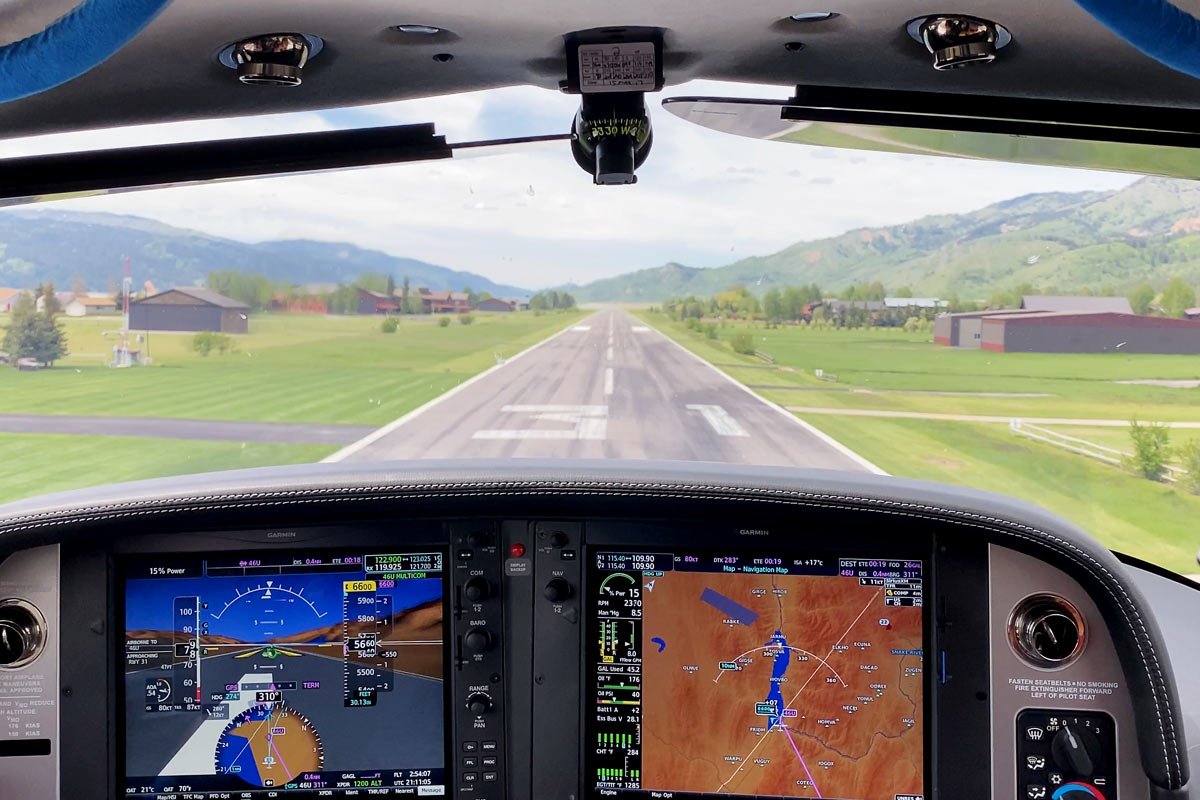
One of the most defining characteristics of SNA is its runway length. The primary runway is only 5,701 feet long, which is significantly shorter than the 10,000 to 12,000 foot runways found at larger international airports. This requires pilots to utilize maximum braking upon landing and high-performance climb rates during takeoff.
Noise Abatement Procedures
To minimize the impact on surrounding residents, SNA implements a unique takeoff procedure. Pilots often perform a steep climb followed by a significant reduction in engine power once they reach a certain altitude. This maneuver reduces the noise footprint over the affluent neighborhoods of Newport Beach. For passengers, this can feel like a sudden dip in the stomach, but it is a standard and highly regulated safety procedure.
Mixed Traffic Environments
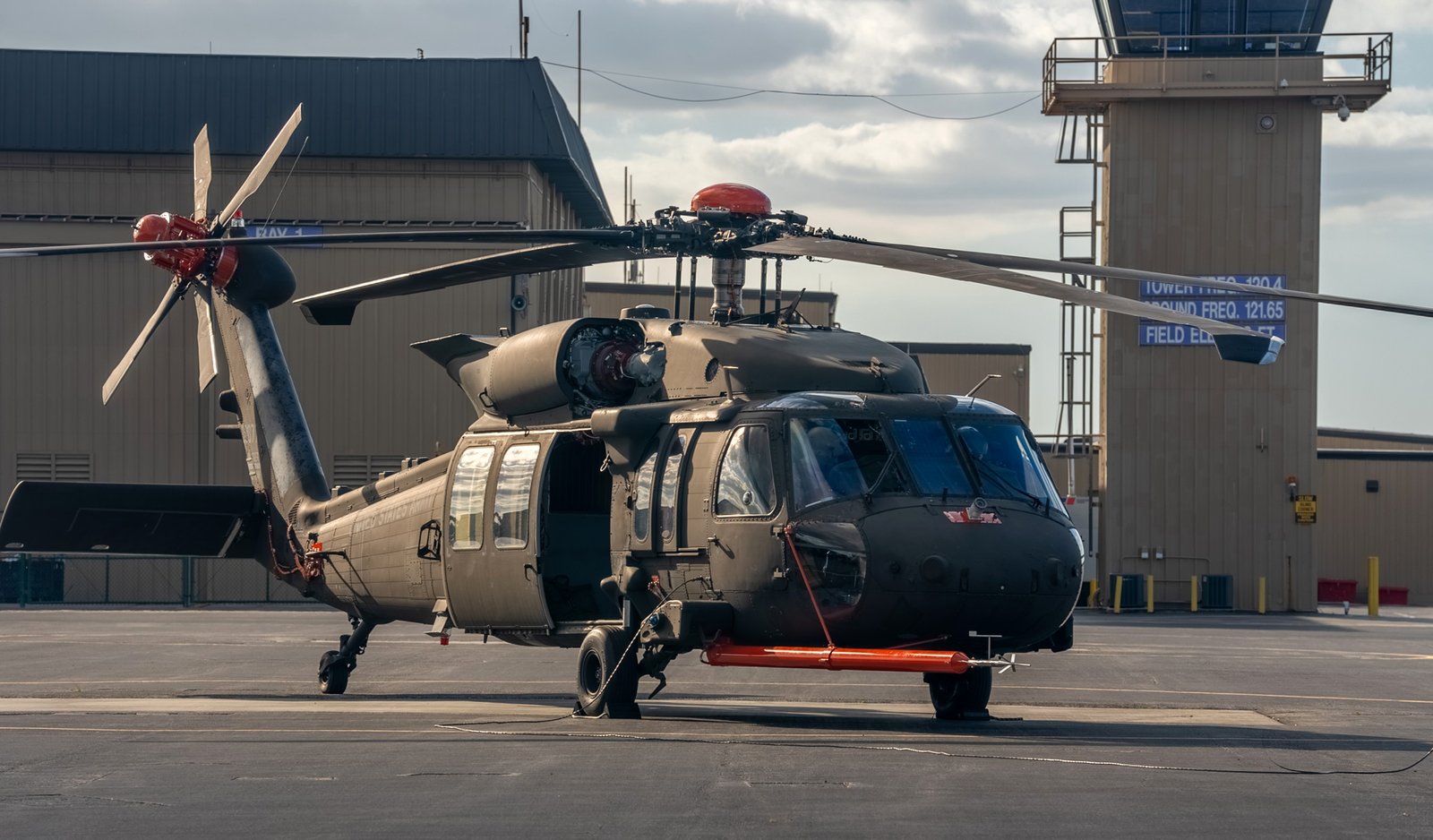
SNA is not just for commercial airliners like Boeing 737s or Airbus A320s. It also sees heavy traffic from small private planes, corporate jets, and military aircraft. managing the separation between a slow-moving helicopter and a fast-moving commercial jet is one of the most complex tasks for Air Traffic Control (ATC). This mix of speeds and aircraft sizes requires constant vigilance to prevent close calls and ensure every vehicle maintains its designated flight path.
How Air Traffic Safety is Maintained at SNA
Safety in the skies is managed through a combination of human expertise and advanced technology. The FAA oversees all operations at SNA, ensuring that every movement on the ground and in the air follows strict guidelines. When different types of aircraft, such as a commercial airliner and a military helicopter, operate in the same vicinity, specific protocols are triggered.
The Role of Air Traffic Control (ATC)
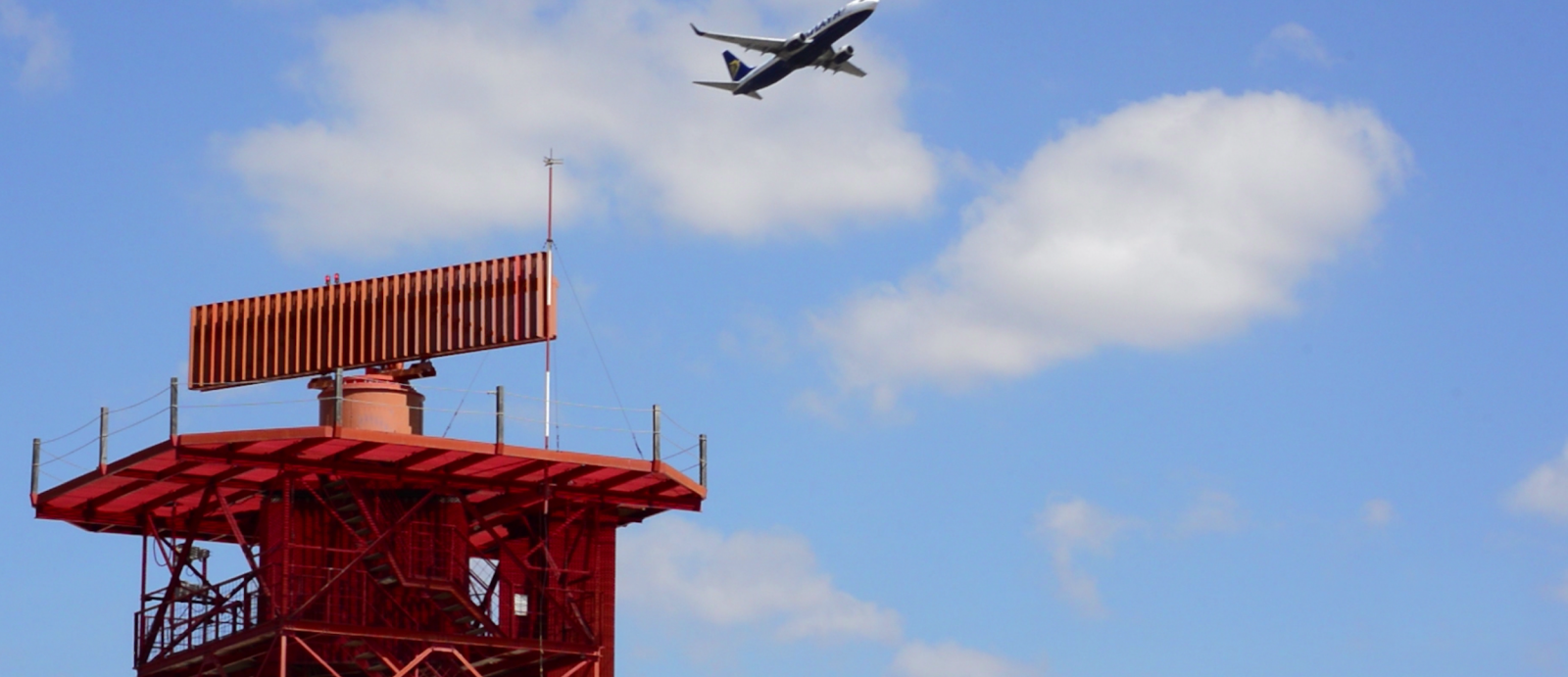
Controllers at SNA are responsible for maintaining horizontal and vertical separation between aircraft. In high-traffic zones, this separation is typically measured in miles or thousands of feet. Experts suggest that the use of advanced radar systems and Automated Dependent Surveillance-Broadcast (ADS-B) technology allows controllers to see real-time data on every aircraft's position, speed, and altitude.
Understanding Loss of Separation
A loss of separation occurs when two aircraft come closer than the mandated safety limits. While this does not always mean a collision is imminent, it is treated with extreme seriousness by the FAA. Investigative bodies look into these incidents to determine if they were caused by pilot error, controller error, or equipment failure. These investigations are vital for improving future safety standards and training programs.
Core Concepts of Aviation Safety Protocols
If you are interested in how aviation safety works, here are the core concepts that govern busy airports like SNA:
- TCAS (Traffic Collision Avoidance System): This is an onboard system that monitors the airspace around an aircraft and provides pilots with instructions to climb or descend if another plane gets too close.
- Visual Flight Rules (VFR) vs. Instrument Flight Rules (IFR): Smaller aircraft often fly using VFR (looking out the window), while commercial jets use IFR (relying on instruments). Coordinating these two types of traffic is a major focus for ATC.
- Sterile Cockpit Rule: During critical phases of flight, such as takeoff and landing at SNA, pilots are prohibited from engaging in non-essential conversation to maintain total focus.
- Standard Instrument Departures (SID): These are pre-defined flight paths that planes must follow after takeoff to stay clear of obstacles and other traffic.
Common Mistakes and Safety Challenges
Even with the best technology, challenges can arise in the cockpit or the control tower. Some common issues include:
- Communication Lapses: Misunderstandings between a pilot and a controller regarding altitude or heading can lead to deviations from a safe path.
- Wake Turbulence: Large jets create powerful air currents behind them. If a smaller aircraft or a helicopter follows too closely, they can be caught in this turbulence, leading to a loss of control.
- Environmental Factors: Southern California is known for coastal fog and haze, which can reduce visibility and make visual separation more difficult.
Pro Tips for Aviation Enthusiasts and Travelers
If you are flying in or out of SNA, or if you are a student of aviation, keep these insights in mind:
1. Watch the Takeoff: If you are a passenger, pay attention to the steep ascent. It is one of the most unique experiences in commercial aviation and demonstrates the incredible power of modern jet engines.
2. Understand the Radar: Use flight tracking apps to see how ATC sequences planes into the narrow corridor for SNA. You will notice how they often circle or slow down planes far in advance to ensure a safe landing gap.
3. Respect the Rules: For private pilots, flying into SNA requires a high level of proficiency. Always double-check the latest NOTAMs (Notices to Air Missions) and be prepared for rapid instructions from the tower.
Frequently Asked Questions about SNA
Why is John Wayne Airport called SNA?
The code SNA stands for Santa Ana, the city that was the primary urban center near the airport when the IATA codes were first established. Even though it is now widely known as John Wayne Airport, the original code remains for consistency in global flight systems.
Is SNA a dangerous airport because of the short runway?
No, SNA is not considered dangerous. While the runway is shorter than average, it is perfectly safe for the aircraft types that are authorized to use it. Pilots receive specific training for short-field operations, and the airport maintains excellent safety records.
How do helicopters and planes share the same airspace?
Helicopters typically fly at lower altitudes and follow different paths than fixed-wing aircraft. ATC uses specific corridors and altitude blocks to keep them separated. In areas where paths might cross, controllers provide constant updates to both pilots to ensure they see each other.
What happens during an FAA investigation of a close call?
The FAA reviews radar data, cockpit voice recordings, and ATC transcripts. They interview the pilots and controllers involved. The goal is not just to assign blame but to identify systemic issues that can be fixed to prevent a recurrence.
Are there international flights from SNA?
Yes, SNA handles several international flights, primarily to destinations in Canada and Mexico. However, because of the runway length, it cannot accommodate the massive wide-body jets used for transoceanic flights to Europe or Asia.
SNA vs LAX: Key Differences
To better understand how unique SNA is, it helps to compare it with Los Angeles International Airport (LAX):
- Runway Length: SNA’s main runway is about 5,700 feet, while LAX runways exceed 10,000 feet
- Traffic Volume: LAX handles significantly more international and wide-body aircraft
- Operational Complexity: SNA requires steeper climbs and faster braking due to space limitations
- Noise Regulations: SNA has stricter noise control rules compared to LAX
This comparison shows why SNA demands a higher level of precision from pilots during both takeoff and landing.
Conclusion
SNA or John Wayne Airport remains a fascinating example of how aviation technology and strict regulatory oversight allow for safe operations in a constrained urban environment. From the unique steep-climb takeoffs to the complex management of military and commercial traffic, the airport serves as a testament to the precision of modern flight. As air traffic continues to grow globally, the lessons learned from the operations at SNA regarding noise management, separation safety, and pilot training continue to influence aviation standards around the world. Whether you are a frequent flyer or an industry professional, understanding the mechanics of this Orange County hub offers valuable insight into the dedication required to keep our skies safe.
Related Media
Quick View: Understanding SNA: A Guide to John Wayne Airport Operations and Air Traffic Safety





Comments 0
Leave a Reply
Your email address will not be published. Required fields are marked *
Be the first to share your thoughts!