
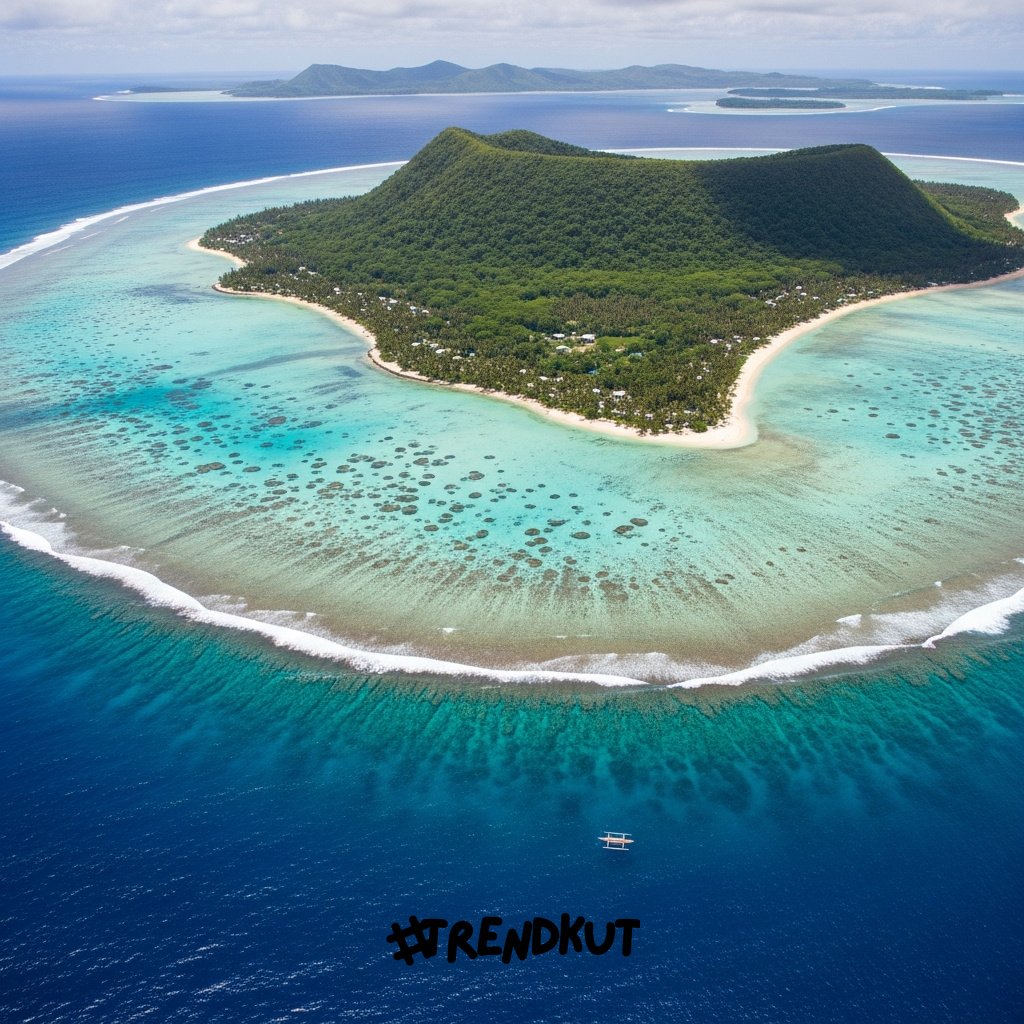
💡 Who is Tonga?
Explore the fascinating geography, culture, and geological significance of Tonga. Learn why this South Pacific nation is a focal point for seismic research and natural beauty.
Where is the Kingdom of Tonga located?
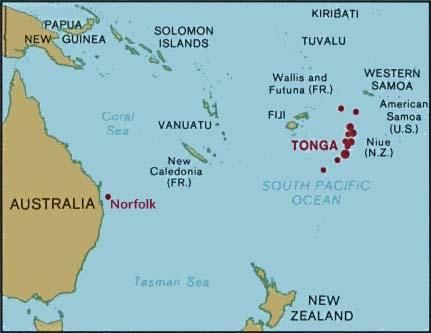
The Kingdom of Tonga is an archipelago situated in the South Pacific Ocean, approximately one third of the way between New Zealand and Hawaii. It consists of more than 170 islands, though only about 36 of them are permanently inhabited. Known affectionately as the Friendly Islands, Tonga is unique among Pacific nations because it never formally lost its indigenous governance to a foreign power. This sovereignty has preserved a rich cultural heritage that remains vibrant today.
Geographically, Tonga is divided into three main island groups: Tongatapu in the south, Haapai in the center, and Vavau in the north. The capital, Nukualofa, is located on the largest island, Tongatapu. The nation sits atop a massive underwater mountain range, which plays a critical role in its geological identity. According to global geological analysts, the region is one of the most complex and active tectonic environments on Earth.
Why is Tonga a hotspot for seismic activity?
Tonga’s position on the Pacific Ring of Fire means it experiences frequent earthquakes due to the subduction of the Pacific Plate beneath the Indo-Australian Plate. While most tremors are minor, some can trigger tsunamis. The depth and type of earthquake determine the actual risk, so local authorities maintain constant monitoring to protect residents and visitors.
How does the Tonga Trench impact the region?
The Tonga Trench is not just a geological curiosity; it is a fundamental driver of the islands' physical existence. The subduction process creates extreme heat and pressure, which melts the descending plate and creates magma. This magma rises to the surface, forming the volcanic arc that makes up the western chain of Tongan islands. This volcanic activity contributes to the fertile soil on many islands, supporting local agriculture.
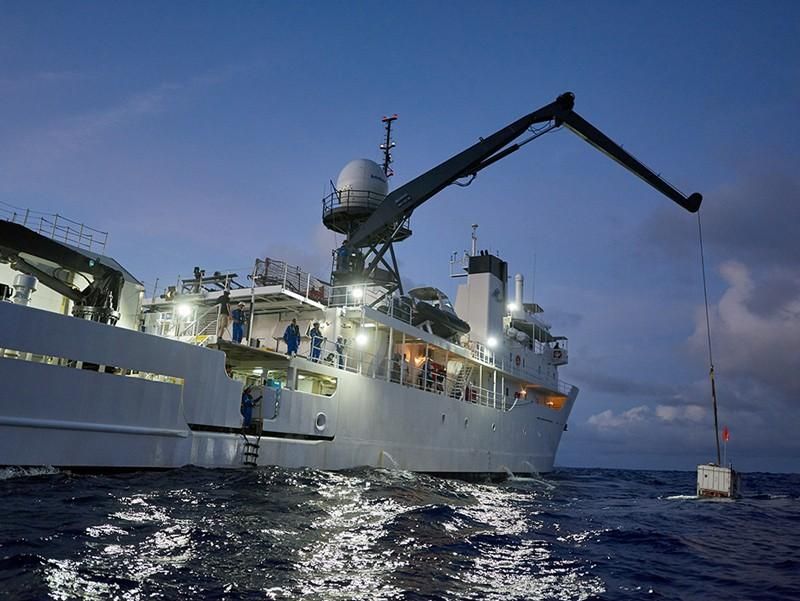
However, the depth of the trench also means that earthquakes in this region can sometimes trigger tsunamis. Because the water displacement happens so deep in the ocean, the resulting waves can travel across the Pacific at high speeds. This is why international monitoring systems, such as the Pacific Tsunami Warning Center, maintain a constant watch on the seismic sensors located near Tonga.
What are the core concepts of Tongan geography?
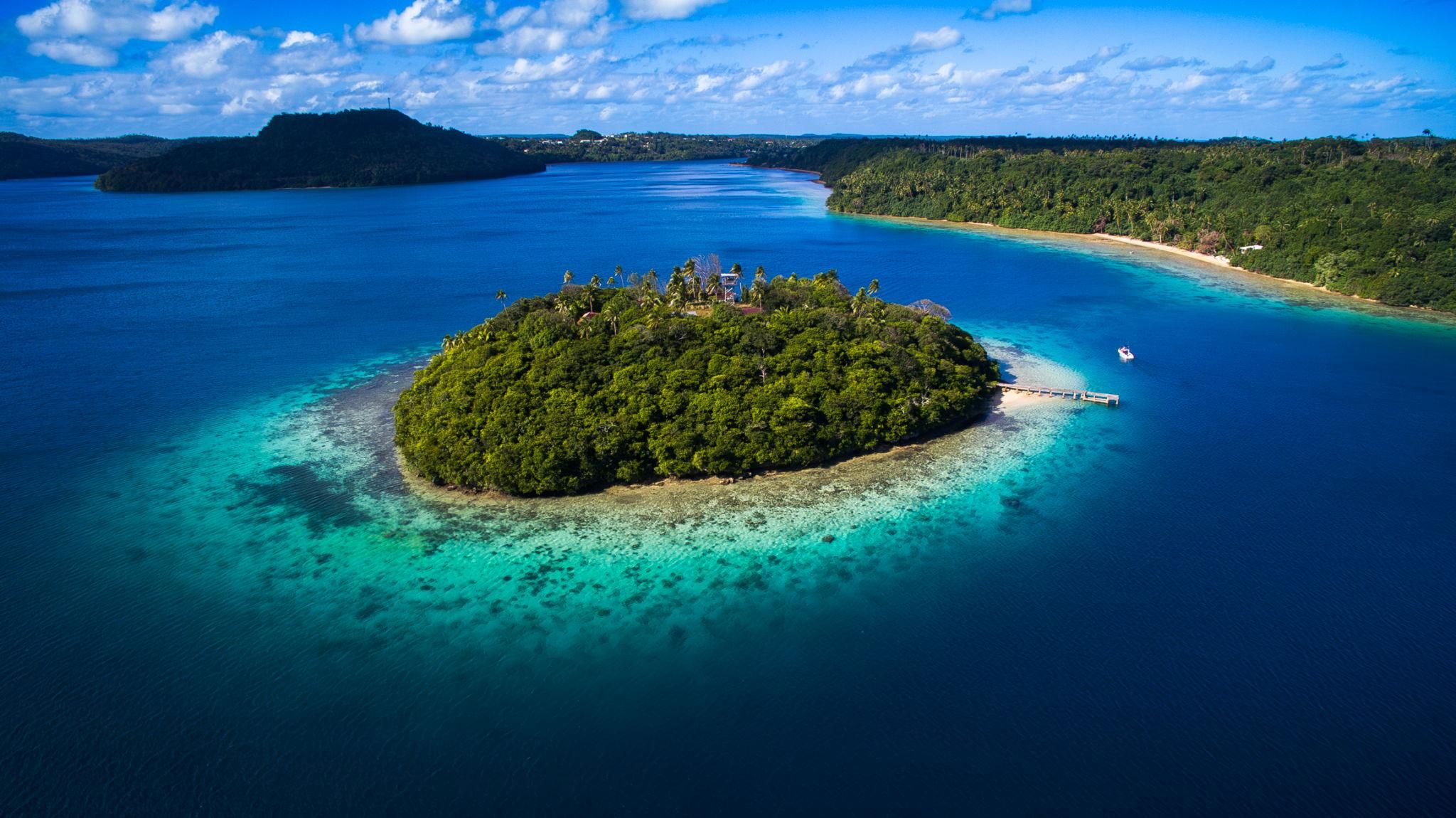
To understand Tonga, one must look at the two distinct types of islands that make up the kingdom. The eastern islands, including Tongatapu and Vavau, are primarily composed of uplifted coral limestone. These islands are relatively flat and characterized by sandy beaches and lagoons. In contrast, the western islands are volcanic in origin and feature more rugged, mountainous terrain.
- Coral Islands: Older and more stable, forming the main living areas for most residents.
- Volcanic Islands: Younger, with rugged terrain. Notably, Hunga Tonga Hunga Ha’apai has gained attention for recent volcanic activity.
- The Marine Environment: Tonga is surrounded by vast coral reef systems that are essential for biodiversity and the local fishing industry.
How to prepare for seismic events in the South Pacific?
For residents and visitors in the South Pacific, understanding safety protocols is essential. While modern infrastructure in Tonga is built to withstand significant movement, the primary threat often comes from the sea. Experts recommend a three step approach to seismic safety in the region:
1. Awareness of Natural Signs: If you feel a strong earthquake that lasts for more than a minute or makes it difficult to stand, it is a natural warning of a potential tsunami. Similarly, if the ocean recedes unusually far from the shore, it is time to move inland immediately.
2. High Ground Strategy: In low lying areas like Nukualofa, knowing the quickest route to high ground or an inland location is vital. Local authorities have established evacuation routes that are clearly marked throughout the main islands.
3. Communication Channels: Staying informed through local radio and official government social media channels is crucial. According to regional disaster management experts, official warnings provide the most accurate information regarding wave heights and arrival times.
What are the benefits of Tongas unique location?
Despite the geological challenges, Tonga's location offers extraordinary benefits. The deep waters of the Tonga Trench and the surrounding reef systems create a unique habitat for marine life. One of the most famous examples is the annual migration of humpback whales. From June to October, these majestic creatures travel from Antarctica to the warm Tongan waters to mate and give birth.
This natural phenomenon has made Tonga one of the premier destinations in the world for responsible whale watching and swimming. The volcanic soil also allows for the cultivation of high quality crops such as vanilla, kava, and squash, which are major exports for the kingdom. Furthermore, the isolation of the islands has fostered a strong sense of community and a culture that prioritizes hospitality and traditional values.
Common mistakes in understanding Pacific seismology
A common misconception is that every large earthquake in the South Pacific will cause a devastating tsunami. In reality, the depth of the earthquake and the type of fault movement play significant roles. A deep earthquake, even if it has a high magnitude, may not displace enough water to create a dangerous wave at the surface. Another mistake is assuming that only the initial wave of a tsunami is dangerous. Often, the second or third waves are larger and more destructive than the first.
Pro tips for travelers visiting Tonga
If you are planning a trip to this beautiful kingdom, keep these expert insights in mind. First, respect the local customs, especially on Sundays. Tonga is a deeply religious nation, and almost all businesses, including cafes and tour operators, close on Sundays to observe the Sabbath. Second, always carry a small emergency kit that includes a flashlight and a portable power bank, as power outages can occur during heavy tropical storms.
Finally, engage with the local community. The Tongan people are known for their storytelling and cultural pride. Visiting a local market or attending a traditional feast (umu) provides a much deeper understanding of the islands than staying solely within a resort. As per travel industry veterans, the best way to experience the South Pacific is to slow down and follow the local pace of life, often referred to as island time.
Frequently Asked Questions
Where is the safest place to be during an earthquake in Tonga?
The safest place is in an open area away from buildings, trees, and power lines. If you are indoors, the standard advice is to drop, cover, and hold on under a sturdy piece of furniture. If you are near the coast, the priority is to move to high ground immediately after the shaking stops.
How often do large earthquakes occur near Tonga?
Large earthquakes occur periodically due to the movement of the Pacific Plate. While small tremors are a daily occurrence, significant events that are felt by the population happen several times a year. The region is one of the most monitored seismic zones in the world.
Can you swim with whales in Tonga?
Yes, Tonga is one of the few places in the world where it is legal and regulated to swim with humpback whales. It is important to book with licensed operators who follow strict environmental guidelines to ensure the safety of both the whales and the swimmers.
What is the best time of year to visit Tonga?
The best time to visit is during the dry season, which runs from May to October. This period offers cooler temperatures, lower humidity, and coincides with the whale watching season. The wet season, from November to April, can be very hot and is also the period when tropical cyclones are most likely to occur.
Is Tonga a volcanic island?
Tonga is a mix of both volcanic and coral islands. The western chain of islands is primarily volcanic, while the eastern islands, where the majority of the population lives, are mostly uplifted coral limestone. This dual nature creates a diverse landscape across the archipelago.
Conclusion
The Kingdom of Tonga remains a testament to the power of nature, shaped by the profound geological forces of the South Pacific. While its location on the Ring of Fire brings frequent seismic activity, it also provides the nation with fertile lands and a breathtaking marine environment. By understanding the science behind the tremors and respecting the local culture, visitors and residents alike can appreciate the unique beauty of the Friendly Islands.
Related Media
Quick View: Understanding the Kingdom of Tonga: A Deep Dive into the Geography and Seismic Science of the South Pacific





Comments 0
Leave a Reply
Your email address will not be published. Required fields are marked *
Be the first to share your thoughts!