Understanding the Complexities of Weather: A Human Guide
Here we are, on March 11, 2026, and our planet's atmosphere is still putting on its incredible, non-stop show, bringing us all sorts of conditions that truly impact our daily lives. Just look at the past 24 hours! We've seen everything from surprising warmth in the Northern Hemisphere to relentless rain hitting crucial farming areas. It's a perfect snapshot, really, of just how complex weather can be. But grasping these atmospheric shifts isn't just for science buffs; it's absolutely vital for keeping us safe, helping us plan our days, and even for truly appreciating the amazing natural world around us. Who among us hasn't checked the forecast before heading out the door?
What is Weather?
So, what exactly *is* weather? Basically, it's the temporary, localized state of the atmosphere right where you are, right this very moment. Think of it as the mood of the sky right now, right where you are. It's pretty different from climate, by the way. Climate is all about those long-term atmospheric patterns, like "this region usually has hot summers." Weather? That's all about right now, the immediate situation. A city could have been enjoying glorious sunshine yesterday, only to wake up today under a thick blanket of clouds and rain. That's the beauty - and sometimes the frustration - of weather: its constant, dynamic, and often unpredictable shifts.
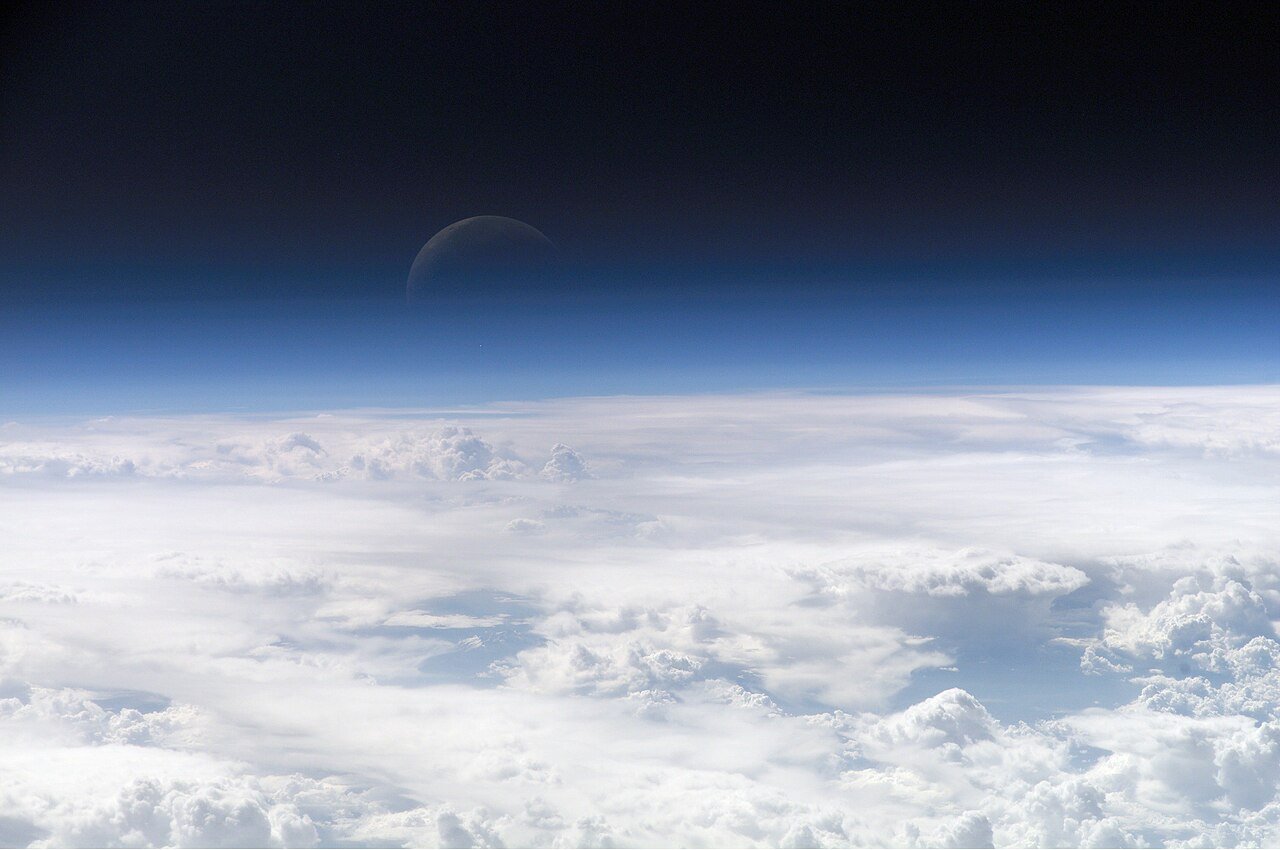
Defining Weather: Temperature, Humidity, and Precipitation
To really get a handle on weather, we need to break it down into its core ingredients:
- Temperature: This is probably the first thing we notice. It's simply how hot or cold the air feels. Over the last 24 hours, meteorologists have reported some truly unusual temperature swings across continents. Some spots are feeling springtime warmth, while others are still battling lingering winter chills. These wild variations? They're all thanks to intricate interactions between the sun's energy, different air masses, and the land's geography.
- Humidity: This one tells us how much water vapor is hanging out in the air. High humidity can make a warm day feel even more sweltering and sticky, while low humidity usually means dry conditions. Recent reports from our coastal areas have pointed to increased humidity, which explains those thick morning fogs. Meanwhile, inland regions might be experiencing a much drier atmosphere.
- Precipitation: This is just a fancy word for any form of water that falls from the sky to the ground. It could be rain, snow, sleet, or hail. Just this morning, heavy rainfall unfortunately led to localized flooding in parts of Southeast Asia. At the same time, mountain ranges in North America received a fresh dusting of snow, a perfect reminder of how many different forms precipitation can take.
- Wind: That feeling of air moving? That's wind, and it's created by differences in atmospheric pressure. Strong winds have definitely been a noticeable feature in several regions over the past day, not only affecting travel but even fanning dangerous wildfires in areas already struggling with drought.
- Cloudiness: The sheer presence and specific types of clouds play a huge role in our weather, directly influencing how much sunlight we get and whether precipitation is on its way.
Types of Weather
Weather isn't just one big thing; it shows up in countless ways, each with its own quirks and consequences. From those perfectly clear, sunny days to roaring blizzards, understanding these different types helps us make sense of the world around us.
Cloudy Weather: Understanding Cloud Formation and Types
Clouds are essentially visible masses of tiny water droplets or ice crystals floating high up in the atmosphere. They're super important indicators of what weather might be coming our way. In the past 24 hours, for instance, huge expanses of stratus clouds have completely covered parts of Europe, leading to persistent drizzle and those classic grey skies. At the same time, towering cumulonimbus clouds brought intense, though localized, thunderstorms to parts of South America.
Cloud formation kicks off when moist air rises and starts to cool. As it cools, the water vapor condenses around minuscule particles (we call them condensation nuclei) to form those visible droplets or crystals. Different altitudes and atmospheric conditions then produce distinct cloud types:
- Cirrus: These are those high, wispy, feathery clouds, made of ice crystals. They often signal fair weather but can sometimes hint at a change on the horizon.
- Stratus: Picture low, grey, sheet-like clouds. They frequently bring drizzle or light snow, much like those recently observed blanketing parts of the UK.
- Cumulus: These are your classic puffy, white clouds with flat bases, usually associated with nice, fair weather. If they start growing upwards, they can transform into something much more dramatic: cumulonimbus.
- Cumulonimbus: These are the big, dark, towering clouds that are notorious for producing thunderstorms, heavy rain, lightning, and sometimes even hail. They were the culprits behind the intense downpours seen in tropical regions just yesterday.
High-Pressure Systems and Low-Pressure Systems
Behind every single weather pattern lies the constant push and pull between high and low-pressure systems. These are enormous air masses that pretty much dictate how weather flows across entire regions:
- High-Pressure Systems: These are characterized by air that's sinking. When a high-pressure system is around, you typically get clear skies, calm winds, and generally stable, pleasant weather. Over the last day, a dominant high-pressure system settled right over the central United States, treating everyone to sunny conditions and mild temperatures. This sinking air effectively prevents clouds from forming and stops precipitation.
- Low-Pressure Systems: In contrast, low-pressure systems are all about rising air. They often bring cloudy skies, strong winds, and precipitation. The severe weather that tore across parts of Australia yesterday, dumping heavy rains and bringing gusty winds, was largely influenced by an intense low-pressure system. The rising air in these systems cools down, leading directly to condensation and the formation of clouds.
Impact of Weather on the Environment
The immediate effects of weather are obvious in our daily lives, but its broader impact on the environment is incredibly profound and far-reaching. From shaping entire ecosystems to triggering devastating natural disasters, weather truly is a powerful force of nature.
Weather Patterns and Natural Disasters
Over the past 24 hours, we've clearly seen how shifting weather patterns can quickly escalate into major environmental challenges. Prolonged dry spells in one region are creating perfect conditions for wildfires to ignite and spread, while intense rainfall in another has pushed rivers right to their breaking point. These events powerfully underscore the critical link between our daily weather and those larger-scale natural disasters we all worry about.
Meteorology, which is the scientific study of weather, really helps us track and predict these patterns, providing crucial lead times for us to prepare. Organizations like the National Weather Service (NWS) and even popular channels like The Weather Channel play absolutely vital roles in getting this information out to everyone globally.
Droughts, Floods, and Hurricanes: Understanding the Risks
While massive, seasonal disasters like hurricanes operate on their own timeline, the conditions that lead to droughts and floods are often a direct result of recent weather patterns:
- Droughts: These happen when a region experiences significantly less precipitation than average for a long, extended period. Reports from agricultural zones in Africa today highlight growing concerns over worsening drought conditions, which directly threaten vital crop yields and water supplies. Droughts can utterly devastate ecosystems, agriculture, and local economies.
- Floods: On the flip side, floods are caused by excessive rainfall, rapid snowmelt, or storm surges. The heavy rains that swept through urban areas in South America yesterday unfortunately led to flash floods, completely disrupting daily life and causing damage to infrastructure. Floods can contaminate water sources, destroy property, and displace entire communities.
- Hurricanes (Tropical Cyclones): While these aren't a 24-hour event, these incredibly powerful rotating storms form over warm ocean waters and unleash destructive winds, torrential rain, and dangerous storm surges. Though no major basins are currently active, understanding their formation and destructive potential is a crucial part of comprehensive weather knowledge, especially since atmospheric conditions and sea temperatures are constantly being monitored for any early signs of development.
Staying Safe During Extreme Weather Conditions
Given how unpredictable weather can be, especially with those noticeable shifts in global weather patterns we've been observing, preparing for severe conditions is more important than ever. The past day's events, from sudden, heavy downpours to strong, gusty winds, serve as a stark reminder that vigilance is absolutely key. Doesn't it just make you want to check your emergency kit right now?
Preparing for Severe Weather: Tips and Tricks
Being truly prepared means having a solid plan in place *before* a storm even thinks about hitting. Here are some super practical steps you can take:
- Stay Informed: Make it a habit to regularly check your local weather forecasts from trustworthy sources like the National Weather Service or reputable news channels. Pay close attention to any warnings and advisories issued.
- Develop a Family Emergency Plan: Sit down with your family and talk through what you'll do, where you'll go, and how you'll communicate in an emergency. Practice your plan regularly so everyone knows their role.
- Build an Emergency Kit: Your kit should include essentials like water (aim for one gallon per person per day for at least three days), non-perishable food, a first-aid kit, a battery-powered radio, a flashlight, extra batteries, and any necessary medications.
- Secure Your Home: Take some time to trim any overgrown trees and shrubs, clean out your gutters, and secure loose outdoor items that could easily become dangerous projectiles in high winds.
- Know Your Evacuation Routes: If you happen to live in an area prone to flooding or other hazards, make sure you understand and know the designated evacuation routes by heart.
Emergency Preparedness and Response
When severe weather actually strikes, your response can truly make all the difference:
- During a Storm: Stay indoors, and importantly, stay away from windows. If authorities advise you to evacuate, do so immediately and without hesitation. Never, ever drive or walk through floodwaters - it's far too dangerous.
- After a Storm: Be incredibly cautious of downed power lines, damaged structures, and potentially contaminated water sources. Always follow instructions from your local authorities.
- Community Involvement: Get involved! Participate in local emergency drills and community preparedness programs. A strong, united community response can significantly reduce the overall impact of severe weather.
The recent reports of localized flooding and strong winds really emphasize the urgent need for immediate action when alerts are issued. A timely response can literally save lives and prevent serious injuries.

The Dual Nature of Weather's Impact: Challenges and Benefits of Understanding
Weather is truly a double-edged sword. Its challenges are undeniable, but our ever-growing understanding of it brings some pretty significant benefits too.
Challenges:
- Destructive Power: Extreme weather events like droughts, floods, hurricanes, and blizzards cause immense damage to infrastructure, agriculture, and human lives, as we've sadly seen from various reports over just the last 24 hours.
- Economic Disruption: Weather-related disasters unfortunately lead to significant economic losses, impacting industries from tourism to transportation and causing huge spikes in insurance claims.
- Health Risks: Heatwaves, sudden cold snaps, and air pollution, which can be made worse by certain weather patterns, all pose serious health threats to people.
- Unpredictability: Despite all our amazing advancements, sudden shifts and highly localized extreme events can still catch communities completely off guard.
Benefits of Understanding:
- Enhanced Safety: Accurate forecasting and public awareness campaigns, like those from the National Weather Service, directly lead to fewer casualties and injuries during severe weather events.
- Agricultural Planning: Farmers absolutely rely on good weather predictions for planting, harvesting, and managing irrigation, all of which optimize yields and prevent devastating crop loss.
- Resource Management: Understanding precipitation patterns is crucial; it helps us manage vital water resources, which are essential for both human consumption and hydroelectric power generation.
- Economic Opportunity: Entire industries, like renewable energy (think wind and solar), depend heavily on precise weather data for optimal operation and smart planning.
- Scientific Advancement: The ongoing study of weather, a fascinating branch of Atmospheric Science, continuously pushes the boundaries of our understanding of Earth's incredibly complex systems, including the critical issue of climate change.
Expert-Style Opinion
The ever-present reality of weather's dynamism, so vividly highlighted by today's global atmospheric activity, reinforces a truly critical message: our collective resilience against its extremes hinges not just on impressive technological advancements in forecasting, but equally on proactive community preparedness and individual vigilance. Embracing meteorological knowledge is no longer a niche interest; it's become a fundamental aspect of modern societal well-being and truly sustainable living.
FAQs
Here are some of the most frequently asked questions we hear about weather:
What is weather?
Weather refers to the temporary and local conditions of the atmosphere at a specific place and time. This includes things like temperature, humidity, cloudiness, wind, and precipitation. Basically, it's what you experience outside, day-to-day.
What is the difference between weather and climate?
This is a common one! Weather describes short-term atmospheric conditions-what's happening outside right now, or what's expected over the next few days. Climate, on the other hand, refers to the long-term patterns of atmospheric conditions in a specific region, usually averaged over 30 years or more. A good way to remember it? Think of weather as a mood, and climate as a personality.
How do weather patterns affect the environment?
Weather patterns have a really profound impact on the environment, influencing everything from how vegetation grows and how water cycles, to the occurrence of natural disasters. They can cause major events like droughts, floods, wildfires, and hurricanes, ultimately shaping landscapes and entire ecosystems.
What are the most common types of precipitation?
The most common types of precipitation you'll encounter include rain (which is liquid water), snow (beautiful ice crystals), sleet (those tiny ice pellets), and hail (irregular lumps of ice). The specific type that falls depends entirely on the temperature profile of the atmosphere from the cloud all the way down to the ground.
How can I stay safe during extreme weather conditions?
To stay safe, always make sure to monitor your local weather forecasts from reliable sources. It's also vital to have a family emergency plan, prepare an emergency kit with all the essentials, secure your home, and know your evacuation routes. Most importantly, during an actual event, always follow instructions from local authorities and prioritize your personal safety over property.
Conclusion
The weather, in all its complex and often awe-inspiring glory, remains an incredibly powerful and ever-present force in our lives. From the gentle whisper of a breeze to the furious roar of a storm, each atmospheric event shapes our environment and truly dictates our daily routines. As we reflect on the diverse weather phenomena observed just today, it's crystal clear that understanding its intricacies, its wide-ranging impacts, and how to safely navigate its extremes is absolutely paramount. By staying informed, preparing diligently, and fostering a deep respect for the sheer power of nature, we can build more resilient communities and cultivate an even deeper appreciation for the air we breathe and the magnificent skies above us. So, let the rhythm of the atmosphere inspire us to be ever-prepared, ever-learning, and ever-connected to the wonderful world around us.