
💡 United Airlines Strategic Analysis: Aviation Market Leadership
A comprehensive strategic analysis of United Airlines, focusing on the United Next initiative, global fleet expansion, and financial ROI in the post-pandemic aviation sector.
Executive Summary
United Airlines Holdings, Inc. (UAL) has undergone a radical transformation from a legacy carrier focused on cost-containment to a growth-oriented industry leader. This strategic analysis examines the United Next plan, an ambitious initiative aimed at increasing domestic capacity by nearly 30 percent while simultaneously capturing the high-margin international travel market. Key data highlights include a record-breaking 2023 revenue of 53.7 billion dollars, representing a significant recovery and growth trajectory compared to pre-pandemic levels. The airline is currently executing one of the largest aircraft orders in aviation history, with over 700 new narrow-body and wide-body jets scheduled for delivery. This analysis evaluates how United leverages its hub-and-spoke model, particularly in Newark, Chicago, and Denver, to maintain a competitive moat against both low-cost carriers and traditional rivals like Delta and American Airlines.
Introduction: The Strategic Pivot of a Legacy Giant
The global aviation industry operates within a framework of high capital expenditure, volatile fuel prices, and complex regulatory environments. For United Airlines, the last five years have been defined by a transition toward premiumization and operational scale. Under the leadership of CEO Scott Kirby, the company has moved away from the industry-wide trend of capacity discipline, choosing instead to invest heavily in fleet modernization and customer experience. This shift is not merely about size; it is a calculated effort to optimize the revenue per available seat mile (RASM) by capturing a larger share of the business and premium leisure segments. As the global economy faces shifts in labor dynamics, similar to those discussed in the H-1B Visa Policy and Global Talent Strategy, United must navigate a tightening market for specialized technical talent and pilot shortages while maintaining its aggressive growth targets.
THE DEEP DIVE: Analyzing the United Next Strategy
The cornerstone of United's current trajectory is the United Next program. This strategy focuses on three primary pillars: increasing the number of available seats per departure in North America, enhancing the premium cabin offerings, and upgrading the narrow-body fleet to include modern amenities like larger overhead bins and seatback entertainment. By replacing smaller regional jets with larger mainline aircraft, United effectively lowers its cost per available seat mile (CASM) excluding fuel, which is a critical metric for long-term profitability.
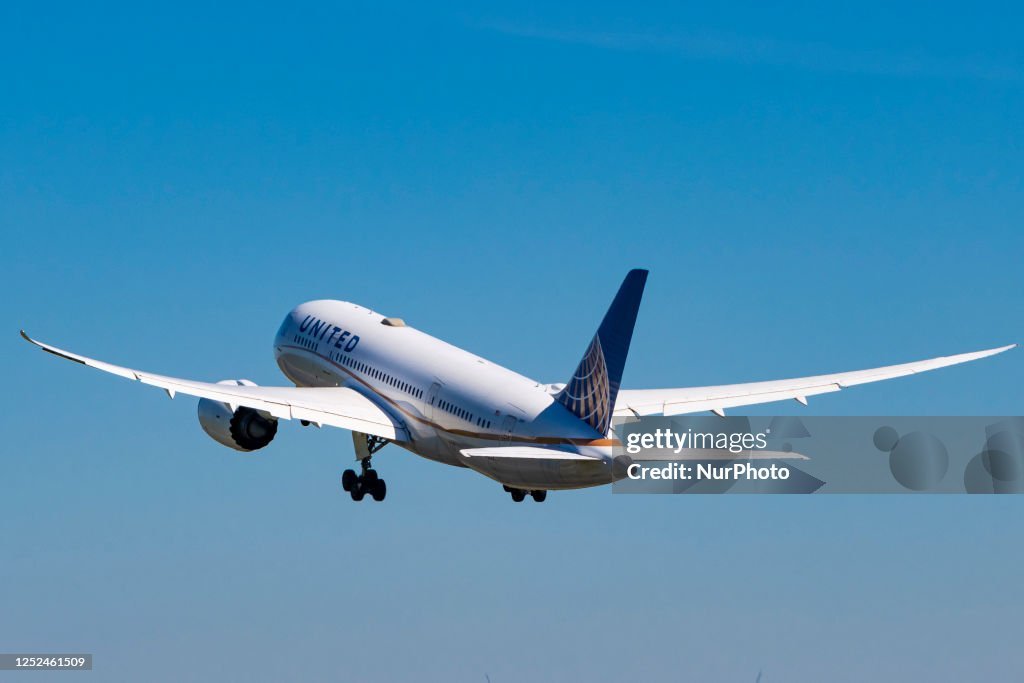
In terms of fleet logistics, United has secured massive orders with both Boeing and Airbus. The acquisition of the Boeing 787 Dreamliner and the Airbus A321neo allows the carrier to serve long-haul international routes with superior fuel efficiency. This global reach is a distinct competitive advantage. Currently, United is the largest U.S. carrier across both the Atlantic and the Pacific. This dominance in international markets provides a hedge against domestic price wars. The airline's ability to maintain global leadership mirrors the industrial scaling seen in other sectors, such as the Tata Steel: Strategic Analysis of Global Market Leadership, where geographic diversification and capacity management are key to mitigating regional downturns.
Financial performance in the fiscal year 2023 demonstrated the efficacy of this model. The company reported a pre-tax margin of 9.5 percent on an adjusted basis. A significant portion of this success is attributed to the MileagePlus loyalty program. Valued at approximately 20 billion dollars, MileagePlus is no longer just a marketing tool; it is a vital financial asset that provides high-margin revenue through credit card partnerships and data monetization. This digital ecosystem approach to customer retention is comparable to the strategies employed by tech giants, as seen in the Spotify Business Strategy: A Deep Analysis of Audio Dominance, where user data and platform stickiness drive long-term valuation.
Operational Efficiency and Sustainability
United has also positioned itself as a leader in Sustainable Aviation Fuel (SAF). The company has committed to being 100 percent green by 2050 without relying on traditional carbon offsets. To date, United has invested in more SAF production than any other airline globally. This is a strategic move to future-proof the business against increasing environmental regulations and carbon taxes in Europe and North America. From a risk management perspective, this proactive stance reduces the long-term threat of stranded assets and ensures compliance with evolving ESG (Environmental, Social, and Governance) standards.
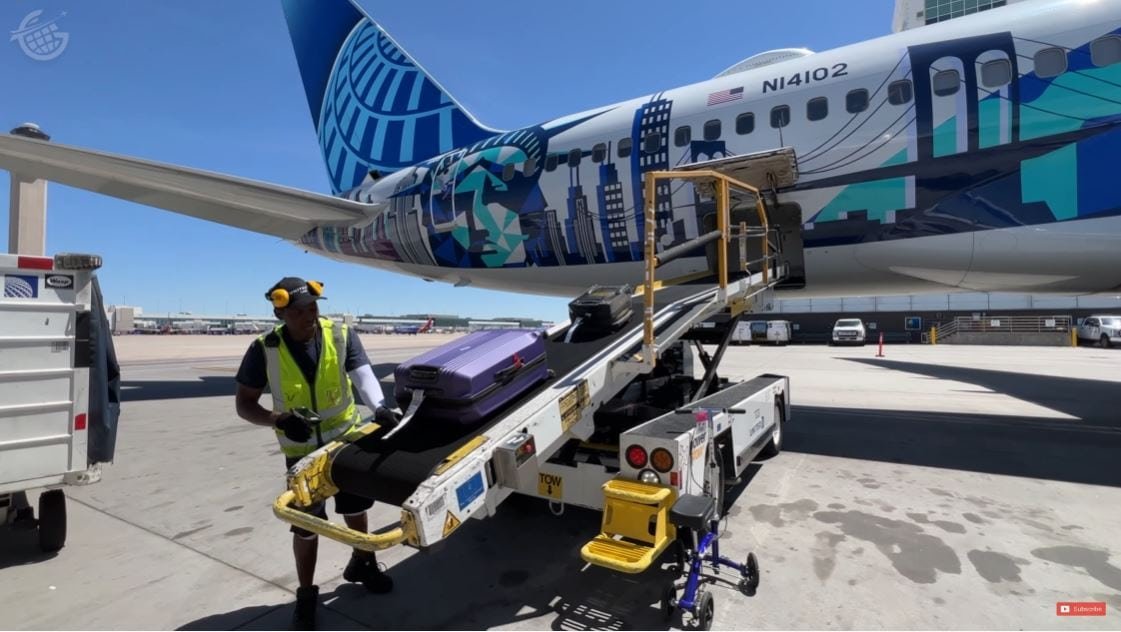
The hub strategy remains a critical component of United's operational DNA. By concentrating traffic through major gateways like San Francisco (SFO) and Houston (IAH), United maximizes connectivity. The Newark (EWR) hub, in particular, serves as the premier gateway to the New York City market, allowing United to command premium pricing on trans-Atlantic routes. However, this concentration also brings risks, such as infrastructure constraints and weather-related disruptions, which require constant investment in AI-driven scheduling and recovery tools.
WHAT THIS MEANS FOR YOU: Actionable Breakdown
- For Investors: Focus on the CASM-ex (Cost per Available Seat Mile excluding fuel) trends. United's ability to keep this metric stable while growing capacity is the primary indicator of its financial health.
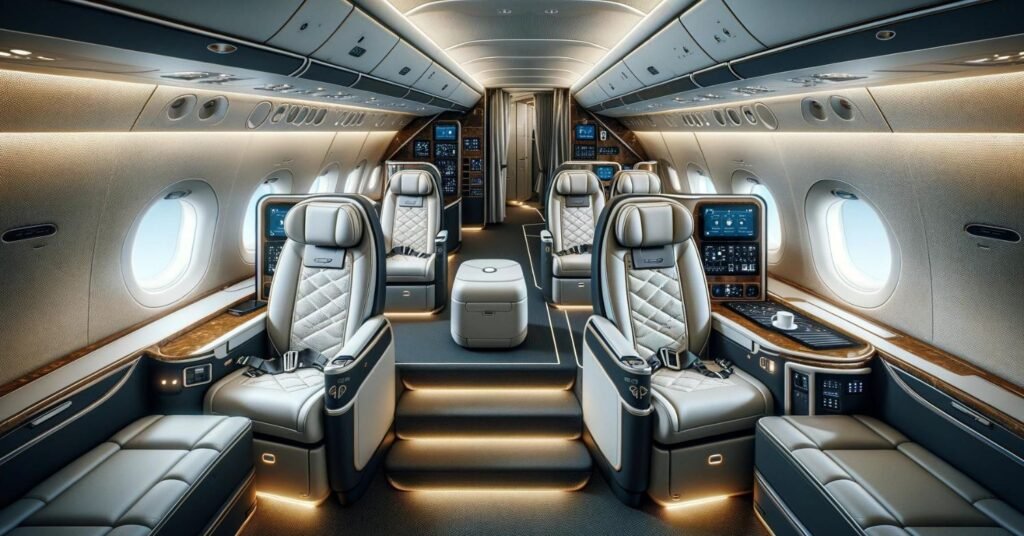
- For Corporate Travelers: Expect a continued shift toward premium seating. United is retrofitting its existing fleet to match the new United Next standards, meaning more consistent product quality across domestic and international routes.
- For Industry Observers: Monitor the delivery schedule of Boeing aircraft. Any delays in the 737 MAX or 787 production lines could force United to adjust its growth projections and extend the life of older, less efficient planes.
- For Loyalty Members: The value of MileagePlus miles is increasingly tied to the airline's co-branded credit card ecosystem. Maximizing value now requires deeper integration into the United financial services platform.
Expert Verdict / Future Outlook
The outlook for United Airlines is cautiously optimistic, contingent on two factors: macroeconomic stability and supply chain reliability. If the demand for international travel remains robust, United is positioned to outperform its peers due to its superior long-haul network. However, the airline faces significant headwinds from rising labor costs. Recent pilot contracts have substantially increased the fixed cost base. To offset this, United must maintain high load factors and successfully upsell passengers into premium economy and Polaris cabins. Looking forward to 2025 and 2026, the successful integration of the A321neo into the domestic fleet will be the litmus test for the United Next strategy. If United can achieve its goal of a 14 percent pre-tax margin by 2026, it will have effectively redefined the financial profile of a legacy airline.
FAQ: Authoritative Insights
1. What is the primary goal of the United Next initiative?
The United Next initiative aims to modernize the fleet and increase domestic seat capacity by 30 percent. By using larger aircraft with more premium seats, United intends to lower the cost per passenger while increasing overall revenue per flight.
2. How does United Airlines handle fuel price volatility?
Unlike some competitors, United does not currently hedge a significant portion of its fuel consumption. Instead, it relies on operational efficiency, fuel-efficient new-generation aircraft, and the ability to adjust ticket pricing to manage fluctuations in oil prices.
3. Why is the Newark (EWR) hub so important to United's strategy?
Newark is United's primary gateway to the New York metropolitan area. It provides a high-yield market for business travel and serves as a critical connection point for lucrative trans-Atlantic routes, giving United a competitive edge in the Northeast U.S.
4. What role does technology play in United's operations?
United utilizes advanced AI for flight path optimization, weather prediction, and personalized customer service via its mobile app. These technological investments are designed to reduce operational delays and improve the passenger experience.
5. Is United Airlines a leader in sustainability?
Yes, United has made the largest investment in Sustainable Aviation Fuel (SAF) of any airline. They have launched the UAV (United Airlines Ventures) Sustainable Flight Fund to support startups developing green technology for the aviation sector.
Important Note: Financial Disclaimer: This content is for educational purposes only and does not constitute professional financial advice. Always consult with a certified financial planner before making investment decisions.
Conclusion
United Airlines has successfully transitioned from a period of defensive restructuring to a phase of aggressive, data-driven expansion. By prioritizing fleet modernization, international dominance, and a high-value loyalty ecosystem, the carrier has established a robust strategic position. While labor costs and supply chain constraints remain persistent challenges, the United Next framework provides a clear roadmap for achieving industry-leading margins and sustainable growth in the coming decade.




Comments 0
Leave a Reply
Your email address will not be published. Required fields are marked *
Be the first to share your thoughts!