

Understanding User Generated Content in the Indian Context
In the rapidly evolving digital ecosystem of India, traditional advertising methods are witnessing a significant shift. As consumers become more discerning, the reliance on authentic voices has grown. User Generated Content, commonly known as UGC, refers to any form of content such as images, videos, text, reviews, and audio that is created by individual users rather than the brand itself. In a country with over 467 million social media users, the impact of this content is profound. According to Indian digital marketing studies and social media usage trends, peer recommendations carry significantly more weight than high-budget corporate advertisements. This transition marks a move toward transparency and community-driven brand building.
The essence of UGC lies in its organic nature. For example, Indian brands like Nykaa, Mamaearth, and Zomato regularly amplify customer videos and reviews on Instagram to build trust and improve engagement. This proof acts as a powerful endorsement that resonates with potential buyers who seek relatability over perfection. In India’s competitive ecommerce market, most marketing teams now treat user-generated content as a core growth strategy rather than an optional tactic. but a core component of a modern marketing mix. This is clearly visible in the growing influence of short-form video content in India’s digital ecosystem.
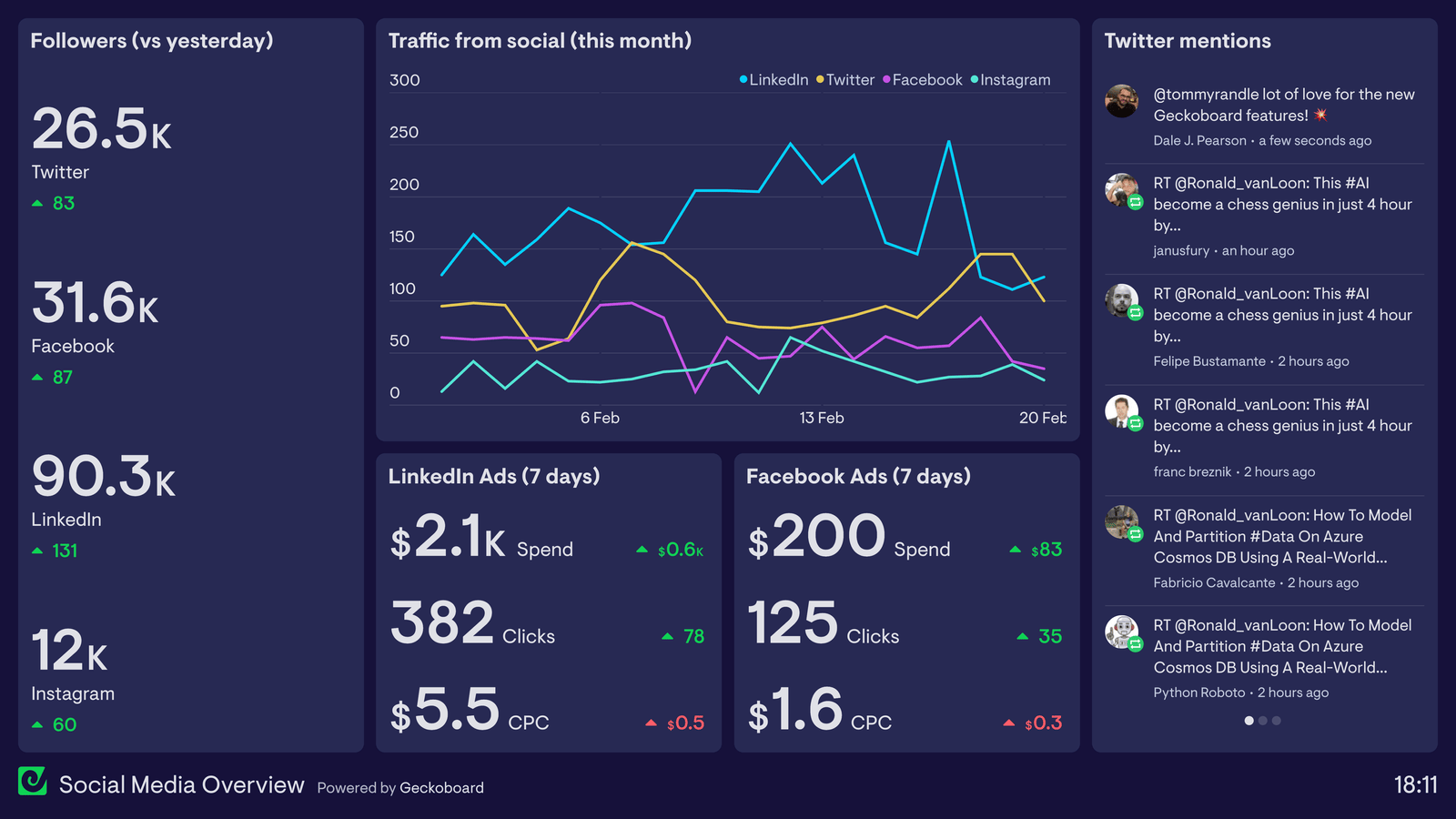
Studies on Indian social media usage show that users spend around three hours daily on platforms like Instagram, YouTube, and Facebook. This high engagement rate provides a fertile ground for UGC to thrive. Unlike traditional media, UGC allows for a two-way conversation between the brand and the consumer, fostering a sense of belonging and loyalty. It bridges the gap between a corporate entity and a living, breathing community of advocates.
Core Concepts of a Successful UGC Strategy
To effectively harness the power of UGC, brands and creators must understand the fundamental pillars that support it. It is not merely about reposting a customer's photo. It involves a structured approach to encourage, curate, and display content that aligns with brand values while maintaining the creator's original voice.
1. Defining Clear Objectives
Before launching a campaign, it is essential to identify what you hope to achieve. Are you looking to increase brand awareness, drive sales for a specific product line, or build a library of authentic assets? In the Indian market, where regional diversity is vast, setting specific goals helps in tailoring the message to the right audience. For instance, a food brand might focus on regional recipe variations created by home cooks across different states.
2. Choosing the Right Platforms
Not all platforms are equal when it comes to UGC. While Instagram and YouTube remain dominant for visual storytelling in India, short-form video platforms like Moj and Josh have gained significant traction in Tier 2 and Tier 3 cities. Choosing a platform depends heavily on where your target demographic spends their time. According to digital strategy experts, visual-heavy platforms are ideal for lifestyle and fashion, while text-based reviews are more critical for electronics and financial services. [Link to: Social Media Platforms for Business]
3. Encouraging Participation through Incentives
While some users create content spontaneously, many require a gentle nudge. This can be achieved through contests, branded hashtags, or featuring users on the official brand page. In India, the concept of recognition is a powerful motivator. Being featured on a major brand's social media handle often provides a sense of achievement for local creators. Experts suggest that offering non-monetary rewards, such as early access to products or exclusive community memberships, can be more effective than simple discounts.
Practical Steps to Implement UGC Campaigns
Implementing a UGC strategy requires a step-by-step approach to ensure legal compliance and brand safety. Here is a practical framework for Indian businesses:
- Create a Unique Hashtag: A short, memorable, and brand-specific hashtag makes it easy to track and aggregate content. Ensure it is not already in use by another entity.
- Ask for Permission: Always reach out to the creator before using their content for commercial purposes. This builds trust and avoids legal complications regarding intellectual property.
- Curate with Care: Not all user content will be high quality. Select pieces that reflect the brand's aesthetic while keeping the authentic feel. Avoid over-editing, as it defeats the purpose of UGC.
- Integrate Across Channels: Don't limit UGC to social media. Feature customer photos on product pages, include testimonials in email newsletters, and display reviews in physical stores or at checkout points.

As per research into consumer behavior, including UGC on product pages can increase conversion rates by up to 15 percent. This is because it provides a realistic view of the product in a real-world setting, reducing the perceived risk for the buyer. In the Indian e-commerce sector, where return rates can be high, UGC helps in setting accurate expectations, thereby reducing returns.
The Benefits of User Generated Content
The advantages of UGC extend beyond simple marketing metrics. It impacts the very foundation of how a brand is perceived in a competitive market like India.
Building Trust and Credibility
In an era of deepfakes and overly curated influencer content, raw and honest user reviews are the gold standard for trust. When a real person shares their experience without the polish of a professional studio, it carries an inherent honesty. Surveys on consumer behavior consistently show that people trust recommendations from real users more than traditional advertisements., such as recommendations from friends and family, above all other forms of advertising.
Cost-Effectiveness
Producing high-quality professional content is expensive. It involves hiring photographers, models, and editors. UGC, on the other hand, is created by the audience. While there are costs associated with management and software for curation, the overall investment is significantly lower than traditional content production. This allows small and medium enterprises (SMEs) in India to compete with larger corporations on a more level playing field.
SEO and Discoverability
Search engines value fresh and relevant content. When users write reviews or blog about a brand, they naturally use keywords and phrases that potential customers are searching for. This organic generation of keywords improves the brand's search engine ranking. According to SEO specialists, brands that incorporate UGC into their websites see an increase in dwell time, as visitors spend more time reading reviews and looking at customer photos. [Link to: SEO Best Practices for E-commerce]
Common Mistakes to Avoid
Despite its benefits, UGC can backfire if not managed correctly. Avoiding these common pitfalls is crucial for maintaining brand reputation.
- Ignoring Negative Content: Not all user content will be positive. Ignoring or deleting negative reviews can appear dishonest. Instead, address concerns publicly and professionally to show that the brand values customer feedback.
- Lack of Diversity: India is a diverse nation. If your UGC gallery only features people from one demographic or region, it may alienate a large portion of your audience. Strive for inclusivity in your curation.
- Over-Commercialization: If a brand starts paying every user for a post, the content loses its authenticity and transitions into influencer marketing. Keep a clear distinction between paid partnerships and organic UGC.
- Failing to Disclose: If you are providing a product for free in exchange for a review, ensure the user discloses this. Transparency is key to maintaining consumer trust and adhering to guidelines set by the Advertising Standards Council of India (ASCI).
Pro Tips for Mastering UGC in India
To truly excel, brands should look beyond the basics. Here are some advanced insights from industry veterans:
- Leverage Regional Languages: India's internet growth is driven by non-English speakers. Encourage content in Hindi, Bengali, Telugu, Marathi, and other regional languages to tap into the heart of the Indian consumer base.
- Focus on Storytelling: Encourage users to share the story behind their purchase. Why did they buy it? How did it solve a problem? Stories are more memorable than simple product shots.
- Use UGC in Paid Ads: Testing user-generated videos as ad creatives often results in lower cost-per-click (CPC) and higher engagement compared to studio-produced ads.
- Monitor Trends: Stay updated with local trends, music, and challenges on platforms like Instagram Reels. Participating in these trends through UGC can significantly boost virality.
Frequently Asked Questions
1. Does a brand own the rights to UGC if they are tagged?
No, tagging a brand does not automatically grant ownership or usage rights to the brand. The creator retains the copyright. Brands must obtain explicit permission, usually through a direct message or a comment, before using the content for marketing purposes.
2. How is UGC different from Influencer Marketing?
Influencer marketing involves a formal agreement and often payment to an individual with a significant following to promote a product. UGC is created by everyday customers or fans of the brand, usually without a prior financial agreement, driven by their genuine experience.
3. What are the best tools for managing UGC?
Several software platforms help brands discover, curate, and display UGC. While global tools like Stackla or Pixlee are popular, many Indian brands use native social media management tools or manual curation for smaller campaigns. The choice depends on the volume of content and the budget.
4. Can UGC be used for B2B brands?
Yes, UGC is highly effective for B2B through case studies, LinkedIn testimonials, and video interviews with clients. In the B2B sector, UGC often takes the form of professional advocacy and thought leadership shared by satisfied business partners.
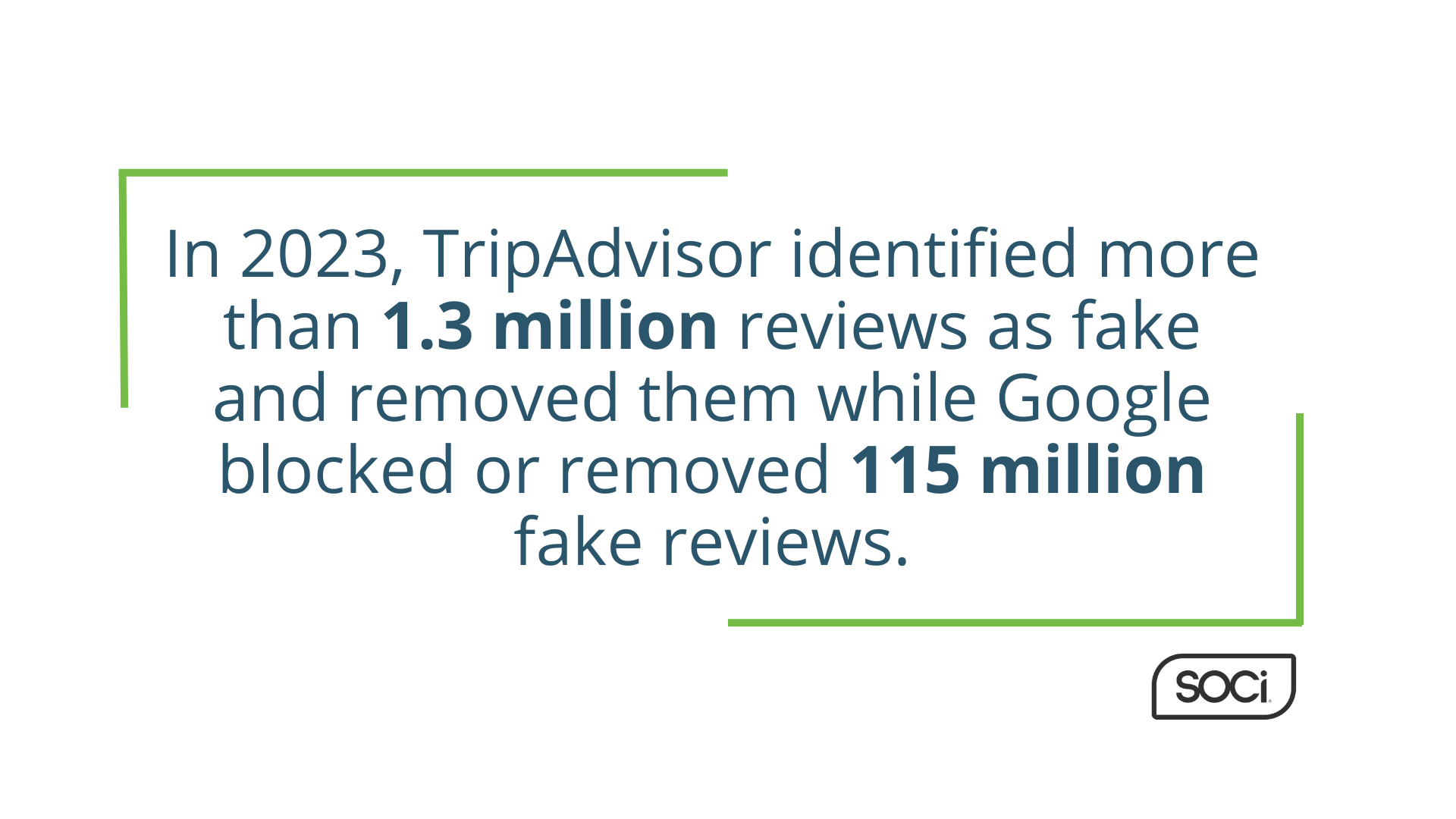
5. How do you handle fake reviews in UGC?
Official specifications for identifying fake reviews involve looking for patterns such as repetitive phrasing, accounts with no profile history, or a sudden surge in reviews over a very short period. Brands should use verification systems, such as 'Verified Purchaser' tags, to maintain the integrity of their content.
Conclusion
User Generated Content represents a fundamental shift in the relationship between brands and consumers in India. By prioritizing authenticity and community, businesses can build a level of trust that traditional advertising cannot replicate. Whether it is through a simple photo shared on social media or a detailed video review, the voice of the customer is the most powerful tool in a marketer's arsenal. Success in this space requires a commitment to transparency, a willingness to listen, and a strategy that celebrates the diversity of the Indian audience. The future of brand building is not just about telling a story; it is about providing the platform for your users to tell it for you.
Takeaway: Authenticity is the new currency in Indian marketing, and User Generated Content is the most effective way to earn it.





Comments 0
Leave a Reply
Your email address will not be published. Required fields are marked *
Be the first to share your thoughts!