
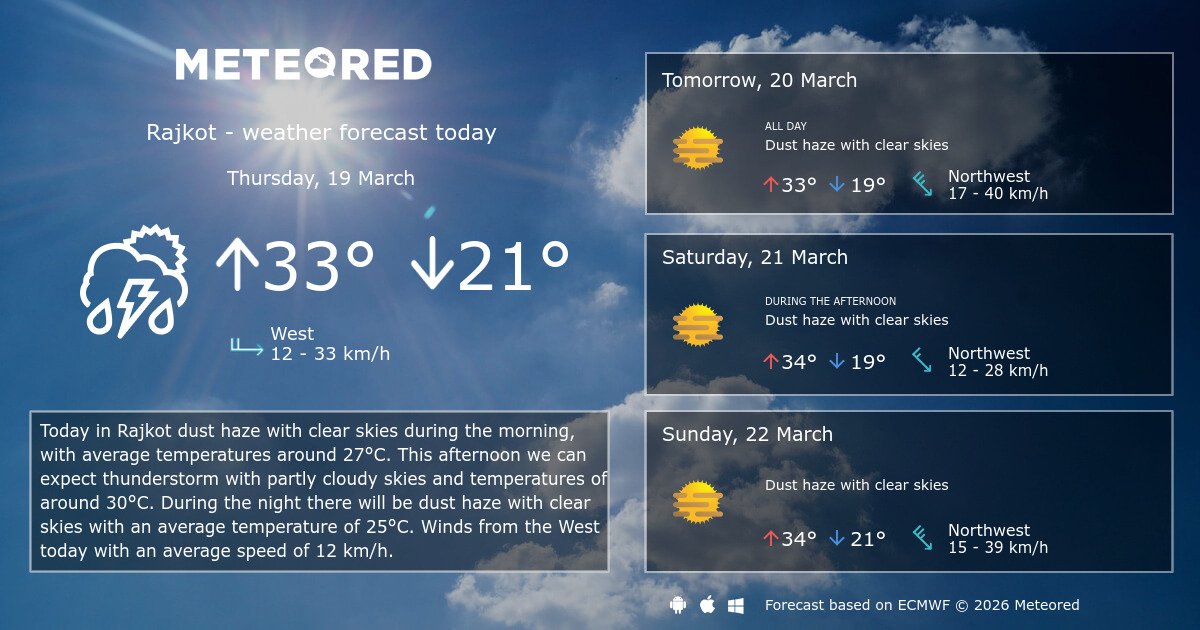
Rajkot, often referred to as the heart of the Saurashtra region in Gujarat, is a city defined by its vibrant culture, industrial prowess, and unique climatic profile. For residents, business owners, and travelers, understanding the weather in Rajkot is not just a matter of convenience but a necessity for planning and productivity. The city experiences a hot semi-arid climate, characterized by significant temperature fluctuations and distinct seasonal transitions that dictate the rhythm of life in Western India.
Rajkot is situated in a zone that faces extreme thermal conditions during the summer and moderate rainfall during the monsoon. This geographical positioning makes the city an interesting case study for those looking to understand how weather influences urban development and agricultural cycles. Whether you are looking into the feasibility of a new construction project or planning a visit to the historical sites of the city, a deep dive into the meteorological trends of this region is essential.

The Three Pillars of Rajkot Weather: A Seasonal Breakdown
The weather in Rajkot is primarily divided into three main seasons: Summer, Monsoon, and Winter. Each season brings a unique set of atmospheric conditions that impact everything from the local economy to public health.
1. The Intense Summer (March to June)
Summer in Rajkot is known for its intensity. Starting in March, temperatures begin a steady climb, often peaking in May and June. According to global analysts focusing on South Asian weather patterns, Rajkot frequently records temperatures between 35°C and 45°C during these months. The air is generally dry, and the city often experiences heatwaves that necessitate careful health management.
One of the defining features of the Rajkot summer is the presence of hot, dry winds known locally as Loo. These winds can significantly increase the perceived temperature, making outdoor activities challenging during the afternoon hours. For businesses involved in outdoor logistics or construction, this period requires strategic scheduling to ensure worker safety.
2. The Rejuvenating Monsoon (June to September)
The arrival of the Southwest Monsoon in late June or early July brings much-needed relief from the scorching heat. As per regional climate reports, Rajkot receives an average annual rainfall of approximately 600 mm to 700 mm. However, the rainfall pattern is often erratic, with heavy downpours concentrated over a few days followed by dry spells.
The monsoon is the lifeblood of the Saurashtra region. It determines the success of the Kharif crops, such as groundnut and cotton, which are central to the local economy. While the rain cools the atmosphere, it also increases humidity levels, which can hover between 60% and 80%. This shift from dry heat to humid warmth marks a significant change in the daily comfort levels of the population.
3. The Pleasant Winter (October to February)
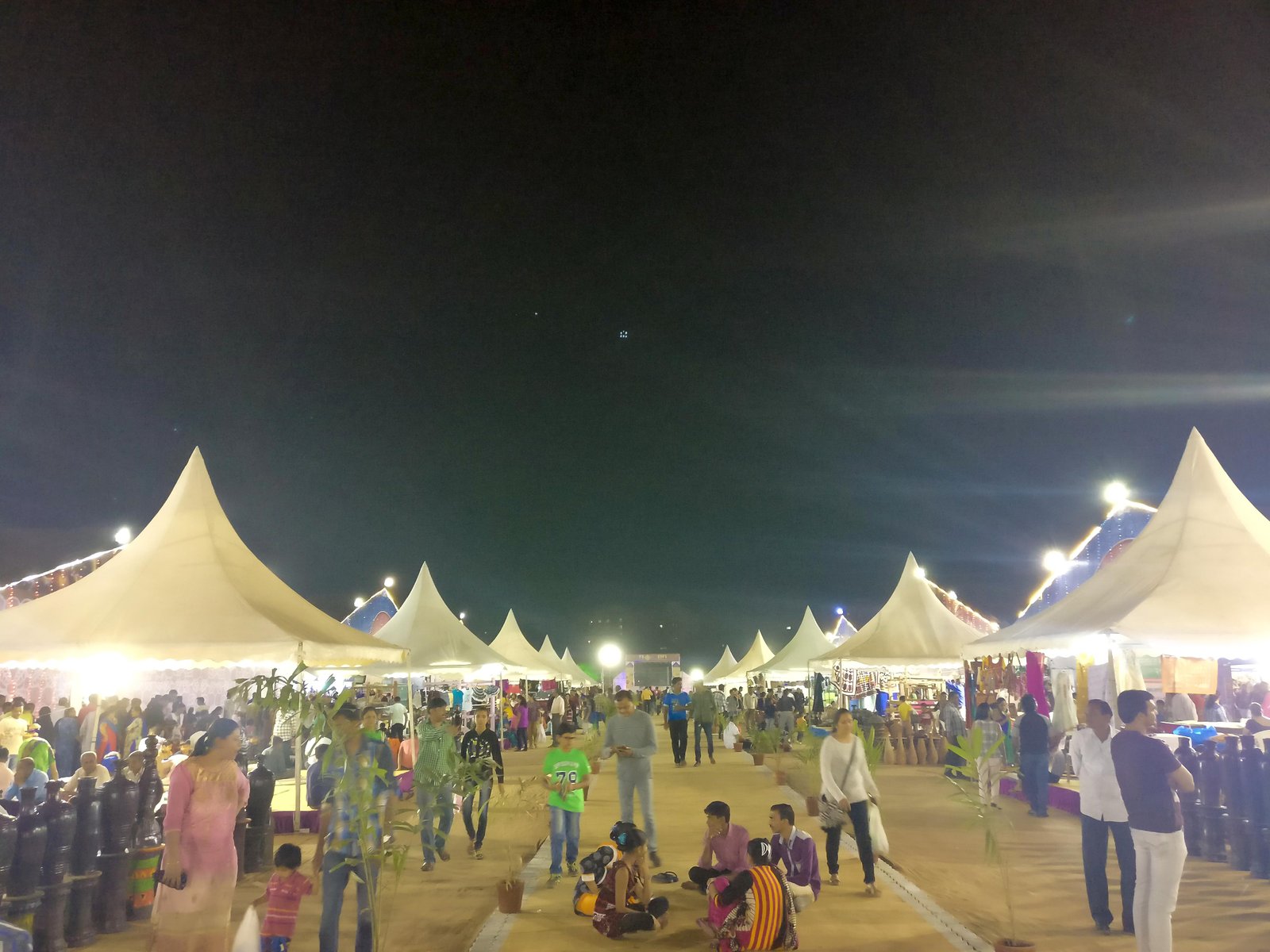
Winter is arguably the most comfortable time in Rajkot. Experts suggest that the period from November to February offers the most stable and pleasant weather conditions. Daytime temperatures usually range from 20°C to 28°C, while nighttime temperatures can drop to 10°C to 15°C. The sky remains mostly clear, and the low humidity makes it an ideal time for tourism and outdoor festivals.Popular attractions include the Watson Museum and Aji Dam.
How Weather Influences Rajkot Industry and Agriculture
The weather in Rajkot plays a pivotal role in its status as an industrial and agricultural hub. The city is famous for its foundry industry, diesel engines, and jewelry manufacturing. Each of these sectors must adapt to the prevailing climate.
Agricultural Impact: The Saurashtra region is one of the largest producers of groundnuts in India. The timing of the monsoon in Rajkot is a critical variable for farmers. A delay in the rains can lead to significant shifts in crop yields, affecting the supply chain for oil mills across the country. Climatologists emphasize the importance of moisture retention in the soil during the post-monsoon months to support secondary crops.
Industrial Productivity: In the foundry and casting industries, extreme heat during the summer months can affect the cooling processes of metals and the physical stamina of the workforce. Many factories implement specialized ventilation systems and adjusted shift timings to mitigate the impact of the high ambient temperatures found in Rajkot during May and June.
Practical Guide: Navigating Rajkot Weather
Understanding the weather is one thing, but knowing how to prepare for it is another. Based on historical data and expert observations, here are core concepts to keep in mind:
- Hydration and Sun Protection: During the summer, the UV index in Rajkot can be exceptionally high. Experts recommend using high-SPF sunscreen and maintaining a high intake of fluids to combat the dry heat.
- Water Management: Given the semi-arid nature of the region, water conservation is a high priority. Residents and businesses often invest in rainwater harvesting systems during the monsoon to ensure a steady supply during the dry months.
- Clothing Choices: Light, breathable cotton fabrics are essential for the majority of the year. However, if you are in Rajkot during December or January, light woolens or jackets are necessary for the early morning and late evening hours.
Common Mistakes When Considering Rajkot Weather
Many visitors and new residents make errors in judgment regarding the local climate. Avoiding these common pitfalls can ensure a better experience in the city:
1. Underestimating the Dry Heat: People coming from coastal cities like Mumbai often underestimate how quickly dehydration can set in during a Rajkot summer. The lack of humidity means sweat evaporates instantly, often masking the amount of fluid loss.
2. Ignoring Monsoon Humidity: While the monsoon is cooler than the summer, the high humidity can lead to mold and dampness issues in buildings. Proper ventilation is crucial during these months to maintain indoor air quality.
3. Overlooking the Winter Chill: While Gujarat is generally perceived as a hot state, the winter nights in Rajkot can be surprisingly cold due to the open landscape of Saurashtra. Failing to carry a jacket for a winter evening is a common mistake for travelers.
Expert Insights for Long-term Planning
Urban heat islands are becoming more prevalent in rapidly growing cities like Rajkot. Experts suggest that increasing green cover and using reflective roofing materials can help in lowering the local temperature within residential clusters. For those looking to invest in real estate or infrastructure in Rajkot, considering the orientation of buildings to maximize natural cross-ventilation is a highly recommended strategy to counter the summer heat.
Furthermore, meteorological analysts point out that while the total rainfall in Rajkot has remained relatively stable over the decades, the intensity of individual rain events has increased. This necessitates better urban drainage systems to prevent localized flooding during the peak monsoon weeks.
Frequently Asked Questions (FAQ)
What is the hottest month in Rajkot?
Typically, May is the hottest month in Rajkot, with average high temperatures frequently reaching 40 degrees Celsius to 43 degrees Celsius. It is the peak of the summer season before the monsoon transition begins.
Does Rajkot experience extreme cold in winter?
While not extreme compared to Northern India, Rajkot can see temperatures dip to 10 degrees Celsius. In rare cases of cold waves, it can drop even lower, making the mornings quite chilly.
When is the best time to visit Rajkot for tourism?
The best time to visit is from October to March. During this window, the weather is pleasant, and the temperatures are conducive for sightseeing at places like the Watson Museum or the Aji Dam.
How does the weather affect the groundnut market in Rajkot?
Since Rajkot is a major trading hub for groundnuts, the monsoon rainfall directly influences market prices. Good rainfall leads to a surplus and stable prices, while a deficit can cause market volatility due to lower crop yields.
Is Rajkot prone to cyclones?
While Rajkot is inland, it can experience the peripheral effects of cyclones originating in the Arabian Sea. These effects usually manifest as heavy rain and high wind speeds, particularly during the pre-monsoon and post-monsoon periods.
Conclusion
The weather in Rajkot is a dynamic force that shapes the lifestyle, economy, and environment of the Saurashtra region. From the challenging heat of the summer to the refreshing rains of the monsoon and the serene chill of the winter, each phase of the climate cycle offers its own set of opportunities and challenges. By understanding these patterns through the lens of meteorological data and expert insights, individuals and businesses can better adapt and thrive in this bustling Gujarati city.
Final Takeaway: Successful navigation of Rajkot weather requires a balance of heat management in the summer and strategic water planning during the monsoon to capitalize on the city's unique semi-arid environment.





Comments 0
Leave a Reply
Your email address will not be published. Required fields are marked *
Be the first to share your thoughts!