
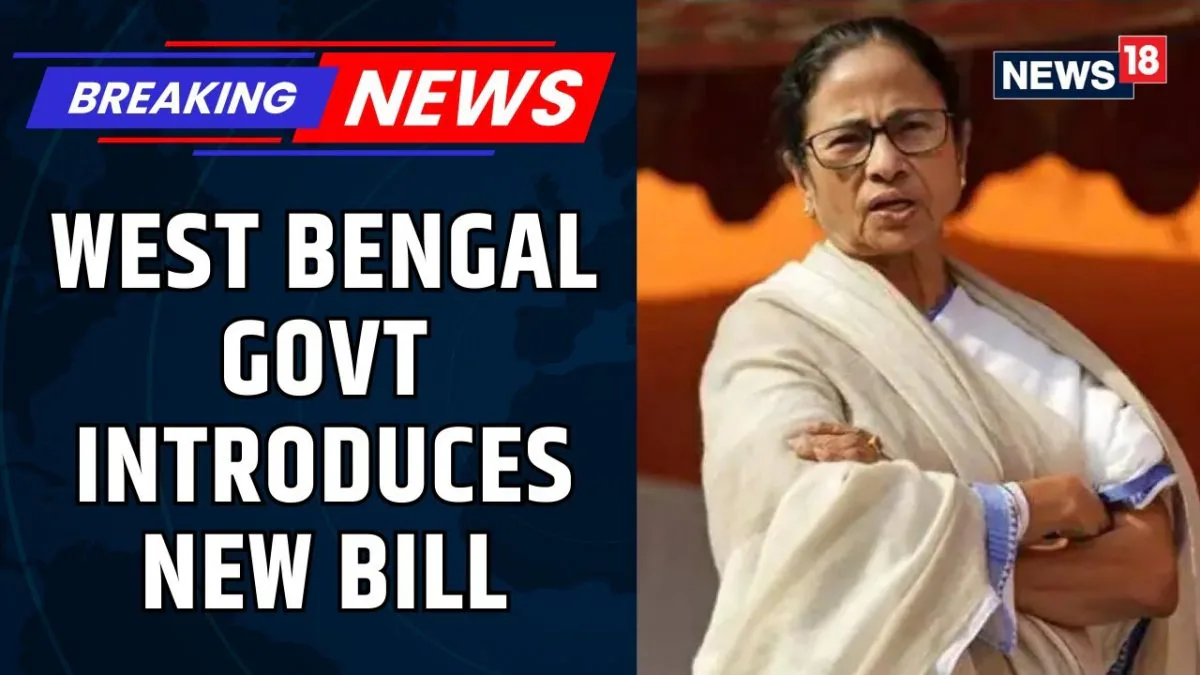
💡 West Bengal Government Policy: A Strategic Analysis
A data-driven strategic analysis of West Bengal's economic policies, industrial shifts, and social welfare frameworks for 2024.
Executive Summary
The West Bengal government policy framework for 2024 focuses on a dual-track strategy: aggressive social welfare expansion and a transition toward a service-oriented industrial economy. Key data highlights include a Gross State Domestic Product (GSDP) projected to reach approximately 18.8 trillion INR, representing a steady growth rate compared to national averages. The state currently hosts over 8.9 million MSME units, the highest in India, contributing significantly to employment. Strategic pivots toward the IT, logistics, and green energy sectors are intended to reposition West Bengal as the primary gateway to the Northeast and Southeast Asian markets. This analysis examines the fiscal health, industrial incentives, and social safety nets that define the current administration's governance model.

Introduction
West Bengal occupies a unique geopolitical and economic position in India. As the fourth largest state economy, its policy decisions reverberate across the eastern corridor. Historically known for its manufacturing and tea industries, the state is now undergoing a structural shift. The current policy environment is characterized by a heavy emphasis on Direct Benefit Transfers (DBT) and an attempt to simplify the ease of doing business through the Silpa Sathi portal. This strategic analysis explores how the state balances its populist social agenda with the need for massive industrial capital investment in an increasingly competitive national landscape.
THE DEEP DIVE: Economic and Industrial Policy Framework
The core of West Bengal's economic strategy lies in its Industrial Policy, which has been updated to attract high-value investments. The West Bengal Industrial Development Corporation (WBIDC) has identified several thrust sectors including food processing, textiles, and leather. The state is currently home to the Calcutta Leather Complex, which is the largest integrated leather park in Asia. This focus on industrial engineering and manufacturing excellence mirrors the growth seen in specialized firms like MV Electrosystems: A Strategic Analysis of Industrial Engineering, where technical precision meets market demand.
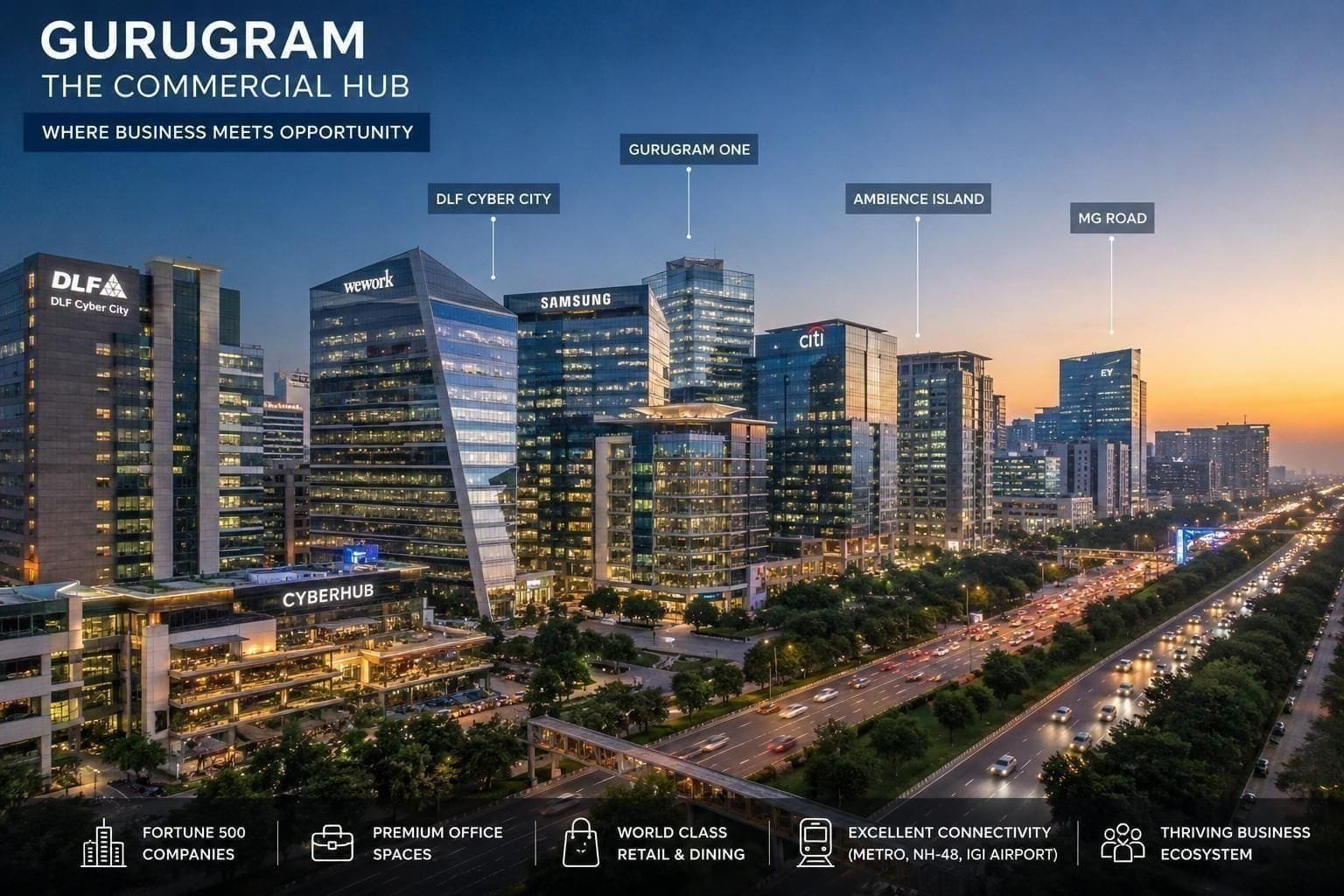
In the technology sector, the Silicon Valley Hub in Rajarhat, Kolkata, is the centerpiece of the state's digital ambitions. By offering subsidized land and high-speed connectivity, the government aims to compete with established hubs. While the scale differs, the intent is to replicate the success of other regional leaders, as seen in the Hyderabad: Strategic Analysis of India's Tech and Pharma Hub model. Currently, the IT sector in West Bengal employs over 2.1 lakh professionals, with a goal to double this number by 2030 through the New IT and ITeS Policy.
Social Welfare and the DBT Model
A defining characteristic of West Bengal's governance is its extensive social safety net. Schemes such as Lakshmir Bhandar, which provides monthly financial assistance to over 20 million women, and Kanyashree Prakalpa, aimed at preventing child marriage and promoting education, form the bedrock of the state's social policy. These initiatives are designed to boost rural consumption and ensure financial inclusion.
From a strategic standpoint, these policies act as a counter-cyclical economic tool. During periods of national economic slowdown, the consistent flow of funds to the rural economy maintains demand for essential goods. This localized welfare model offers an interesting comparison to national health initiatives such as Ayushman Bharat: Strategic Analysis of Public Health Policy, as West Bengal utilizes its own Swasthya Sathi scheme to provide universal health coverage, opting out of the central program to maintain administrative autonomy.
Logistics and Infrastructure Growth
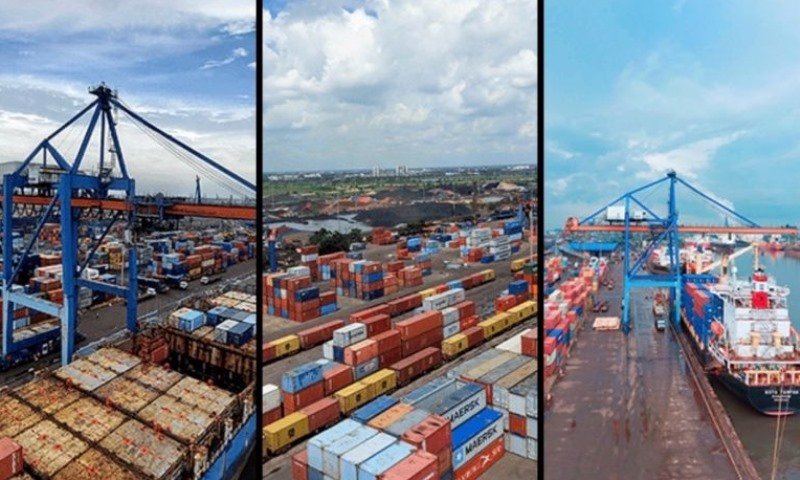
The West Bengal Logistics Policy 2023 is perhaps the most significant recent regulatory development. The state aims to become a global logistics hub by leveraging its proximity to the Bay of Bengal and international borders. Key projects include the Tajpur Deep Sea Port and the Dankuni-Haldia industrial corridor. The government offers a 25 percent capital subsidy on fixed capital investment for logistics parks, which is one of the most competitive rates in India. This focus on infrastructure is intended to reduce the cost of doing business, which has historically been a pain point for the region.
WHAT THIS MEANS FOR YOU
- For Investors: The state provides significant incentives in the MSME and logistics sectors. The Silpa Sathi single-window system now integrates 40 plus services, reducing the time required for statutory clearances.
- For Job Seekers: The expansion of the Silicon Valley Hub and the focus on the textile industry are expected to create a demand for both high-tech and skilled manual labor.
- For Local Residents: Social welfare schemes are likely to remain the priority, providing a consistent financial cushion for lower-income households.
- For Policy Analysts: The state's debt-to-GSDP ratio remains a point of observation, as the high expenditure on welfare requires robust revenue growth from the industrial sector to remain sustainable.
Expert Verdict and Future Outlook
West Bengal is at a critical juncture. The state has successfully stabilized its rural economy through aggressive social spending, but the next phase of growth must come from large-scale private investment. The future outlook depends on the successful implementation of the Tajpur Port and the ability to attract semiconductor and green hydrogen projects. Experts suggest that while the state has made strides in the ease of doing business, labor relations and land acquisition processes need further refinement to compete with states like Gujarat or Tamil Nadu. The strategic shift toward becoming a logistics gateway for the Act East policy remains the state's strongest long-term economic play.
FAQ: Understanding West Bengal's Policy Landscape
What is the primary focus of the West Bengal Industrial Policy 2024?
The primary focus is on promoting the MSME sector, enhancing logistics infrastructure, and incentivizing green energy and IT/ITeS through capital subsidies and tax exemptions.
How does the Swasthya Sathi scheme differ from central health schemes?
Swasthya Sathi is a state-funded universal health insurance scheme providing coverage of up to 5 lakh INR per family annually, covering all residents regardless of income level, unlike the targeted approach of some central programs.
What incentives are available for the IT sector in West Bengal?
Incentives include land at concessional rates in designated tech parks, electricity duty exemptions, and recruitment assistance for startups and established firms in the New Town and Bantala areas.
Is West Bengal a viable hub for logistics?
Yes, due to its geographical position as a gateway to North East India and neighboring countries like Bangladesh and Bhutan, supported by the new 2023 Logistics Policy.
What is the impact of the Lakshmir Bhandar scheme?
The scheme has significantly increased the liquidity in the hands of women in rural and semi-urban areas, leading to improved household nutrition and higher local market consumption.

Important Note: Financial Disclaimer: This content is for educational purposes only and does not constitute professional financial advice. Always consult with a certified financial planner before making investment decisions.
Conclusion
The West Bengal government policy framework is a sophisticated blend of grassroots populism and strategic industrial planning. By positioning itself as a logistics powerhouse and a service-sector hub, the state is attempting to overcome historical industrial stagnation. Success will ultimately be measured by its ability to convert its massive human capital and geographical advantages into sustained private sector investment and fiscal stability.





Comments 0
Leave a Reply
Your email address will not be published. Required fields are marked *
Be the first to share your thoughts!