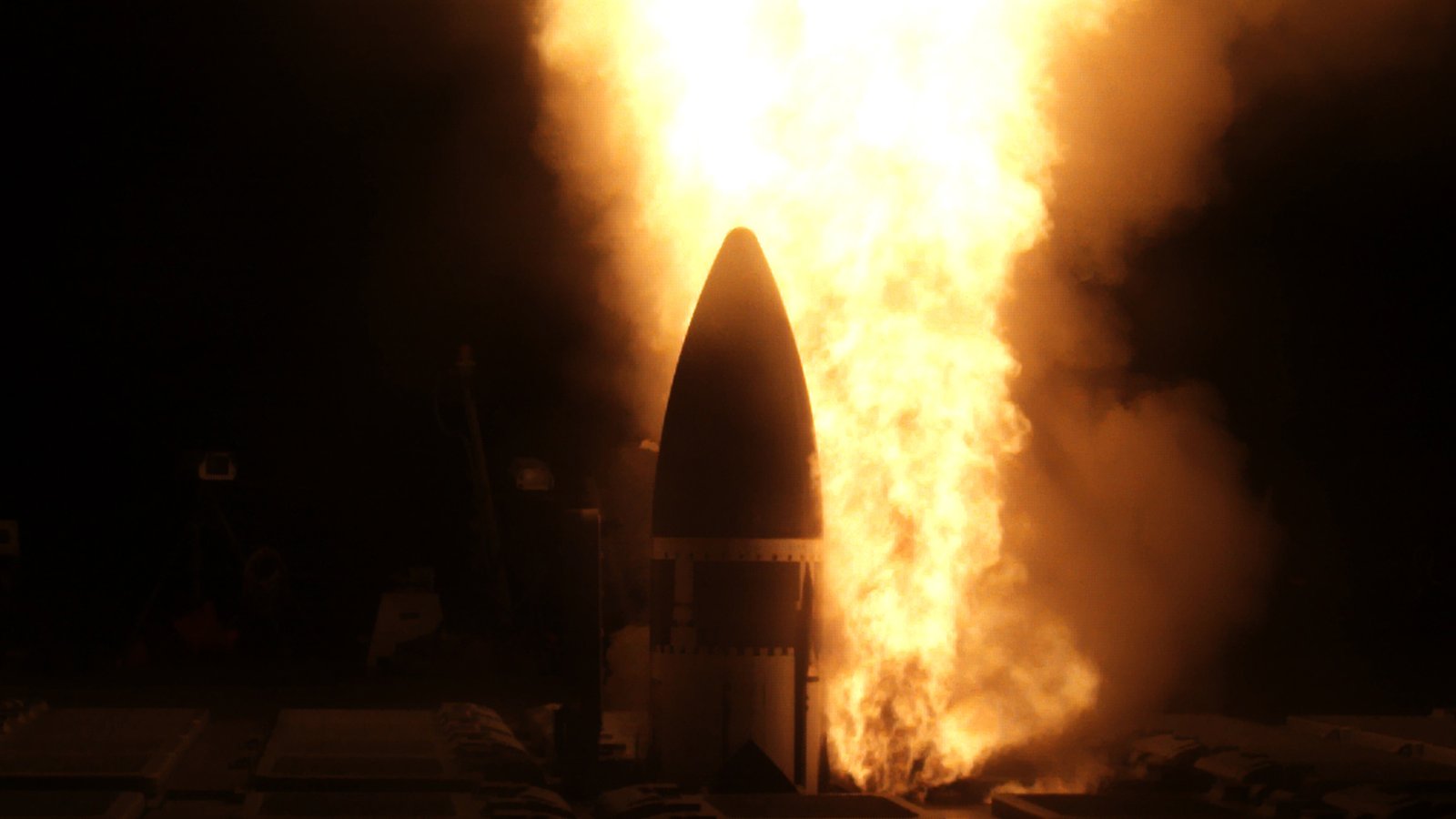
In modern warfare, few weapons possess the strategic weight and psychological impact of the ballistic missile. Defined by its suborbital trajectory, a ballistic missile is propelled by a rocket engine for the initial stage of its flight before following a gravity-governed path toward its target. Unlike cruise missiles, which remain within the atmosphere and fly like unmanned aircraft, ballistic missiles reach extreme altitudes-sometimes entering space-before re-entering the atmosphere at hypersonic speeds. This combination of velocity and payload capacity has made them the primary tool for long-range power projection in 21st-century geopolitics.
The current escalation in the Middle East has increased global attention on ballistic missile systems and defense technologies. As tensions between Iran and Israel reach unprecedented levels, the deployment of these weapons has shifted from a tool of deterrence to an instrument of active engagement. The international community is now closely monitoring the capabilities of these missile systems, the effectiveness of the shields designed to stop them, and the long-term sustainability of high-intensity aerial warfare.

The Iranian Ballistic Missile Threat: Capacity vs. Reality
One of the key topics discussed among analysts in the current conflict involves the actual state of Iran’s missile arsenal. Different reports suggest varying views on Iran’s missile production and operational capability. This discrepancy raises critical questions about the resilience of Iran’s military infrastructure.
Military analysts suggest that Iran’s reliance on mobile launch platforms and underground "missile cities" allows it to maintain operational readiness even under heavy aerial bombardment. The technical evolution of Iranian long-range projectiles-moving from older liquid-fueled models to more reliable, rapidly deployable solid-fuel engines-has increased their survivability. While international pressure and targeted strikes may hamper production, the existing stockpiles and the decentralized nature of launch operations suggest that the threat remains potent and persistent.
Recent Escalations: Impact on Ramat Gan and Northern Israel
The impact of ballistic missile strikes was highlighted in recent incidents by recent strikes on Israeli population centers. In Ramat Gan, a ballistic missile strike reportedly caused casualties, as reported by The Times of Israel. This event underscores the reality that even the most advanced defense systems are not infallible. When a ballistic missile carries a heavy conventional warhead, the resulting blast radius in a densely populated urban area is catastrophic, causing both immediate physical destruction and long-term psychological trauma to the civilian population.
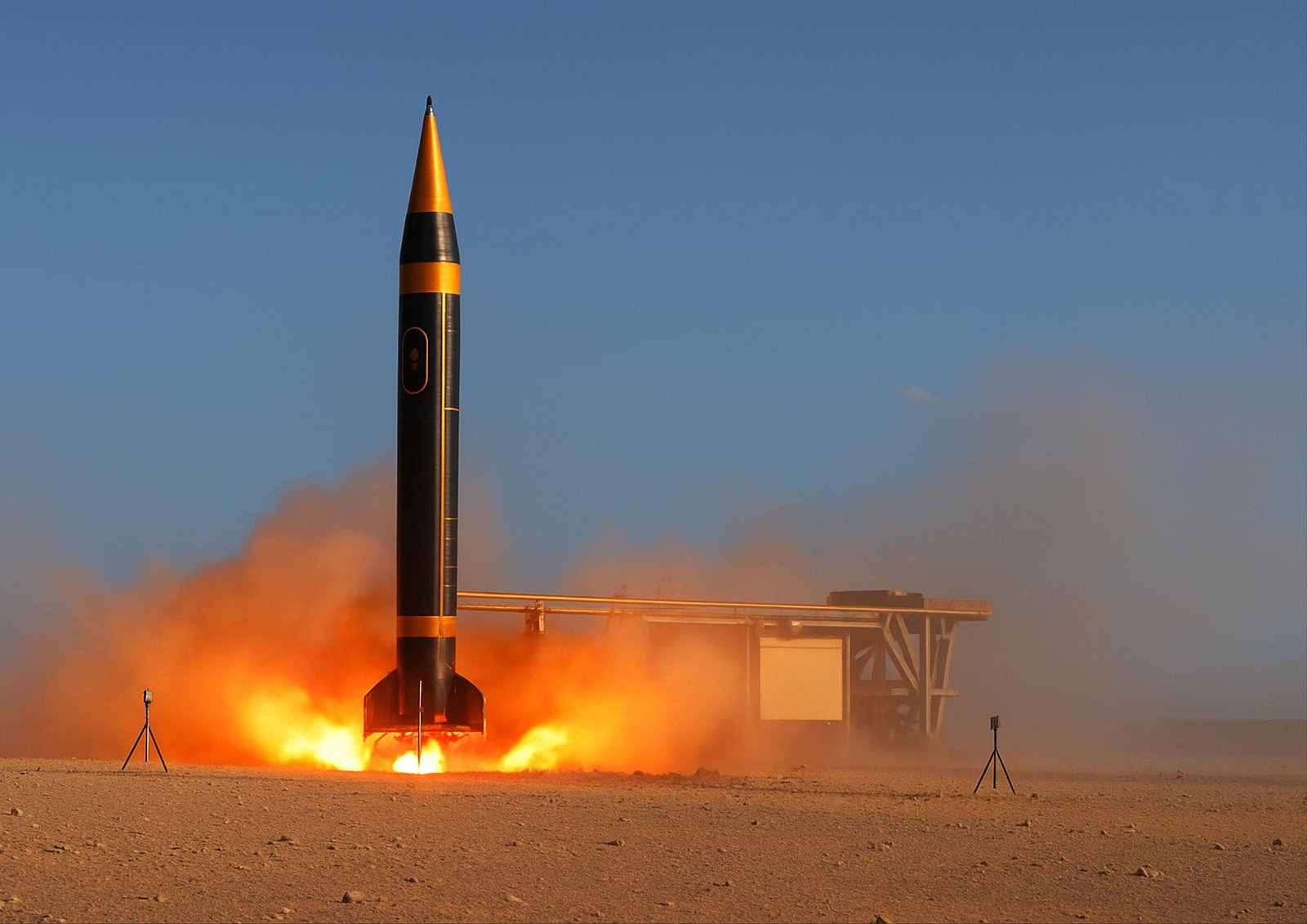
In Northern Israel, the sound of sirens has become a frequent occurrence as Iranian missiles are detected entering Israeli airspace. These detection systems are the first line of defense, providing civilians with vital seconds to reach shelters. The early warning network relies on a sophisticated array of radar and satellite sensors designed to track the high-altitude arc of a ballistic missile from the moment of ignition. However, the constant state of alert places an immense strain on the social and economic fabric of the region.
Missile Defense Systems: Can Interceptors Keep Up?
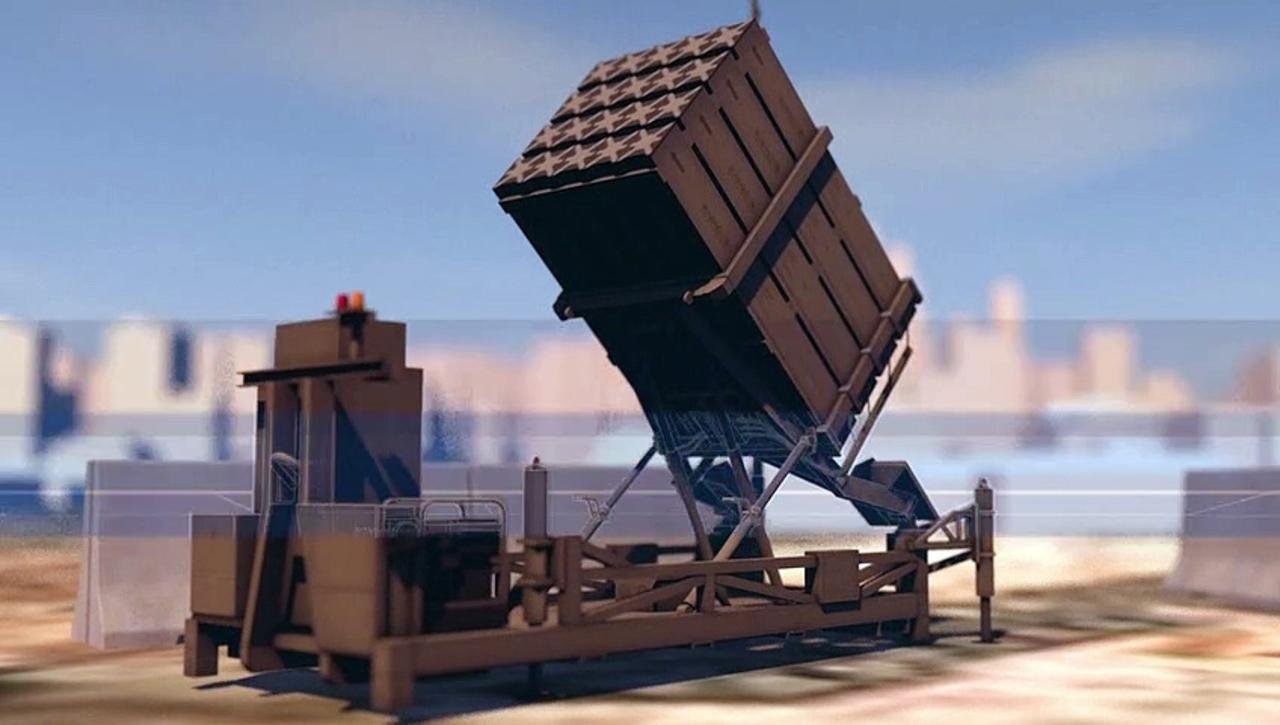
To counter the ballistic threat, Israel relies on a multi-layered defense architecture, most notably the Arrow and Iron Dome systems. While the Iron Dome is world-renowned for intercepting short-range rockets, the Arrow system is specifically designed to intercept ballistic missiles at much higher altitudes, often outside the Earth's atmosphere. These systems represent the pinnacle of aerospace engineering, yet they face an existential challenge: the logistics of attrition.
Reports have surfaced suggesting that Israel may be facing a potential shortage of missile interceptors due to the high volume of incoming fire. The New York Times recently reported that Israel has officially denied these claims, asserting that its defensive capabilities remains intact. Nevertheless, academic and military circles, including discussions in The Conversation, continue to debate how long any nation can withstand a sustained, multi-front retaliatory attack. Each interceptor fired costs significantly more than the incoming missile it is designed to destroy, creating a cost imbalance that can challenge long-term defense planning in a prolonged conflict.
Technical Breakdown: Ballistic Missiles vs. Interceptors
The physics of interception is often described as "hitting a bullet with a bullet." Ballistic missiles travel at several times the speed of sound during their terminal phase, making the window for a successful intercept incredibly narrow. Modern interceptors must use advanced kinetic kill vehicles or proximity fragmentation warheads to neutralize the threat. The difficulty is compounded by "saturation attacks," where an adversary fires a large volume of missiles simultaneously to overwhelm the radar and processing capabilities of defense batteries.
In a saturation scenario, the goal is not necessarily for every missile to hit a target, but to force the defender to deplete their magazine of interceptors. Once the defensive shield is exhausted, subsequent salvos can strike high-value targets with impunity. This tactical reality is why the debate over interceptor stockpiles is so critical to regional security. The cost-benefit analysis of firing multi-million dollar interceptors against relatively cheaper ballistic missiles is a central pillar of modern war-gaming.
Regional Implications for the Middle East and UAE
The proliferation of ballistic missile technology has significant implications for security in the wider Middle East, particularly for the United Arab Emirates (UAE) and other Gulf nations. As a global hub for trade, aviation, and energy, the UAE (AE) monitors these developments with high priority. Regional instability driven by missile exchanges threatens the security of maritime trade routes and the safety of international airspace. Consequently, there is a heightened focus on regional integrated air defense systems and diplomatic efforts to curb the spread of advanced missile technology.
Diplomatic initiatives are increasingly focused on de-escalation, as the alternative—a regional missile race—could lead to a permanent state of high-intensity conflict. The Gulf states have a vested interest in ensuring that the current Iran-Israel escalation does not spill over into a broader regional war that would disrupt decades of economic progress and infrastructure development.

The Future of Ballistic Missile Warfare
Looking ahead, the nature of ballistic warfare is set to change with the advent of hypersonic glide vehicles and advanced guidance systems. These technologies aim to circumvent current defense shields by maneuvering within the atmosphere, making their trajectory unpredictable. As offensive capabilities evolve, defense systems must also adapt, potentially incorporating laser-based interception or more advanced AI-driven tracking.
This evolution highlights how missile technology continues to influence modern defense strategies. Preventing a wider missile race will require not only technological solutions but also robust international frameworks and treaties that address the root causes of regional friction.





Comments 0
Leave a Reply
Your email address will not be published. Required fields are marked *
Be the first to share your thoughts!