
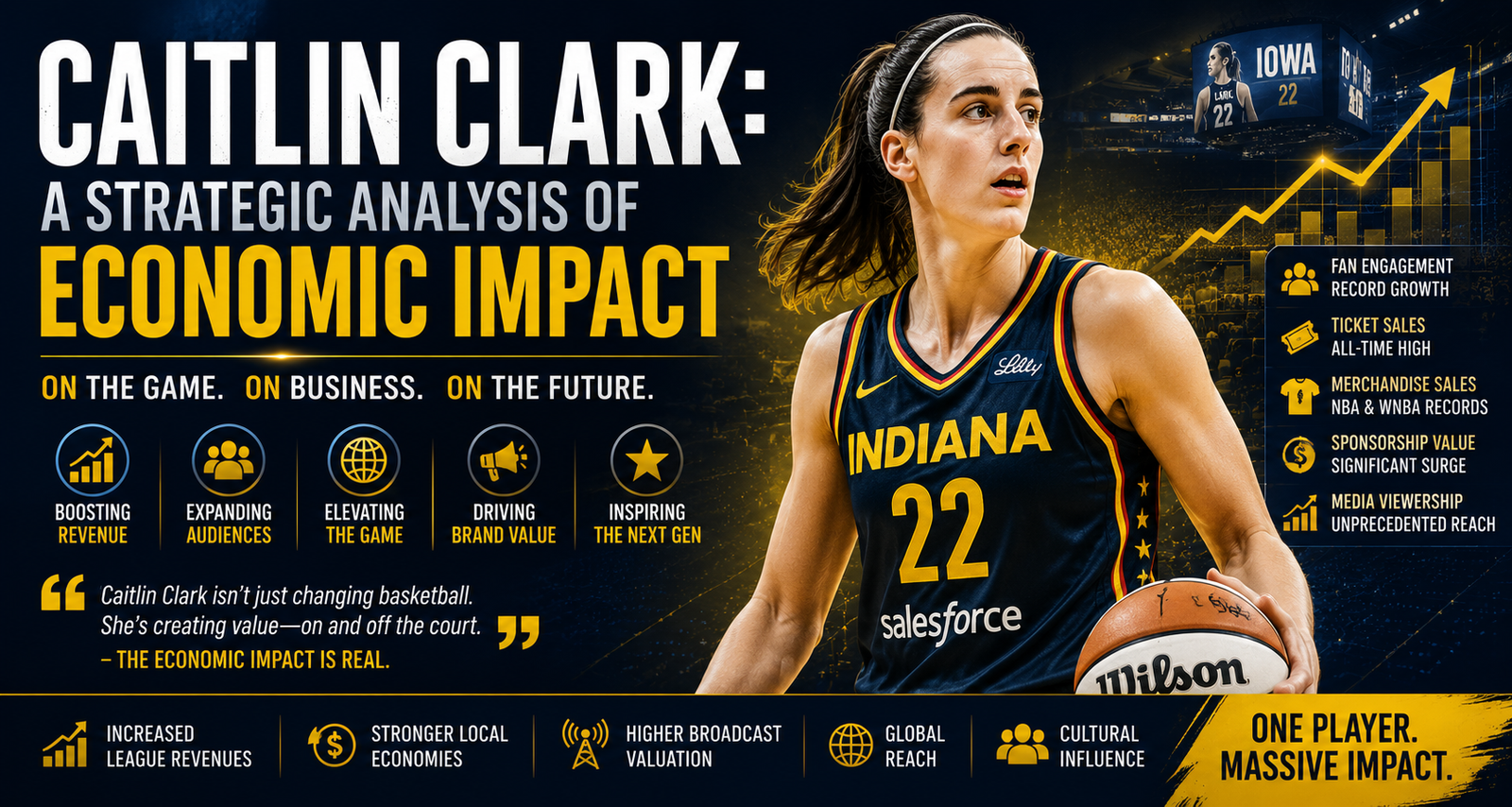
💡 Caitlin Clark: A Strategic Analysis of Economic Impact
A comprehensive analysis of Caitlin Clark's influence on the WNBA, media rights, and the global sports economy through data-driven insights.
Executive Summary
Caitlin Clark has emerged as a singular force in professional sports, transcending her role as an athlete to become a significant economic driver. This analysis examines the Caitlin Clark Effect, which has resulted in a 18.9 million viewer peak for the NCAA Championship and a 200 percent increase in ticket demand for the WNBA. Key findings include a massive shift in media rights valuation and a record-breaking $28 million endorsement portfolio that signals a new era for women's sports commercialization. The data indicates that Clark is not merely a high-performing player but a structural disruptor in the sports entertainment industry.
Introduction
The rise of Caitlin Clark represents a pivotal moment in the history of the Women's National Basketball Association (WNBA) and the broader sports landscape. For decades, women's sports faced challenges regarding visibility and investment. However, Clark's collegiate career at the University of Iowa, characterized by her record-breaking 3,951 career points, served as a catalyst for a paradigm shift. This strategic analysis explores how her transition to the professional level is reshaping viewership metrics, corporate sponsorships, and the operational standards of professional basketball. By examining the intersection of performance and marketability, we can understand the long-term implications for the industry.
The Statistical Dominance and Tactical Influence
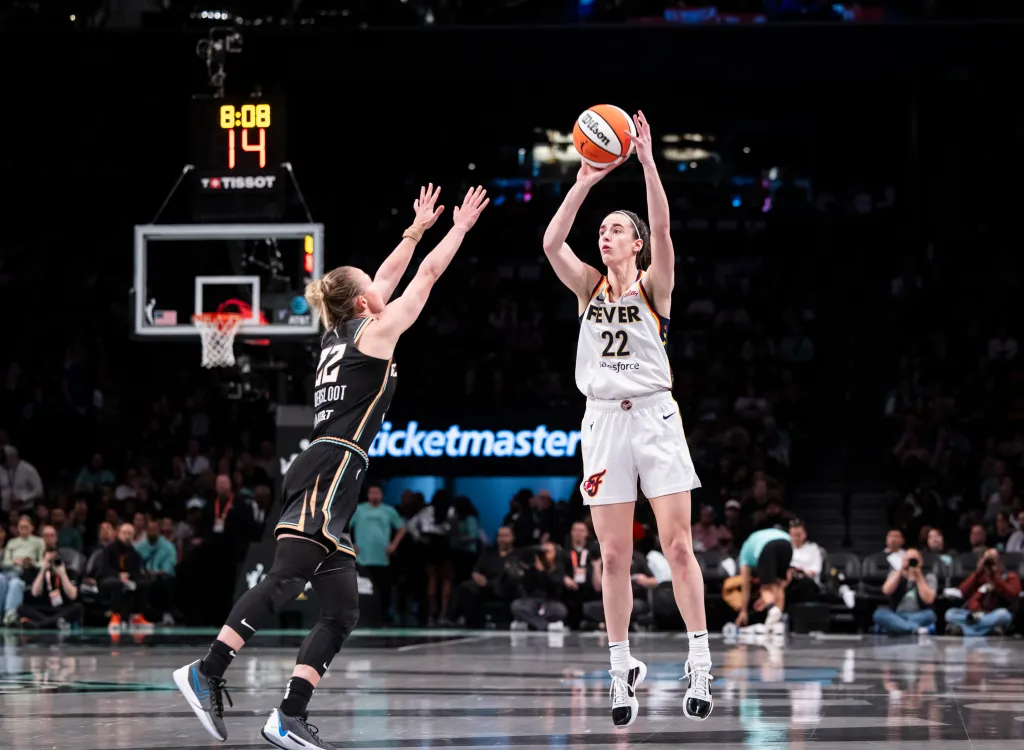
Caitlin Clark's impact begins with her unprecedented statistical output. During her final season at Iowa, she averaged 31.6 points and 8.9 assists per game, demonstrating a level of offensive efficiency rarely seen in any era of basketball. Her ability to score from extreme distances has fundamentally altered defensive schemes, forcing opponents to extend their coverage well beyond the three-point line. This tactical gravity creates space for teammates, making her a dual-threat playmaker. Similar to how the Shai Gilgeous Alexander stats highlight high-efficiency scoring and elite guard play in the NBA, Clark's metrics redefined the ceiling for what is possible for a collegiate guard.
Her court vision and ability to facilitate the offense draw comparisons to the tactical approach discussed in the Jason Kidd strategic analysis regarding elite playmaking and leadership. By maintaining a high usage rate while sustaining elite assist-to-turnover ratios, Clark has proven that her style of play is both entertaining and winning-oriented. This combination is what attracts casual viewers and hardcore analysts alike, providing the foundation for her immense marketability.
The Economic Valuation of the Clark Effect
The financial implications of Clark's career are staggering. In the WNBA, her arrival prompted the league to implement full-time charter flights for teams, a logistical upgrade that had been debated for years but was finally necessitated by the security and scheduling demands surrounding her presence. From a retail perspective, Fanatics reported that Clark's jersey became the top-selling jersey for any draft pick in the company's history on draft night, surpassing even high-profile NFL prospects.
- Attendance Growth: WNBA teams hosting Clark have seen ticket price increases of over 150 percent on the secondary market.
- Sponsorship Portfolio: With major deals from Nike, Gatorade, State Farm, and Panini, her off-court earnings are estimated to exceed $3 million annually, far surpassing her rookie salary.
- League Revenue: The WNBA is currently negotiating new media rights deals, with experts projecting the league could triple its current $60 million annual revenue, largely driven by the surge in viewership associated with Clark.
Media Rights and Global Distribution
The surge in streaming demand and linear television viewership for women's sports mirrors the growth patterns seen in the Disney Plus strategic analysis, where high-value content drives subscriber acquisition and retention. The 2024 NCAA Women's Championship game outdrew the Men's Championship for the first time in history, peaking at nearly 19 million viewers. This shift is forcing networks like ESPN, ABC, and Ion to reconsider their programming blocks and advertising rates.
Advertisers are now paying premium prices for slots during Indiana Fever games, recognizing that Clark brings a demographic that is younger, more engaged, and increasingly diverse. This is not a localized phenomenon; global interest in Clark has led to increased international broadcasting of WNBA games, positioning the league as a global entertainment product rather than a domestic niche sport.
Infrastructure and Operational Shifts
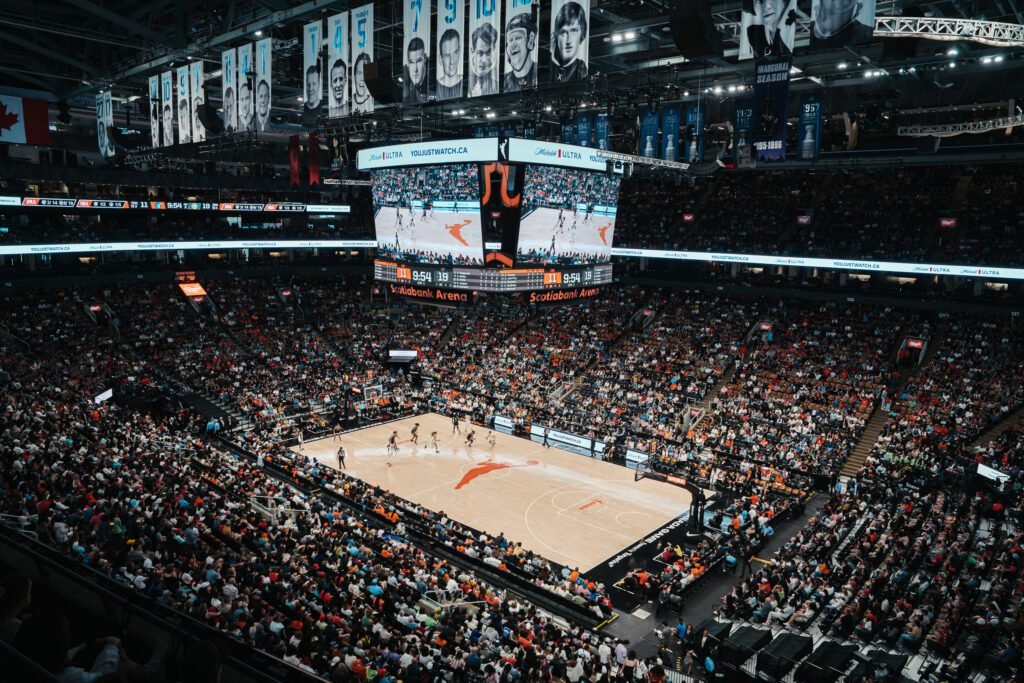
The WNBA has had to adapt its operational strategy to accommodate the influx of fans. Several teams, including the Las Vegas Aces and the Washington Mystics, moved their games against Clark's Indiana Fever to larger NBA-sized arenas to meet ticket demand. This shift demonstrates a tangible need for the league to scale its infrastructure. The strategic decision to move games to venues with 18,000+ seats rather than the standard 4,000-seat auxiliary gyms has resulted in millions of dollars in additional gate revenue for the host teams.
What This Means For You
For the average sports fan and investor, the rise of Caitlin Clark signifies the normalization of women's sports as a primary entertainment product. If you are a brand manager, the lesson is clear: investment in women's sports is no longer a philanthropic gesture but a strategic necessity with high ROI potential. For fans, this means better access to games, higher production values in broadcasts, and a more competitive league as revenue increases allow for higher player salaries and better training facilities.
Expert Verdict and Future Outlook
The long-term sustainability of the Clark Effect depends on the league's ability to market the stars around her. While Clark is the current catalyst, the influx of capital must be used to elevate the entire ecosystem. Industry analysts predict that within the next five years, the WNBA will expand by at least two to four teams, fueled by the proven profitability demonstrated during the 2024 season. Clark is likely to remain the face of the league, but her greatest legacy may be the structural changes she forced upon a league that was previously undervalued by major media conglomerates.
FAQ
- What is Caitlin Clark's WNBA salary? Her rookie contract is valued at approximately $338,056 over four years, though her total income is significantly higher due to endorsements.
- How many points did Caitlin Clark score in college? She finished her career with 3,951 points, making her the all-time leading scorer in NCAA Division I history for both men and women.
- Which team does Caitlin Clark play for? She was the number one overall pick in the 2024 WNBA Draft by the Indiana Fever.
- Has she won a WNBA championship? As of her rookie season in 2024, she is in the early stages of her professional career and is working toward her first title.
- What are her major endorsement deals? Her primary sponsors include Nike, Gatorade, State Farm, and Wilson.
Conclusion
Caitlin Clark is a transformative figure whose impact reaches far beyond the basketball court. By breaking viewership records and driving unprecedented commercial interest, she has provided a blueprint for the future of women's professional sports. The strategic takeaway is that high-level performance combined with authentic brand building can disrupt established market hierarchies. As the WNBA continues to evolve, the Clark era will be remembered as the moment the league transitioned from a developmental phase into a global powerhouse.




Comments 0
Leave a Reply
Your email address will not be published. Required fields are marked *
Be the first to share your thoughts!