
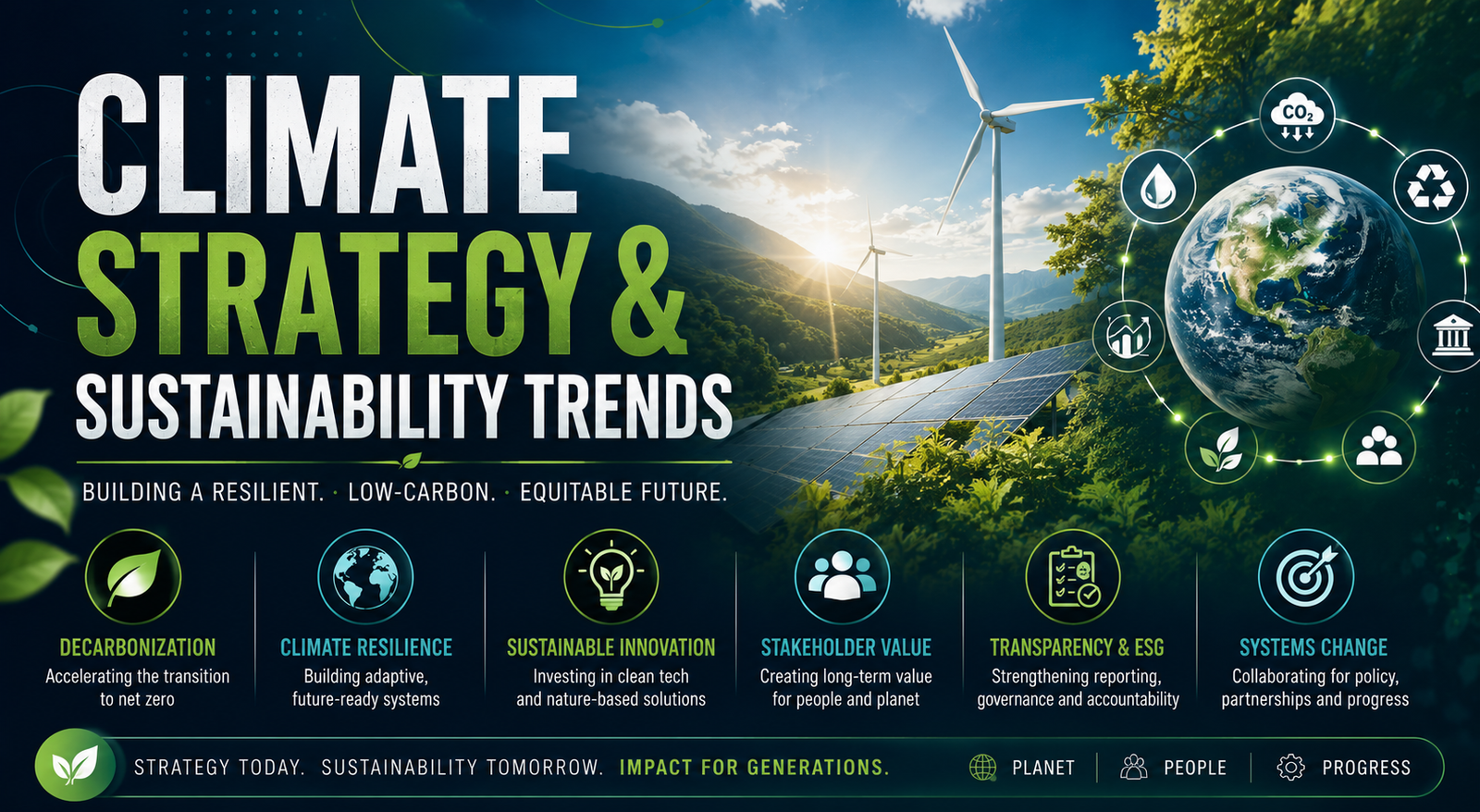
💡 Climate Strategy & Sustainability Trends
A comprehensive analysis of global climate strategies, regulatory shifts, and sustainability trends defining corporate governance in 2024.
Executive Summary
The global landscape of climate strategy has shifted from voluntary participation to mandatory compliance. In 2024, the integration of sustainability into core business operations is no longer a peripheral concern but a financial imperative. Key findings indicate that global green bond issuance reached approximately 575 billion dollars in the first half of the year, signaling a robust appetite for sustainable finance. Furthermore, the implementation of the Corporate Sustainability Reporting Directive (CSRD) in the European Union is now affecting over 50,000 companies, forcing a standardized approach to ESG (Environmental, Social, and Governance) data. This analysis highlights the transition toward Scope 3 emissions transparency, the rise of circular economy models, and the critical role of artificial intelligence in optimizing energy consumption.
Introduction
The urgency of the climate crisis has reached a critical juncture. With global temperatures consistently flirting with the 1.5 degree Celsius threshold established by the Paris Agreement, the corporate sector is under unprecedented pressure from investors, regulators, and consumers. The era of vague environmental promises is ending, replaced by a rigorous framework of accountability. Organizations are now required to demonstrate not just their intent, but their measurable progress toward net-zero goals. This strategic shift is characterized by the move away from greenwashing toward high-integrity climate action. As businesses navigate this complex terrain, understanding the intersection of technology, policy, and finance is essential for long-term viability.
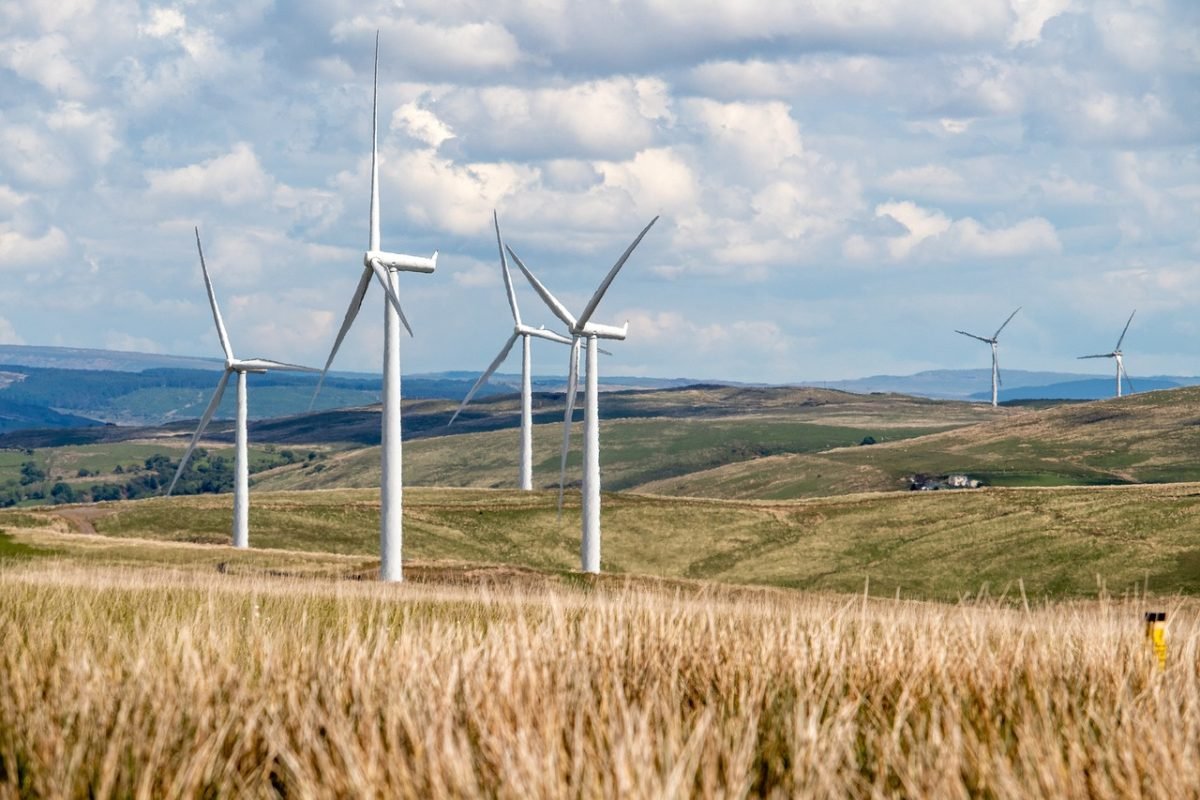
The Deep Dive: Analyzing the Pillars of Modern Climate Strategy
The current climate strategy framework is built upon four primary pillars: regulatory compliance, decarbonization of the value chain, sustainable finance, and technological innovation. Each of these areas is undergoing rapid transformation driven by data-centric methodologies and international cooperation.
1. The Regulatory Revolution and Mandatory Disclosure
Regulatory bodies across the globe are codifying sustainability reporting. The European Union's CSRD is the most prominent example, requiring companies to report on both how sustainability issues affect their business and how their business impacts people and the environment. This concept, known as double materiality, sets a new standard for corporate transparency. In the United States, the SEC (Securities and Exchange Commission) has introduced rules to standardize climate-related disclosures, emphasizing the financial risks posed by climate change. This shift mirrors the rigor found in Self Enumeration Census: A Strategic Digital Transformation Analysis, where data accuracy and systematic collection are paramount for national planning and corporate strategy alike.
2. Scope 3 Emissions and Supply Chain Integrity
One of the most significant challenges in modern climate strategy is the management of Scope 3 emissions. These are indirect emissions that occur in the value chain of the reporting company, including both upstream and downstream activities. For many organizations, Scope 3 accounts for more than 70 percent of their total carbon footprint. Addressing these emissions requires deep collaboration with suppliers and a fundamental redesign of logistics. Companies are increasingly adopting Science Based Targets (SBTi) to ensure their reduction pathways align with climate science. Managing these risks is comparable to the precision required in emergency preparedness, as seen in the Severe Thunderstorm Watch: A Strategic Safety Analysis, where proactive monitoring prevents systemic failure.
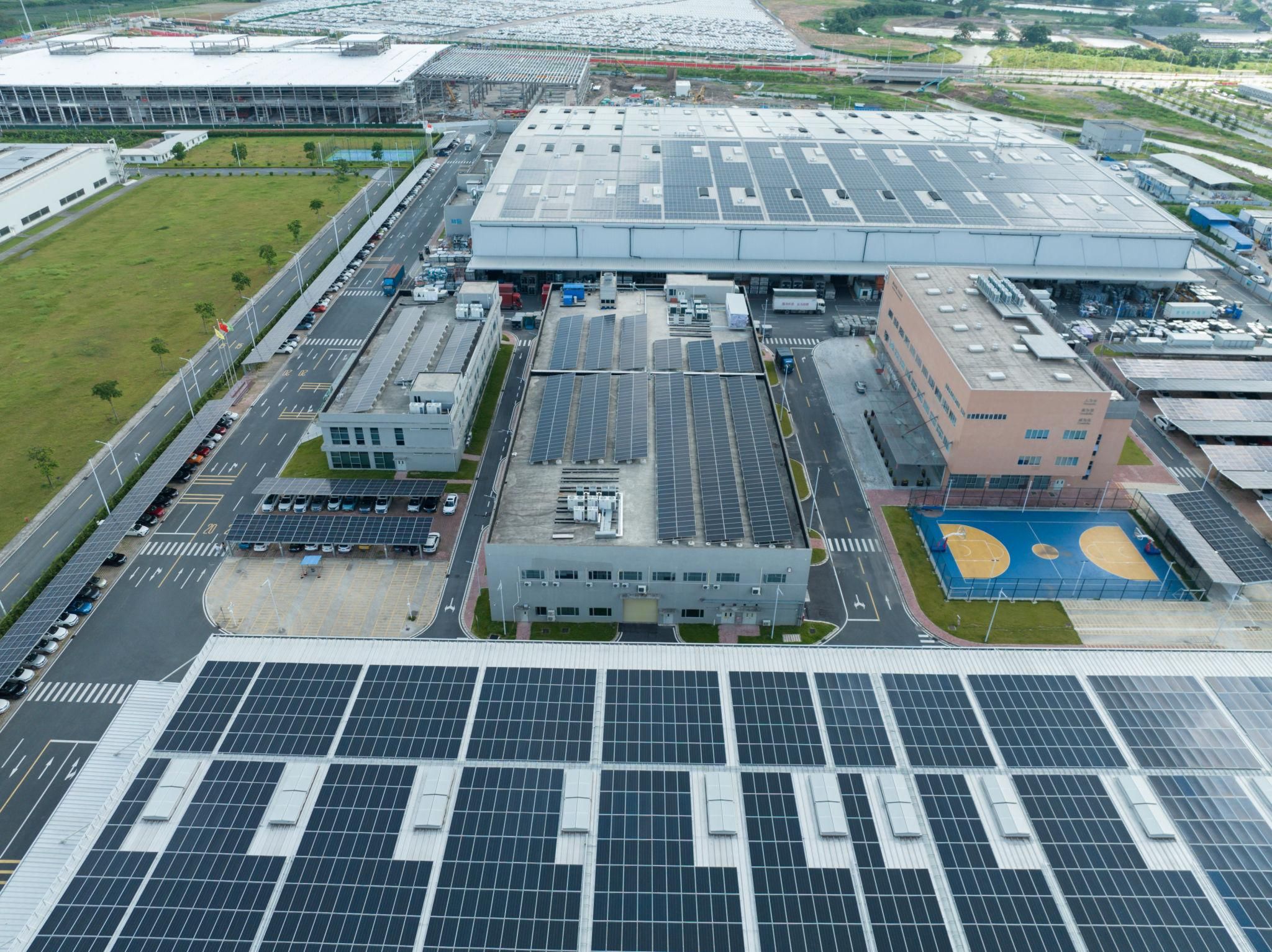
3. The Role of Green Technology and AI
Artificial Intelligence is emerging as a powerful tool for sustainability. AI-driven analytics allow companies to optimize energy use in real-time, predict equipment failures to reduce waste, and manage complex supply chains with greater efficiency. In the energy sector, smart grids powered by machine learning are essential for integrating intermittent renewable sources like wind and solar. This technological surge is part of a broader global trend where nations are competing for leadership in the green economy. For instance, the strategic investments in technology seen in Japan: Global Economic and Tech Strategic Analysis demonstrate how advanced manufacturing and R&D are being pivoted toward carbon neutrality goals.
4. Circular Economy and Resource Resilience
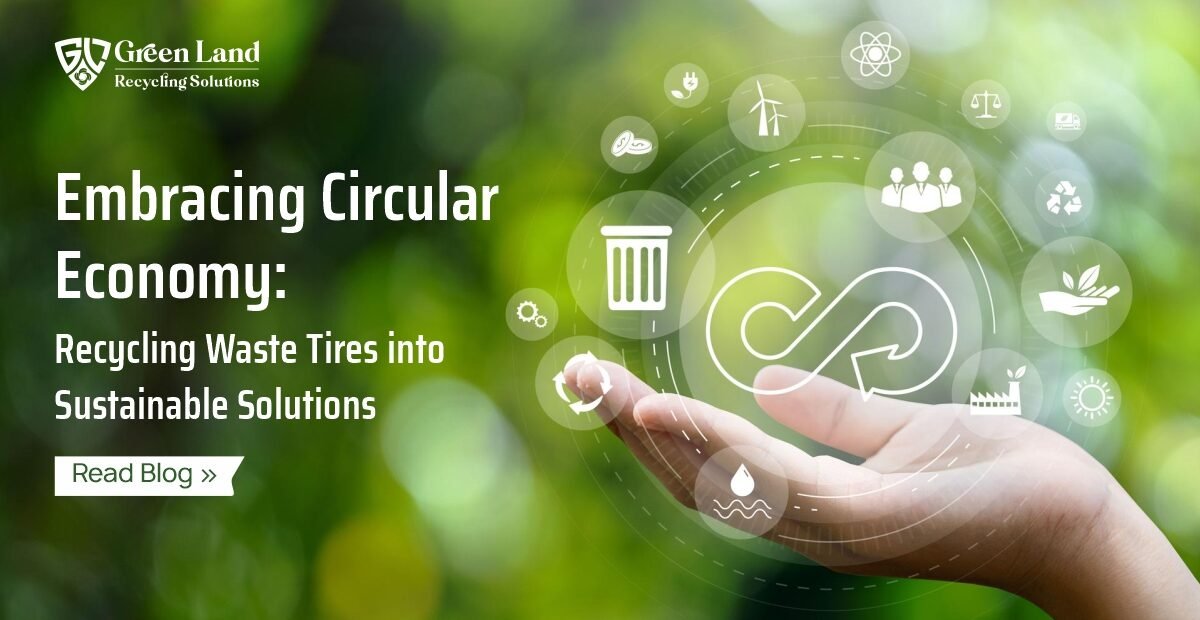
The transition from a linear take-make-waste model to a circular economy is gaining momentum. This involves designing products for longevity, repairability, and recyclability. By decoupling economic growth from resource consumption, businesses can mitigate the risks associated with raw material scarcity and price volatility. The circular approach is not only an environmental necessity but a strategic advantage that enhances supply chain resilience and fosters innovation in product design.
What This Means For You
For business leaders and stakeholders, the current sustainability trends necessitate a proactive rather than reactive stance. Here is a breakdown of actionable steps:
- Conduct a Double Materiality Assessment: Identify the sustainability issues that are most significant to your business and your stakeholders.
- Invest in Data Infrastructure: Ensure your ESG data is as audit-ready as your financial data. Manual spreadsheets are no longer sufficient for the level of transparency required by modern regulators.
- Engage the Value Chain: Start working with your top-tier suppliers now to gather carbon data and encourage them to set their own reduction targets.
- Align Finance with Sustainability: Explore green financing options such as sustainability-linked loans, which offer better rates for meeting specific environmental targets.
Expert Verdict and Future Outlook
The future of climate strategy lies in the total integration of sustainability into the corporate DNA. We are moving toward a period where carbon will be priced as a standard liability on the balance sheet. In the next five years, expect to see the rise of nature-based disclosures, where companies must report on their impact on biodiversity. The successful organizations of the future will be those that view sustainability not as a cost center, but as a catalyst for innovation and operational efficiency. The convergence of digital transformation and the green transition will create the most significant economic opportunity since the industrial revolution.
Frequently Asked Questions
What is the difference between Net Zero and Carbon Neutral?
Carbon neutral means balancing carbon emissions with carbon offsets. Net Zero is more rigorous, requiring a company to reduce its absolute emissions by 90 to 95 percent and using carbon removal only for the remaining hard-to-abate residual emissions.
Why is Scope 3 reporting so difficult?
It requires data from external partners across the entire supply chain. Many suppliers, especially small and medium-sized enterprises, may not yet have the capacity to track and report their own emissions accurately.
What is Greenhushing?
Greenhushing is the practice where companies deliberately under-report or hide their sustainability achievements to avoid scrutiny or potential accusations of greenwashing if they fail to meet ambitious future goals.
How does the CSRD affect non-EU companies?
Non-EU companies with significant operations in the European Union (typically a turnover above 150 million euros within the EU) will eventually be required to comply with CSRD reporting standards.
Can AI really help achieve climate goals?
Yes, AI can improve energy efficiency by up to 15 percent in industrial settings and is crucial for optimizing the logistics and distribution networks necessary for a low-carbon economy.
Conclusion
The strategic evolution of climate and sustainability trends marks a permanent shift in global business operations. By moving beyond compliance and embracing deep decarbonization, technological integration, and circularity, organizations can secure their position in a low-carbon future. The data is clear: sustainability is the new benchmark for corporate excellence and long-term financial health.




Comments 0
Leave a Reply
Your email address will not be published. Required fields are marked *
Be the first to share your thoughts!