
Introduction to the Caspian Sea
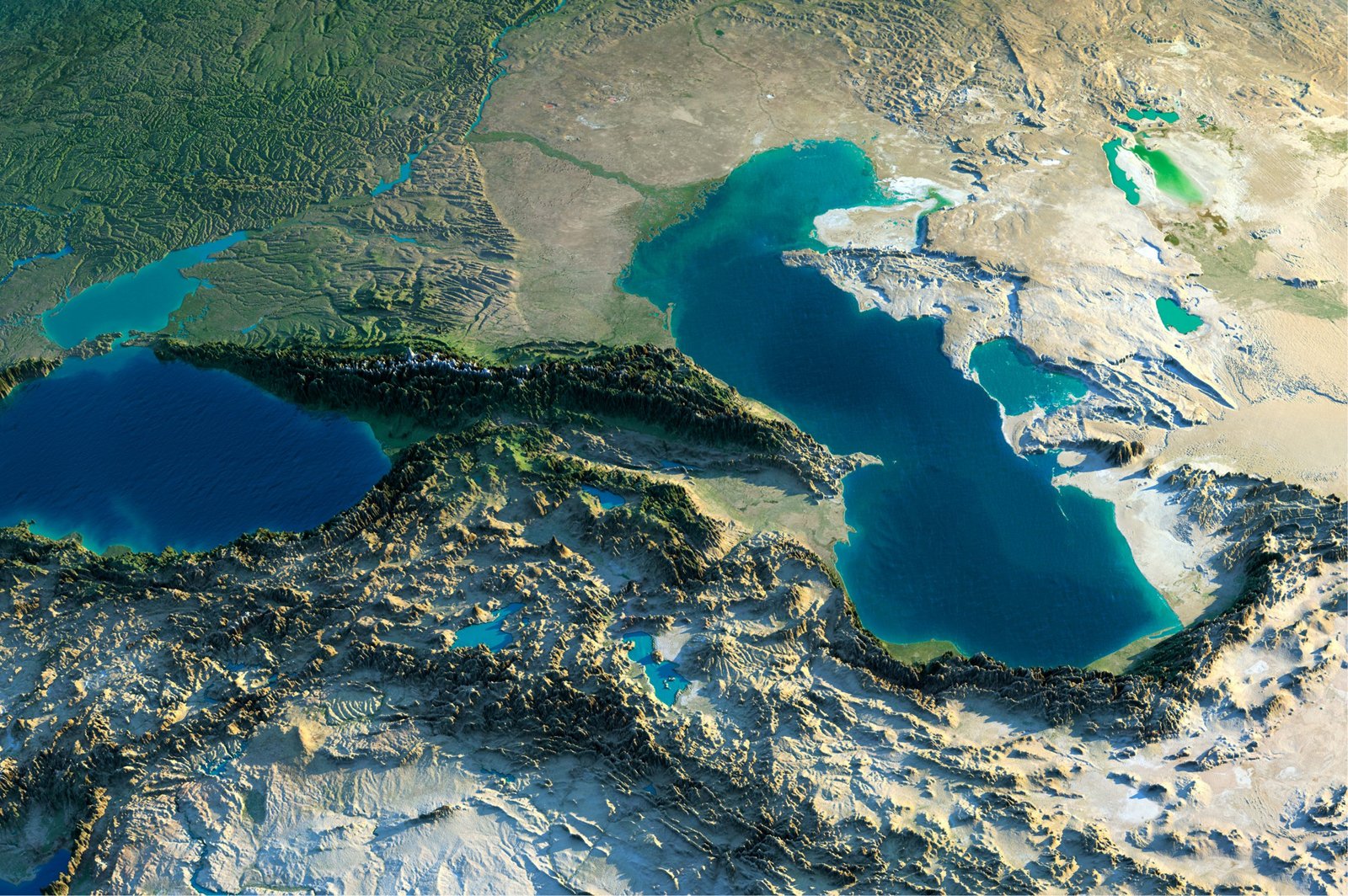
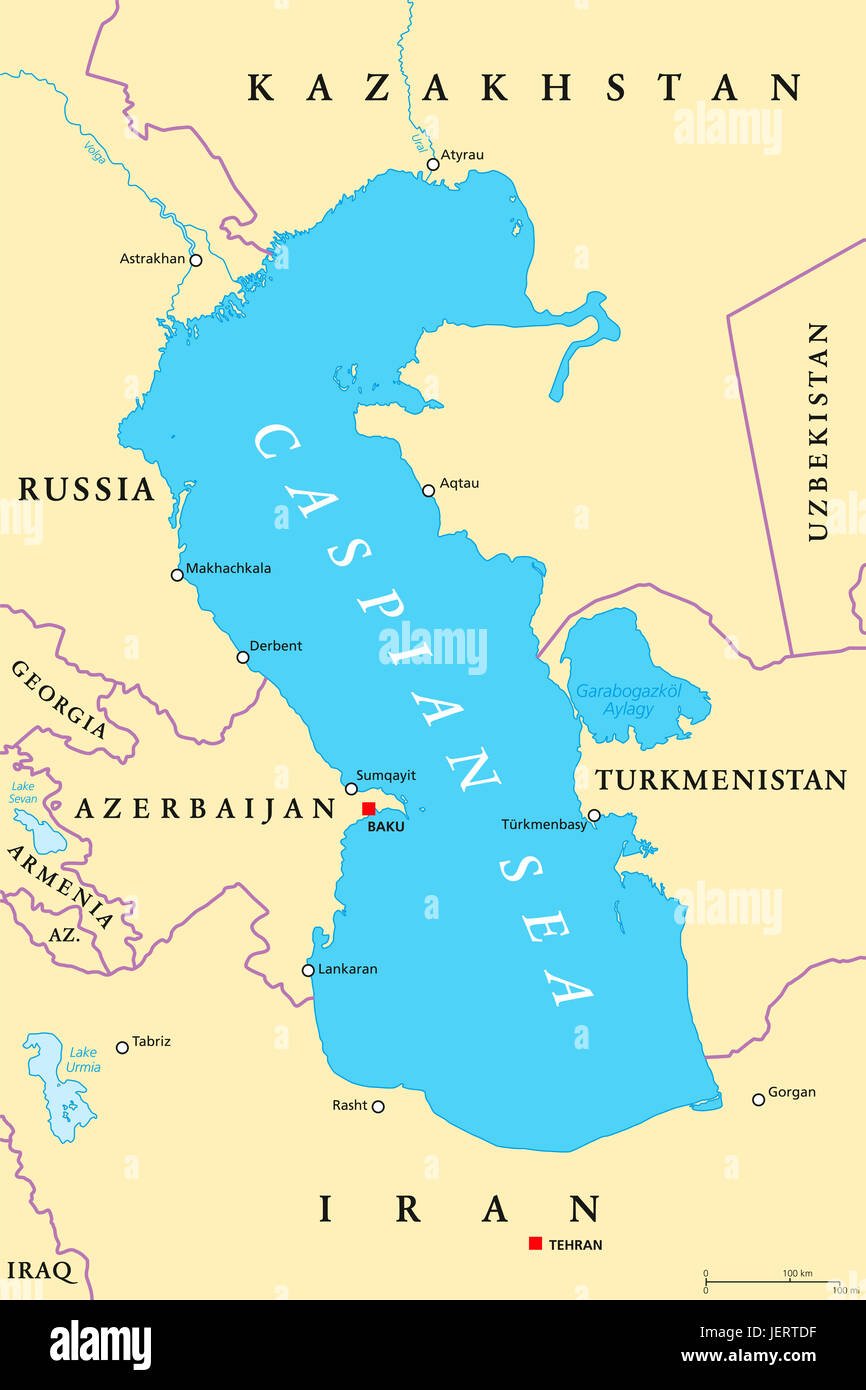
The Caspian Sea is the world’s largest inland body of water and is often considered both a sea and a lake. Often referred to as the worlds largest lake, it possesses characteristics of both a sea and a lake, covering a surface area of approximately 371,000 square kilometers. This massive body of water is bordered by five nations: Russia to the northwest, Azerbaijan to the west, Iran to the south, Turkmenistan to the southeast, and Kazakhstan to the northeast. Its importance transcends mere geography, as it serves as a critical hub for global energy, international logistics, and biological diversity.
The Caspian Sea is important for geography, energy resources, and environmental studies. It contains approximately 78,200 cubic kilometers of water, representing about 40 percent of all lake waters on the planet. Unlike most lakes, its water is not fresh but brackish, with a salinity level about one-third that of average seawater. This unique chemical composition has fostered a distinct ecosystem that is home to species found nowhere else on the globe.
The Three Basins of the Caspian
The Caspian Sea is divided into three main regions: the Northern, Middle, and Southern basins. Each region features vastly different depths and ecological characteristics. The Northern Caspian is the shallowest part, with an average depth of only 5 to 6 meters. This area is highly sensitive to temperature changes and often freezes during the winter months due to its low salinity, which is influenced by the massive inflow from the Volga River.
The Middle Caspian is deeper, reaching depths of around 190 meters. It serves as a transitional zone between the shallow north and the cavernous south. The Southern Caspian is the deepest region, plunging to a maximum depth of 1,025 meters. This deep-water basin holds the majority of the seas total water volume and remains relatively stable in terms of temperature throughout the year. The Southern basin is the deepest part of the Caspian Sea and contains most of its water volume, particularly those related to telecommunications and energy extraction.
The Legal Status: Sea or Lake?
For decades, the legal classification of the Caspian Sea was a subject of intense international debate. The distinction between a sea and a lake is not just a matter of semantics; it dictates how the resources on the seabed are divided among the littoral states. If classified as a sea, international maritime law (UNCLOS) would apply, requiring the division of the seabed into national sectors based on the coastline length. If classified as a lake, the resources would be shared equally or via mutual agreement among all five bordering nations.
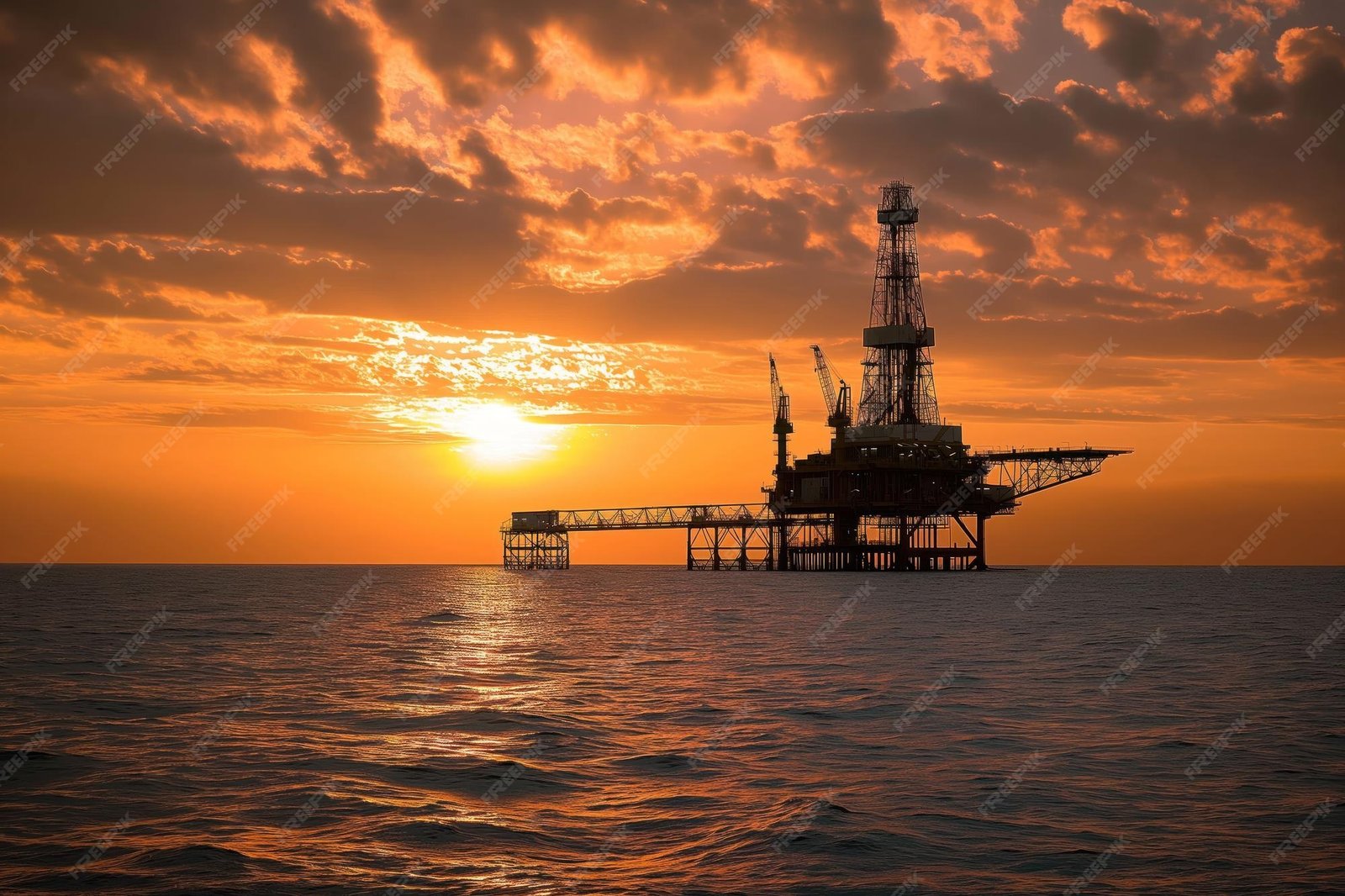
In 2018, the five littoral states signed the Convention on the Legal Status of the Caspian Sea in Aktau, Kazakhstan. This landmark agreement established a special legal status for the body of water. The 2018 Convention on the Legal Status of the Caspian Sea defined how the water and seabed are divided between the five countries. This framework has provided the necessary legal clarity for major international corporations to invest in offshore projects. [Link to: International Maritime Law Explained]
Economic Importance: Energy and Resources
The Caspian region is a powerhouse of natural resources. The Caspian region has large oil and gas reserves that are important for regional energy supply. Estimates indicate that the Caspian basin contains up to 48 billion barrels of oil and 292 trillion cubic feet of natural gas in proved and probable reserves. Major fields like the Kashagan in Kazakhstan and the Shah Deniz in Azerbaijan are pivotal to the energy security of both Europe and Asia.
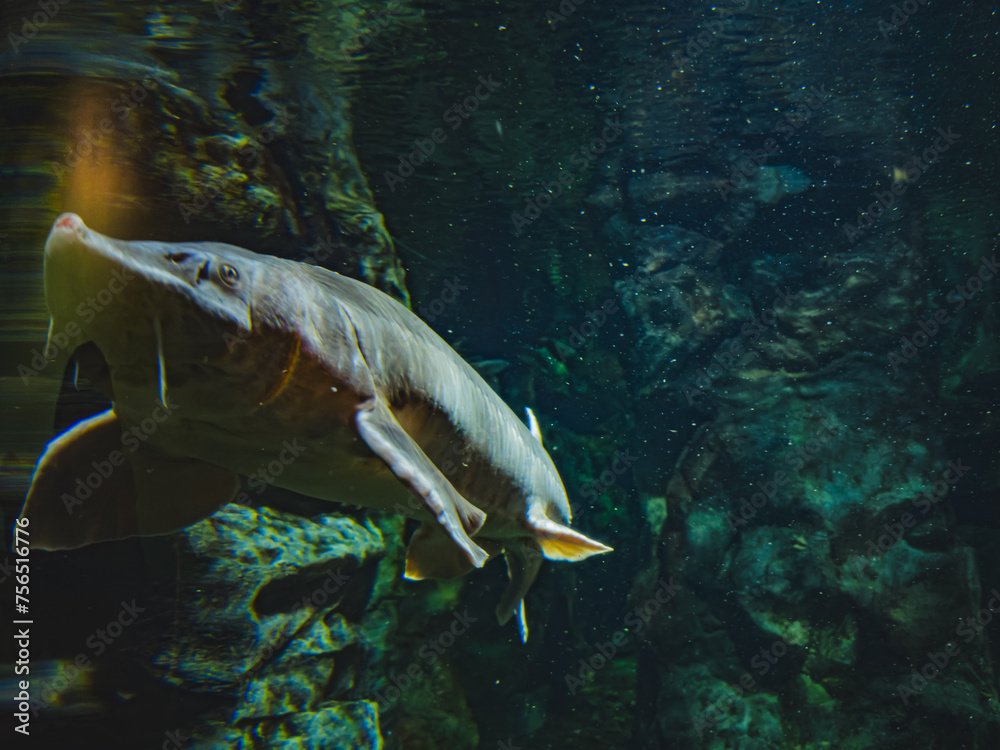
Beyond hydrocarbons, the Caspian is world-renowned for its biological resources, specifically the sturgeon. The sea provides the primary habitat for several species of sturgeon, including the Beluga, which produces some of the most expensive caviar in the world. However, due to overfishing and habitat loss, the sturgeon population has faced significant declines. Strict international quotas and conservation efforts are now in place to prevent the extinction of these ancient fish. [Link to: Sustainable Fishing Practices]
Environmental Challenges and Water Levels
One of the most pressing issues facing the Caspian Sea is the fluctuation of its water levels. Historical data shows that the sea level has risen and fallen periodically over centuries. However, Water levels in the Caspian Sea have been decreasing due to climate change and reduced river inflow. This phenomenon is attributed to a combination of factors, including increased evaporation due to rising global temperatures and reduced inflow from the Volga and Ural rivers, which provide about 80 percent of the seas water.
Pollution also remains a significant concern. The extraction of oil and gas, combined with industrial runoff from the surrounding nations, has introduced heavy metals and hydrocarbons into the marine environment. This affects not only the water quality but also the health of the Caspian seal, the only marine mammal found in the sea. Conservationists emphasize that regional cooperation is vital to addressing these transboundary environmental threats.
Logistics and the International North-South Transport Corridor
The Caspian Sea is a vital link in global trade routes. The International North-South Transport Corridor (INSTC) is a 7,200-kilometer multi-mode network of ship, rail, and road routes for moving freight between India, Iran, Azerbaijan, Russia, Central Asia, and Europe. By utilizing the Caspian Sea as a transit point, cargo can bypass the congested Suez Canal, significantly reducing transport time and costs.
Key ports such as Baku (Azerbaijan), Aktau (Kazakhstan), and Astrakhan (Russia) have undergone massive modernization to handle increased container traffic. This logistical importance ensures that the Caspian remains a focal point of economic strategy for the Eurasian landmass. [Link to: Global Supply Chain Innovations]
Common Misunderstandings About the Caspian Sea
- Thinking it is a salt-water ocean: While it is salty, it is brackish, and its chemical composition is different from the Atlantic or Pacific oceans.
- Assuming it has a tide: Because it is an enclosed body of water, the Caspian does not experience significant lunar tides like the open oceans.
- Ignoring the depth variation: Many people assume the entire sea is deep, but the northern part is actually so shallow that it cannot support deep-draft vessels.
- Confusing it with the Aral Sea: While both are in the same general region, the Aral Sea has largely disappeared due to irrigation projects, whereas the Caspian remains a massive, though fluctuating, body of water.
Pro Tips for Regional Engagement
For businesses or researchers looking to engage with the Caspian region, Key areas to focus on include:
- Regulatory Compliance: Each of the five littoral states has distinct regulations regarding environmental protection and resource extraction. Always consult local legal experts.
- Environmental Monitoring: Utilize satellite imagery and remote sensing to track water level changes, which can impact port operations and infrastructure.
- Diversification: While oil and gas dominate, there is growing potential in renewable energy, particularly offshore wind in the windy coastal regions of Azerbaijan and Kazakhstan.
Frequently Asked Questions
Is the Caspian Sea a lake or a sea?
Geographically, it is the worlds largest inland lake because it is not connected to the global ocean system. However, its size, salinity, and the 2018 legal convention give it a unique status that includes characteristics of both.
Which countries border the Caspian Sea?
The five countries are Russia, Azerbaijan, Iran, Turkmenistan, and Kazakhstan.
Why is the Caspian Sea shrinking?
The decline in water levels is primarily caused by high evaporation rates linked to climate change and the diversion of water from the rivers that feed into it for agricultural and industrial use.
Can you swim in the Caspian Sea?
Yes, there are many popular resort areas along the coasts of Azerbaijan, Russia, and Iran. However, water quality varies by location, especially near industrial zones.
What is the most famous animal in the Caspian Sea?
The Caspian seal is the most famous endemic species, but the Beluga sturgeon is also highly well-known for its role in the caviar industry.
Conclusion
The Caspian Sea is a geographic marvel that plays a disproportionately large role in global energy, trade, and ecology. Its unique status as the worlds largest inland water body presents both immense economic opportunities and significant environmental challenges. As the five littoral nations continue to navigate the complexities of resource sharing and conservation, the Caspian will remain a vital center of geopolitical and environmental interest. The future of this region depends on balanced management that protects its delicate ecosystem while harnessing its vast natural wealth.
Lottery and gambling activities involve financial risk. This content is for informational purposes only. Please participate responsibly.





Comments 0
Leave a Reply
Your email address will not be published. Required fields are marked *
Be the first to share your thoughts!