
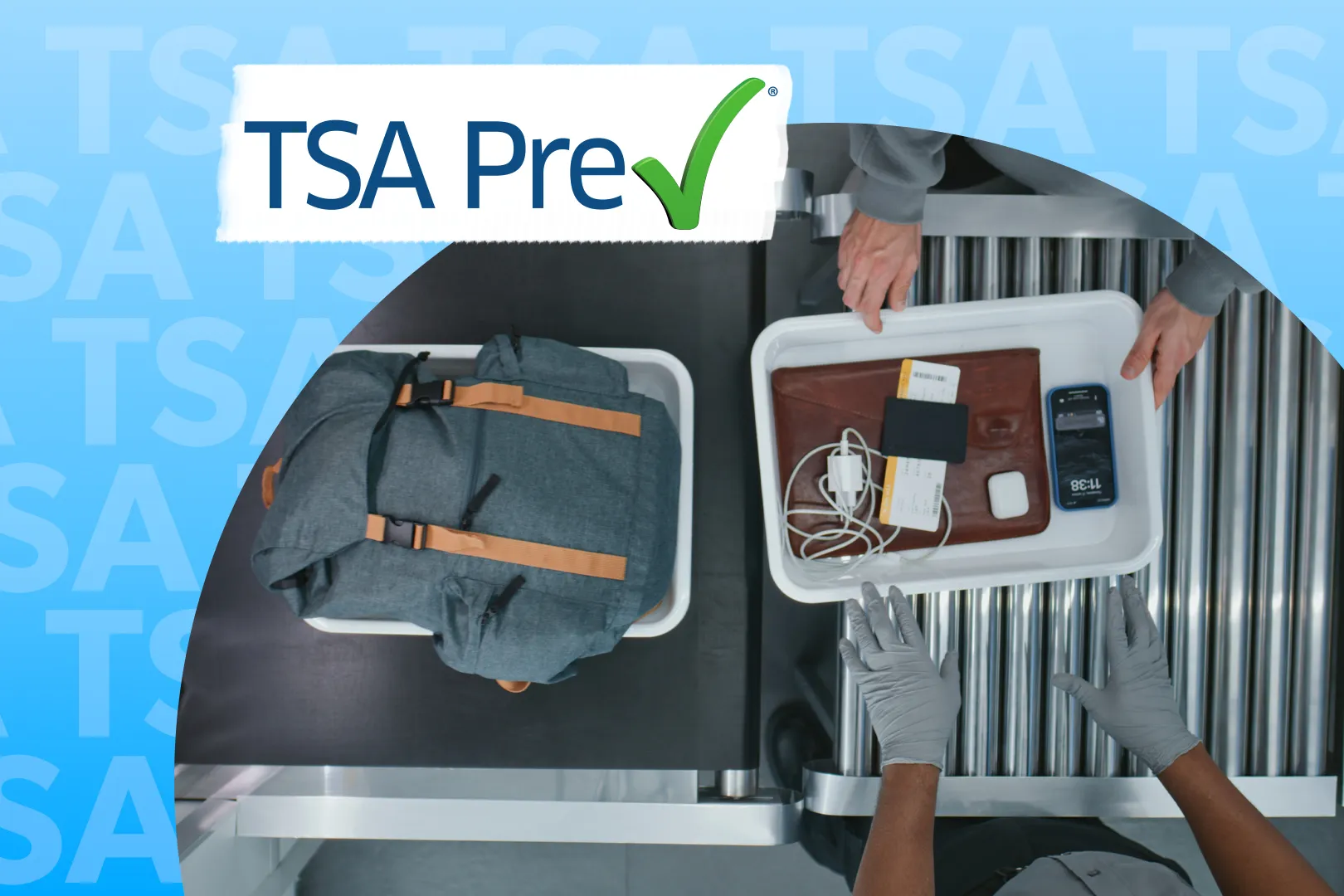
Air travel requires navigating complex security protocols designed to ensure passenger safety. For many travelers, the standard security screening process involves long wait times and the inconvenience of removing shoes, belts, and electronics. TSA PreCheck serves as a solution to these challenges. As a Department of Homeland Security Trusted Traveler Program, it provides an expedited screening process for low-risk travelers at participating United States airports. According to aviation security experts, this program is a cornerstone of risk-based security strategies aimed at focusing resources on unknown threats while facilitating a smoother experience for vetted individuals.
The program is managed by the Transportation Security Administration and allows pre-approved passengers to pass through security checkpoints with greater efficiency. Industry reports indicate that the program has expanded significantly since its inception, now including over 90 participating airlines and operating at more than 200 airports nationwide. Understanding the mechanics of the program, from application to implementation, is essential for any frequent or occasional flyer looking to optimize their travel time.
Understanding the Core Concepts of TSA PreCheck
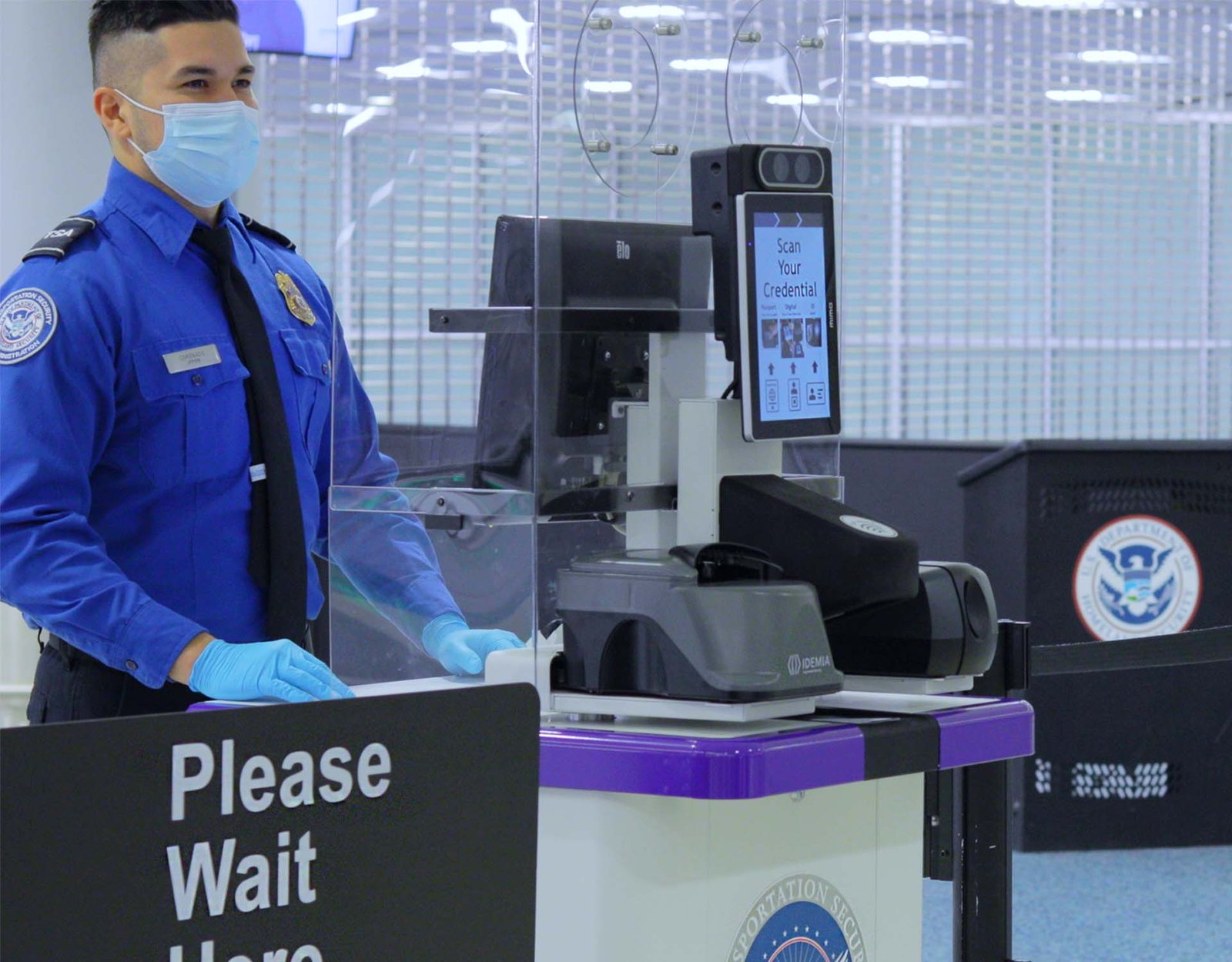
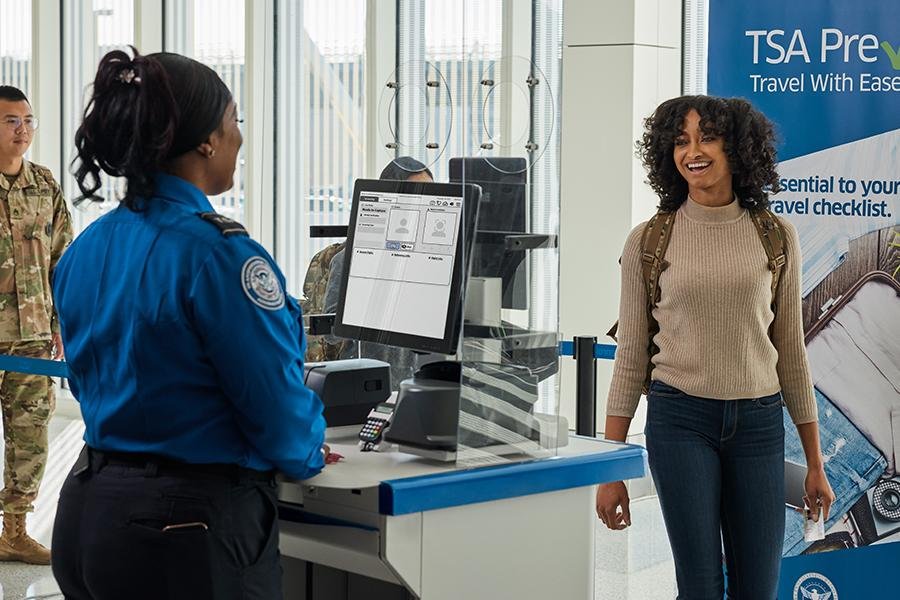
TSA PreCheck operates on the principle of voluntary background vetting. When a traveler is approved, they receive a Known Traveler Number. This number is the primary identifier that signals to airlines and the TSA that the passenger has undergone a rigorous background check and is deemed low-risk. The main goal is to help approved travelers pass through airport security faster and reduce waiting time.
The benefits of the program are specific and standardized. Passengers in the expedited lane do not need to remove their shoes, light jackets, or belts. Furthermore, laptops and compliant liquids can remain inside carry-on luggage. These specific allowances significantly reduce the time spent at the X-ray machine and the metal detector.
Data from the Department of Homeland Security shows that the vast majority of TSA PreCheck passengers wait less than 10 minutes in line. This efficiency is achieved through dedicated lanes and modified screening procedures. It is important to note that while the process is expedited, the TSA maintains the right to perform random security measures on any passenger at any time to ensure the integrity of the system.
The Step-by-Step Application Process
Applying for TSA PreCheck involves a multi-stage process that combines online data entry with an in-person appointment. The application process is simple and easy for eligible applicants to complete. It is best to apply at least 60 days before your travel date to avoid delays.
- Online Application: The first step is to visit the official Department of Homeland Security website to fill out the initial application. This requires providing personal information, including name, date of birth, and contact details.
- Schedule an Appointment: Once the online portion is complete, applicants must schedule an in-person appointment at one of the over 500 enrollment centers located across the country. Many of these centers are situated within airports or at specialized enrollment offices.
- In-Person Interview and Fingerprinting: During the 10-minute appointment, a trained agent will verify identification documents. Applicants must bring a valid passport or a combination of a drivers license and birth certificate. Fingerprints are captured digitally for the background check.
- Payment of Fees: The application fee is 78 USD for new applicants when processed through certain providers, or 85 USD through others. This fee covers a five-year membership. It is non-refundable, regardless of whether the application is approved or denied.
- Receive Known Traveler Number: After the background check is completed, successful applicants receive their Known Traveler Number via mail or online lookup. This process often takes between three to five days, though it can take up to 60 days in some instances.
Once the Known Traveler Number is issued, it must be added to all airline reservations. This ensures the TSA PreCheck indicator appears on the boarding pass. Without this indicator, a traveler cannot access the expedited lane, even if they are a member of the program.
Eligibility and Participation Requirements
Eligibility for TSA PreCheck is clearly defined by the Department of Homeland Security. The program is primarily open to United States citizens and lawful permanent residents. Additionally, members of other Trusted Traveler Programs, such as Global Entry, NEXUS, and SENTRI, are automatically eligible for TSA PreCheck and do not need to apply separately.
Official specifications confirm that certain criminal convictions or security-related offenses can disqualify an individual from the program. The background check examines criminal history records and intelligence-related databases. Applicants with a history of providing false information or those who have violated transportation security regulations may also face denial.
For international travelers, while TSA PreCheck is a United States-based program, many international airlines participating in the program allow it for flights departing from U.S. airports. However, it does not provide expedited customs or immigration clearance when returning to the United States from abroad. For those benefits, travelers often look toward Global Entry.
Common Mistakes and How to Avoid Them
Even with a valid membership, travelers occasionally find themselves unable to use the expedited lanes. The most common issue is a mismatch between the name on the ticket and the TSA application. The name on the airline reservation must exactly match the name provided during the TSA PreCheck application. Even a missing middle initial or a suffix can result in the TSA PreCheck indicator being omitted from the boarding pass.
Another frequent error is forgetting to enter the Known Traveler Number into the airline profile. Many travelers assume that the membership is automatically linked to their identity across all platforms, but it must be manually entered for each airline or saved in the frequent flyer profile. Always check your boarding pass after booking. If TSA PreCheck is missing, contact the airline to update it.
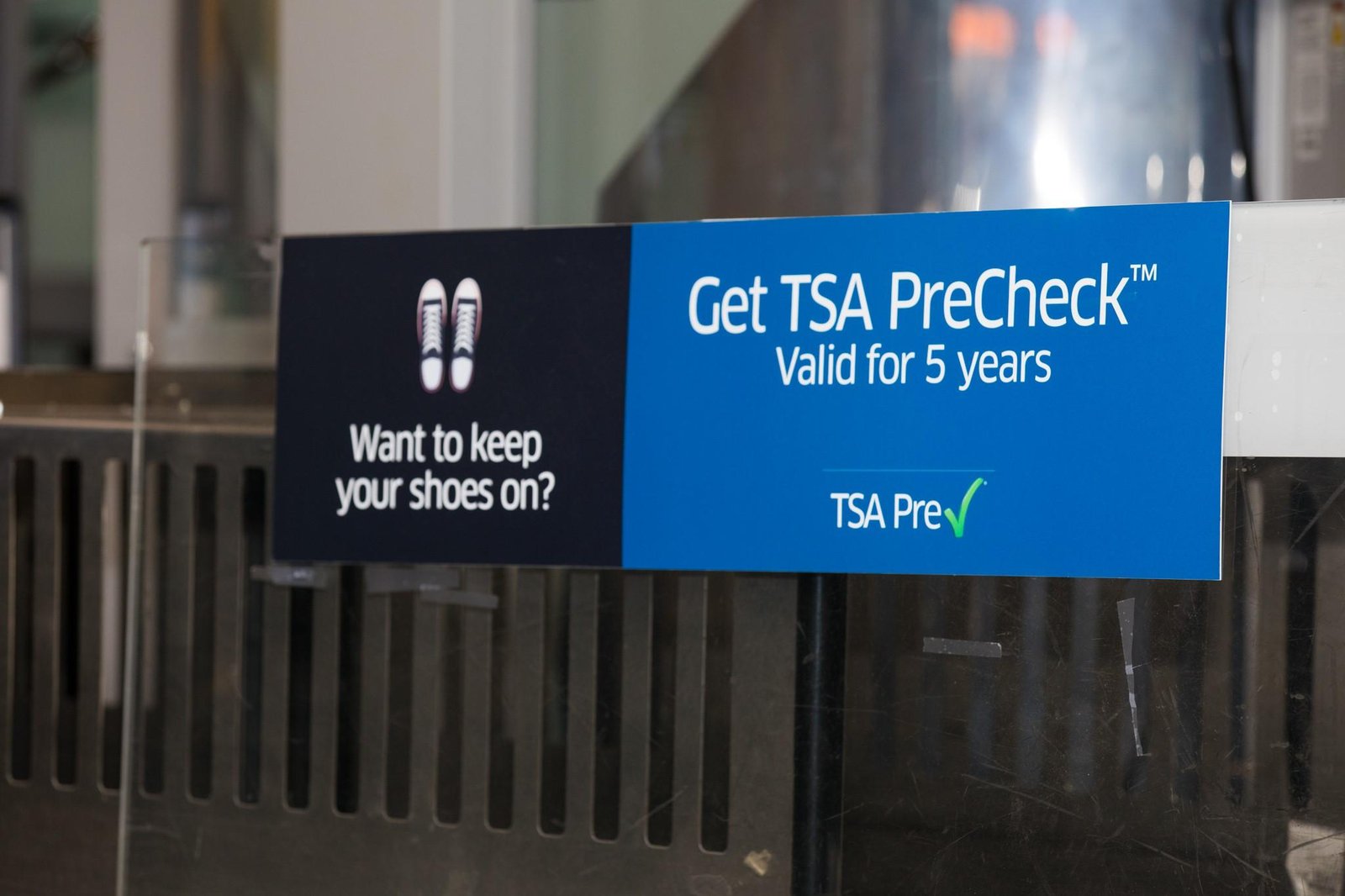
Finally, some travelers fail to renew their membership on time. TSA PreCheck expires every five years. Renewal can often be completed entirely online for a lower fee of approximately 70 USD, provided the travelers information has not changed significantly. Waiting until after the expiration date to renew can lead to a lapse in benefits during travel.
Pro Tips and Expert Insights
To maximize the value of TSA PreCheck, industry experts recommend several strategies. First, many premium credit cards offer a statement credit that covers the application fee for TSA PreCheck or Global Entry. Travelers should check their credit card benefits before paying out of pocket. This can effectively make the program free for the duration of the membership.
Second, for families traveling together, it is important to know the rules regarding children. Official guidelines state that children aged 12 and under can accompany a parent or guardian with TSA PreCheck in the expedited lane without their own membership. Children between the ages of 13 and 17 may also join their parents if the TSA PreCheck indicator appears on the childs boarding pass, which occurs if they are traveling on the same reservation.
Third, travelers should consider the timing of their enrollment. Enrollment centers at major airports can have long wait times for appointments. However, many off-airport locations or pop-up enrollment events offer much faster availability. Utilizing these alternative locations can speed up the initial application process significantly.
Frequently Asked Questions
Can I use TSA PreCheck on international flights?
Yes, you can use TSA PreCheck when departing from a participating United States airport to an international destination, provided your airline participates in the program. It does not apply to security screenings in foreign airports or to customs upon your return.
Does TSA PreCheck include CLEAR Plus?
No, TSA PreCheck and CLEAR Plus are separate programs. TSA PreCheck is a government-run background check program that simplifies the physical screening. CLEAR Plus is a private company that uses biometrics to verify identity and move you to the front of the security line. They can be used together for the fastest experience.
What happens if my boarding pass does not have the TSA PreCheck logo?
If the logo is missing, you cannot use the TSA PreCheck lane. You should verify that your Known Traveler Number is correctly entered in your reservation and that your name matches your ID exactly. You may need to visit the airline check-in counter to have the pass reissued.
How long is the TSA PreCheck membership valid?
A standard TSA PreCheck membership is valid for five years from the date of approval. You can begin the renewal process up to six months before your current membership expires.
Is the application fee refundable?
No, the Department of Homeland Security does not refund the application fee, even if the application is denied or if the traveler decides not to complete the enrollment process.
Conclusion
TSA PreCheck remains one of the most effective ways for travelers to reduce the friction of air travel within the United States. By undergoing a voluntary background check and paying a nominal fee, passengers gain access to a streamlined security experience that saves time and physical effort. As air travel volume continues to fluctuate, the predictability of the expedited lane provides a significant advantage for both business and leisure travelers. Ensuring that personal data is accurate and that the Known Traveler Number is correctly applied to reservations is the key to a seamless experience. Ultimately, the program represents a successful integration of security and efficiency in the modern aviation landscape.





Comments 0
Leave a Reply
Your email address will not be published. Required fields are marked *
Be the first to share your thoughts!