
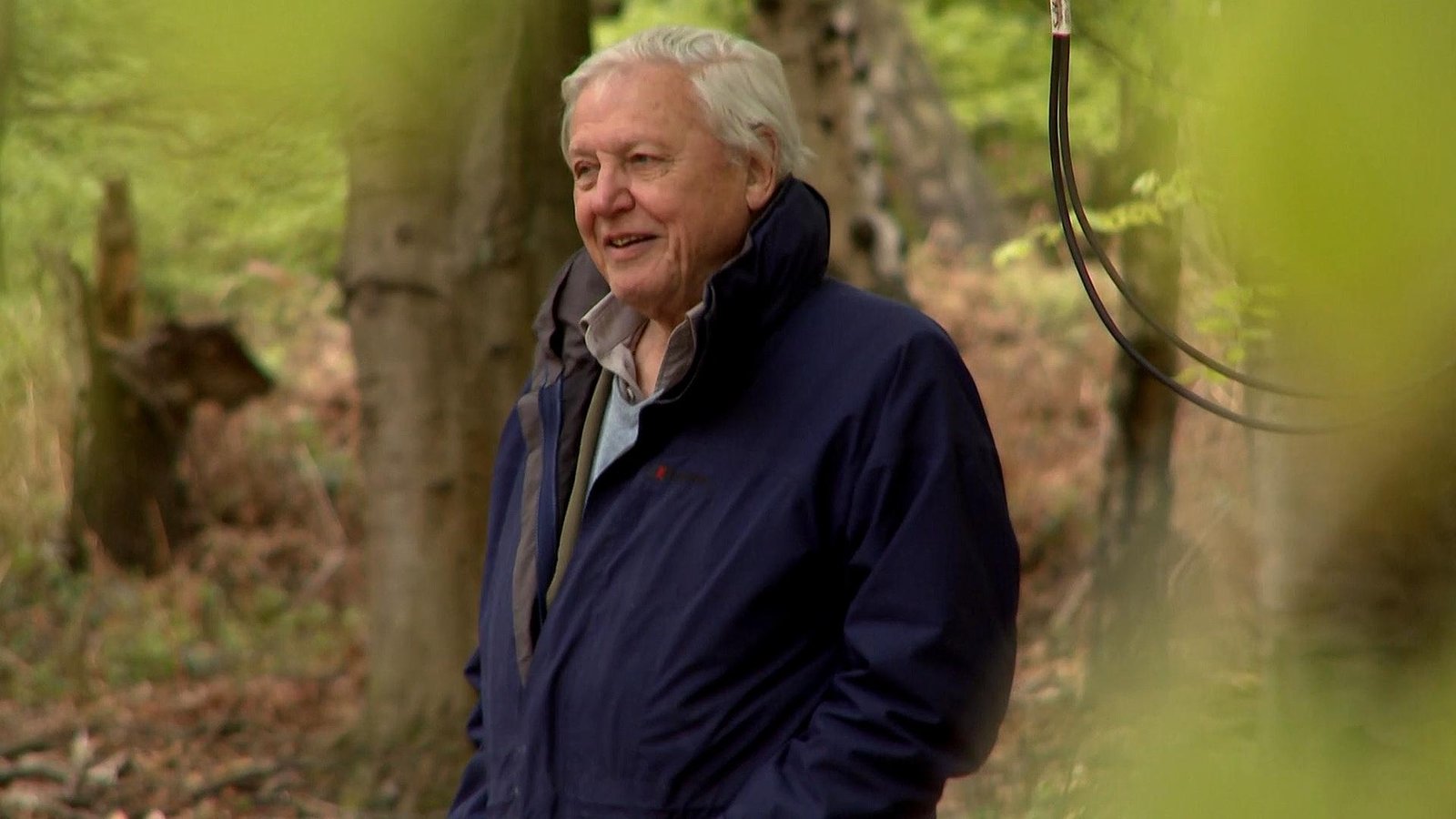
💡 What is David attenborough?
Explore the life, career, and lasting impact of Sir David Attenborough. Learn how his work inspires global land preservation and the urgent need for biodiversity protection.
For more than seven decades, one voice has defined our understanding of the natural world. Sir David Attenborough is not merely a broadcaster or a naturalist: he is a global icon whose work has bridged the gap between complex biological science and the general public. His career has spanned the evolution of television itself, from black and white broadcasts to high definition immersive experiences. However, his most significant contribution lies in his transition from a curious observer of nature to a fierce advocate for its protection. As global challenges like climate change and habitat loss accelerate, understanding the legacy of Attenborough is essential for anyone interested in the future of our planet.
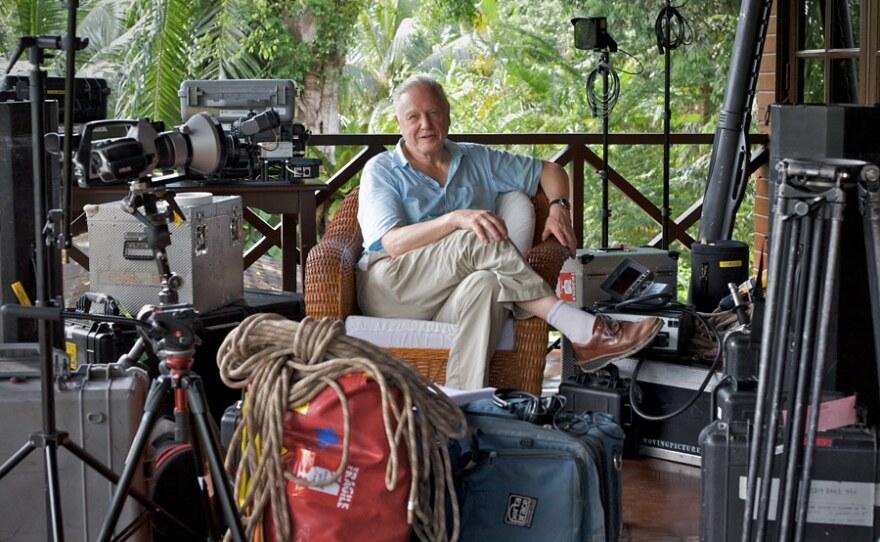
Who is Sir David Attenborough?
Sir David Attenborough was born in London in 1926 and grew up with a deep fascination for the natural world, often collecting fossils and stones. After studying natural sciences at Cambridge University, he joined the BBC in the early 1950s. At the time, television was a nascent medium, and Attenborough was instrumental in creating the first nature documentaries that brought exotic animals into the living rooms of millions. His early work, such as the Zoo Quest series, combined travelogue with animal study, setting the stage for what would become the gold standard of natural history filmmaking.
According to global media historians, Attenborough’s unique style: characterized by his hushed, enthusiastic narration and physical presence in the wild: changed how audiences perceived the environment. He did not just talk about animals; he stood beside them, showing the intricate connections between species and their habitats. This approach humanized the wild and fostered a sense of empathy that has lasted for generations.
What is the Attenborough Effect?
The term Attenborough Effect refers to the tangible impact his documentaries have on public behavior and policy. Experts suggest that when Attenborough highlights a specific environmental crisis, it often leads to a massive surge in public awareness and subsequent political action. A prime example of this occurred after the release of Blue Planet II, which showcased the devastating impact of plastic pollution in the oceans. Following the broadcast, many countries saw a significant increase in the ban of single use plastics and a shift in consumer habits.
As per recent industry reports, this effect is not limited to plastic. It extends to the preservation of land and the protection of endangered species. When the public sees the beauty of a landscape through his lens, they are more likely to support conservation charities and initiatives aimed at protecting those very spaces. This cultural shift is vital for large scale projects that require significant public funding and community support.
How does large scale land conservation work?
One of the most critical aspects of modern conservation is the acquisition and protection of large estates and natural landscapes. In regions like the United Kingdom, much of the land is privately owned, which can lead to fragmented habitats. Conservation groups often work to purchase these large tracts of land to create continuous corridors where wildlife can thrive without human interference. This process is known as landscape scale conservation.
According to ecological researchers, protecting large areas like the Rothbury Estate in Northumberland is essential for several reasons:
- Biodiversity Hotspots: Large estates often contain varied ecosystems, including peatlands, woodlands, and grasslands, which support a wide range of species.
- Carbon Sequestration: Preserving natural land helps in the fight against climate change by keeping carbon locked in the soil and vegetation.
- Rewilding Opportunities: These areas allow for the reintroduction of native species that may have been lost due to intensive farming or development.
- Public Access: Managed conservation land often provides space for people to connect with nature, which is proven to improve mental health and well being.

Why are estates like Rothbury important for biodiversity?
The effort to save large areas of land, such as the Rothbury Estate, represents a milestone in British conservation. When a significant portion of land becomes available, it presents a once in a lifetime opportunity to prevent further ecological decline. Experts suggest that such estates act as a buffer against the loss of species. In the United Kingdom, where nature is often under pressure from urban sprawl, having a massive, contiguous area dedicated to nature recovery is a game changer.
As per recent reports from the Northumberland Wildlife Trust, securing such land involves massive fundraising efforts, often reaching millions of pounds. These projects rely on a combination of government grants, private donations, and public appeals. The success of these appeals is a testament to the public's growing desire to see the natural world restored, a sentiment largely fueled by Attenborough’s lifelong advocacy.
What are the core concepts of rewilding?
Rewilding is a progressive approach to conservation that focuses on letting nature take the lead. Instead of strictly managing a piece of land for a specific outcome, rewilding involves restoring natural processes and then stepping back. This can include:
- Reintroducing Keystone Species: Bringing back animals like beavers or apex predators that play a crucial role in maintaining the balance of the ecosystem.
- Restoring Waterways: Allowing rivers to meander naturally rather than keeping them in artificial channels.
- Reducing Human Intervention: Minimizing the use of pesticides, fertilizers, and heavy machinery to allow native flora to return.
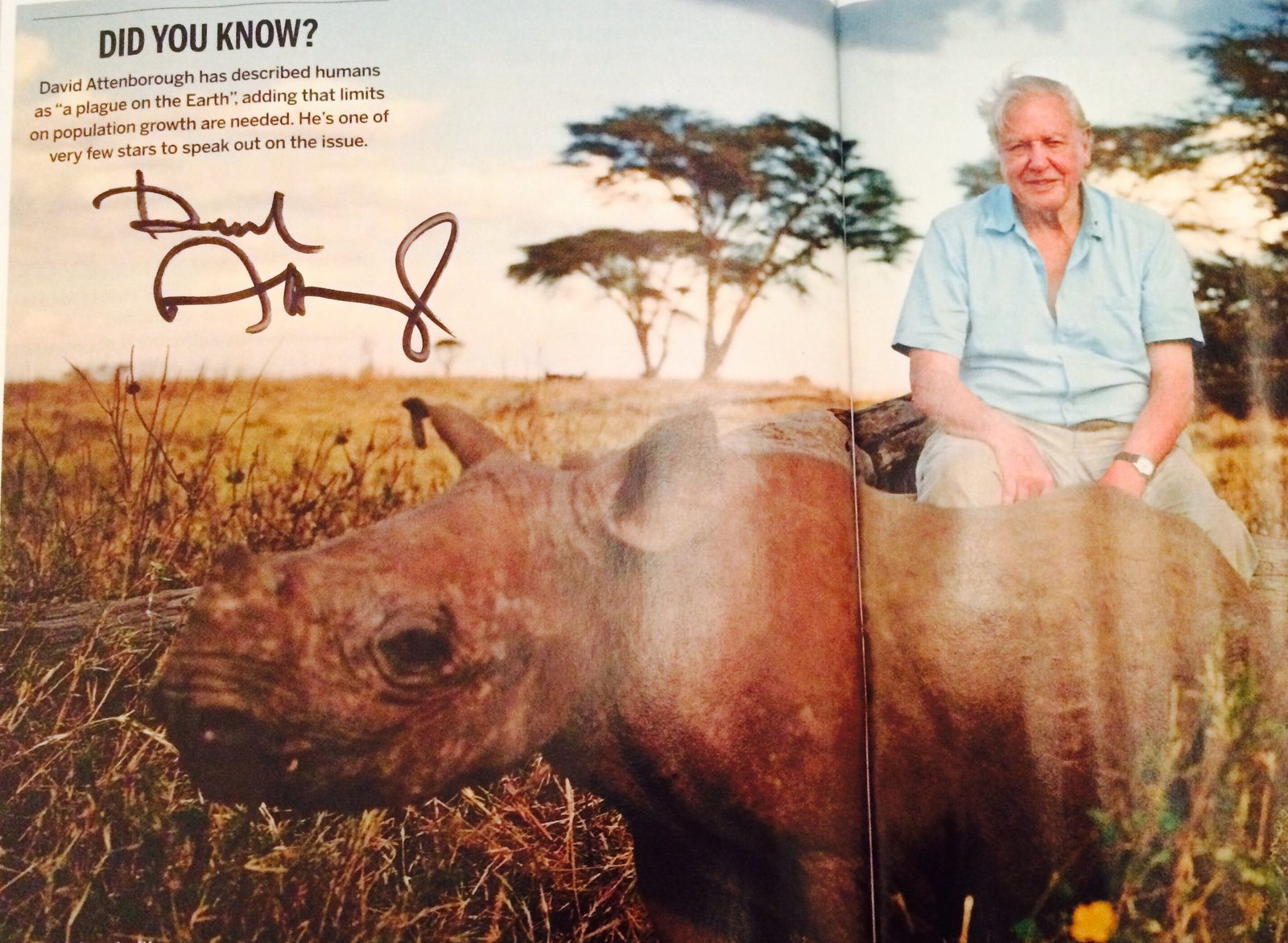
Common mistakes and challenges in conservation
While the goal of conservation is noble, it is not without its challenges. Industry analysts suggest that one common mistake is failing to engage with local communities. When large estates are purchased for conservation, it can sometimes lead to friction with local residents who may fear losing traditional land uses or access rights. Successful projects always prioritize community involvement and education.
Another challenge is the high cost of maintenance. Purchasing the land is only the first step; ongoing funding is required for monitoring wildlife, managing invasive species, and maintaining public trails. Without a long term financial plan, even the most promising conservation project can struggle to achieve its goals.
Pro tips for supporting global conservation
If you are inspired by the work of Sir David Attenborough and want to make a difference, consider the following expert insights:
- Support Local Wildlife Trusts: Many of the most impactful conservation projects happen at the local level. Joining your local wildlife trust provides them with the consistent funding needed for land management.
- Reduce Your Carbon Footprint: Climate change is the biggest threat to biodiversity. Small changes in your daily life can have a cumulative positive effect.
- Advocate for Nature: Use your voice to support policies that protect the environment. Write to your local representatives about the importance of green spaces.
- Practice Sustainable Gardening: Even a small garden can be a haven for pollinators if you plant native flowers and avoid harmful chemicals.
Frequently Asked Questions
Who is Sir David Attenborough?
Sir David Attenborough is a world renowned naturalist, broadcaster, and environmental advocate who has spent over 70 years documenting the natural world for the BBC and other networks.
What is his most famous documentary series?
While he has many, the Life collection, including Life on Earth, The Living Planet, and The Trials of Life, is considered his most influential work, alongside more recent hits like Planet Earth and Our Planet.
How can I help with land preservation?
You can help by donating to land purchase appeals, volunteering for habitat restoration projects, or supporting organizations like the Wildlife Trusts or the National Trust.
Why is biodiversity important?
Biodiversity ensures that ecosystems are resilient and can continue to provide essential services such as clean water, air purification, and food production.
Is it possible to reverse nature loss?
Yes, through dedicated rewilding and conservation efforts, many ecosystems have shown a remarkable ability to recover when given the space and protection they need.
Conclusion
Sir David Attenborough’s journey from a young fossil hunter to a global champion for nature serves as a powerful reminder of the impact one individual can have. His work has not only educated us but has also issued a clarion call to protect what remains of our wild spaces. Projects like the acquisition of large estates for conservation are the physical manifestation of his message. By supporting these efforts, we ensure that the natural world he so beautifully described will continue to thrive for generations to come. The legacy of Attenborough is ultimately a legacy of hope, proving that with collective action and a deep respect for nature, we can heal the planet.
Related Media
Quick View: Who is Sir David Attenborough and Why is His Conservation Legacy Crucial for Our Future?



Comments 0
Leave a Reply
Your email address will not be published. Required fields are marked *
Be the first to share your thoughts!