

💡 Disney Strategic Analysis: Global Entertainment Powerhouse
A comprehensive strategic analysis of The Walt Disney Company, exploring its financial performance, streaming evolution, and dominance in global theme parks.
Executive Summary
The Walt Disney Company remains a central pillar of the global media and entertainment industry, reporting an annual revenue of 88.9 billion dollars in fiscal year 2023. This analysis highlights the company's strategic pivot toward streaming profitability, the sustained dominance of its Experiences segment, and the restructuring of its content creation engines. Key data points indicate that while the Entertainment segment faces challenges in linear television, the Experiences division saw a 16 percent revenue increase, reaching 32.5 billion dollars. The company is currently focused on achieving double-digit margins in its direct-to-consumer business while optimizing a 60 billion dollar investment plan for its theme parks over the next decade.

Introduction
The Walt Disney Company is currently navigating one of the most significant transformations in its century-long history. Founded on the principles of animation and storytelling, the organization has expanded into a global conglomerate encompassing film studios, television networks, theme parks, and digital streaming platforms. Under the returned leadership of CEO Bob Iger, Disney is addressing the structural shifts in media consumption, specifically the transition from traditional cable packages to on-demand digital services. This strategic analysis examines how Disney leverages its intellectual property to maintain market authority and how it balances legacy assets with future-facing technology. Investors monitoring the Stock Market: A Strategic Analysis of Global Financial Dynamics often look to Disney as a primary indicator of consumer discretionary spending and the health of the broader media sector.
The Deep Dive: Strategic Pillars and Financial Performance
1. The Direct-to-Consumer (DTC) Evolution
The primary focus for Disney in the current fiscal era is the path to profitability for its streaming services, which include Disney Plus, Hulu, and ESPN Plus. As of late 2023, Disney Plus reported approximately 150 million subscribers globally. The strategy has shifted from aggressive subscriber acquisition at any cost to a focus on Average Revenue Per User (ARPU) and cost management. By introducing ad-supported tiers and implementing price increases, Disney is aligning its digital strategy with the economic realities of the streaming market. This transition is essential as the company manages the decline of linear television revenue, which has historically been a high-margin cash cow. The integration of Hulu into the Disney Plus app in the United States represents a move toward a unified platform strategy, aimed at reducing churn and increasing engagement through a broader content library.
2. Experiences and Global Parks Dominance
While the media landscape remains volatile, Disney's Experiences segment, which includes its domestic and international theme parks, cruise lines, and consumer products, serves as the company's financial bedrock. In 2023, operating income for this segment rose to 8.95 billion dollars. The company has announced a plan to nearly double its capital expenditure in this sector to 60 billion dollars over the next ten years. This investment is targeted at expanding capacity, integrating newer intellectual properties like Frozen and Black Panther into park environments, and enhancing the technology-driven guest experience. Much like the brand-building strategies seen in the Jay Z Strategic Analysis: The Blueprint of Modern Empire Building, Disney utilizes its core assets to create a physical environment where fans can engage with the brand on a premium level.
3. Content Strategy and Intellectual Property
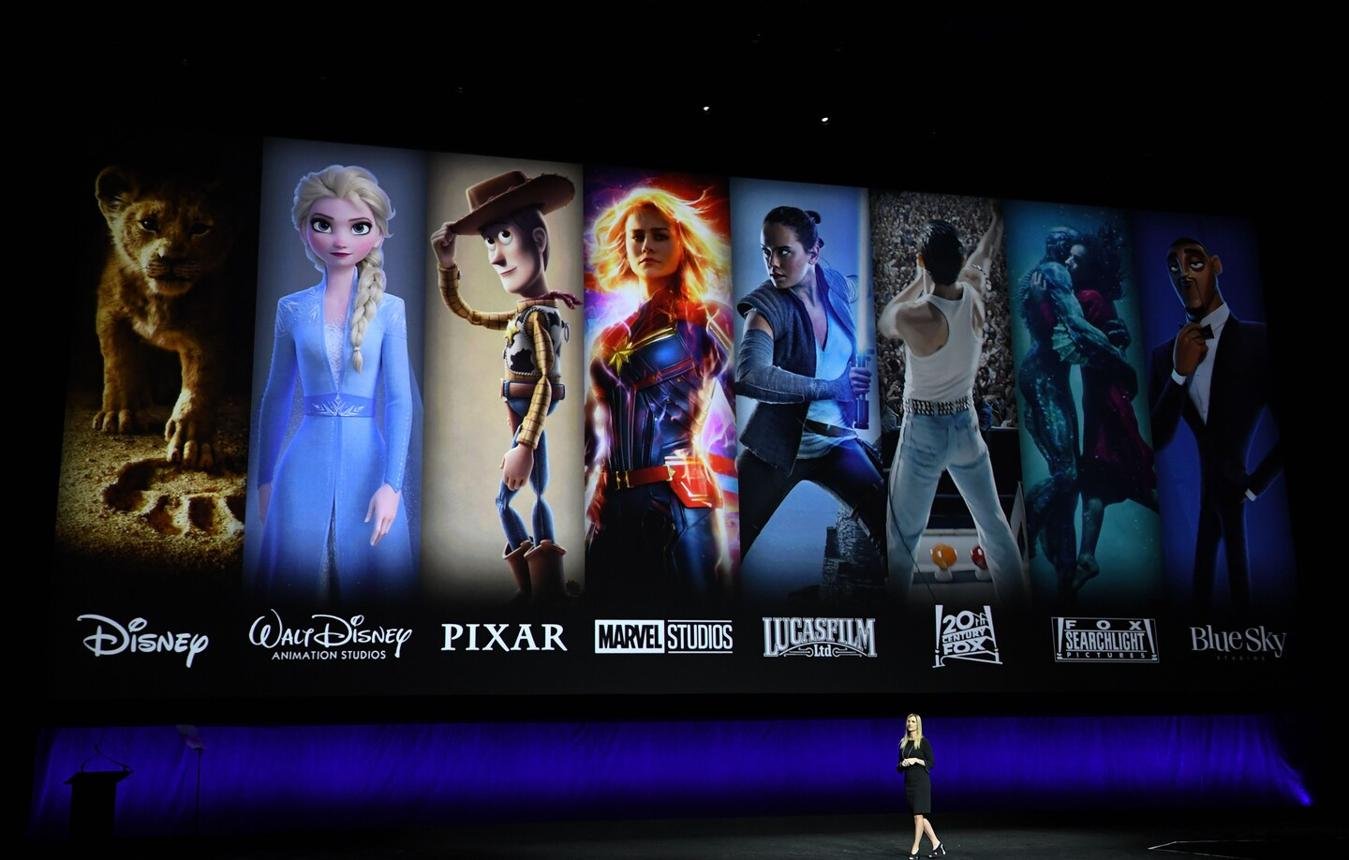
Disney's competitive advantage lies in its unrivaled portfolio of intellectual property, including Marvel, Star Wars, Pixar, and National Geographic. The company's strategy involves the monetization of these assets across multiple platforms. However, management has recently emphasized quality over quantity, reducing the volume of releases to ensure higher creative standards and box office performance. The studio system is being restructured to provide more oversight and focus on core franchises that have historically delivered multi-billion dollar returns. This approach ensures that every film or series released serves as a catalyst for the entire Disney ecosystem, driving merchandise sales, park attendance, and streaming subscriptions.
4. The Future of Sports and ESPN
ESPN remains the leader in domestic sports broadcasting, but it faces the challenge of the cord-cutting trend. Disney's strategy for ESPN involves a transition to a full direct-to-consumer offering by 2025. This move requires securing long-term sports rights while navigating the high costs associated with professional leagues. The management of these sports rights mirrors the high-stakes environment discussed in the F1: Strategic Analysis of Global Motorsport Leadership report, where exclusive content is the primary driver of platform loyalty. Disney is also exploring strategic partnerships for ESPN to enhance its distribution and technological capabilities in the digital betting and interactive sports space.

What This Means For You
- For Consumers: Expect a more integrated digital experience as Hulu and Disney Plus merge, though subscription costs are likely to continue rising as the company prioritizes profitability.
- For Investors: Focus on the Experiences segment and DTC margins. Disney's ability to reach streaming profitability by late 2024 is a critical milestone for stock valuation.
- For Industry Professionals: Disney's move toward quality over quantity in content production signals a broader industry shift away from the peak-content era toward sustainable production models.
Expert Verdict / Future Outlook
The expert consensus suggests that Disney is successfully navigating a difficult transition period. The company has effectively reduced its annualized costs by over 7.5 billion dollars, exceeding initial targets. The future outlook depends on two primary factors: the successful launch of the ESPN flagship DTC service and the continued recovery of the advertising market. While the decline of linear TV provides a headwind, the massive cash flow generated by the theme parks provides Disney with a safety net that most competitors lack. In the next three to five years, Disney is expected to emerge as a leaner, more digitally focused entity with a high-margin recurring revenue model based on its unique ecosystem of storytelling and physical experiences.
FAQ
Is Disney Plus profitable yet?
As of the most recent quarterly reports, Disney is on track to reach profitability for its combined streaming businesses by the end of fiscal year 2024. This is being achieved through cost reductions, ad-tier growth, and strategic price adjustments.
How much does the theme park segment contribute to Disney's total revenue?
In fiscal year 2023, the Experiences segment accounted for approximately 36 percent of the company's total revenue and a significantly higher portion of its operating income, highlighting its role as the primary profit driver.
What is the status of the ESPN transition to streaming?
Disney has announced plans to launch a full direct-to-consumer version of the primary ESPN channel by 2025. This will exist alongside the current ESPN Plus service and traditional cable offerings.
Why did Bob Iger return as CEO?
Bob Iger returned in late 2022 to lead a strategic reorganization, restore creative leadership, and improve the company's financial performance following a period of significant losses in the streaming division under previous leadership.
What are Disney's plans for international expansion?
Disney is focusing on expanding its park footprint in international markets like Hong Kong, Shanghai, and Paris, while also tailoring its streaming content to local markets in the Asia-Pacific and European regions.
Conclusion
The Walt Disney Company's strategic trajectory is defined by a rigorous focus on operational efficiency and the aggressive monetization of its world-class intellectual property. By balancing the high-growth potential of digital streaming with the stable, high-margin returns of its theme parks, Disney is positioning itself to remain the dominant force in global entertainment. The transition from legacy media to a digital-first powerhouse is complex, but the company's robust financial foundations and strategic investments suggest a resilient future for the House of Mouse.





Comments 0
Leave a Reply
Your email address will not be published. Required fields are marked *
Be the first to share your thoughts!