
Dubai’s New Airport Expansion That Could Transform Global Travel
Dubai has officially outlined long-term expansion plans for Al Maktoum International Airport as part of its aviation master strategy to increase future passenger and cargo capacity.
The expansion aims to improve passenger capacity, upgrade airport infrastructure, and support the growing demand for international air travel in the coming decades.
The expansion is part of Dubai’s long-term strategy to shift major aviation operations toward Al Maktoum International Airport in the coming decades.
And when you start to understand the scale of the project, one question naturally comes to mind: This expansion raises Dubai’s long-term potential to strengthen its position among the world’s leading aviation hubs.
Let’s take a closer look at the project that has aviation experts paying close attention.
The Vision Behind Dubai’s Airport Expansion
Dubai’s geographic location gives it a unique advantage. Sitting between Europe, Asia, and Africa, the city naturally connects some of the busiest travel routes in the world.
Dubai serves as a major connecting hub, with flights linking Europe, Asia, Africa, and the Americas through its central geographic location.
But air travel demand keeps growing. To stay ahead of future needs, Dubai has started investing in expanding Al Maktoum International Airport, located in the fast-developing Dubai South district.
The project focuses on increasing capacity to handle over with long-term capacity targets reportedly exceeding 100 million passengers annually once all phases are completed while improving efficiency through automation and smart airport systems.
Why Al Maktoum International Airport Matters
While Dubai International Airport remains one of the busiest international airports in the world, Al Maktoum International Airport represents the future of Dubai’s aviation strategy.
The airport sits in Dubai South, a rapidly expanding district designed to support business, logistics, and residential communities.
Its location provides direct access to:
Major highways
Logistics zones
Cargo hubs
Future business districts
Real-life example
For example, passengers traveling between Europe and Asia may benefit from more efficient and faster connecting routes through Dubai once expansion is completed.
This strategic location has helped Dubai develop into one of the world’s busiest international transit hubs..
A Massive Capacity Designed for the Future
The scale of Dubai’s airport expansion is truly impressive.
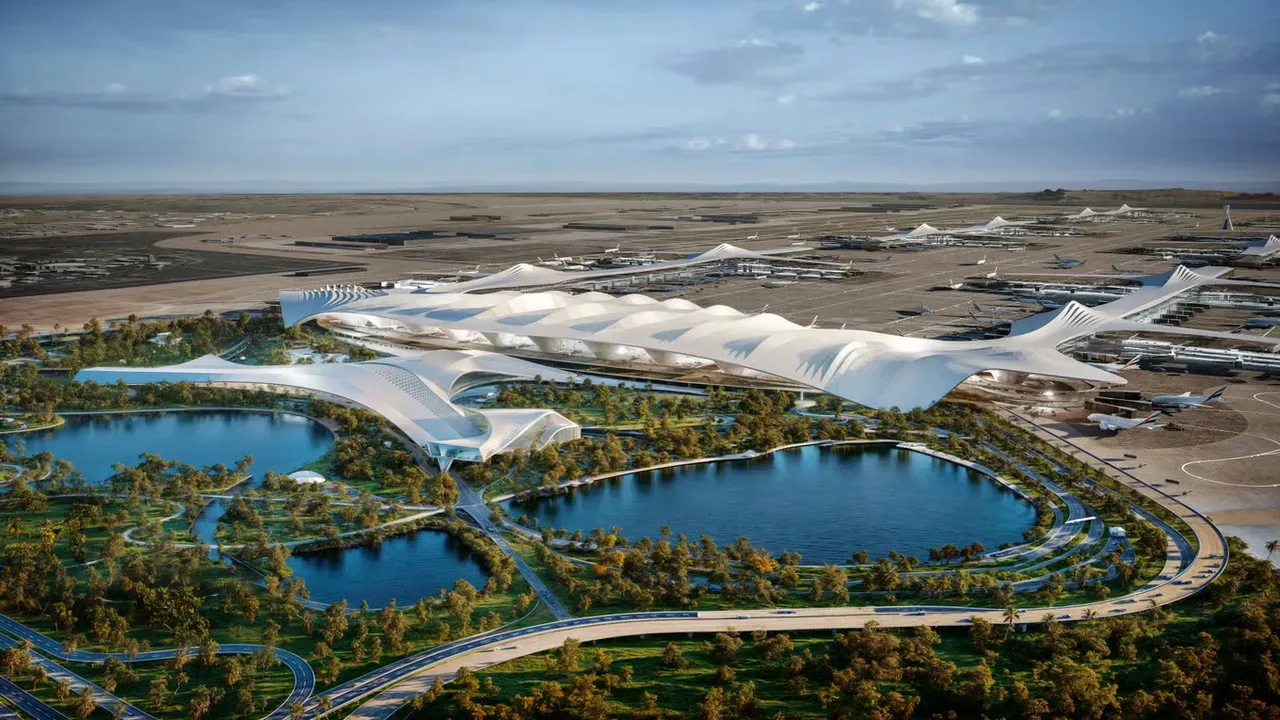
Once fully developed, the airport is expected to include:
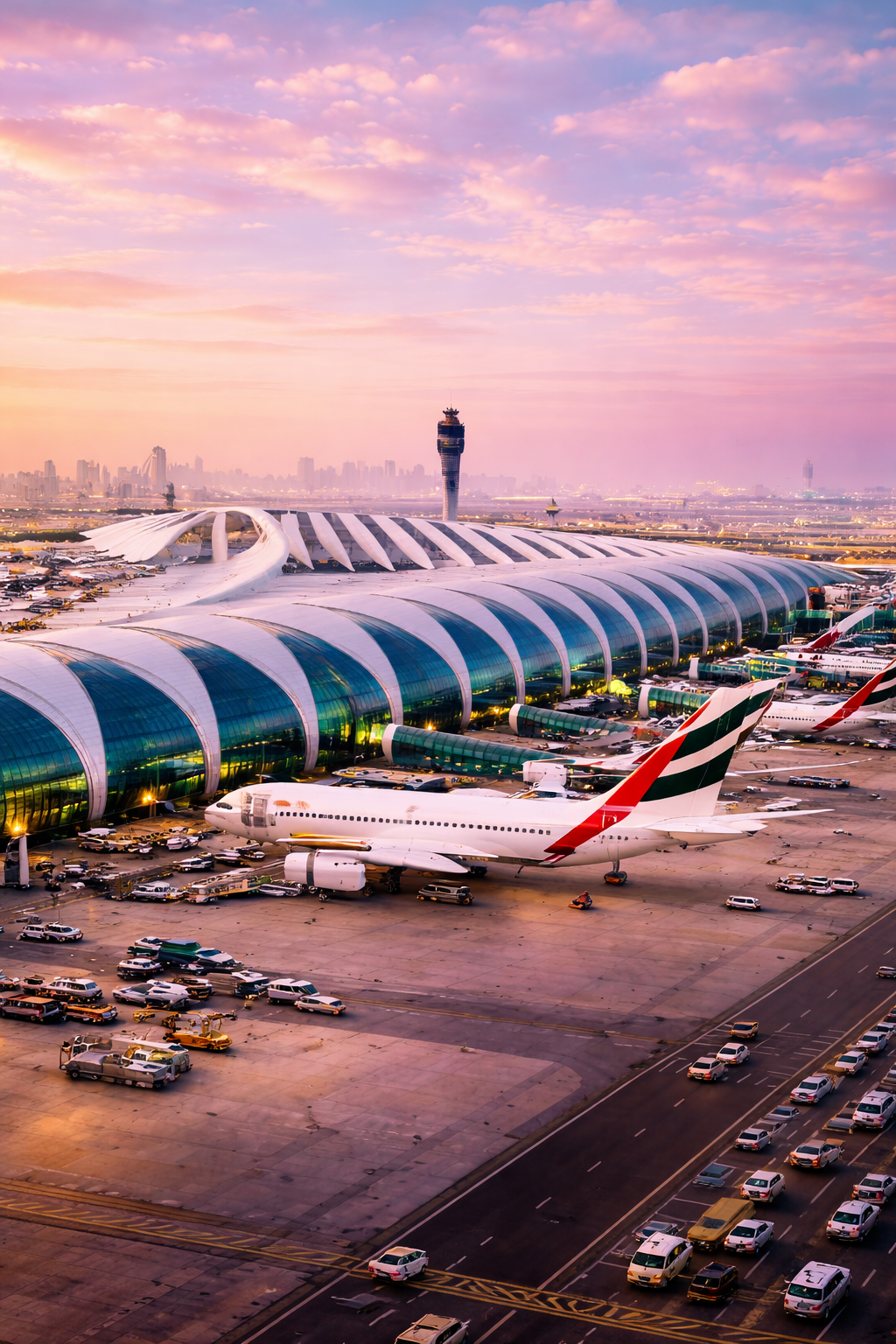
Multiple passenger terminals
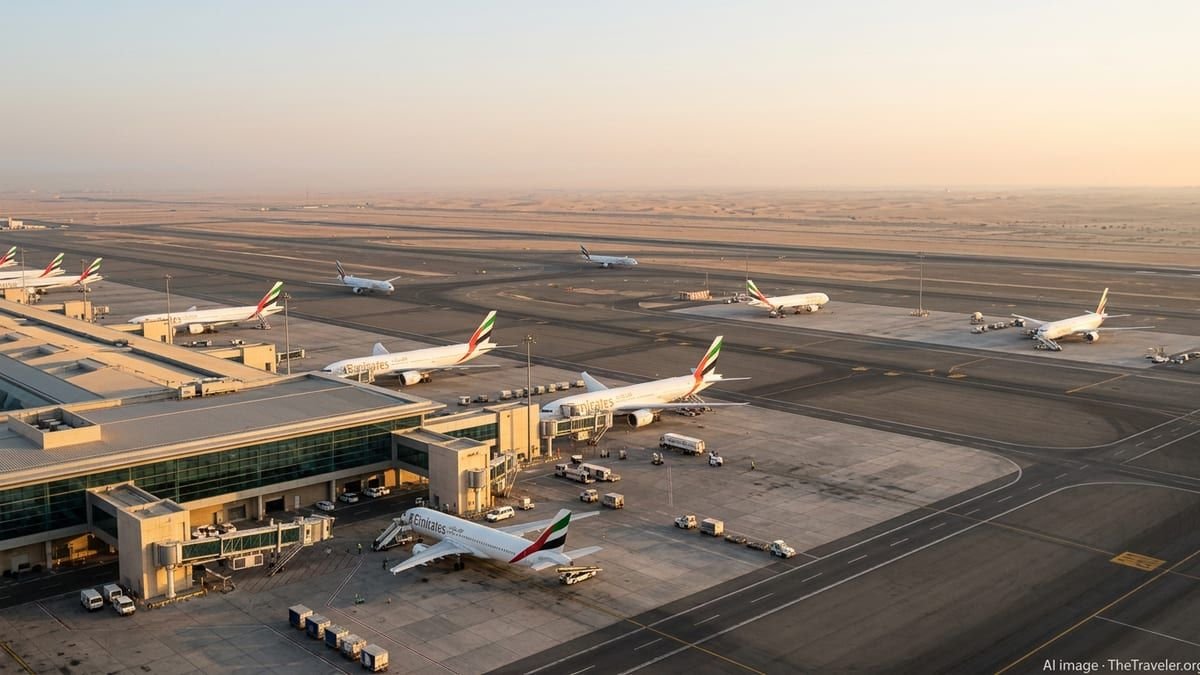
Several large runways operating simultaneously
Extensive cargo handling facilities
Integrated transportation connections
This infrastructure could allow the airport to manage enormous passenger volumes and support global aviation growth for decades.
In simple terms, Dubai is building an airport not just for today—but for the future.
Technology That Could Change the Travel Experience
Modern airport infrastructure is increasingly integrating digital systems such as biometric verification, automation, and AI-based operations.
Dubai’s airport expansion is expected to incorporate several advanced systems.
Potential features include:
Biometric identification for passengers
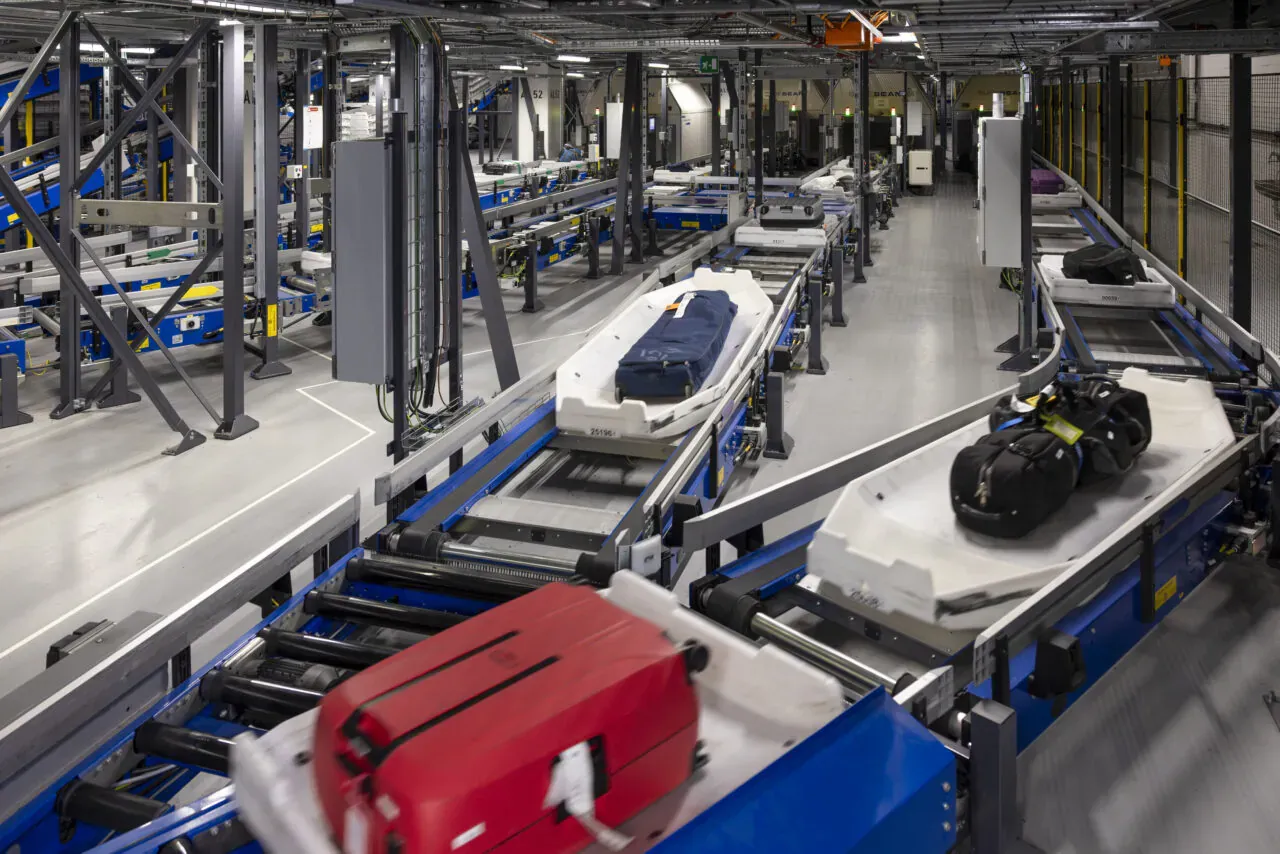
Automated baggage handling systems
Smart security screening
Digital boarding and flight management tools
These innovations aim to reduce long queues and simplify the travel experience.
For passengers, that could mean quicker check-ins, smoother security checks, and faster boarding times.
Strengthening Dubai’s Role as a Global Aviation Hub
Dubai’s aviation strategy plays a key role in its economic success.
Airports support several important industries, including:
Tourism
International business travel
Global cargo logistics
Trade and transportation
By expanding its airport infrastructure, Dubai strengthens its position as a central gateway between continents.
For airlines, the city offers a convenient hub that connects hundreds of destinations worldwide.
Economic Opportunities from the Expansion
Major infrastructure projects often create significant economic ripple effects.
Dubai’s airport expansion may support:
Construction and engineering jobs
Aviation industry employment
Tourism growth
Logistics and cargo services
Businesses in hospitality, travel services, and international trade could benefit from improved global connectivity.
The airport could become a key engine driving future economic development.
Pros and Cons of the Airport Expansion
Large infrastructure projects bring both benefits and challenges.
Pros
Better global connectivity
The expansion is expected to further strengthen Dubai’s role as a global aviation and transit hub.
Economic growth
More passengers and cargo traffic support tourism and international trade.
Improved passenger experience
Advanced technology could make air travel faster and more convenient.
Cons
High construction costs
Building large airport infrastructure requires massive investment.
Long development timelines
Major airport expansions take years to complete.
Environmental concerns
Aviation infrastructure must balance growth with sustainability.
Expert Perspective
Many aviation experts view Dubai’s airport strategy as one of the most ambitious aviation projects currently underway. Instead of waiting for capacity problems to arise, the city is expanding infrastructure ahead of future demand.
This forward-looking mindset has already helped Dubai become one of the most important aviation hubs in the world. If the expansion continues as planned, Al Maktoum International Airport could play a central role in global air travel for decades.
Practical Advice for Travelers
Frequent travelers may start noticing changes as Dubai’s aviation infrastructure continues expanding.
Expect more flight connections
Airlines may introduce additional routes through Dubai as capacity grows.
Faster transfers
Improved airport design could reduce waiting times for connecting passengers.
Expanded travel options
A larger airport allows airlines to operate more flights between international destinations.
Frequently Asked Questions
What is Dubai’s new airport expansion project?
The project focuses on expanding Al Maktoum International Airport into a massive global aviation hub.
Will it replace Dubai International Airport?
Dubai International Airport will continue operating, but Al Maktoum International Airport may eventually handle more flights.
Why is Dubai investing in such a large airport?
Dubai’s strategic location makes it an ideal transit hub connecting Europe, Asia, and Africa.
When will the expansion be finished?
The project will likely develop in multiple phases over several years.
Why Trust This Information?
The insights in this article are based on widely reported aviation infrastructure initiatives, publicly available development plans, and major transportation strategies associated with Dubai’s long-term growth. Many of the projects mentioned involve government aviation authorities, international engineering firms, and globally recognized airport development programs.
Large infrastructure projects often evolve as construction progresses and aviation technologies improve. For that reason, this article focuses on the broader vision behind Dubai’s airport expansion rather than exact timelines.
The goal is to provide readers with a clear and balanced overview of how this major aviation development could influence the future of global travel.
Conclusion
Dubai has built its reputation on bold ideas and ambitious infrastructure projects.
The expansion of Al Maktoum International Airport reflects that same mindset. By investing in massive aviation infrastructure today, the city is preparing for the travel demands of tomorrow.
If the project reaches its full potential, Dubai could become one of the most significant aviation hubs globally in terms of capacity, connectivity, and infrastructure scale.
And for millions of travelers crossing continents every year, that could make Dubai an even more important gateway between the world’s major regions.
Related Media
Image Gallery





Comments 0
Leave a Reply
Your email address will not be published. Required fields are marked *
Be the first to share your thoughts!