
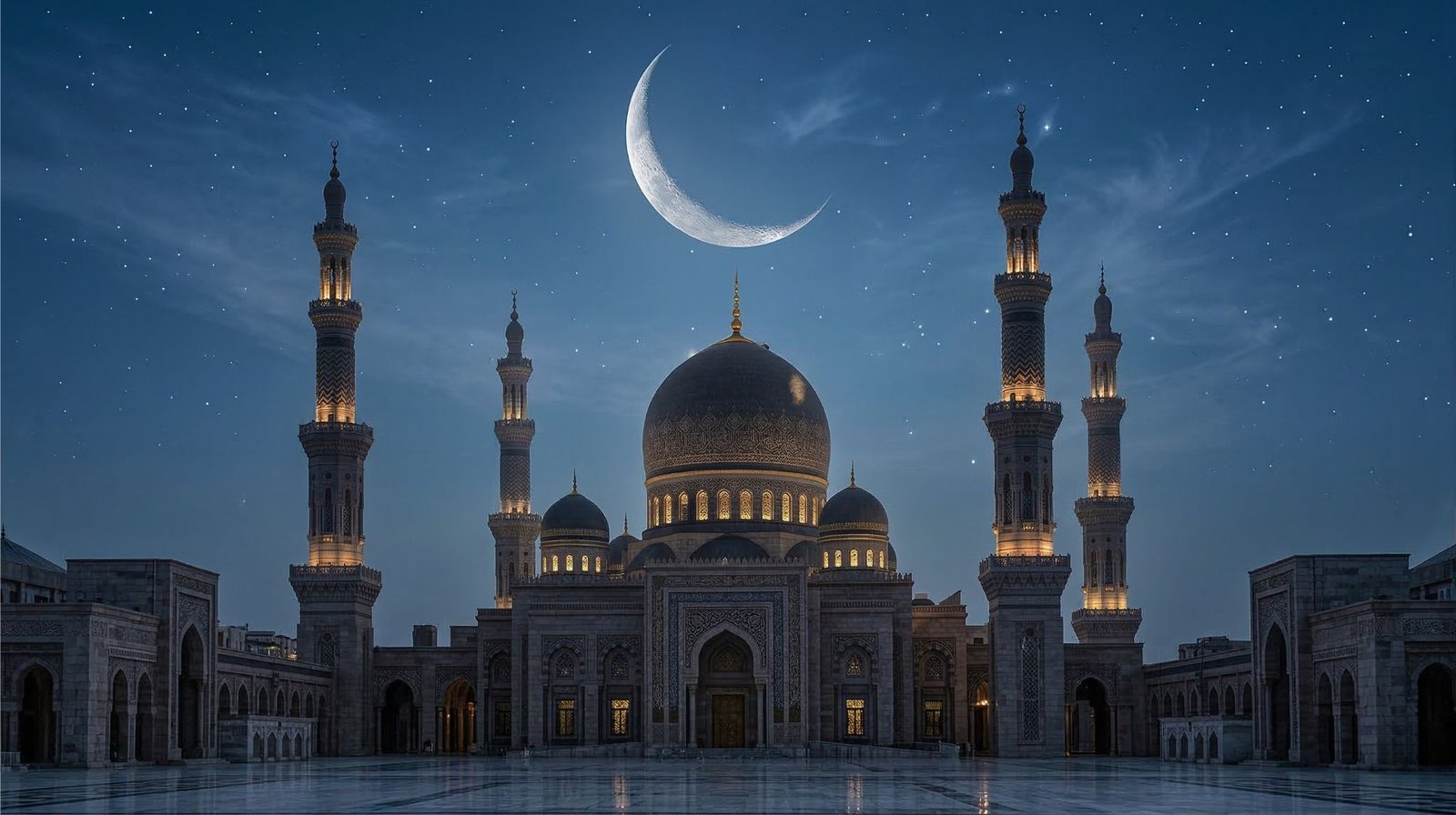
Eid al-Fitr, often referred to as the 'Festival of Breaking the Fast,' stands as one of the most significant observances in the Islamic calendar. Eid al-Fitr 2026 is expected to be observed in March 2026, depending on the moon sighting in different countries. This transition is not merely a change in the calendar; it is a spiritual evolution from a month of introspection, fasting, and prayer to a period of communal joy, gratitude, and charity.
The year 2026 is poised to be a landmark year for the global Ummah. With the lunar calendar shifting approximately ten to eleven days earlier each year in the Gregorian format, Eid al-Fitr 2026 is set to occur in the late winter or early spring for much of the Northern Hemisphere. This shift brings unique atmospheric conditions to the celebrations, influencing everything from the timing of the morning prayers to the types of seasonal delicacies served at family gatherings. For many, the 2026 celebrations represent a moment of renewed unity in an increasingly interconnected world.
When is Eid 2026? Expected Dates and Moon Sighting
Determining the exact date of Eid al-Fitr is a process rooted in centuries of tradition, relying heavily on the lunar cycle. According to reports from Morocco World News, Muslims in the United States and several parts of the West are expecting to celebrate Eid al-Fitr 2026 on or around March 20. However, this date remains tentative until the physical sighting of the crescent moon, known as the Hilal, is confirmed.
The dependence on the lunar calendar means that the end of Ramadan can vary by a day depending on geographical location and local moon sighting protocols. As noted by the Naples Daily News, the conclusion of the fast depends entirely on when the new moon becomes visible to the naked eye or through telescopic assistance. This creates a period of heightened anticipation during the final days of Ramadan, as families wait for official announcements from religious authorities to finalize their holiday preparations.
The astronomical calculations provide a reliable window for planning, but the spiritual tradition of 'moonsighting' remains the definitive word for many. If the moon is sighted on the 29th day of Ramadan, Eid is celebrated the following day. If not, Ramadan lasts for 30 days. This inherent uncertainty is part of the religious experience, emphasizing patience and submission to the natural cycles established by the divine.
The Role of Saudi Arabia in Confirming Eid 2026
Eid announcement in Saudi Arabia is made after the official moon sighting committee confirms the crescent of Shawwal. However, many countries follow their own local moon sighting methods, which can result in different Eid dates across regions. As the home of the two holiest sites in Islam-Mecca and Medina-the kingdom’s moon sighting committee is watched closely by international observers. According to The Columbus Dispatch and The Oklahoman, Muslims worldwide, including those in the United States, often await official word from Saudi authorities before declaring the end of Ramadan.
The process in Saudi Arabia involves specialized committees equipped with advanced technology, though they still prioritize traditional visual sightings. Once the Supreme Court of Saudi Arabia confirms the sighting, an official announcement is broadcast, triggering celebrations across the Middle East and influencing the schedules of mosques in Europe and North America. However, it is important to note that many regions, including India, Pakistan, and parts of Southeast Asia, often rely on their own local sightings, which can lead to Eid being celebrated on different days across the globe.
Celebrating Eid 2026 in India
In India, Eid al-Fitr is a vibrant tapestry of culture, faith, and community. The celebrations are characterized by a unique blend of religious devotion and local traditions. One of the most iconic centers for Eid prayers is the Jama Masjid in Delhi, where thousands of worshippers gather in the sprawling courtyard to offer the Eid namaz. Similar scenes play out at local Eidgahs (open-air prayer grounds) across major cities like Mumbai, Hyderabad, and Lucknow.
The eve of Eid, known as 'Chand Raat' (Night of the Moon), is a cultural phenomenon in the Indian subcontinent. Markets remain open throughout the night as people flock to buy new clothes, jewelry, and bangles. Henna (Mehendi) artists line the streets, decorating the hands of women and children with intricate designs. Chand Raat is a major cultural night in India where families prepare for Eid with shopping, decoration, and social gatherings.
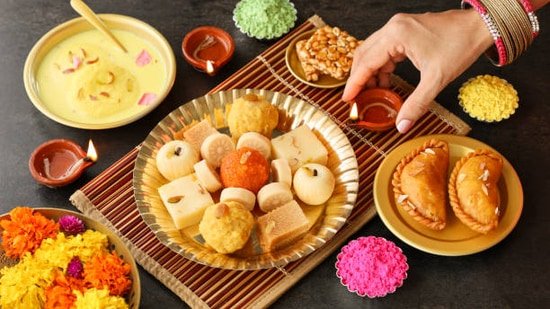
Food plays a central role in Indian Eid observances. No celebration is complete without 'Sheer Khurma,' a rich vermicelli pudding made with milk, dates, and nuts. This is often accompanied by savory dishes like Biryani, Kebabs, and various festive snacks. Public holidays across India allow people of all faiths to join their Muslim neighbors in the festivities, reinforcing the country’s pluralistic fabric.
Global Festivities: Events and Night Markets
While traditional observances remain the core of the holiday, modern celebrations are evolving, particularly in Western urban centers. In the San Francisco Bay Area, for instance, reports from KQED highlight a growing trend of organized Eid festivals. These include massive bazaars, night markets, and community parties that cater to a diverse diaspora. These events often feature local vendors, food trucks, and activities for children, creating a carnival-like atmosphere that lasts for several days.
In the United States, Muslim communities are increasingly professionalizing their Eid celebrations. From renting out convention centers for prayers to organizing 'Eid in the Park' events, the focus is on visibility and community building. The March 20, 2026, date will likely see these festivals coincide with early spring weather, allowing for more outdoor activities compared to previous years when Eid fell during the height of winter or the heat of summer.
Preparing for Eid 2026: A Guide for Families
Preparations for Eid include charity distribution (Zakat al-Fitr), shopping for new clothes, and planning family gatherings. One of the most critical religious obligations is Zakat al-Fitr, a form of mandatory charity given to the poor before the Eid prayer. This ensures that everyone, regardless of their financial status, can participate in the joy of the festival. Families typically calculate this amount and distribute it during the final days of Ramadan.
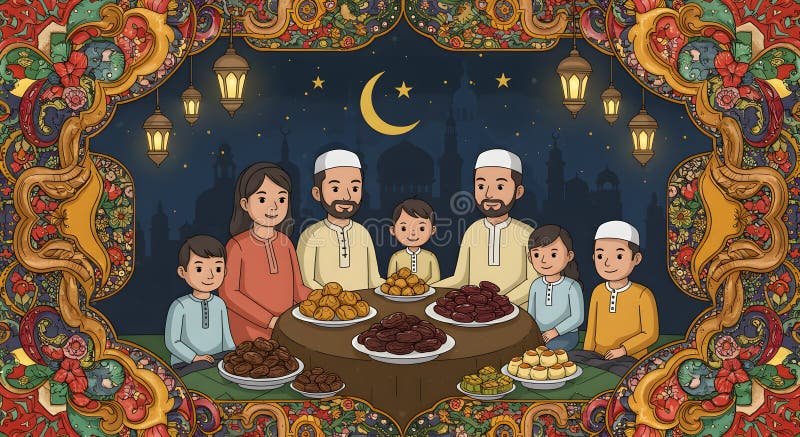
Shopping for Eid is another major undertaking. For 2026, fashion trends are expected to balance traditional silhouettes with modern comfort. In India, silk shararas and embroidered kurtas remain timeless, while in the West, many opt for a fusion of modest fashion and contemporary styles. Planning for the day involves coordinating family visits, as the first day of Eid is traditionally reserved for visiting elders and hosting large communal lunches.
Conclusion
As we look toward Eid al-Fitr 2026, the essence of the holiday remains unchanged: a celebration of perseverance, faith, and community. Whether in the bustling streets of Old Delhi or the night markets of the Bay Area, the spirit of the 'Festival of Breaking the Fast' unites millions in a shared experience of gratitude. While the exact date of March 20, 2026, awaits final confirmation from the moon, the preparations and anticipation already serve as a testament to the enduring significance of this global event.




Comments 0
Leave a Reply
Your email address will not be published. Required fields are marked *
Be the first to share your thoughts!