
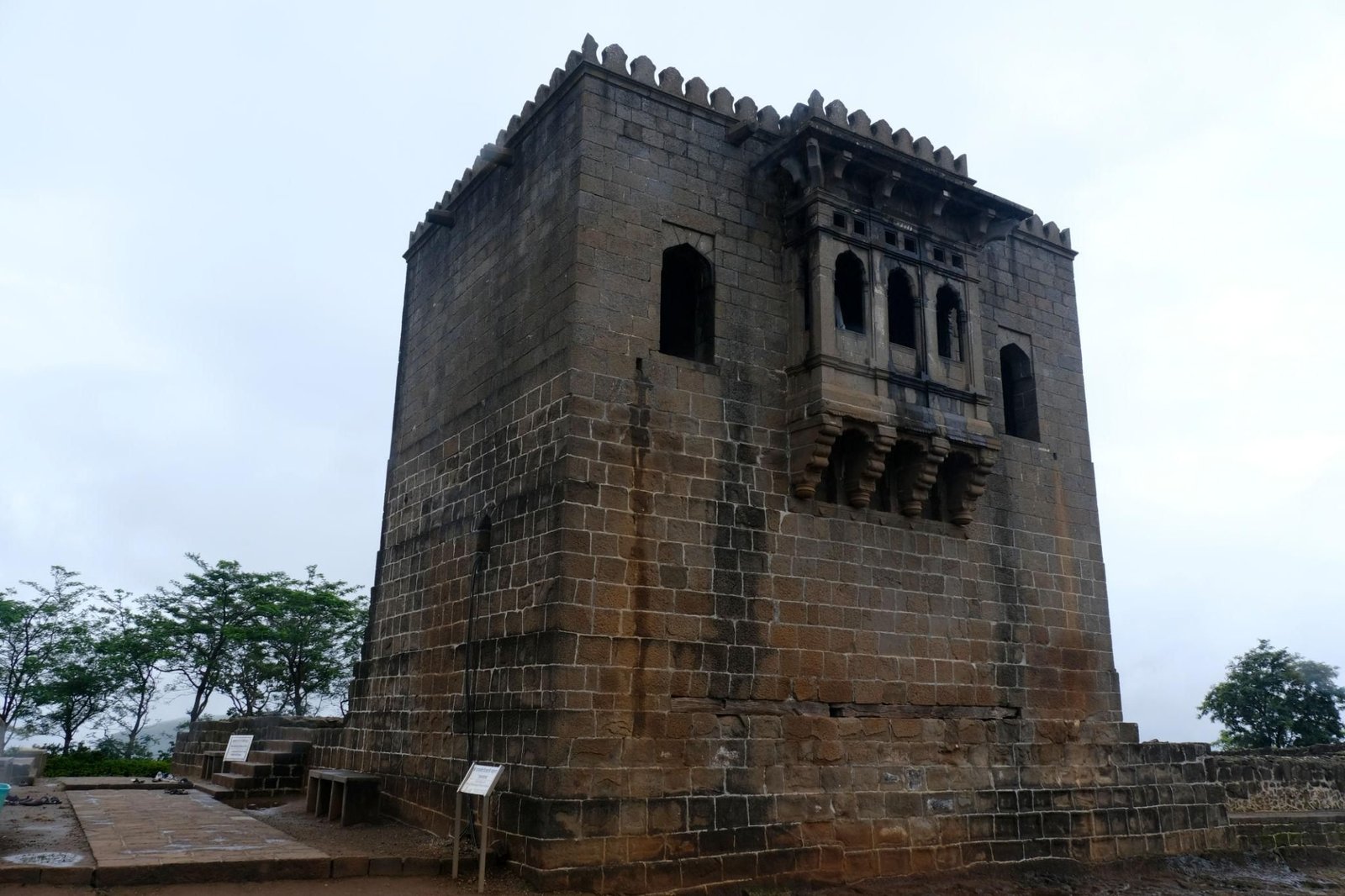
💡 The Great Maratha Legacy: A Comprehensive Guide to Maharashtra’s History, Culture, and Tourism
Explore the rich heritage of Maharashtra, from the formidable forts of the Maratha Empire and ancient rock-cut caves to the scenic Sahyadri ranges and the pristine Konkan coast.
Maharashtra is a land of incredible contrasts, where ancient rock-cut architecture meets bustling modern metropolises, and rugged mountain fortresses overlook a serene 720-km coastline. At its heart, the state is defined by the legacy of the Maratha Empire, the spiritual teachings of its legendary saints, and a culture that celebrates resilience and hospitality. Whether you are trekking through the mist-covered Sahyadris, exploring the UNESCO World Heritage sites of Ajanta and Ellora, or savoring the spicy flavors of Kolhapuri cuisine, Maharashtra offers an immersive experience that stays with you long after the journey ends.
Beyond the Skyline: An Introduction to the Land of Saints and Warriors
While Mumbai’s iconic skyline often dominates the global perception of Maharashtra, the state’s true soul lies in its hinterlands and historical corridors. Known as the 'Land of Saints' (Santanchi Bhoomi), it has been shaped by the egalitarian philosophies of Sant Dnyaneshwar, Sant Tukaram, and Sant Gadge Baba. Simultaneously, it is the 'Land of Warriors,' where the strategic genius of Chhatrapati Shivaji Maharaj carved out a kingdom that challenged mighty empires.
Traveling through Maharashtra isn't just about sightseeing; it’s about understanding a philosophy of life that balances hard work with festive fervor. From the rhythmic beats of the Dhol Tasha during Ganesh Chaturthi to the quiet contemplation in a Buddhist vihara, the state offers a depth of experience that caters to every type of traveler.
From Ancient Rock-Cut Temples to the Maratha Empire: A Historical Timeline
The history of Maharashtra is etched into its stones. Long before the Marathas, the region was a cradle of civilization under the Satavahanas, Vakatakas, and Rashtrakutas. The Ajanta and Ellora caves stand as a testament to this era, showcasing intricate carvings and paintings that date back over two millennia. The Kailasa Temple at Ellora, carved out of a single rock, remains one of the greatest architectural marvels in human history.
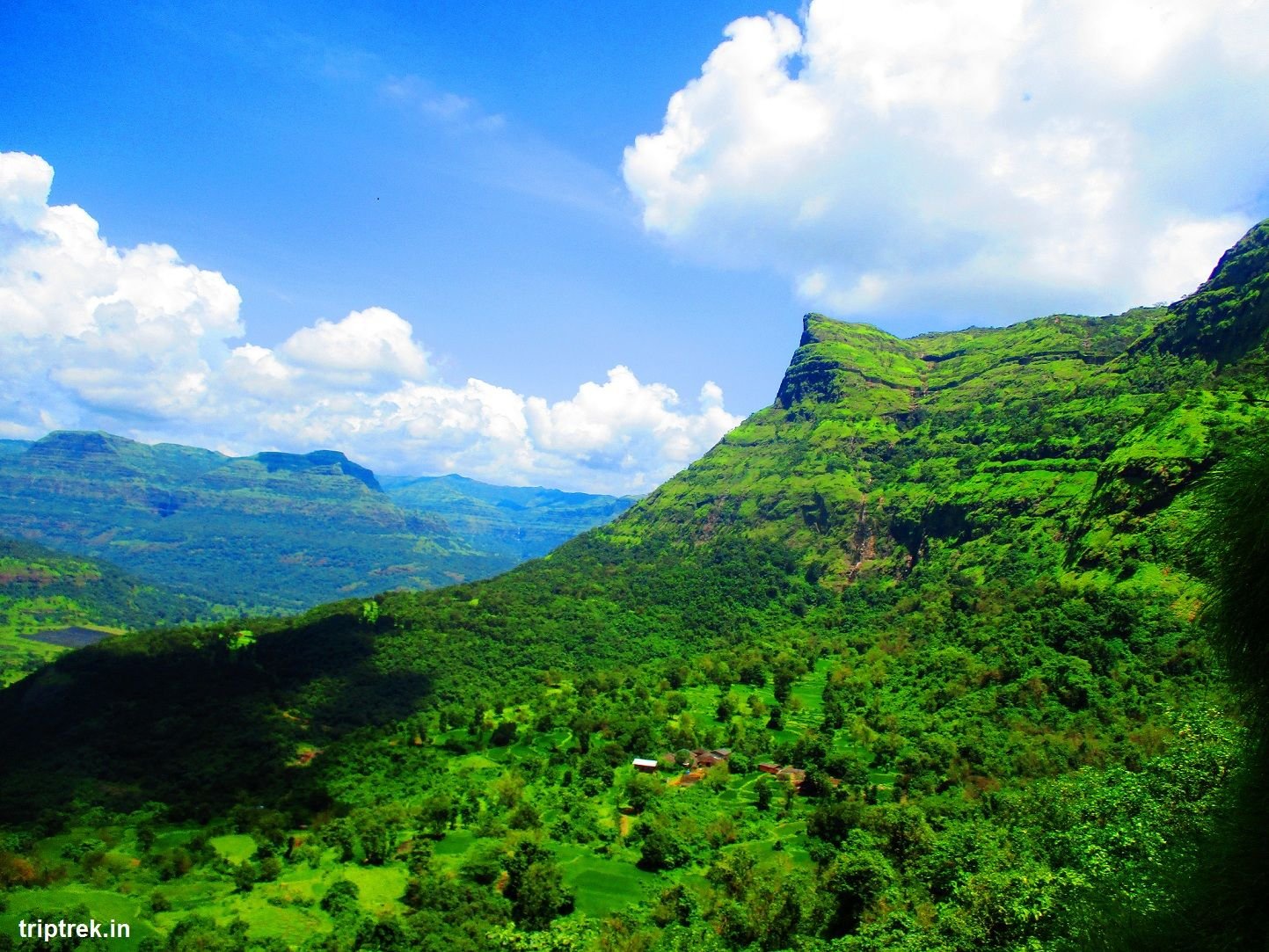
The 17th century marked the rise of the Maratha Empire. Chhatrapati Shivaji Maharaj revolutionized warfare with his 'Ganimi Kava' (guerrilla tactics) and built or captured over 300 forts. These structures, like Raigad, Pratapgad, and Sindhudurg, are not just military outposts but symbols of 'Swarajya' (self-rule). Following the Marathas, the Peshwas expanded the empire across India, leaving behind a legacy of grand 'wadas' (traditional mansions) in cities like Pune.
The Vibrant Tapestry of Marathi Traditions: Festivals, Folk Arts, and Attire
Culture in Maharashtra is a living, breathing entity. The most prominent celebration is Ganesh Chaturthi, a ten-day festival that transforms the state into a kaleidoscope of colors and music. Other significant festivals include Gudi Padwa (the Marathi New Year) and Pola, where farmers honor their bulls.
The folk arts of Maharashtra are equally captivating. Lavani, a traditional dance form known for its powerful rhythm and poignant storytelling, is a staple of Marathi theater. Povada, a ballad singing style, narrates the heroic deeds of Shivaji Maharaj. In terms of attire, the nine-yard Nauvari saree and the Pheta (turban) remain proud symbols of Maharashtrian identity, often worn during weddings and formal ceremonies.
A Culinary Journey: Savoring the Flavors of Desh, Konkan, and Khandesh
Maharashtrian cuisine is a diverse palette of flavors, varying significantly by geography. In the Konkan region, coconut, rice, and fresh seafood dominate, with the tangy 'Kokum' serving as a signature ingredient. Try the Malvani Fish Curry or the refreshing Solkadhi to experience the coast on a plate.
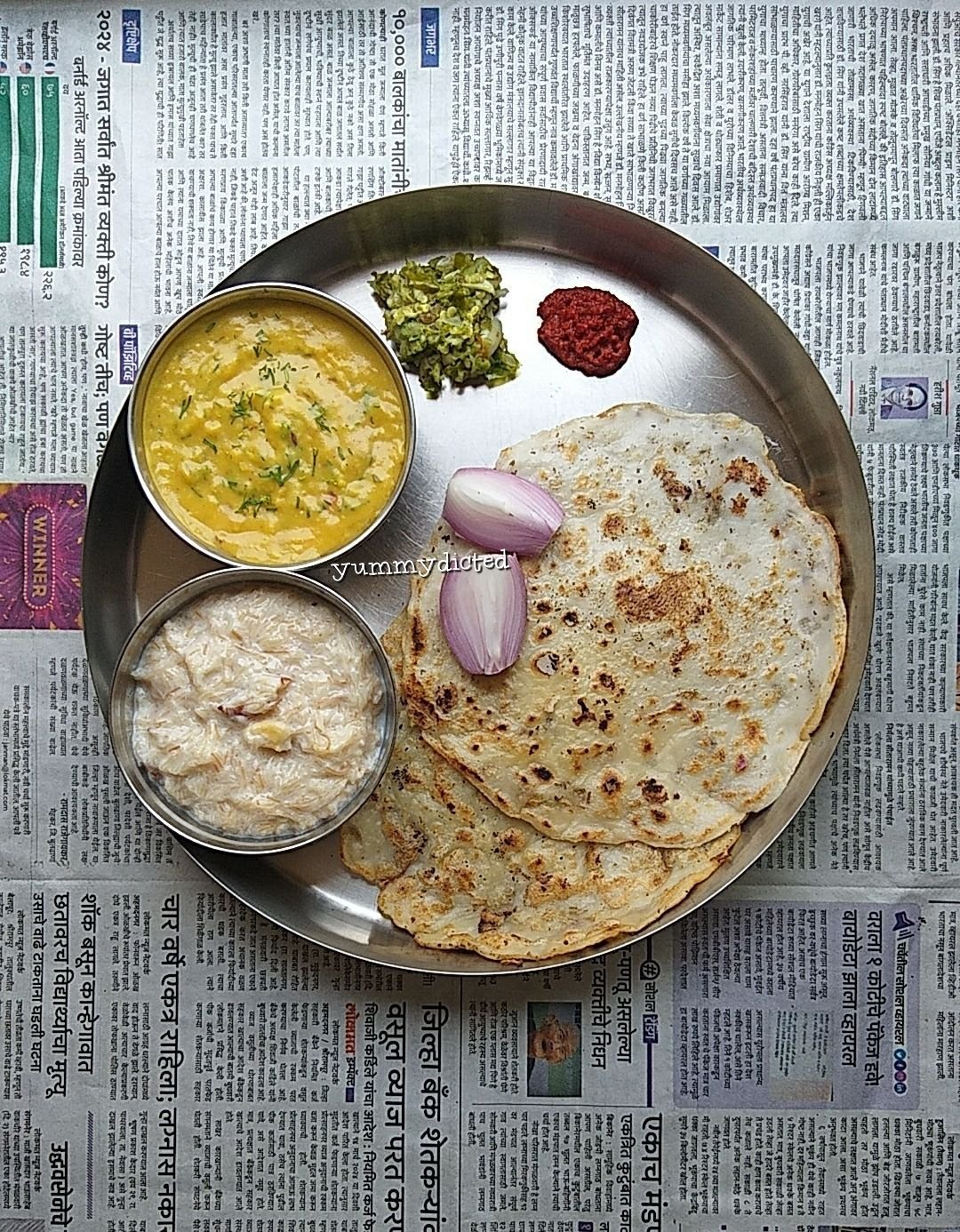
Moving inland to the Desh (plateau) region, the food becomes heartier. Pithla Bhakri (gram flour curry with sorghum bread) is the ultimate comfort food for farmers and city-dwellers alike. For those who love spice, the Khandeshi and Kolhapuri cuisines offer 'Tambada Rassa' and 'Pandhara Rassa'—fiery yet flavorful meat broths. And of course, no visit is complete without sampling Mumbai’s world-famous street food, from the humble Vada Pav to the complex flavors of Misal Pav.
Scaling the Sahyadris: Majestic Hill Stations and Trekking Paradises
The Western Ghats, or the Sahyadris, are the backbone of Maharashtra. During the monsoon, these mountains turn a vibrant emerald green, with thousands of waterfalls cascading down their slopes. Hill stations like Mahabaleshwar, Panchgani, and Lonavala offer a cool retreat from the tropical heat.
For adventure seekers, Maharashtra is a trekking goldmine. Routes like the Harishchandragad trek, the climb to Kalsubai (the highest peak in the state), or the trek to the 'Valley of Shadows' (Sandhan Valley) provide thrilling challenges. However, trekkers should be cautious during the heavy monsoon months when trails can become slippery and visibility drops significantly.
The Konkan Coastline: Pristine Beaches and Coastal Fortresses
The Konkan coast is a hidden gem for beach lovers. Unlike the crowded shores of Goa, beaches like Tarkarli, Ganpatipule, and Diveagar offer tranquility and white sands. Tarkarli is also a hub for scuba diving, where you can explore the underwater world near the Sindhudurg Fort.
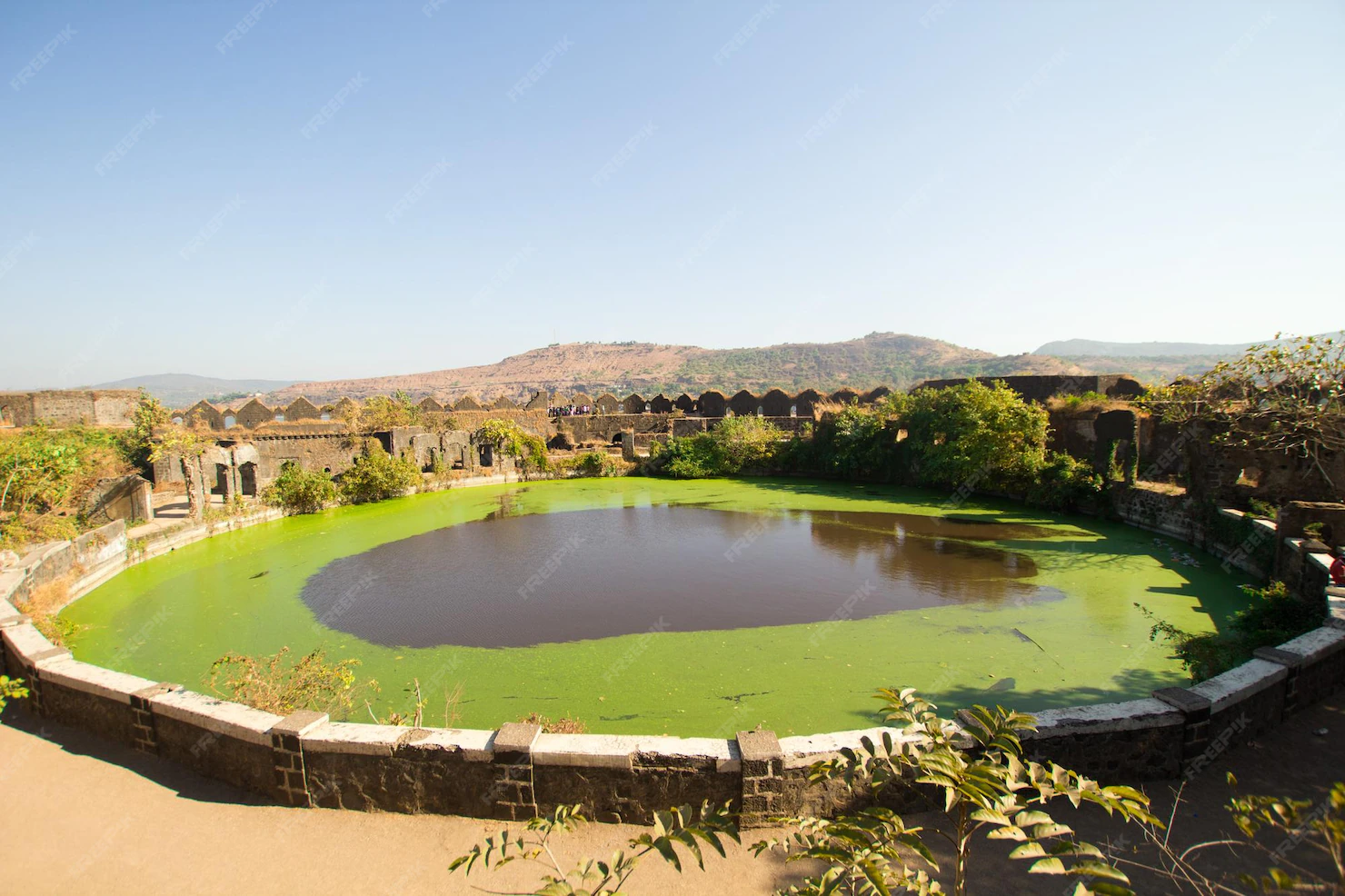
Unique to this coastline are the sea forts. Murud-Janjira, situated on an island in the Arabian Sea, remained unconquered for centuries. Exploring these marine citadels provides a unique perspective on the naval prowess of the Marathas and the Siddis.
Sacred Circuits: Exploring the Spiritual Heart of the Deccan Plateau
Maharashtra is a major pilgrimage destination. The Ashtavinayak circuit, consisting of eight ancient temples dedicated to Lord Ganesha, is highly revered. Pandharpur, the seat of Lord Vitthal, sees millions of devotees (Warkaris) trekking on foot during the Ashadhi Ekadashi pilgrimage.
The state also houses three of the twelve Jyotirlingas: Trimbakeshwar in Nashik, Bhimashankar near Pune, and Grishneshwar near Ellora. Shirdi, the home of Sai Baba, attracts millions of followers from across the globe, making Maharashtra a true melting pot of spiritual thought and devotion.
Essential Travel Tips for Your Maharashtra Expedition
- Best Time to Visit: October to March is ideal for general sightseeing. June to September is perfect for monsoon lovers and trekkers, though travel can be delayed by heavy rains.
- Connectivity: Maharashtra has an extensive rail network and state-run bus service (MSRTC). For long distances, the 'Shivneri' AC buses are highly recommended.
- Language: While Marathi is the official language, Hindi and English are widely understood in urban areas.
- Safety: Maharashtra is generally safe for solo travelers, but always check weather updates before heading into the mountains or coastal areas during the monsoon.
Conclusion
Maharashtra is more than just a state; it is an emotion captured in the cry of 'Jai Maharashtra.' It offers a rare blend of historical grandeur, spiritual depth, and natural beauty. Whether you are standing atop the windswept ramparts of Raigad or enjoying a quiet sunset on a Konkan beach, the Great Maratha Legacy invites you to be a part of its enduring story. Plan your journey with an open heart, and Maharashtra will reward you with memories that last a lifetime.





Comments 0
Leave a Reply
Your email address will not be published. Required fields are marked *
Be the first to share your thoughts!