

💡 Where is Icsi?
Explore the vital role of the Institute of Company Secretaries of India (ICSI) in shaping corporate governance and managing compliance schemes like CCFS 2026.
The corporate landscape in India is undergoing a massive transformation. As the economy grows, the complexity of legal frameworks and regulatory requirements increases proportionally. At the heart of this evolution stands the Institute of Company Secretaries of India (ICSI), a premier institution dedicated to developing high-caliber professionals who ensure that businesses operate within the boundaries of law and ethics. Understanding the role of ICSI and the professionals it produces is essential for any business owner, aspiring student, or legal enthusiast in the country.
Corporate governance is no longer just a buzzword: it is the foundation of sustainable business. With the introduction of various compliance schemes, such as the compliance relief initiatives such as the Companies Fresh Start Scheme (CFSS) 2020 introduced by the Ministry of Corporate Affairs, the demand for expert guidance has never been higher. These schemes often provide a specific window, such as a 90-day compliance window, to rectify late filings and ensure that a company's records is up-to-date with the Ministry of Corporate Affairs (MCA). This is where the expertise of an ICSI professional becomes indispensable.
What is the Institute of Company Secretaries of India?
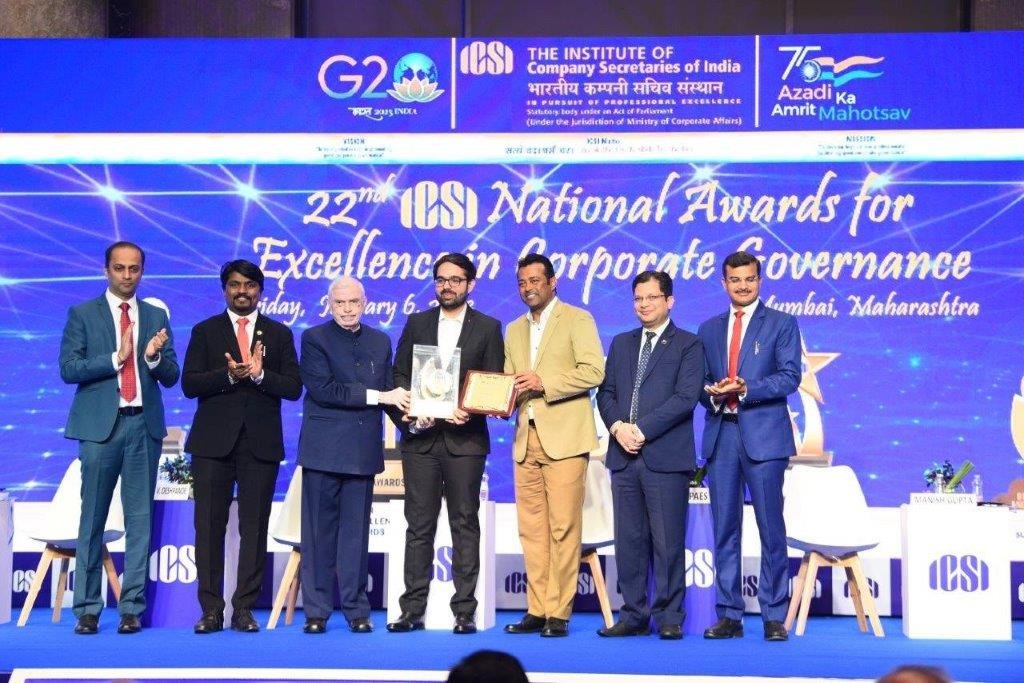
The Institute of Company Secretaries of India (ICSI) is the only recognized professional body in India to develop and regulate the profession of Company Secretaries. It was established under an Act of Parliament, namely the Company Secretaries Act, 1980. The institute functions under the administrative jurisdiction of the Ministry of Corporate Affairs, Government of India. According to the Institute of Company Secretaries of India, ICSI plays a pivotal role in promoting the best practices of corporate governance across the Indian business ecosystem.
Headquartered in New Delhi, ICSI has a nationwide presence with regional offices in Mumbai, Kolkata, Chennai, and New Delhi, along with dozens of chapters across various cities. The institute provides top-tier education and training to students, conducts examinations, and grants membership to those who qualify. A member of ICSI is known as a Company Secretary (CS), a professional who acts as a bridge between the company, its board of directors, shareholders, and government regulatory authorities.
How to become a Company Secretary through ICSI?
The journey to becoming a CS is rigorous and requires a deep understanding of corporate law, finance, and management. The ICSI course is divided into three distinct levels, each designed to build a specific set of skills. According to notifications issued by the Ministry of Corporate Affairs, the curriculum is frequently updated to align with the latest changes in the Companies Act and other allied laws.
- CSEET (CS Executive Entrance Test): This is the entry-level examination. It tests the basic aptitude of students in areas like business communication, legal aptitude, logical reasoning, and current affairs.
- Executive Programme: Once a student passes the entrance test, they move to the Executive level. This stage focuses on core subjects such as Company Law, Tax Laws, Securities Laws, and Capital Markets. It is designed to provide a solid foundation in the legalities of running a business.
- Professional Programme: This is the final stage of the academic journey. It covers advanced topics like Corporate Restructuring, Insolvency, Ethics, Governance, and Sustainability. Students also have the option to choose elective subjects based on their interests.
In addition to these academic levels, candidates must undergo mandatory practical training. This training is crucial because it allows students to apply their theoretical knowledge in real-world scenarios under the mentorship of experienced professionals or within established corporate houses.
Why is a Company Secretary vital for corporate compliance?
A Company Secretary is often referred to as the conscience keeper of a company. Their primary responsibility is to ensure that the organization complies with all statutory and regulatory requirements. This involves maintaining statutory registers, filing annual returns, and ensuring that board meetings are conducted in accordance with the law. Experts suggest that a proactive CS can save a company from heavy penalties and legal disputes by identifying potential compliance gaps early on.
Consider the context of compliance relief schemes introduced by the Ministry of Corporate Affairs. Such schemes are periodically introduced by the government to allow companies to clear their backlogs of late filings without facing the full brunt of standard penalties. During the 90 day window provided by such schemes, a CS is the person who audits the company's records, identifies the missing filings, and ensures that the submission is accurate and timely. Without this professional oversight, companies might miss the deadline or submit incorrect data, leading to further complications.

What are the core responsibilities of an ICSI professional?
The scope of a Company Secretary extends far beyond just filing paperwork. They are strategic advisors to the Board of Directors. Their responsibilities include:
- Advising on Governance: Guiding the board on their duties, responsibilities, and powers, ensuring that the company follows the best ethical practices.
- Compliance Management: Managing all aspects of the Companies Act, regulations of the Securities and Exchange Board of India and provisions under the Foreign Exchange Management Act (FEMA), governed by the Reserve Bank of India.
- Secretarial Audit: Conducting audits to check the compliance status of the company and reporting the findings to the stakeholders.
- Representation: Representing the company before the National Company Law Tribunal (NCLT), Securities Appellate Tribunal (SAT), and other quasi-judicial bodies such as the National Company Law Tribunal (NCLT) and the Securities Appellate Tribunal (SAT).
- Corporate Restructuring: Handling the legalities of mergers, acquisitions, amalgamations, and joint ventures.
Benefits of pursuing a career as a Company Secretary
Choosing a career through ICSI offers numerous advantages. Firstly, it is a high status profession with significant legal authority. A CS is often a Key Managerial Personnel (KMP) in a company, placing them at the same level as the CEO and CFO. This provides a unique opportunity to influence high-level decision-making.
Secondly, the profession offers immense flexibility. A qualified CS can choose to work in a corporate environment, join a law firm, or even start their own practice as a Practicing Company Secretary (PCS). As a PCS, one can provide consultancy services to multiple clients, perform secretarial audits, and issue certificates required under various laws.
Common mistakes in corporate compliance and how to avoid them
Even with the best intentions, companies often fall into compliance traps. One of the most common mistakes is missing the filing deadlines for annual returns and financial statements. This not only attracts hefty daily penalties but can also lead to the disqualification of directors. According to corporate governance research and regulatory frameworks in India, many businesses fail because they treat compliance as an afterthought rather than a core business function.
Another common error is the improper maintenance of minutes of meetings. The minutes are the legal record of what transpired during a board or general meeting. If they are not drafted accurately or signed on time, the decisions taken during those meetings can be challenged in court. To avoid these issues, companies should invest in robust compliance software and ensure they have a dedicated ICSI professional to oversee these processes.
Pro tips for ICSI students and members
For those currently enrolled in the ICSI program or those who have recently qualified, staying ahead of the curve is essential. Here are some expert insights:
- Continuous Learning: Laws change frequently. Regularly read the notifications from the MCA, SEBI, and RBI to stay updated.
- Networking: Attend the seminars and webinars organized by ICSI chapters. Networking with peers and seniors can open doors to new career opportunities.
- Mastering Technology: Modern compliance is increasingly digital. Familiarize yourself with e-filing portals and compliance management systems.
- Focus on Ethics: As a CS, your integrity is your greatest asset. Always prioritize ethical conduct over short term corporate gains.
Frequently Asked Questions
What is the difference between a Chartered Accountant and a Company Secretary?
While both are professional roles, a Chartered Accountant (CA) primarily focuses on financial accounting, auditing, and taxation. In contrast, a Company Secretary (CS) focuses on corporate law, legal compliance, and corporate governance. A CA ensures the numbers are right, while a CS ensures the processes are legal.
Can a CS practice independently in India?
Yes, a member of ICSI can obtain a Certificate of Practice and work as a Practicing Company Secretary. They can offer services like secretarial audits, incorporation of companies, and legal consultancy to various organizations.
Is the ICSI qualification recognized internationally?
ICSI has entered into Memorandums of Understanding (MoUs) with several international professional bodies, such as the The Chartered Governance Institute (CGI) in the United Kingdom. This allows Indian CS professionals to gain recognition and practice in various other jurisdictions after fulfilling certain criteria.
How long does it take to complete the CS course?
On average, it takes about 3 to 4 years to complete all levels of the CS course and the mandatory practical training, depending on the student's pace and success in the examinations.
What is the role of ICSI in MCA compliance relief schemes?
While the MCA introduces schemes like CCFS 2026, ICSI acts as an intermediary by educating its members about the scheme's requirements. ICSI professionals are the ones who execute the filings for companies during the 90 day window to ensure compliance.
Conclusion
The Institute of Company Secretaries of India remains a cornerstone of corporate governance and regulatory excellence in India. By producing skilled professionals who navigate the complexities of law, compliance, and ethics, ICSI ensures that the Indian corporate sector remains transparent and accountable. Through its rigorous academic programs and continuous professional development initiatives, the institute empowers businesses and professionals alike. For anyone aspiring to build a prestigious career in corporate law and governance, the CS qualification offers a rewarding and globally respected pathway.
Important Note: Financial Disclaimer: This content is for educational purposes only and does not constitute professional financial advice. Always consult with a certified financial planner before making investment decisions.
Related Media
Quick View: Comprehensive Guide to ICSI: Mastering Corporate Governance and Compliance in India





Comments 0
Leave a Reply
Your email address will not be published. Required fields are marked *
Be the first to share your thoughts!