

The Haryana Rajya Sabha election 2026 resulted in both BJP and Congress winning one seat each, leading to a 1–1 split outcome. In the Rajya Sabha Election 2026 for Haryana, both the Bharatiya Janata Party (BJP) and the Indian National Congress managed to secure one seat each. While the numerical outcome suggests a balanced result, the path to the final declaration was paved with late-night drama, technical disputes, and a significant standoff between the state’s primary political factions.
Rajya Sabha seats from Haryana are decided based on the voting strength of MLAs in the state assembly. As the 'House of Elders,' the Rajya Sabha serves as a crucial platform for states to influence national legislation. For Haryana, these two seats were seen as a litmus test for party discipline and the ability of leadership to hold their respective legislative blocks together. The final outcome, with the BJP and Congress sharing the contested seats, underscores the narrow margins and the high level of competition currently defining Haryana’s legislative assembly.
Election Results: A Balanced Outcome for BJP and Congress
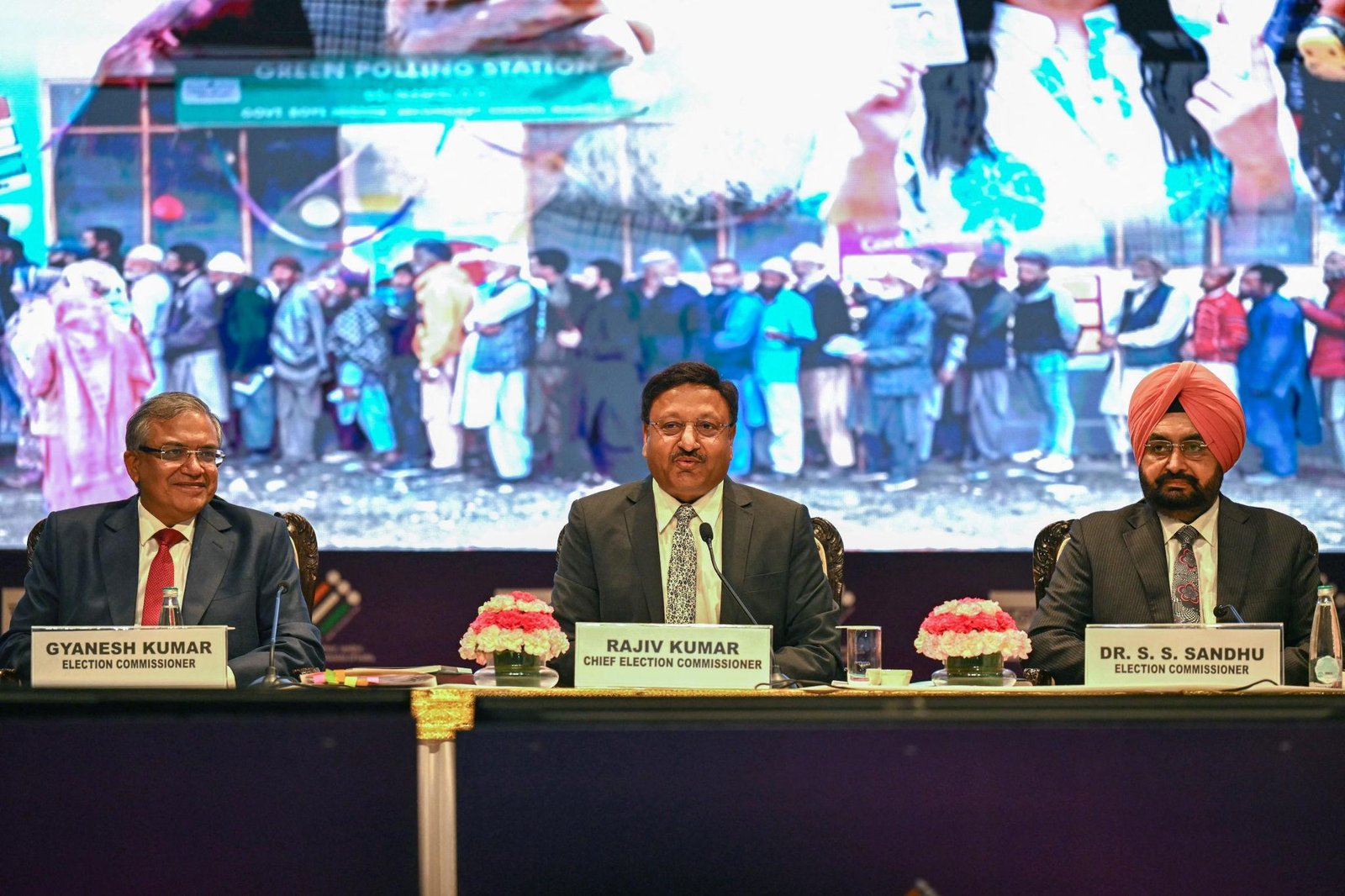
After counting, BJP secured one seat and Congress also won one seat in the Haryana Rajya Sabha election, it became clear that the distribution of the two contested seats would be shared equally between the ruling BJP and the primary opposition, the Congress. The Bharatiya Janata Party successfully steered its candidate to victory, reinforcing its standing within the assembly. Simultaneously, the Indian National Congress managed to secure the second seat, ensuring that the opposition's voice remains represented in the Upper House from the state.
The result reflected the current strength of both parties in the Haryana Assembly. In Rajya Sabha elections, candidates require a specific quota of first-preference votes based on the strength of the Legislative Assembly. The analysis of the voting patterns suggests that while both parties had the requisite numbers on paper, the process was far from straightforward. The requirement for victory in Haryana often hinges on the support of independent MLAs and the absolute loyalty of party members, both of which were tested during this election cycle.
The Late-Night Drama: Why Counting Was Delayed
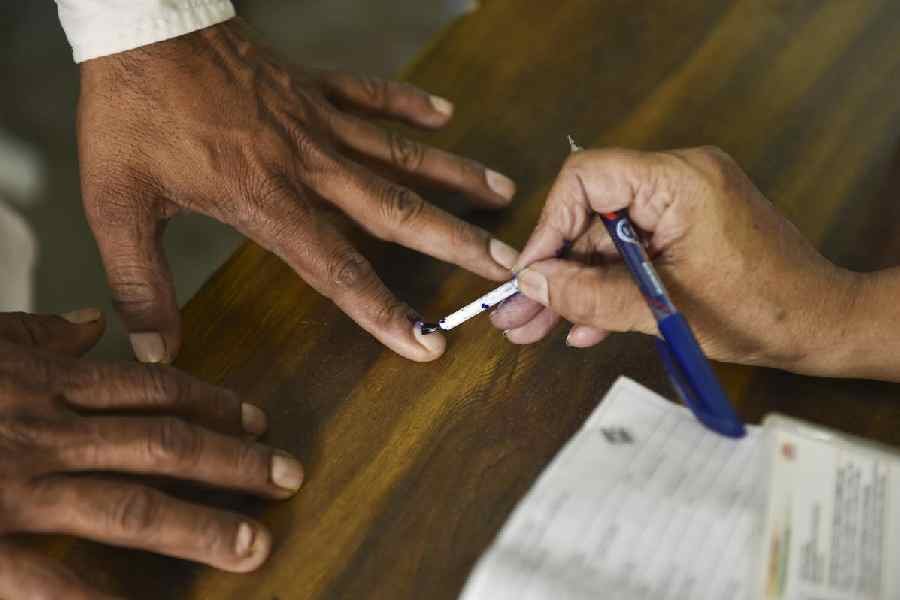
The counting process was briefly delayed due to objections regarding ballot procedures. Originally scheduled to begin shortly after the conclusion of polling, the counting was halted due to what has been described as a 'Voting Secrecy Row.' Party observers and representatives engaged in heated arguments at the counting center, leading to an atmosphere of uncertainty that lasted well into the night.
The chronology of events suggests that the delay was triggered by formal complaints regarding the conduct of the ballot. Some objections were raised about compliance with ballot secrecy rules during voting. This led to a stalemate as party leaders demanded a thorough investigation before the boxes could be opened. The tension at the counting center reached a fever pitch as representatives from both the BJP and Congress awaited a directive from the Election Commission of India (ECI).
Controversies and Challenges: Cross-Voting and Invalid Votes
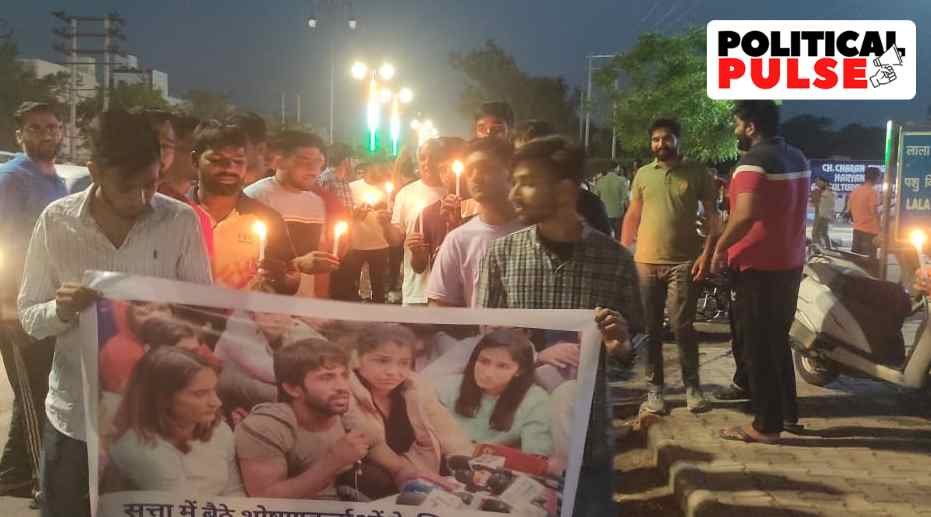
Beyond the procedural delays, the Haryana Rajya Sabha election was marred by reports of cross-voting and the impact of invalid votes. In any closely contested election, the deviation of even a single legislator from the party line can alter the final tally. Reports indicate that friction within party lines led to instances where votes did not align with official party instructions, causing significant concern for party whips.
The issue of invalid votes also played a pivotal role in the election dynamics. Technical errors in marking the ballot papers—often a result of specific preferences not being recorded according to the ECI’s strict guidelines—can lead to votes being discarded. In this instance, the margin of victory and the eventual split of seats were heavily influenced by these technicalities. Insights from reports, including those from The Sunday Guardian, highlight the friction between competing factions and how these 'invalid' ballots became a focal point of the legal and political arguments presented by both sides during the counting delay.
Congress raised concerns with the Election Commission regarding the counting process. The party expressed concerns over the fairness of the proceedings and sought the ECI's intervention to ensure that the sanctity of the vote was maintained. This formal protest added another layer of complexity to the election, as the commission had to review the allegations of 'interference' before the final results could be certified.
Conclusion and Political Implications
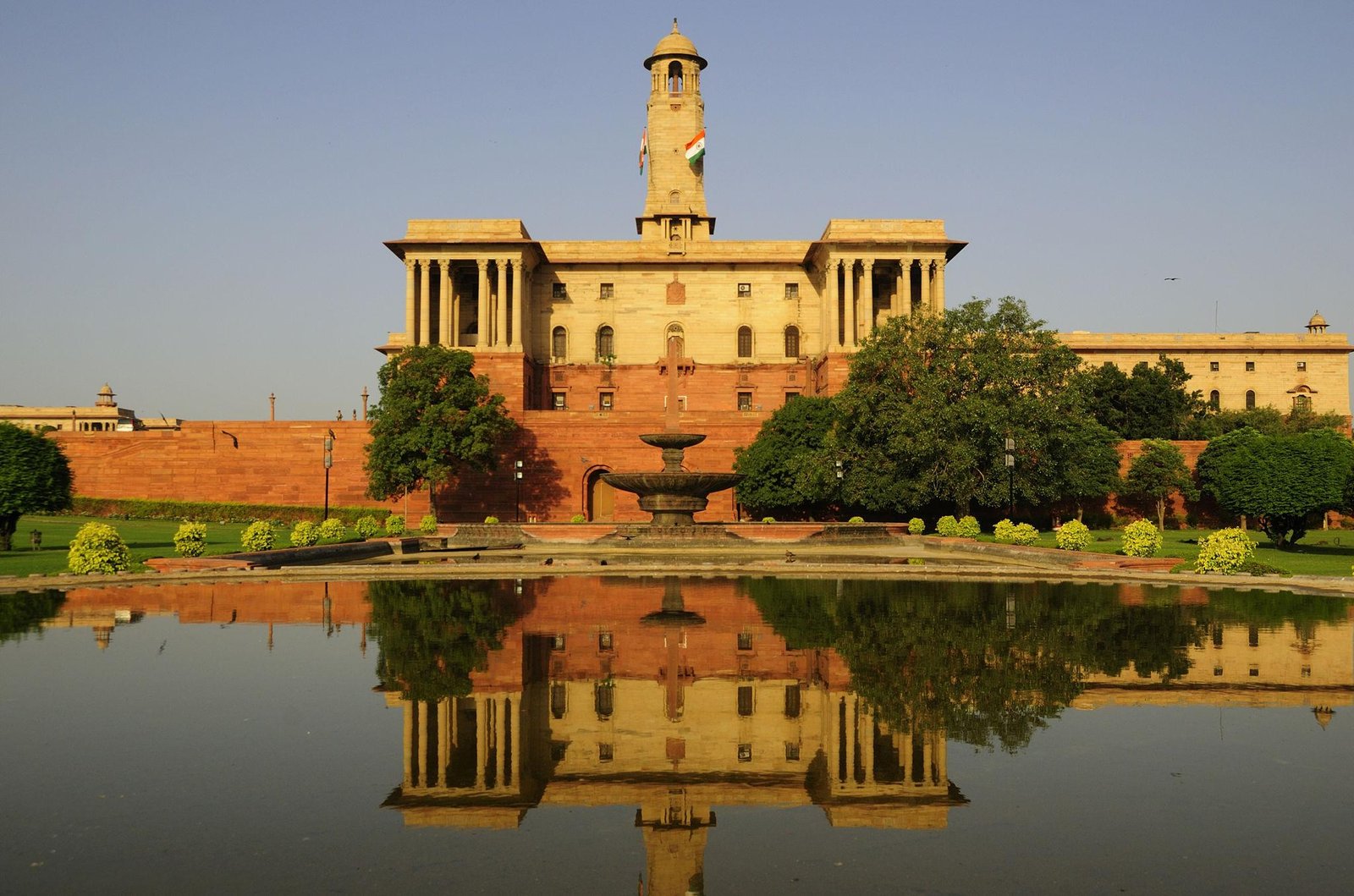
The election ended with both BJP and Congress winning one seat each, maintaining a balanced outcome in Haryana. While the 1-1 split preserves the status quo in terms of seat distribution, the events surrounding the poll-specifically the allegations of cross-voting and the breach of voting secrecy-are likely to have long-term repercussions for party discipline within the Haryana Assembly. As the newly elected members prepare to take their seats in the Upper House, the focus now shifts back to the state's internal political stability and the preparations for future legislative challenges.





Comments 0
Leave a Reply
Your email address will not be published. Required fields are marked *
Be the first to share your thoughts!