
💡 Echoes of the Iron Curtain: A Comprehensive History and Lasting Global Impact of the Cold War
Explore the history of the Cold War, from the rise of the Iron Curtain to the fall of the Berlin Wall, and how this era continues to shape modern geopolitics.
The Cold War was a period of intense geopolitical rivalry between the United States and the Soviet Union that lasted from 1947 to 1991. It reshaped the global map, dictated the foreign policies of nearly every nation, and pushed humanity to the brink of nuclear destruction through a series of indirect conflicts, ideological battles, and technological races. Unlike traditional wars, the two primary superpowers never engaged in direct full-scale combat, instead fighting through economic pressure, propaganda, and proxy wars in third-party countries.
Defining the Era of Ideological Brinkmanship
The Cold War was not just a military standoff; it was a fundamental disagreement over how human society should be organized. On one side stood the Western Bloc, led by the United States, advocating for liberal democracy and capitalist market economies. On the other was the Eastern Bloc, led by the Soviet Union, which promoted a centralized, communist state where the government controlled the means of production. This "brinkmanship"—the practice of pushing dangerous events to the verge of disaster to achieve the most advantageous outcome—became the standard operating procedure for nearly five decades.
The Genesis of Tension: Post-WWII Realignments and the Truman Doctrine
The seeds of the Cold War were sown even before the smoke cleared from World War II. As the Allied powers—the US, UK, and USSR—met at conferences in Yalta and Potsdam, it became clear that their visions for post-war Europe were irreconcilable. The Soviet Union, having suffered immense losses, sought a "buffer zone" of friendly socialist states in Eastern Europe to prevent future invasions. The United States, conversely, feared that an impoverished, war-torn Europe would be fertile ground for communist expansion.
In 1947, President Harry Truman established the Truman Doctrine. This policy committed the United States to providing political, military, and economic assistance to all democratic nations under threat from external or internal authoritarian forces. This effectively drew a line in the sand, signaling that the US would actively work to "contain" communism wherever it tried to spread.
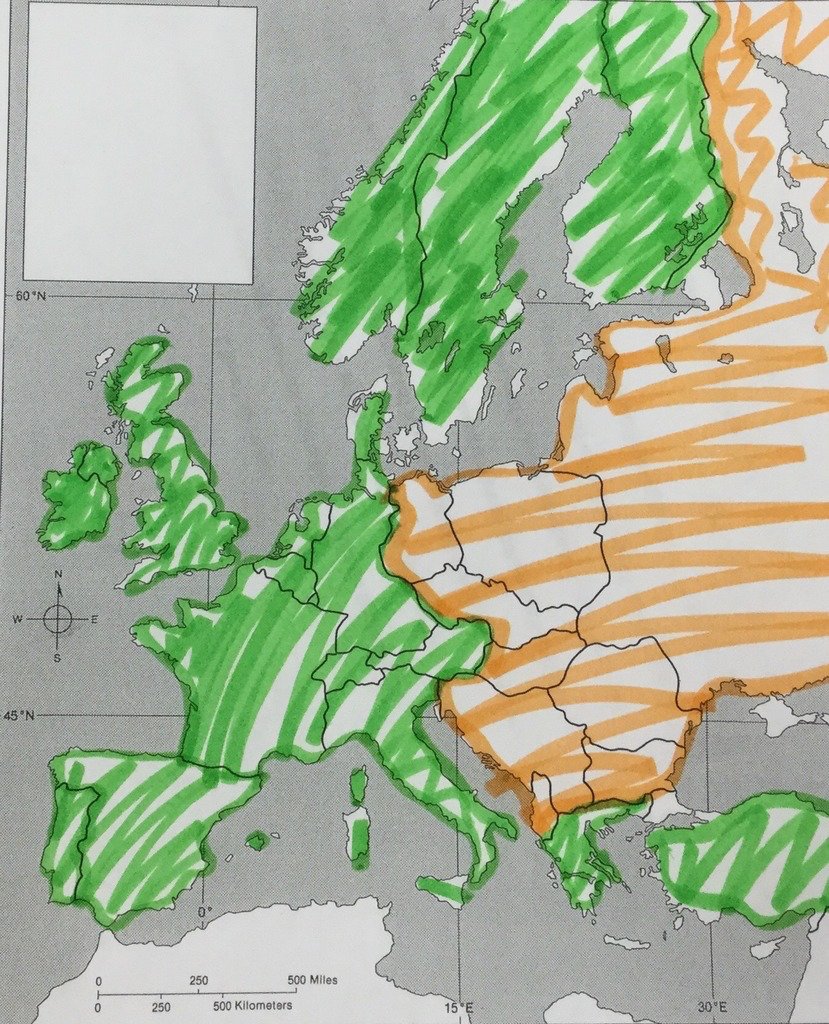
In 1946, Winston Churchill famously declared that an "Iron Curtain" had descended across the continent. This wasn't just a metaphor; it became a physical reality of barbed wire, minefields, and checkpoints that separated families and cultures for generations.
A World Divided: The Socio-Economic Clash of Capitalism vs. Communism
The Cold War divided the world into three "worlds." The First World consisted of the US and its industrial allies. The Second World comprised the Soviet Union and its satellites. The Third World included non-aligned nations, many of which were newly independent colonies that became the primary battlegrounds for influence.
The socio-economic clash was profound. In the West, the focus was on individual liberty, consumerism, and the pursuit of wealth. In the East, the rhetoric focused on collective equality, the elimination of class distinctions, and the duty of the individual to the state. While the West experienced a post-war economic boom characterized by the rise of the middle class, the East focused on heavy industry and military parity, often at the expense of consumer goods and personal freedoms.
The Mechanics of Indirect Conflict: Proxy Wars, the Arms Race, and the Space Race
Because direct war between the US and USSR meant "Mutually Assured Destruction" (MAD) due to nuclear weapons, the conflict manifested in other ways. These included:
- Proxy Wars: Conflicts in Korea, Vietnam, and Afghanistan were essentially theaters where the superpowers backed opposing sides to gain regional influence without firing directly at one another.
- The Arms Race: A terrifying competition to build more powerful and more numerous nuclear warheads. By the 1980s, both nations possessed enough firepower to destroy the planet multiple times over.
- The Space Race: What began as a military race to develop Intercontinental Ballistic Missiles (ICBMs) turned into a quest for prestige. The Soviet launch of Sputnik in 1957 shocked the West, leading to the Apollo moon landings and eventually, a rare moment of cooperation.
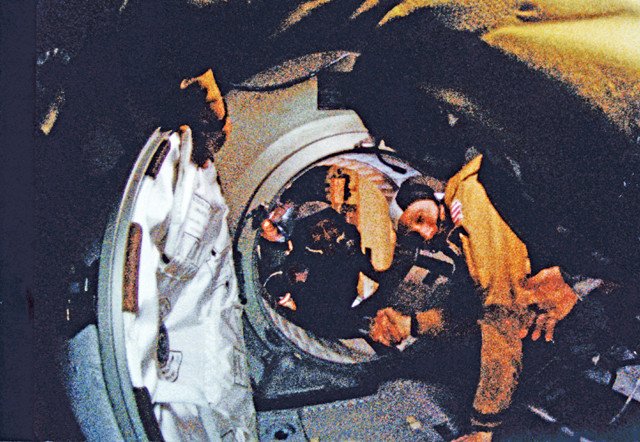
The 1975 Apollo-Soyuz mission, where American astronauts and Soviet cosmonauts docked their spacecraft and shook hands in orbit, served as a powerful symbol that cooperation was possible even amidst deep-seated rivalry.
Cracks in the Monolith: The Cuban Missile Crisis and the Shift Toward Détente
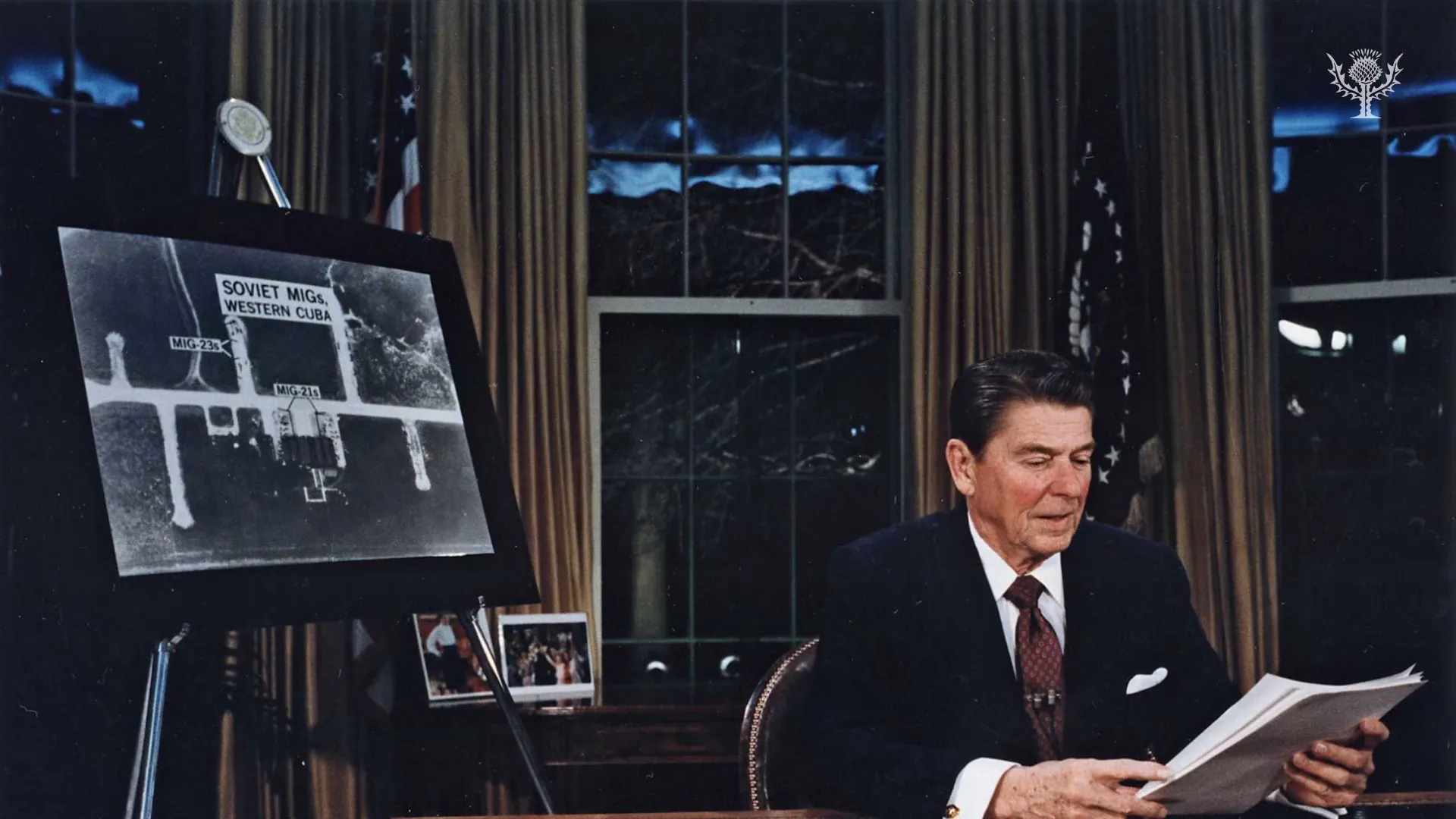
The world came closest to nuclear war in October 1962 during the Cuban Missile Crisis. After the US discovered Soviet nuclear missiles in Cuba, a 13-day standoff ensued. The crisis ended when the USSR agreed to remove the missiles in exchange for a US promise not to invade Cuba (and a secret agreement to remove US missiles from Turkey).
This near-catastrophe led to the realization that communication was vital. The 1970s saw a period known as Détente—a thawing of relations. Treaties like SALT (Strategic Arms Limitation Talks) were signed to reduce the growth of nuclear arsenals. However, this period of relative calm ended abruptly with the Soviet invasion of Afghanistan in 1979.
The Final Act: Glasnost, Perestroika, and the Dissolution of the Soviet Union
By the 1980s, the Soviet economy was stagnating under the weight of massive military spending and a rigid bureaucratic system. When Mikhail Gorbachev took power in 1985, he introduced two revolutionary concepts: Glasnost (openness/transparency) and Perestroika (restructuring).
Gorbachev hoped these reforms would save the Soviet system, but they instead opened the floodgates of dissent. In 1989, a wave of peaceful revolutions swept through Eastern Europe. The most iconic moment occurred in November 1989, when the Berlin Wall—the ultimate symbol of the Iron Curtain—was finally breached by jubilant crowds.
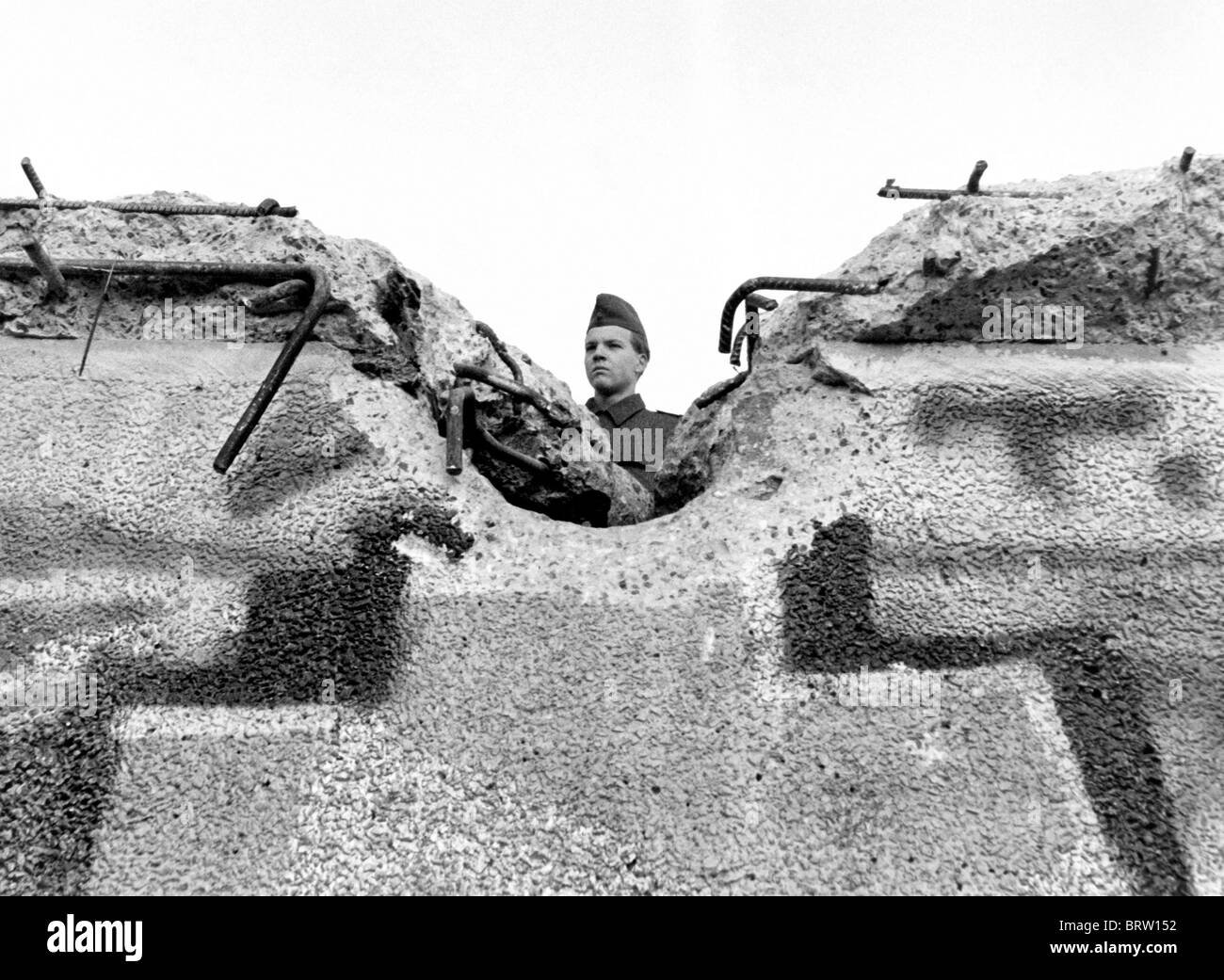
By December 1991, the Soviet Union officially dissolved into 15 independent republics, marking the end of the Cold War and the beginning of a new, unipolar era dominated by the United States.
The Modern Legacy: How Cold War Geopolitics Shape Contemporary International Relations
The Cold War may be over, but its ghost still haunts modern diplomacy. Many current global tensions are direct descendants of this era:
- NATO Expansion: The North Atlantic Treaty Organization, formed to counter the USSR, continues to expand, a point of major contention for modern Russia.
- The Korean Peninsula: North and South Korea remain divided along the same 38th parallel established at the start of the Cold War.
- Nuclear Proliferation: The technology developed during the arms race has spread to other nations, making global security a complex, multi-polar challenge.
- The Rise of China: While the USSR fell, China’s unique blend of authoritarian governance and market participation presents a new ideological and economic challenge to the West.
Conclusion
The Cold War was a half-century of global transformation that proved humanity could survive its own most dangerous impulses, albeit at a staggering cost. It defined the borders of modern Europe, accelerated the technological age, and left behind a legacy of both deep suspicion and the hard-earned knowledge that diplomacy is the only viable alternative to total destruction. As we navigate a new era of global tension, the lessons of the Iron Curtain—the importance of communication, the danger of dehumanizing the 'other,' and the resilience of the human spirit—remain more relevant than ever.





Comments 0
Leave a Reply
Your email address will not be published. Required fields are marked *
Be the first to share your thoughts!