
💡 Echoes from the Abyss: The Definitive History and Cultural Legacy of the RMS Titanic
Explore the comprehensive history of the RMS Titanic, from its Gilded Age origins and engineering marvels to the tragic sinking and its lasting impact on maritime safety and culture.
The RMS Titanic is the most famous maritime disaster in history, serving as a permanent reminder of the limits of human engineering and the consequences of overconfidence. More than a century after it sank on April 15, 1912, the ship remains a symbol of the Gilded Age’s social stratification, a catalyst for modern maritime safety regulations, and a focal point for deep-sea exploration ethics. Its legacy is preserved through recovered artifacts, cinematic retellings, and the ongoing study of its wreckage 12,500 feet below the North Atlantic.
The Gilded Age and the Grand Ambition of the White Star Line
The story of the Titanic began not on the ocean, but in a London boardroom in 1907. J. Bruce Ismay, chairman of the White Star Line, and Lord Pirrie, a partner in the Harland and Wolff shipyard, envisioned a trio of ships that would dominate the Atlantic. Unlike their rivals at the Cunard Line, who focused on speed, White Star chose to prioritize unprecedented size and luxury.
This was the height of the Gilded Age, a period of immense wealth and industrial expansion. The Titanic was designed to be the crowning achievement of this era. It wasn't just a ship; it was a floating palace intended to transport the world’s wealthiest elite in comfort while simultaneously carrying thousands of immigrants toward the promise of a new life in America.
Engineering a Marvel: The Design and the 'Unsinkable' Reputation
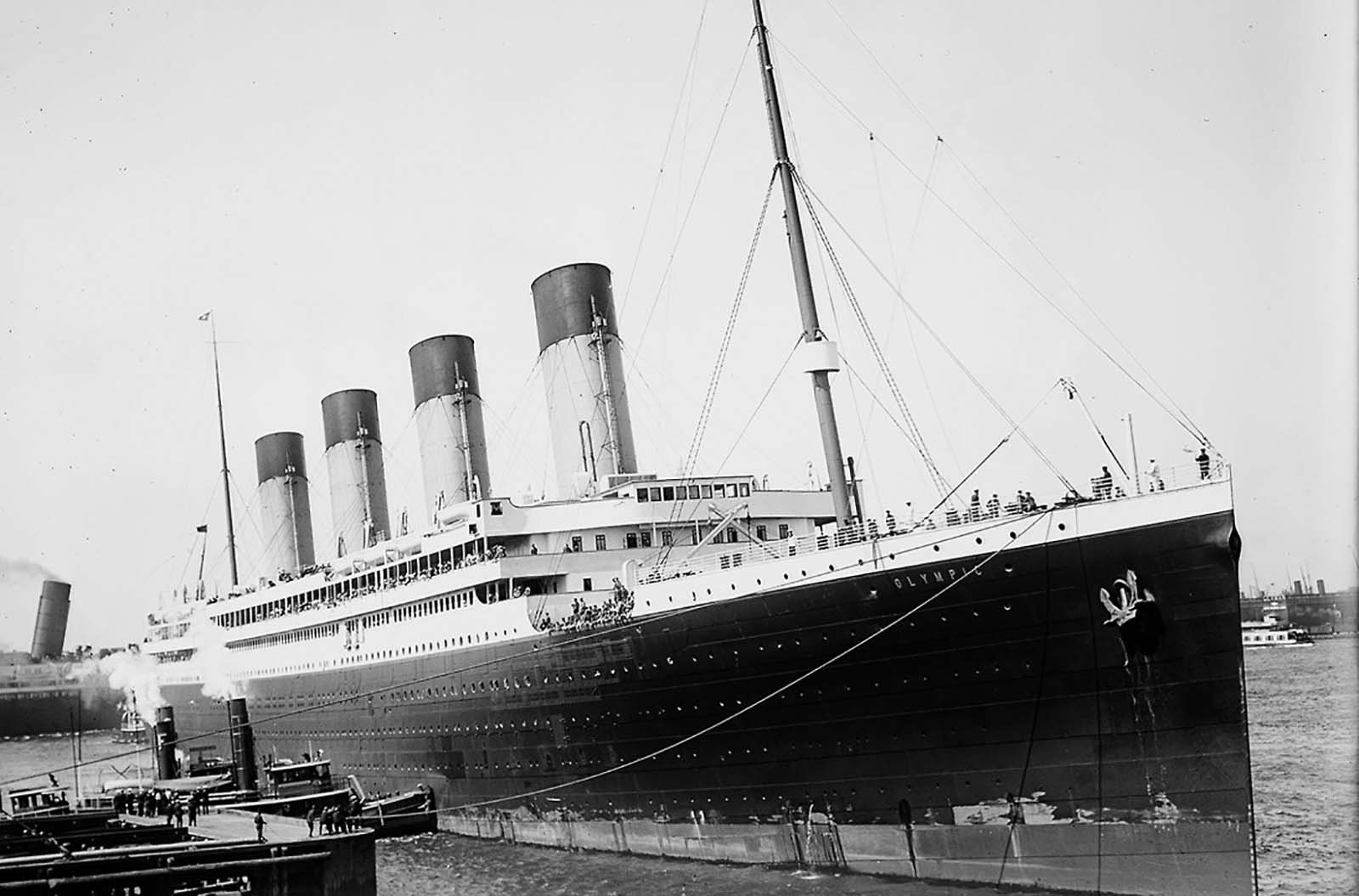
The Titanic was the second of three "Olympic-class" ocean liners. Standing 11 stories high and nearly 900 feet long, it was a triumph of Edwardian engineering. Its most famous feature was a system of 16 watertight compartments. The ship was designed so that it could remain afloat even if any two of the main compartments—or the first four—were flooded. This led the trade journal The Shipbuilder to describe the class as "practically unsinkable," a claim that was later simplified by the press and public into an absolute certainty.
However, this engineering marvel had a critical vulnerability. The watertight bulkheads did not extend all the way to the upper decks. If the ship tilted too far, water could spill from one compartment into the next, much like water overflowing an ice cube tray. This design choice, combined with a reduction in the number of lifeboats to maintain an aesthetic, "uncluttered" deck view, set the stage for tragedy.
The Maiden Voyage: Social Stratification and Luxury
When the Titanic set sail from Southampton on April 10, 1912, it carried a microcosm of early 20th-century society. The First Class passenger list was a "Who’s Who" of international wealth, including industrialist John Jacob Astor IV—the wealthiest man on the ship. Astor’s presence highlighted the extreme luxury available; he was famously carrying a gold pocket watch that has recently resurfaced in the public eye, selling for record amounts at auction. This artifact serves as a tangible link to the immense personal wealth lost that night.
In contrast, the Third Class (steerage) consisted mostly of Irish, Scandinavian, and Eastern European immigrants. While Titanic’s Third Class accommodations were better than those on most other ships of the time, the social divide was absolute. Separate dining rooms, decks, and even gates kept the classes apart, a physical manifestation of the era's rigid social hierarchy.
A Night of Frozen Terror: Deconstructing the Collision
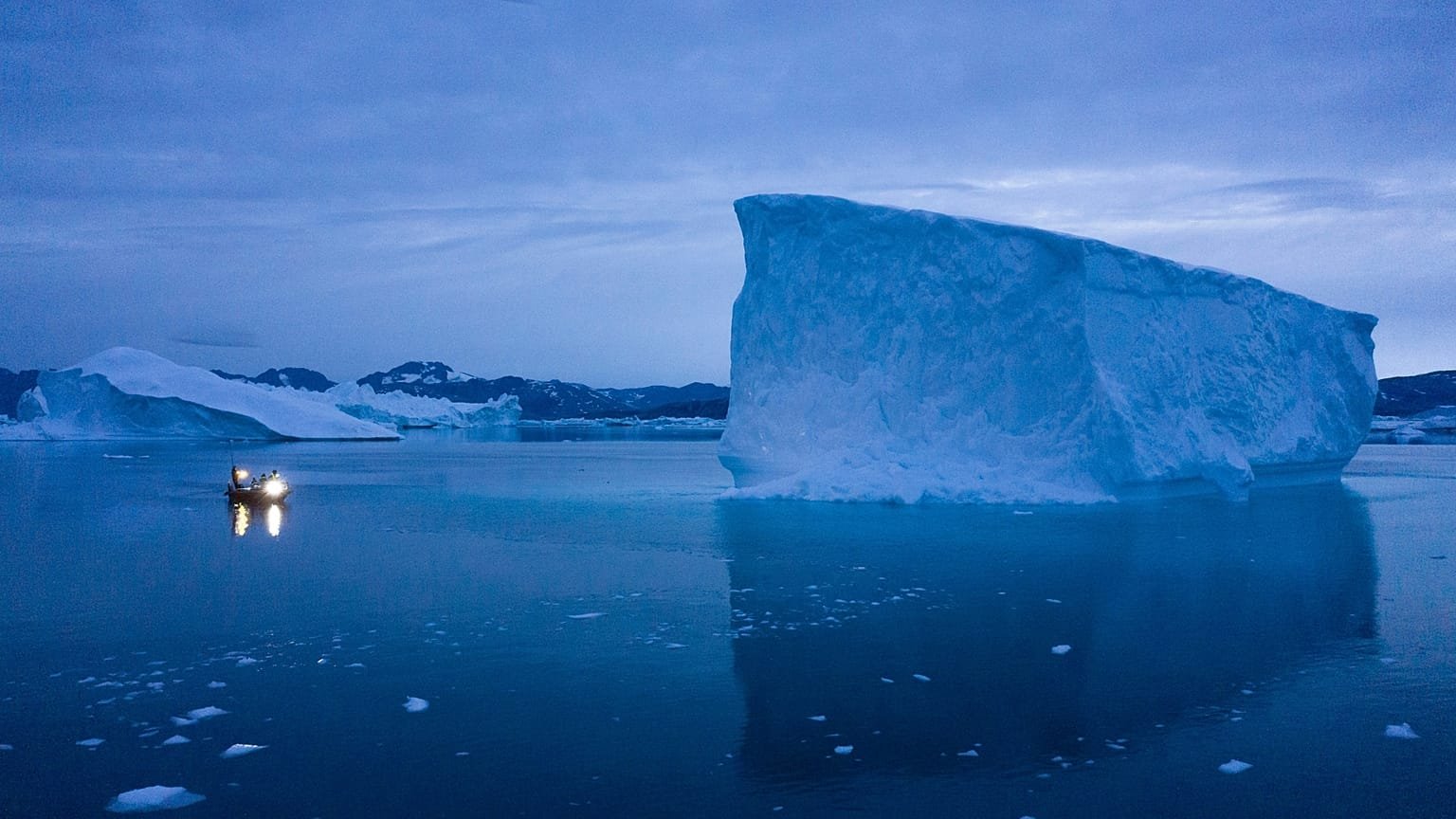
On the night of April 14, 1912, the sea was uncharacteristically calm—a "flat calm" that made it nearly impossible to see the white foam of waves breaking against the base of icebergs. Despite receiving multiple wireless warnings of ice in the area, Captain Edward Smith maintained a high speed of roughly 22 knots.
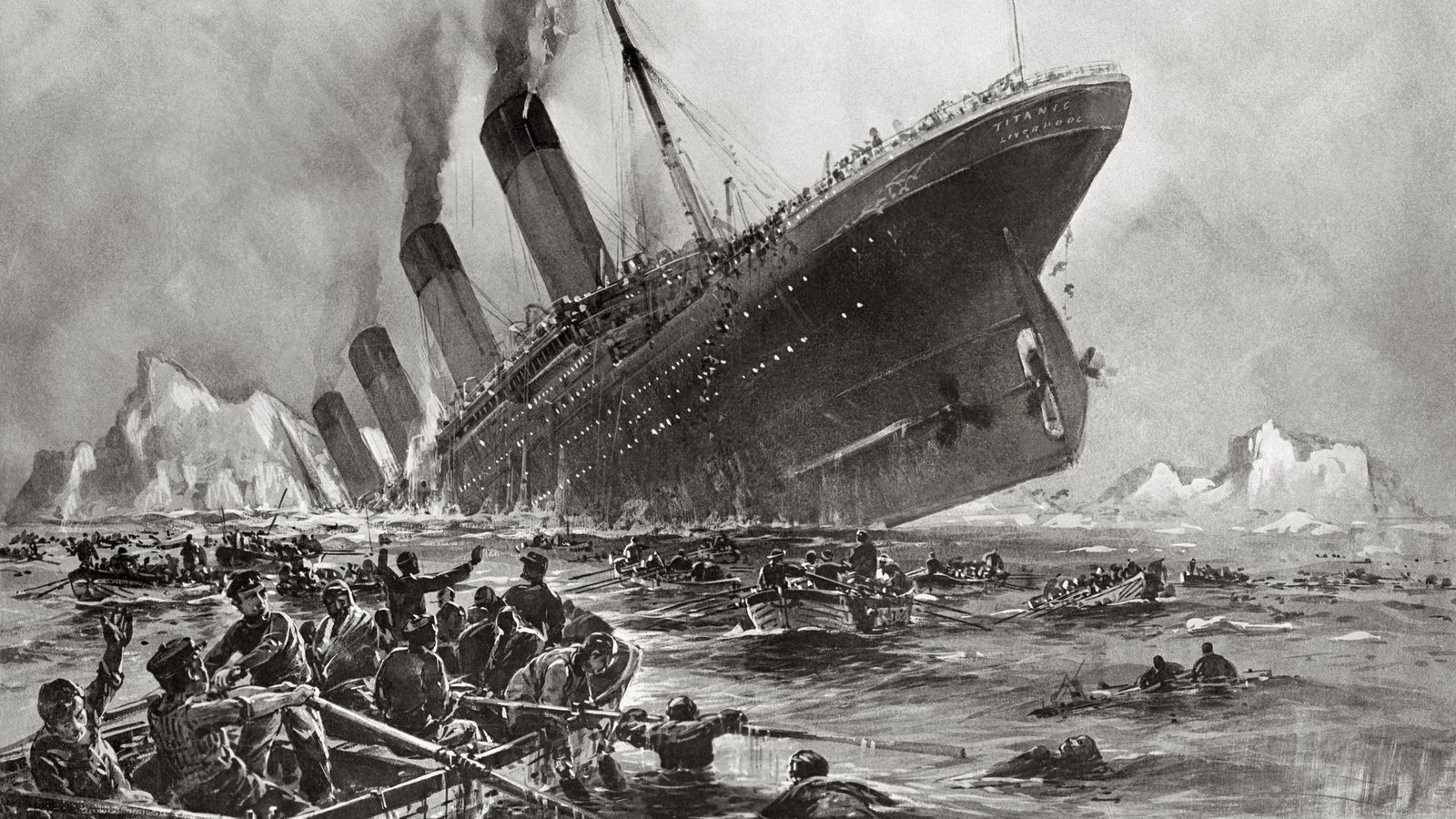
At 11:40 PM, lookouts Frederick Fleet and Reginald Lee spotted an iceberg directly ahead. The First Officer ordered the ship to turn and the engines to reverse. However, the Titanic was too large to turn quickly enough. The iceberg scraped along the starboard side, buckling the hull plates and popping rivets below the waterline. Instead of a single massive gash, the ice created a series of narrow openings across five compartments—one more than the ship was designed to survive.
The Aftermath: Maritime Safety Revolutions
The sinking of the Titanic resulted in the deaths of over 1,500 people, a loss exacerbated by the fact that there were only enough lifeboats for about half of those on board. The global outcry following the disaster led to the first International Convention for the Safety of Life at Sea (SOLAS) in 1914.
SOLAS remains the most important international treaty concerning the safety of merchant ships. It mandated that there be enough lifeboats for every person on board, required 24-hour radio watches so that distress signals would never go unheard, and established the International Ice Patrol to monitor iceberg movements in the North Atlantic. These changes fundamentally altered the way we traverse the oceans today.
Resting in the Deep: The 1985 Discovery and Ethics
For 73 years, the Titanic lay undisturbed in the darkness of the midnight zone. In 1985, a joint French-American expedition led by Jean-Louis Michel and Robert Ballard discovered the wreck. They found the ship in two main pieces, the bow and stern lying nearly 2,000 feet apart, surrounded by a massive debris field.
The discovery sparked an ongoing ethical debate. Should the site be treated as a maritime memorial and left untouched, or is it a site for scientific and historical salvage? While thousands of artifacts—from leather bags to the aforementioned gold watches—have been recovered and conserved, many argue that the ship is a grave site that should be respected. Today, the wreck is rapidly deteriorating due to metal-eating bacteria (Halomonas titanicae), leading many to believe the ship will eventually collapse entirely within the next few decades.
The Titanic in Popular Culture: Why the Legend Endures
Why does the Titanic continue to captivate us? It is partly due to the sheer drama of the event—the "unsinkable" ship, the band playing as the decks tilted, and the stories of sacrifice and cowardice. James Cameron’s 1997 film turned the disaster into a cultural phenomenon for a new generation, but the fascination predates Hollywood.
The Titanic represents the "end of an era." It was the last great gasp of the Edwardian age before the horrors of World War I changed the world forever. The ship’s story is a Greek tragedy played out in steel and ice: a tale of hubris followed by a fall, reminding us that no matter how advanced our technology becomes, we are still subject to the forces of nature.
Frequently Asked Questions Regarding the RMS Titanic
Why didn't the Titanic have enough lifeboats?
At the time, British Board of Trade regulations based the number of lifeboats on a ship's tonnage, not its passenger capacity. The Titanic actually carried more lifeboats than the law required at the time, though still only enough for 1,178 people despite a total capacity of over 3,300.
Could the Titanic have been saved if it hit the iceberg head-on?
Many naval architects believe that a head-on collision would have crumpled the bow but only flooded the first one or two compartments. This would have likely allowed the ship to stay afloat. By trying to turn, the ship exposed its vulnerable side, damaging too many compartments to survive.
Is it possible to raise the Titanic?
No. The ship is in a fragile state of decay and is split into two pieces. Any attempt to raise it would cause the hull to crumble. Furthermore, the weight of the water and the depth make it technologically and financially unfeasible.
Are there still bodies at the wreck site?
While no intact bodies remain, searchers have found pairs of shoes lying together on the ocean floor, indicating where a body once rested before the soft tissue was consumed by sea life and the bones dissolved due to the chemical composition of the deep ocean.
Conclusion
The RMS Titanic remains an enduring icon because it reflects the best and worst of humanity. It is a story of grand ambition and tragic oversight, of immense wealth and desperate survival. By honoring the human element—the 1,500 souls lost and the lessons learned from their passing—we ensure that the echoes from the abyss continue to guide maritime safety and remind us of our shared vulnerability. The ship may be disappearing into the ocean floor, but its place in our collective memory is permanent.





Comments 0
Leave a Reply
Your email address will not be published. Required fields are marked *
Be the first to share your thoughts!