
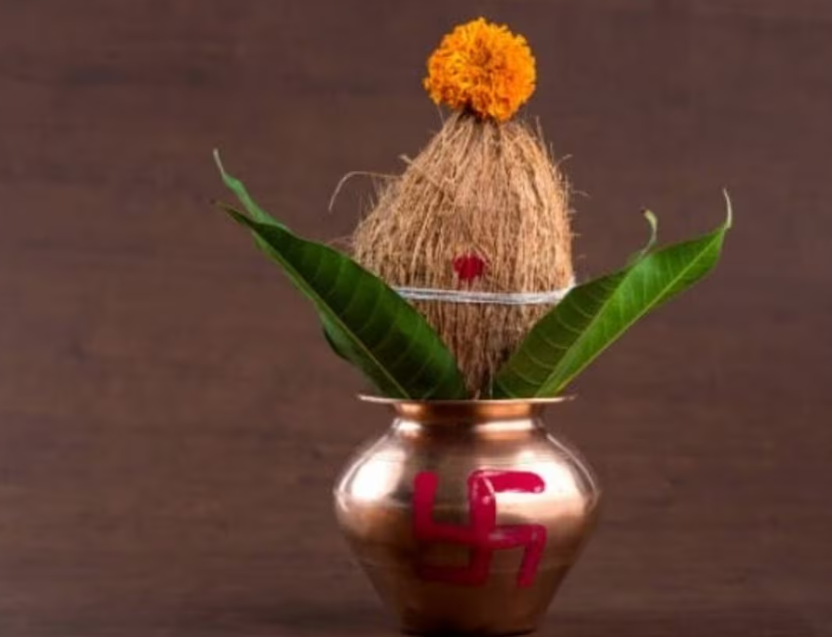
The arrival of Chaitra Navratri marks a period of profound spiritual awakening and devotion across India. As the lunar calendar transitions, devotees are preparing for Chaitra Navratri 2026, a nine-day festival dedicated to the nine forms of Goddess Durga. Central to the commencement of this festival is the 'Ghatasthapana' or 'Kalash Sthapana,' a ritual that invokes the divine energy of the Goddess into a sacred pot. For 2026, the alignment of celestial bodies has designated specific windows of time that are considered most auspicious for these rituals.
The Significance of Chaitra Navratri 2026
Chaitra Navratri, which typically falls in the spring, is more than just a religious observance; it is a celebration of the victory of good over evil and the renewal of nature. According to widely followed Hindu calendar calculations, the 2026 festivities are set to begin on March 19. This date marks the first day of the Chaitra month’s Shukla Paksha. The festival is a cornerstone of Hindu tradition, emphasizing the power of 'Shakti' and the importance of discipline through fasting and prayer.
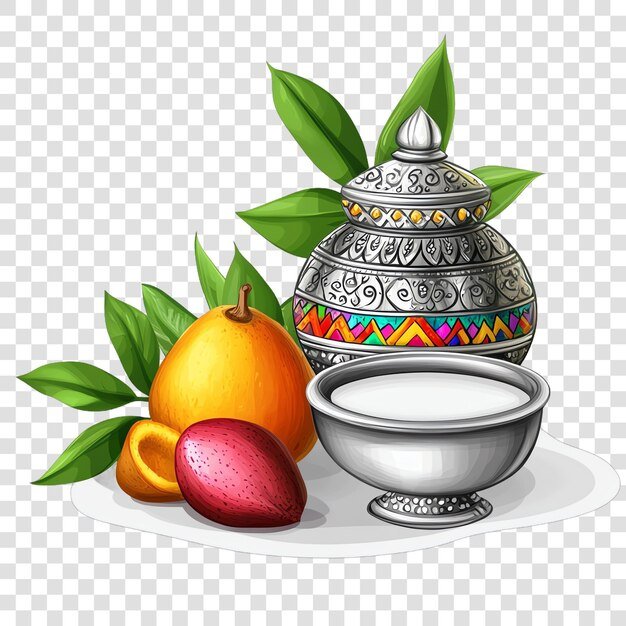
One of the primary points of discussion for the 2026 calendar was whether the festival would begin on March 18 or March 19. However, most traditional Panchang calendars indicate that March 19, 2026, is the definitive start date for Day 1, featuring the worship of Maa Shailputri. The confusion often arises from the timing of the 'Pratipada Tithi,' which must align with the sunrise to be considered the primary day for Ghatasthapana.
Kalash Sthapana Muhurat: The Auspicious Timing
The act of Kalash Sthapana is governed by strict 'Muhurats' or auspicious timings. Performing the ritual during the 'Abhijit Muhurat' is often considered the most fruitful. For Chaitra Navratri 2026, the morning of March 19 offers the primary window for devotees to establish the Kalash. The Shubh Muhurat is not merely a tradition but is believed to synchronize the practitioner's energy with the cosmic vibrations of the Goddess.
Based on the 2026 calendar details that the early morning hours on Thursday, March 19, will be the peak time for these rituals. Devotees are encouraged to complete the Ghatasthapana before the Tithi concludes to ensure they capture the full spiritual benefits of the inaugural day. This ritual involves placing a brass or earthen pot filled with water, coins, and sacred herbs, topped with mango leaves and a coconut, symbolizing the universe and the presence of the Divine Mother.
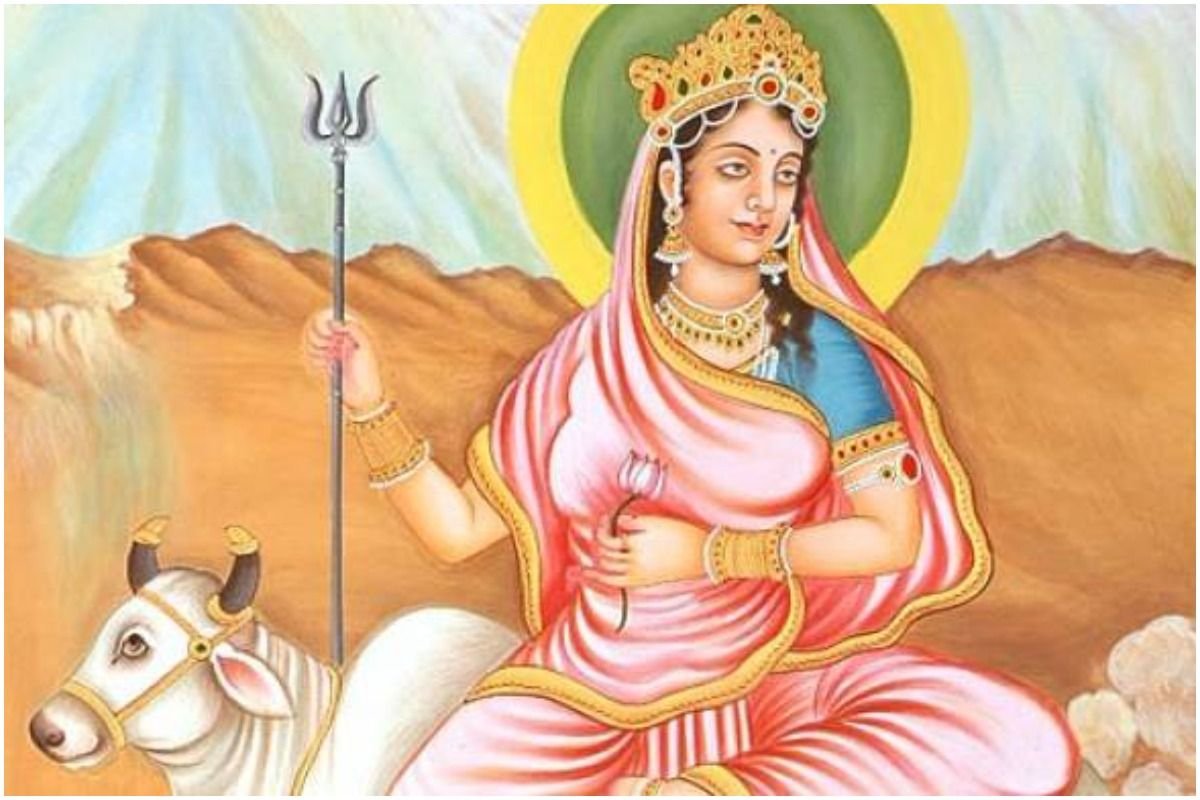
The first day is dedicated to Maa Shailputri, the daughter of the mountains. As the first among the Navdurgas, her worship sets the tone for the remaining eight days. The 2026 rituals for Maa Shailputri include the offering of pure ghee, which is believed to bring health and prosperity to the household. The color guide for this day often emphasizes shades that reflect purity and nature, aligning with the Goddess's mountain-dwelling origins.
Key Rituals for the First Day of Chaitra Navratri 2026
To maximize the spiritual impact of the first day of Chaitra Navratri 2026, several key rituals are recommended. These '5 powerful rituals' are designed to cleanse the home and the mind, creating a vessel for divine grace:
- Ghatasthapana: The formal invocation of the Goddess into the Kalash.
- Deep Daan: Lighting an 'Akhand Jyot' (eternal flame) that stays lit for the entire nine-day duration.
- Sowing of Barley (Jowar): Planting barley seeds in a shallow pot, which represents growth and prosperity.
- Mantra Chanting: Reciting specific Shlokas dedicated to Maa Shailputri to focus the mind.
- Sankalpa: Taking a formal vow to observe the fast and follow the spiritual path for the duration of the festival.
The 9-Day Journey: Fasting and Colors
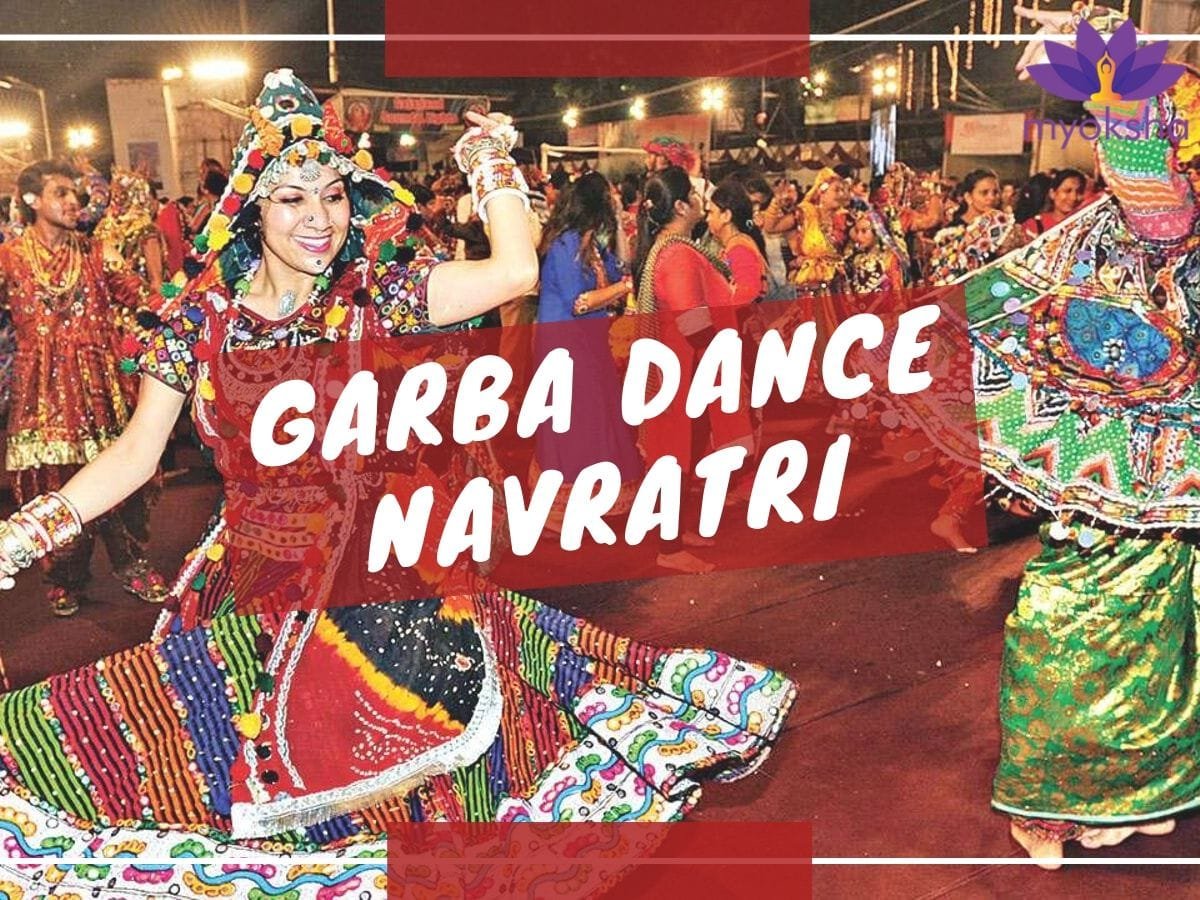
Beyond the first day, Chaitra Navratri 2026 will follow a structured path of devotion. Each day is associated with a specific form of Goddess Durga, a unique color, and a particular Prasad (offering). The 2026 guide highlights the importance of the color code, which many devotees follow by wearing clothes of the designated color for each day to harmonize their surroundings. Fasting remains a central pillar of the 9-day rituals, with many opting for 'Phalahar' (fruit-based diet) or specific 'Vrat' foods that exclude grains and common salt.
The festival serves as a period of introspection and physical detoxification. Many festival guides and traditional references suggest that, the 2026 schedule provides a comprehensive roadmap for those seeking to observe the rituals with precision. From the initial Kalash Sthapana on March 19 to the final celebrations of Ram Navami, the journey is one of deep cultural and religious significance.
The Cultural Impact in India
In regions across India, especially in the northern and western belts, Chaitra Navratri 2026 is widely observed across many parts of India, especially in northern and western regions. The Ghatasthapana timings are meticulously followed in temples and households alike. The synchronization of the 'Shubh Muhurat' across different cities is facilitated by modern media, ensuring that the collective prayer of millions begins at the most auspicious moment.
As we look toward March 2026, the emphasis remains on the purity of the ritual. Whether it is the selection of the Kalash, the quality of the barley seeds, or the sincerity of the prayers, every element plays a role in the grand tapestry of Chaitra Navratri. The 2026 season promises to be a time of great devotion, uniting the traditional with the contemporary in a celebration of the eternal feminine power.





Comments 0
Leave a Reply
Your email address will not be published. Required fields are marked *
Be the first to share your thoughts!