
💡 What is Dodgers?
Explore the Los Angeles Dodgers' strategy for developing elite international pitchers and how Roki Sasaki represents the next evolution of Major League Baseball excellence.
How do the Los Angeles Dodgers maintain a legacy of pitching excellence?
The Los Angeles Dodgers have long been synonymous with elite pitching. From the days of Sandy Koufax to the modern dominance of Clayton Kershaw, the franchise has built a reputation for not only identifying top-tier talent but also refining it through cutting-edge technology and psychological preparation. In the modern era of professional baseball, this focus has shifted toward a global perspective, specifically targeting the talent-rich leagues of Japan. The pursuit of excellence requires a delicate balance between raw physical ability and the mental fortitude to overcome early-season hurdles.
According to global sports analysts, the Dodgers' success is not merely a product of a high payroll, but rather a sophisticated infrastructure designed to support athletes during periods of transition. When a high-profile pitcher like Roki Sasaki enters the fold, the expectations are astronomical. However, even the most gifted athletes encounter periods of inconsistency, often referred to as spring shakiness. Understanding how a premier organization helps a player move past these initial struggles offers a masterclass in professional sports management and player development.

Who is Roki Sasaki and why is he a focal point for the Dodgers?
Roki Sasaki, often hailed as the Monster of the Reiwa Era in Japan, represents the pinnacle of modern pitching prospects. Known for a blistering fastball that consistently exceeds 100 miles per hour and a devastating split-finger fastball, Sasaki captured the world's attention during his tenure in Nippon Professional Baseball (NPB). His ability to dominate hitters with a combination of velocity and precision makes him a natural fit for the Los Angeles Dodgers' pitching philosophy.
Experts suggest that Sasaki's appeal lies in his unique biomechanical efficiency. Unlike many power pitchers who rely on sheer effort, Sasaki possesses a fluid delivery that allows him to maintain high velocity with seemingly less strain on his arm. For the Dodgers, a team that prioritizes strikeout capability and walk-rate suppression, Sasaki is the ideal prototype. The organization’s interest in him reflects a broader trend of MLB teams looking toward the NPB for ready-made stars who can impact a rotation immediately.
How do the Los Angeles Dodgers develop elite pitching talent?
The Dodgers' approach to player development is often referred to as the Dodger Way, but in the 21st century, it has been augmented by the Pitching Lab. This facility uses high-speed cameras, motion-capture sensors, and ball-tracking technology to provide real-time feedback to pitchers. By analyzing the spin rate, axis, and vertical break of every delivery, coaches can make micro-adjustments that lead to macro-results.
- Biomechanical Analysis: Coaches use data to ensure that a pitcher's mechanics are repeatable and sustainable, reducing the risk of injury.
- Mental Conditioning: The organization employs specialists to help players navigate the immense pressure of playing in a major market like Los Angeles.
- Customized Pitch Design: Instead of a one-size-fits-all approach, the Dodgers tailor pitch grips and sequences to a player's natural strengths.
As per recent industry reports, this system is particularly effective for international players who must adapt to a different style of play. By providing a data-driven roadmap, the Dodgers remove much of the guesswork involved in transitioning to a new league, allowing players like Sasaki to focus on their performance on the mound.
What are the technical challenges of the NPB to MLB transition?
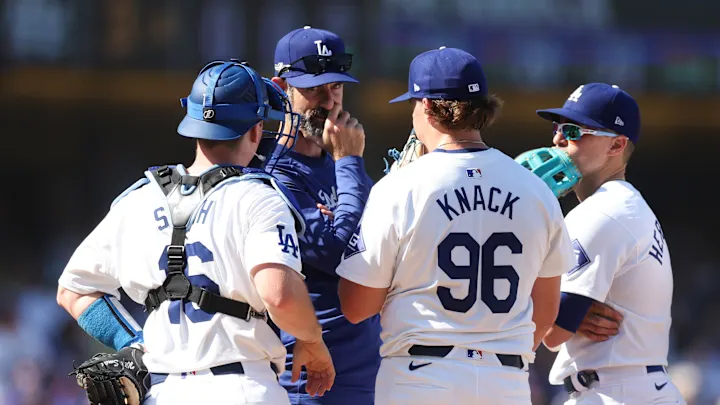
Moving from the NPB to MLB involves more than just a change of scenery. There are significant technical differences that can lead to initial struggles, or spring shakiness. One of the primary factors is the baseball itself. The MLB ball is generally considered to be slightly larger and slicker than the ball used in Japan, which can affect a pitcher's grip and the movement of their breaking pitches.
Furthermore, the schedule in MLB is much more demanding. In Japan, pitchers typically start once a week, whereas the MLB rotation usually operates on a five-day cycle. This adjustment requires a different level of physical conditioning and recovery management. When a pitcher like Sasaki demonstrates the ability to put these challenges in the rear-view mirror, it is a testament to both his individual work ethic and the support system provided by the Dodgers' training staff.
Why is the Los Angeles Dodgers pitching lab considered industry-leading?
The Los Angeles Dodgers have invested heavily in what many consider the most advanced pitching laboratory in professional sports. This is not just a room with cameras: it is a comprehensive ecosystem where data scientists and former players collaborate. According to major league scouting departments, the Dodgers are ahead of the curve in using proprietary algorithms to predict how a pitcher's arsenal will play against specific MLB lineups.
For a pitcher like Sasaki, the lab serves as a sanctuary for refinement. If a pitcher experiences a dip in velocity or a loss of command during the early stages of a season, the lab can pinpoint the exact mechanical flaw within minutes. This rapid feedback loop is essential for maintaining confidence and ensuring that a solid first start is not just a fluke, but the beginning of a consistent trend of dominance.
What are the benefits of a diverse international rotation?
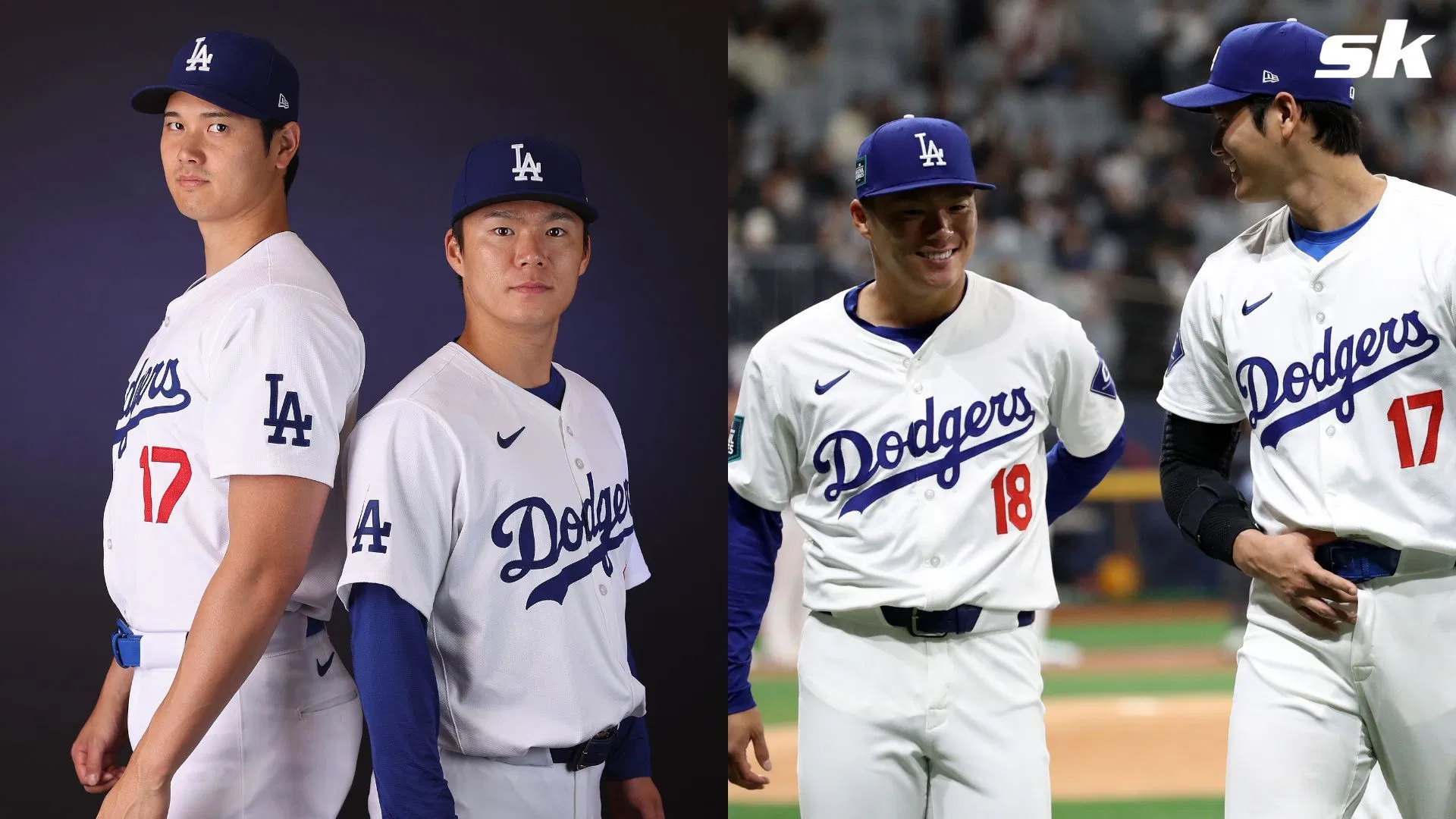
Building a rotation with international stars like Shohei Ohtani, Yoshinobu Yamamoto, and Roki Sasaki provides the Dodgers with several strategic advantages. First, it offers a variety of pitching styles and looks that can keep opposing hitters off balance. Second, it expands the team's global brand, making the Dodgers the premier destination for future talent from Asia and beyond.
Economically, having international icons on the roster opens up significant revenue streams through global sponsorships and broadcasting rights. However, from a purely competitive standpoint, the benefit is the depth of talent. By successfully integrating international pitchers, the Dodgers ensure that they are never overly reliant on a single domestic talent pool, creating a sustainable model for long-term success.
Common mistakes to avoid when evaluating early-season performance
Fans and analysts often fall into the trap of overreacting to a small sample size of games. In the context of a long 162-game season, early struggles are often part of the natural progression of a pitcher's arm getting into game shape. Experts suggest looking for the following indicators rather than just the final box score:
- Velocity Stability: Is the pitcher maintaining their expected speed throughout the game?
- Pitch Sequencing: Are they using their entire repertoire effectively, or are they leaning too heavily on one pitch?
- Body Language: Does the pitcher remain composed after giving up a hit or a walk?
By focusing on these underlying metrics, it becomes clear when a pitcher has truly put their shakiness behind them and is ready to lead the rotation.
Pro tips for understanding MLB pitching metrics
To truly appreciate the performance of a Dodger pitcher, one must look beyond wins and losses. Advanced metrics provide a clearer picture of a pitcher's effectiveness. For instance, FIP (Fielding Independent Pitching) measures a pitcher's ability to prevent home runs, walks, and hit batters while striking out hitters. A low FIP suggests that a pitcher is performing well regardless of the defense behind them.
Another key metric is Whiff Rate, which measures how often hitters swing and miss. For a power pitcher like Roki Sasaki, a high Whiff Rate on his splitter is a primary indicator of his dominance. When these metrics align with a solid first start, it signals that the pitcher has successfully calibrated their mechanics for the high-intensity environment of Major League Baseball.
Frequently Asked Questions about the Dodgers and Roki Sasaki
Who is responsible for the Dodgers' pitching success?
While many individuals contribute, Pitching Coach Mark Prior and the front office led by Andrew Friedman are widely credited with creating the organizational philosophy that prioritizes pitching development and data integration.
How does the MLB ball differ from the NPB ball?
The MLB ball is slightly larger, has lower seams, and is generally slicker than the NPB ball. This requires pitchers to adjust their grip and can sometimes lead to a temporary loss of command during the transition period.
What makes Roki Sasaki's splitter so effective?
Sasaki's splitter is effective because it maintains the same arm speed as his 100-mph fastball but features a late, sharp downward break. This deception makes it nearly impossible for hitters to distinguish between the two pitches until it is too late.
Why do the Dodgers focus so much on Japanese pitchers?
The NPB produces some of the most disciplined and technically sound pitchers in the world. The Dodgers' history with players like Hideo Nomo has created a strong cultural and professional bridge between the organization and Japanese baseball.
What does putting spring shakiness in the rear view mean?
It refers to a pitcher overcoming the mechanical inconsistencies, lack of command, or physical fatigue that often occurs during Spring Training as they prepare their bodies for the rigors of the regular season.
Conclusion
The Los Angeles Dodgers continue to set the standard for pitching development by combining traditional scouting with advanced biomechanical data. The successful integration of international talent like Roki Sasaki demonstrates the effectiveness of the Dodger Way in helping elite athletes overcome early-season challenges. By providing a robust support system and a data-driven environment, the Dodgers ensure that their pitchers are equipped to maintain dominance on a global stage.
Related Media
Quick View: Mastering the Mound: How the Los Angeles Dodgers Integrate International Talent Like Roki Sasaki





Comments 0
Leave a Reply
Your email address will not be published. Required fields are marked *
Be the first to share your thoughts!