
Maharashtra Pudhcha: The Strategic Roadmap to a Trillion Dollar Economy
Maharashtra stands as the primary engine of India's economic growth. The concept of Maharashtra Pudhcha, which translates to Maharashtra Ahead, represents a comprehensive vision for the state's transformation into a global powerhouse. As the state contributes approximately 15 percent to India's total Gross Domestic Product (GDP), its trajectory dictates the national economic pace. This guide explores the multi-dimensional aspects of Maharashtra's growth, focusing on infrastructure, technology, and sustainable development.
According to global analysts, Maharashtra is positioned to become the first Indian state to reach a 1 trillion dollar economy. This ambitious target is supported by a robust industrial base, a thriving services sector, and a strategic location that serves as a gateway to international trade. The focus remains on creating a balanced ecosystem where urban modernization meets rural empowerment.
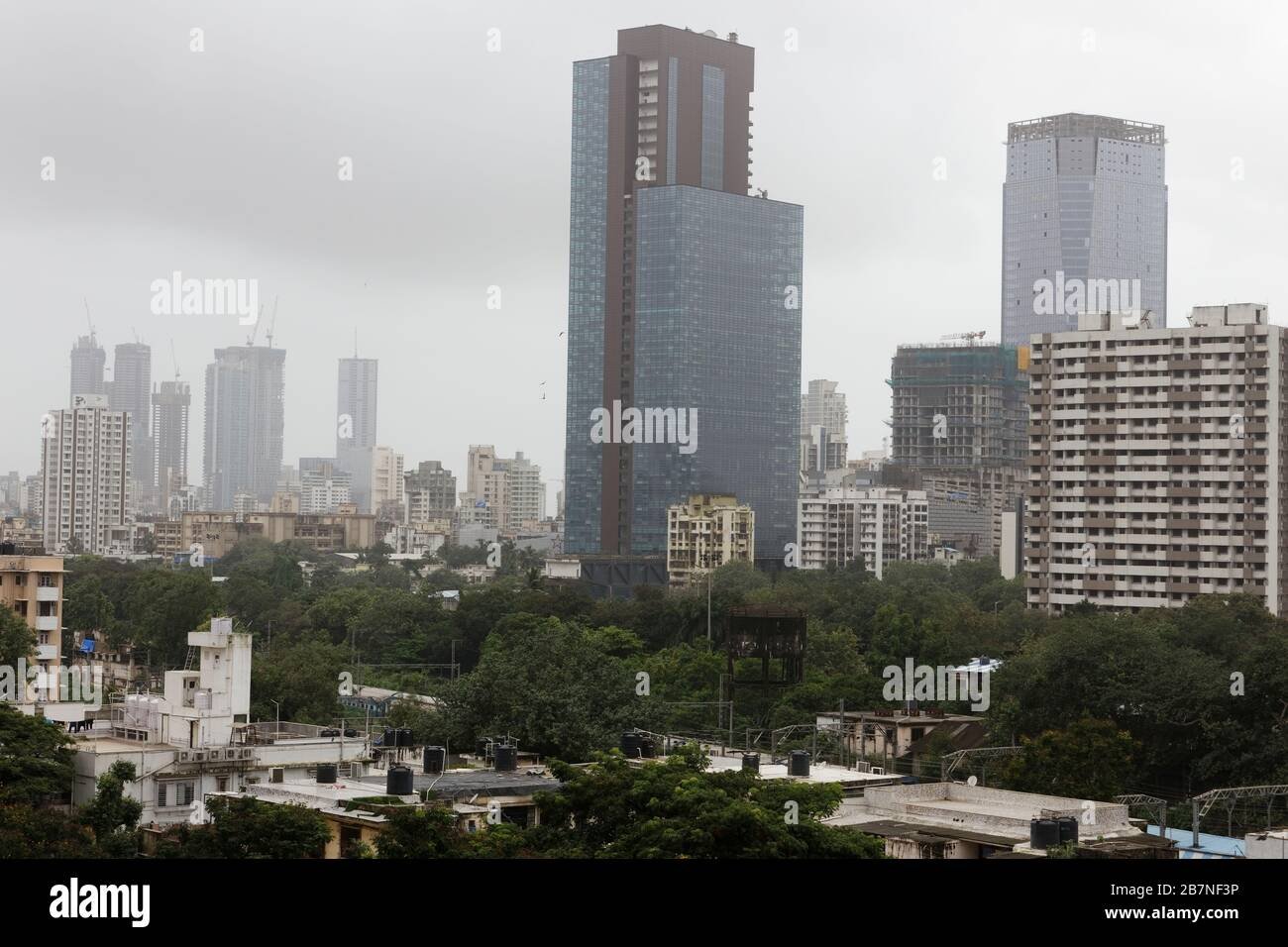
1. The Economic Foundation and Industrial Hubs
The core of the Maharashtra Pudhcha vision lies in its industrial diversification. While Mumbai remains the financial capital, the state is expanding its industrial footprint into the hinterlands. Experts suggest that the development of specialized industrial clusters is key to maintaining a competitive edge. These clusters focus on sectors such as electronics, electric vehicles (EVs), and aerospace.
As per recent industry reports, the state has successfully attracted significant Foreign Direct Investment (FDI) due to its ease of doing business reforms. The Maharashtra Industrial Development Corporation (MIDC) is playing a pivotal role in creating land banks and providing world-class utility services to global manufacturers. [Link to: Industrial Policy of India]
The focus is also shifting toward the Micro, Small, and Medium Enterprises (MSME) sector. By integrating MSMEs into the global supply chain, the state aims to generate large-scale employment and foster grassroots innovation. This decentralized growth model ensures that the benefits of progress reach beyond the major metropolitan areas of Mumbai and Pune.
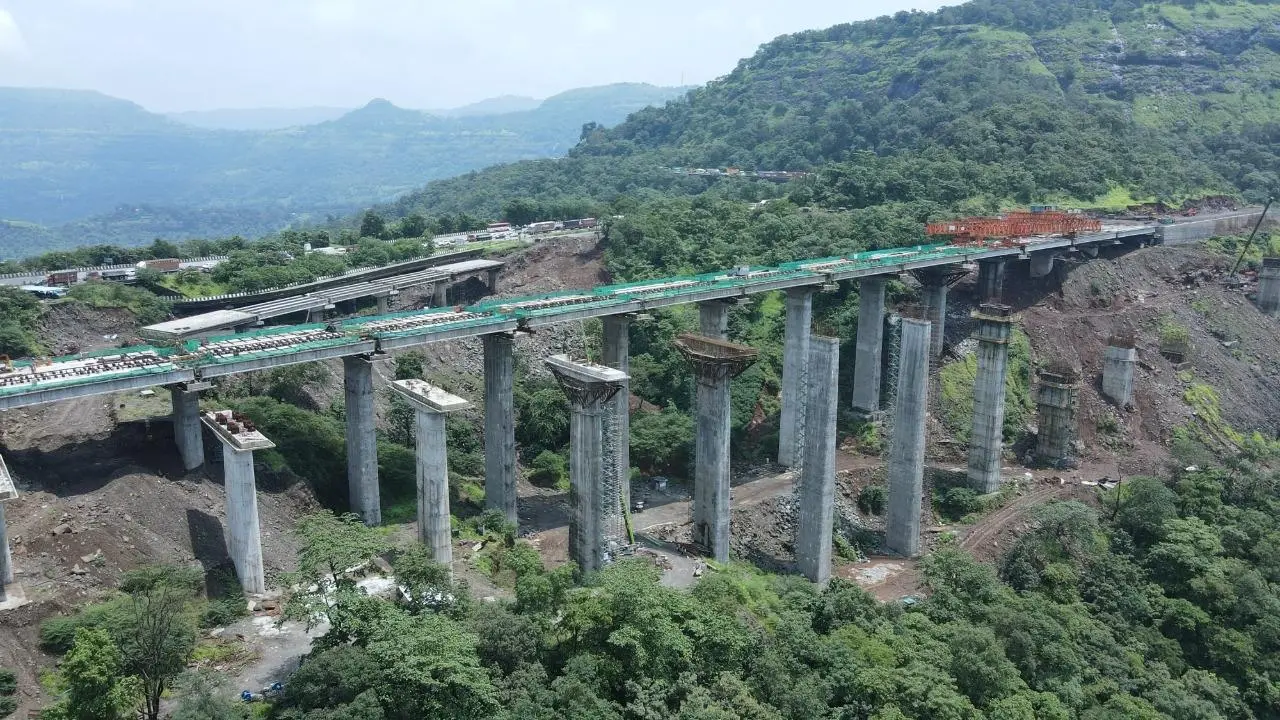
2. Infrastructure as the Backbone of Progress
Infrastructure is the physical manifestation of the Maharashtra Pudhcha vision. The state is currently undergoing a massive logistical overhaul. One of the most significant projects is the expansion of the expressway network. These high-speed corridors are designed to reduce travel time between major production centers and ports.
Official specifications for upcoming projects like the Vadhavan Port indicate it will be among the top 10 largest ports in the world. This port is expected to handle massive cargo volumes, positioning Maharashtra as a central hub in the International North-South Transport Corridor. Additionally, the development of the Delhi-Mumbai Industrial Corridor (DMIC) provides a high-tech backbone for logistical efficiency.
Urban mobility is another critical pillar. The expansion of metro rail networks in cities like Nagpur, Pune, and Thane aims to reduce congestion and carbon emissions. These projects are not just about transport but are designed as transit-oriented development hubs that include commercial and residential spaces. [Link to: Urban Planning Trends in India]
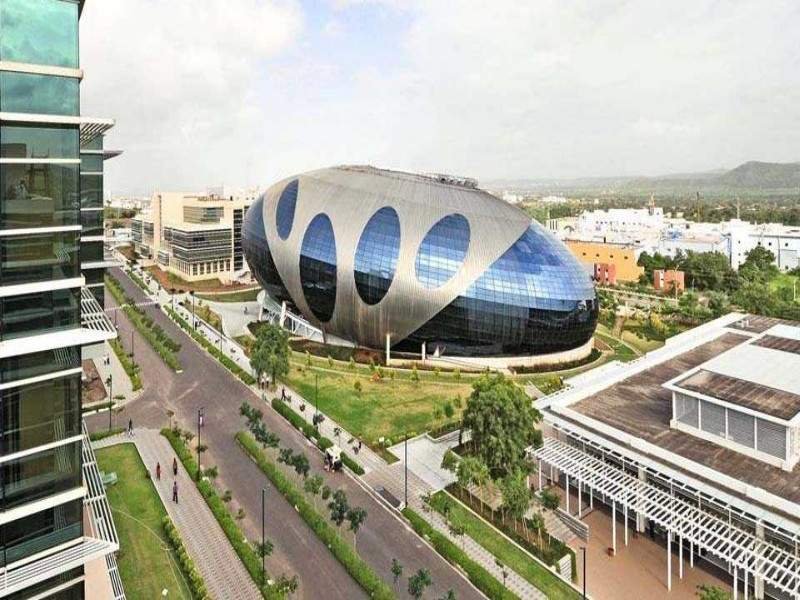
3. Technological Advancement and the Digital Frontier
Maharashtra is rapidly evolving into a global technology hub. Navi Mumbai is emerging as a data center capital, housing some of the largest server farms in Asia. Experts suggest that the state's proactive data center policy has made it a preferred destination for tech giants. This digital infrastructure is essential for the growth of Artificial Intelligence (AI) and cloud computing services.
The state's focus on Fintech (Financial Technology) is centered around Mumbai, which hosts the headquarters of major banks and financial institutions. By fostering a startup-friendly environment, the Maharashtra State Innovative Startup Policy provides financial incentives and incubation support to young entrepreneurs. This ensures that the state remains at the forefront of the Fourth Industrial Revolution.
Education and skill development are being aligned with these technological shifts. Vocational training centers are increasingly focusing on digital literacy, robotics, and sustainable engineering to prepare the workforce for future job markets. [Link to: Skill India Mission Benefits]

4. Agriculture 2.0: Transforming the Rural Economy
For Maharashtra Pudhcha to be truly successful, the agricultural sector must modernize. The state is promoting AgTech solutions to help farmers increase yields and manage water resources efficiently. As per recent agricultural data, the adoption of micro-irrigation systems has significantly improved crop resilience in drought-prone regions like Marathwada and Vidarbha.
The focus is on the following core concepts:
- Value Addition: Establishing food processing units near farms to reduce wastage and increase farmer income.
- Direct Marketing: Creating platforms that allow farmers to sell directly to consumers or large retailers, bypassing traditional middlemen.
- Climate-Resilient Crops: Encouraging the cultivation of millets and other crops that require less water and are high in nutritional value.
According to rural development experts, the integration of solar power in agriculture, such as solar-powered pumps, is reducing the dependency on the traditional power grid and lowering operational costs for small-scale farmers.
5. Sustainable Energy and Environmental Goals
Sustainability is a non-negotiable aspect of future growth. Maharashtra has set ambitious targets for renewable energy capacity. The state is investing heavily in solar parks and wind energy projects. Furthermore, the push for Green Hydrogen is expected to decarbonize heavy industries and public transport.
The Electric Vehicle (EV) Policy of the state is one of the most comprehensive in India. It offers incentives for both manufacturers and buyers, aiming to make Maharashtra a global hub for EV production. This transition is crucial for improving air quality in densely populated urban centers. [Link to: Renewable Energy Goals 2030]
6. Common Challenges and Strategic Solutions
Despite the positive trajectory, certain challenges remain. Urban congestion and the rising cost of living in cities like Mumbai require innovative housing solutions and decentralized urban planning. Experts suggest that developing satellite cities with independent economic ecosystems can alleviate the pressure on existing metros.
Water management is another critical area. The state is focusing on large-scale water grid projects to ensure equitable distribution of water for both industrial and domestic use. Interlinking of rivers and the rejuvenation of local water bodies are part of the long-term strategy to combat climate change impacts.
7. Pro Tips for Stakeholders and Investors
- Monitor Tier-2 Cities: Cities like Nashik, Aurangabad, and Nagpur are the next frontiers for real estate and industrial investment.
- Align with Government Schemes: Businesses should leverage state-specific incentives for green energy and digital innovation.
- Focus on Sustainability: Adopting ESG (Environmental, Social, and Governance) standards is becoming mandatory for accessing global capital.
- Invest in Upskilling: Companies should collaborate with local educational institutes to create a pipeline of skilled labor tailored to their needs.
Frequently Asked Questions (FAQ)
Q1: What is the main goal of the Maharashtra Pudhcha vision?
A1: The primary goal is to transform Maharashtra into a 1 trillion dollar economy by 2030 through industrial growth, infrastructure development, and technological innovation.
Q2: Which sectors are driving Maharashtra's growth?
A2: Key sectors include Information Technology, Fintech, Automobile manufacturing (especially EVs), Pharmaceuticals, and modern Agriculture.
Q3: How is the state improving rural connectivity?
A3: Through projects like the Samruddhi Mahamarg and the development of regional airports, the state is linking rural production centers with global markets.
Q4: What role does Mumbai play in the future vision?
A4: Mumbai continues to serve as the financial and tech anchor, while new projects like the Coastal Road and Trans-Harbour Link enhance its internal efficiency.
Q5: Are there incentives for startups in Maharashtra?
A5: Yes, the state offers various grants, incubation facilities, and intellectual property support through its dedicated startup portal and innovation society.





Comments 0
Leave a Reply
Your email address will not be published. Required fields are marked *
Be the first to share your thoughts!