
Maharashtra Pudhcha: A Comprehensive Vision for the Future of India's Economic Powerhouse
Maharashtra has long been recognized as the industrial and financial engine of India. As the state looks toward the future, the concept of Maharashtra Pudhcha (Future Maharashtra) represents a multi-dimensional strategy aimed at achieving sustainable growth, technological advancement, and social equity. This vision is not merely about incremental progress but involves a structural transformation of the economy and infrastructure to maintain a competitive edge on a global scale.
According to global financial analysts, Maharashtra is positioned to be the first Indian state to target a trillion-dollar economy. This ambition is backed by a robust framework of industrial corridors, a thriving startup ecosystem, and a focus on high-speed connectivity. For residents, investors, and policymakers, understanding the pillars of this future vision is essential to navigating the opportunities that lie ahead.
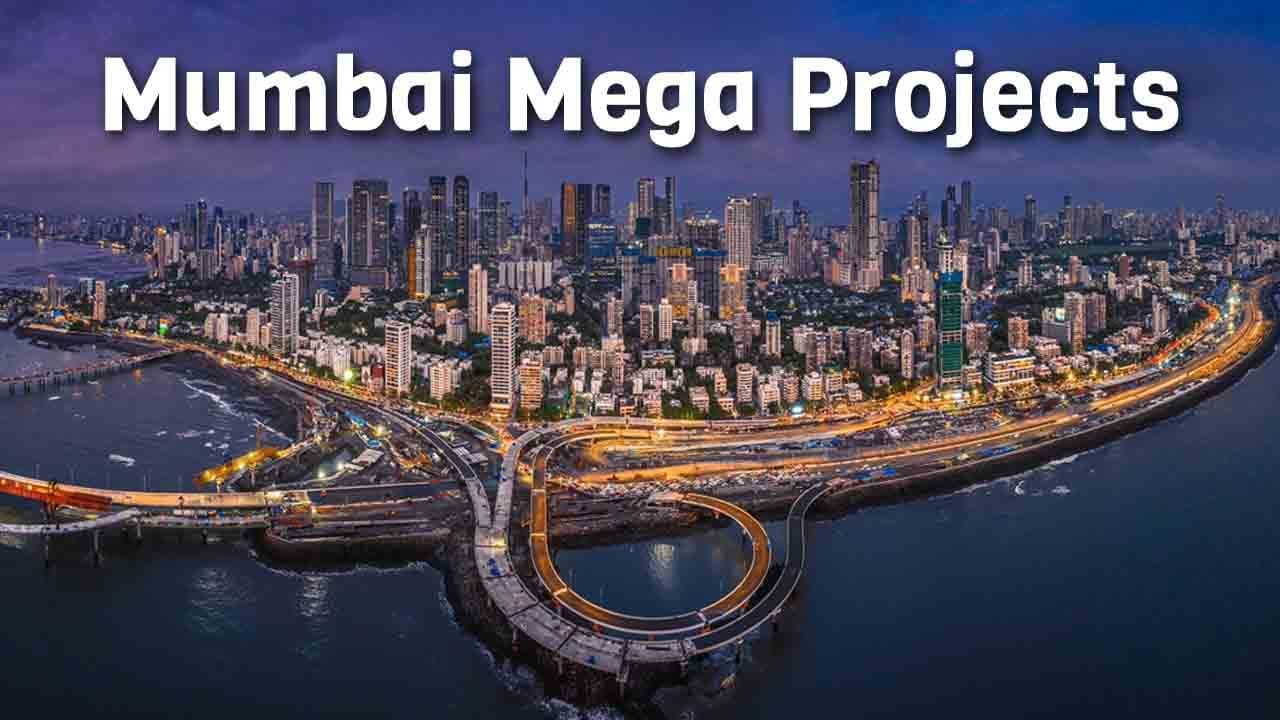
Infrastructure: The Backbone of Future Connectivity
The roadmap for Maharashtra Pudhcha is heavily centered on world-class infrastructure. Experts suggest that the state's focus on multimodal transport will drastically reduce logistics costs and improve the ease of doing business. The integration of road, rail, air, and sea transport is a core component of this strategy.
High-Speed Road Networks
The development of access-controlled expressways is transforming the geography of the state. These projects are designed to connect the hinterlands of Vidarbha and Marathwada with the economic hubs of Mumbai and Pune. By reducing travel time, these corridors enable faster movement of agricultural produce and industrial goods. [Link to: India Infrastructure Development Trends]
Urban Mobility and Metro Expansions
As per recent urban planning reports, the expansion of metro rail networks in cities like Mumbai, Pune, Nagpur, and Thane is critical for sustainable urbanization. These networks are expected to reduce the carbon footprint of major cities while providing efficient transit for millions of commuters. The future of urban Maharashtra lies in transit-oriented development, where residential and commercial hubs are built around these high-capacity transit lines.
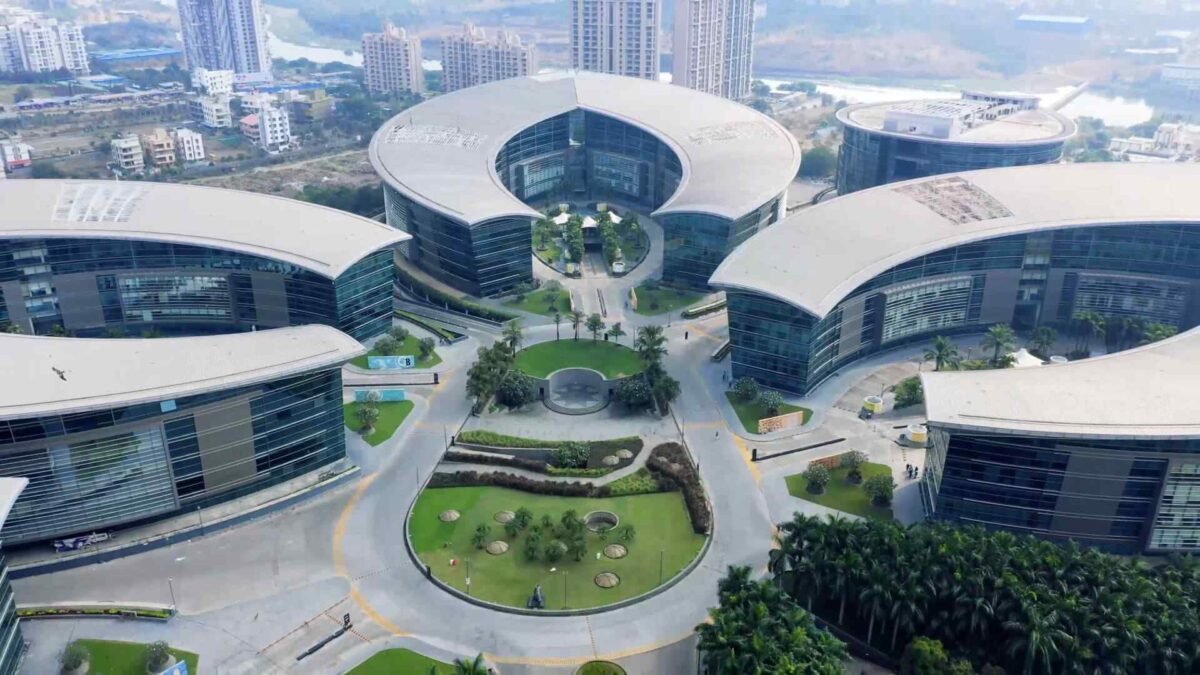
Economic Diversification and the Digital Frontier
While traditional manufacturing remains a strength, the future of Maharashtra is increasingly digital. The state is pivoting toward high-tech sectors such as Fintech, Artificial Intelligence (AI), and Semiconductor manufacturing. According to industry experts, the creation of dedicated tech zones and data centers is positioning the state as a digital gateway for South Asia.
The Rise of Fintech and Data Centers
Mumbai continues to evolve as a global financial center. However, the shift is now toward Fintech solutions that promote financial inclusion. Simultaneously, the state has become a preferred destination for data center investments due to its stable power supply and proximity to undersea cable landings. This digital infrastructure is the foundation upon which the future service economy will be built.
Empowering the Startup Ecosystem
Maharashtra Pudhcha emphasizes the growth of a self-sustaining startup ecosystem. By providing incubation centers and easier access to capital, the state aims to foster innovation in sectors like EduTech, HealthTech, and AgriTech. Experts suggest that the synergy between established industrial houses and agile startups will drive the next wave of economic productivity.
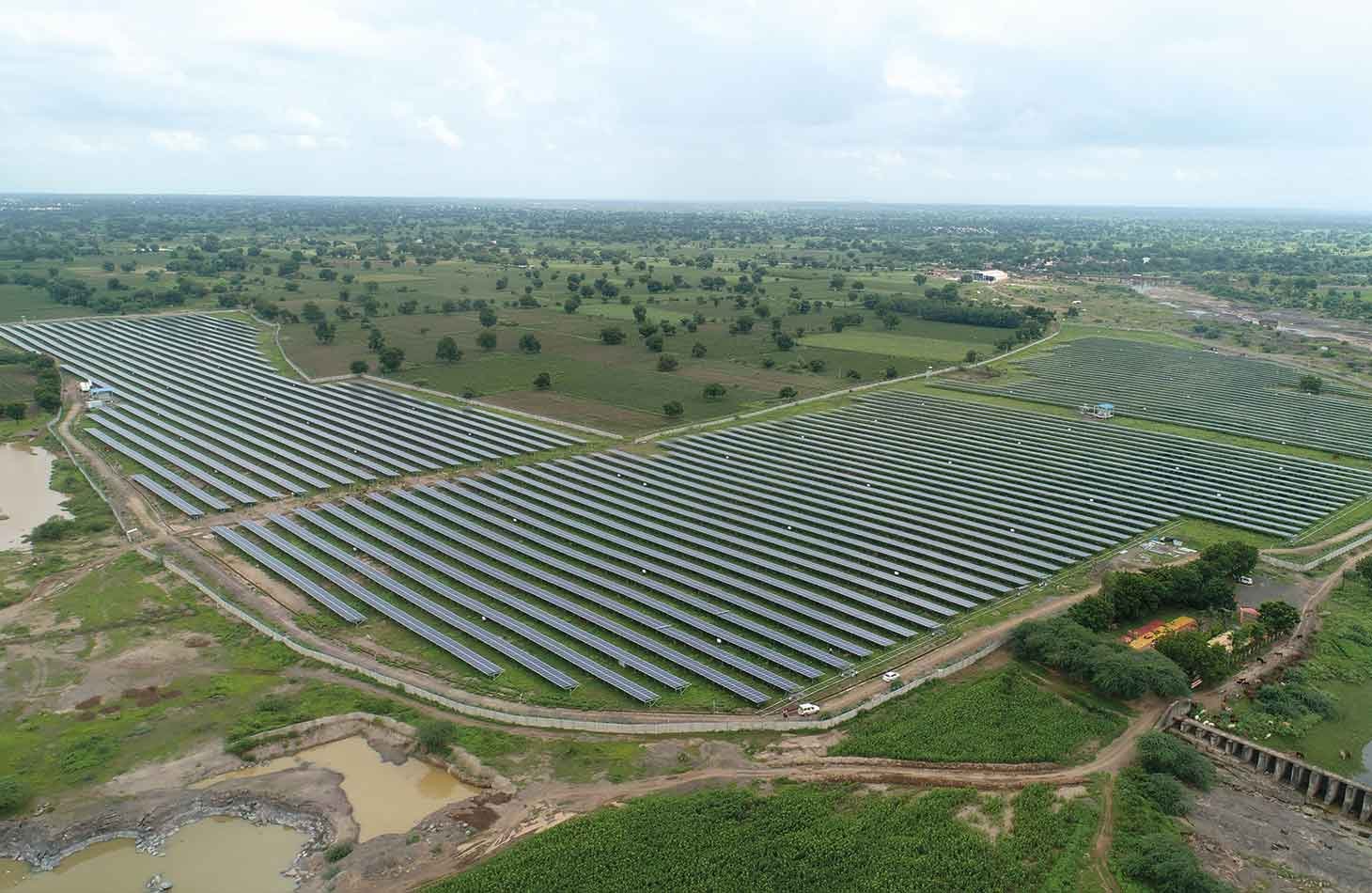
The Green Energy Transition
Sustainability is a non-negotiable aspect of the future roadmap. Industry reports indicate that Maharashtra is aggressively pursuing a transition to renewable energy sources to meet its growing power demands. This shift is guided by the need to balance industrial growth with environmental conservation.
Green Hydrogen and Solar Initiatives
The state is exploring the potential of Green Hydrogen as a clean fuel for heavy industries and transport. Furthermore, large-scale solar parks and rooftop solar incentives are being implemented to decentralize energy production. Experts believe that achieving energy security through renewables will make the state's economy more resilient to global fuel price volatility.
Electric Vehicle (EV) Revolution
Maharashtra is positioning itself as a hub for EV manufacturing and adoption. By creating a robust charging infrastructure and offering incentives for both manufacturers and consumers, the state is leading the transition toward cleaner mobility. This not only reduces urban pollution but also creates new employment opportunities in the high-tech automotive sector. [Link to: Electric Vehicle Adoption in India]
Modernizing Agriculture through Agri-Tech
Despite rapid industrialization, agriculture remains the soul of Maharashtra. The future vision involves transforming traditional farming into a technology-driven, profitable enterprise. According to agricultural scientists, the integration of technology is the key to climate-resilient farming.
- Precision Farming: Using drones and IoT sensors to monitor soil health and optimize water usage.
- Supply Chain Integration: Building cold storage chains and digital marketplaces to ensure farmers get fair prices for their produce.
- Water Management: Implementing large-scale micro-irrigation projects to tackle the perennial challenge of water scarcity in arid regions.
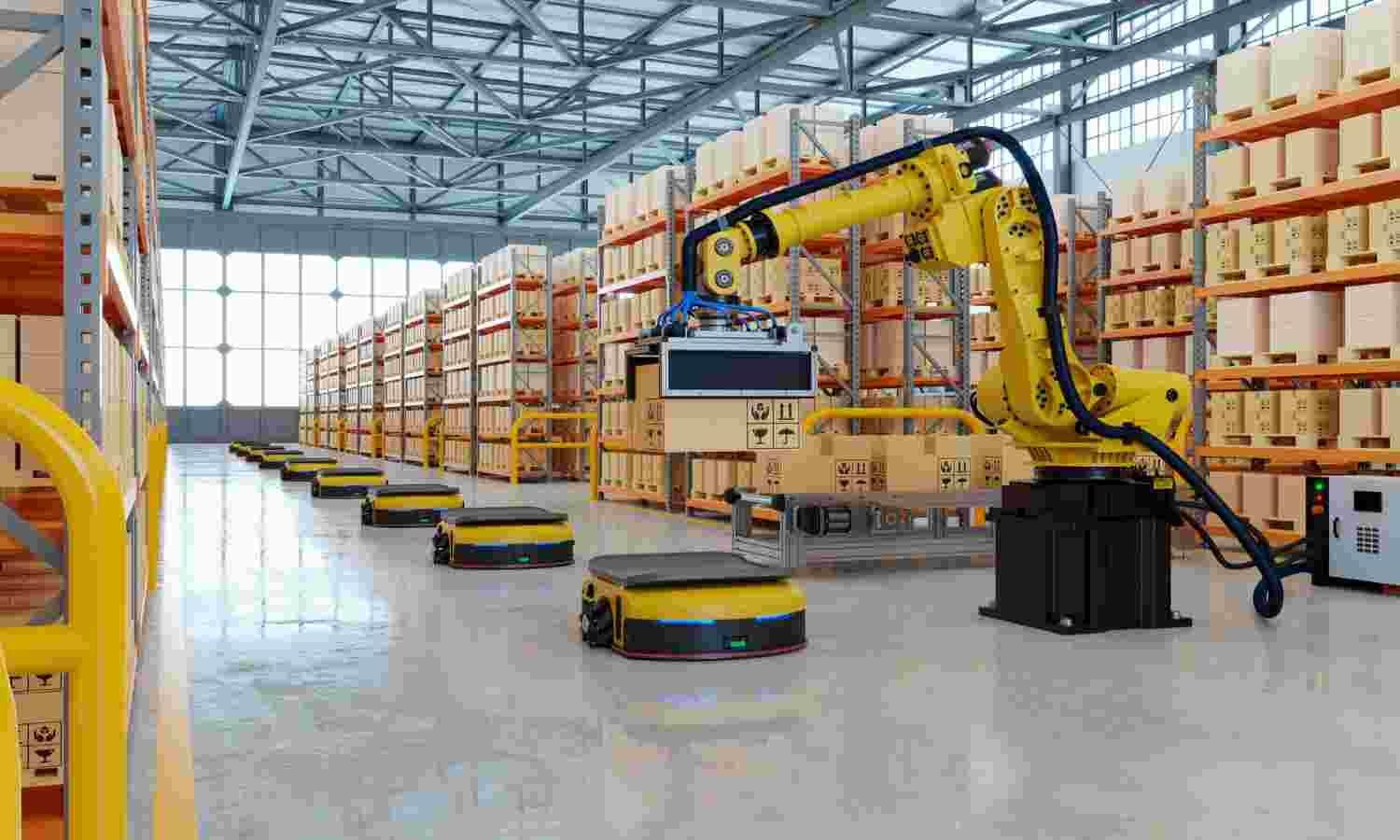
Strategic Pillars for Sustainable Development
To ensure that growth is inclusive and long-lasting, several strategic pillars have been identified by experts in public policy:
- Skill Development: Aligning vocational training with the requirements of Industry 4.0 to create a future-ready workforce.
- Healthcare Excellence: Expanding the network of tertiary healthcare facilities and leveraging telemedicine for rural outreach.
- Quality Education: Upgrading government schools and promoting higher education institutions that focus on research and innovation.
- Balanced Regional Growth: Diverting industrial investments toward underdeveloped regions like Marathwada and Vidarbha to prevent lopsided urbanization.
Common Challenges and Mitigation Strategies
While the vision for Maharashtra Pudhcha is ambitious, several challenges must be addressed. Urban planners often point to the high cost of land and the complexity of urban congestion as significant hurdles. To mitigate these, the state is focusing on developing 'New Towns' and satellite cities that can absorb the population pressure from major metros.
Another challenge is the impact of climate change on agriculture and coastal cities. Experts suggest that building resilient infrastructure, such as sea walls and advanced drainage systems, is essential for long-term stability. Furthermore, the state is focusing on forest conservation and increasing green cover to maintain ecological balance.
Pro Tips for Stakeholders
- For Investors: Look beyond Mumbai and Pune. Emerging cities like Nashik, Aurangabad, and Nagpur offer significant growth potential with lower entry costs.
- For Students: Focus on acquiring digital skills and certifications in emerging technologies like data science and renewable energy management.
- For Entrepreneurs: Leverage the various government schemes and subsidies available for MSMEs and startups in the manufacturing sector.
Frequently Asked Questions
1. What is the primary goal of the Maharashtra Pudhcha vision?
The primary goal is to transform Maharashtra into a trillion-dollar economy through massive infrastructure development, digital transformation, and sustainable industrial growth.
2. How is the state planning to improve rural connectivity?
The state is focusing on access-controlled expressways and the development of the Samruddhi Mahamarg, which connects major ports and cities to rural districts, facilitating faster trade and movement.
3. What role does Green Energy play in Maharashtra's future?
Green energy is central to the state's sustainability goals. This includes a heavy focus on solar power, green hydrogen, and the promotion of electric vehicles to reduce carbon emissions.
4. Are there opportunities for startups in this future roadmap?
Yes, the state offers various incentives, incubation centers, and a favorable policy environment for startups, particularly in the Fintech, Agri-tech, and IT sectors.
5. How will the state address urban congestion?
The strategy includes expanding metro rail networks, building coastal roads, and developing satellite cities to distribute the population more evenly across the state.
Conclusion
The journey toward Maharashtra Pudhcha is a collective effort involving the government, private sector, and the citizens. By focusing on high-speed infrastructure, digital innovation, and sustainable practices, the state is setting a benchmark for the rest of the country. While challenges remain, the strategic roadmap currently in place provides a clear direction for long-term prosperity and global competitiveness. Maharashtra is not just looking at the future; it is actively building it through precision, technology, and inclusive growth.
Takeaway: The future of Maharashtra lies in its ability to blend industrial heritage with cutting-edge technology and sustainable infrastructure to lead India's economic surge.
Lottery and gambling activities involve financial risk. This content is for informational purposes only. Please participate responsibly.





Comments 0
Leave a Reply
Your email address will not be published. Required fields are marked *
Be the first to share your thoughts!