
Maharashtra Pudhcha: Mapping the Future of India's Economic Powerhouse
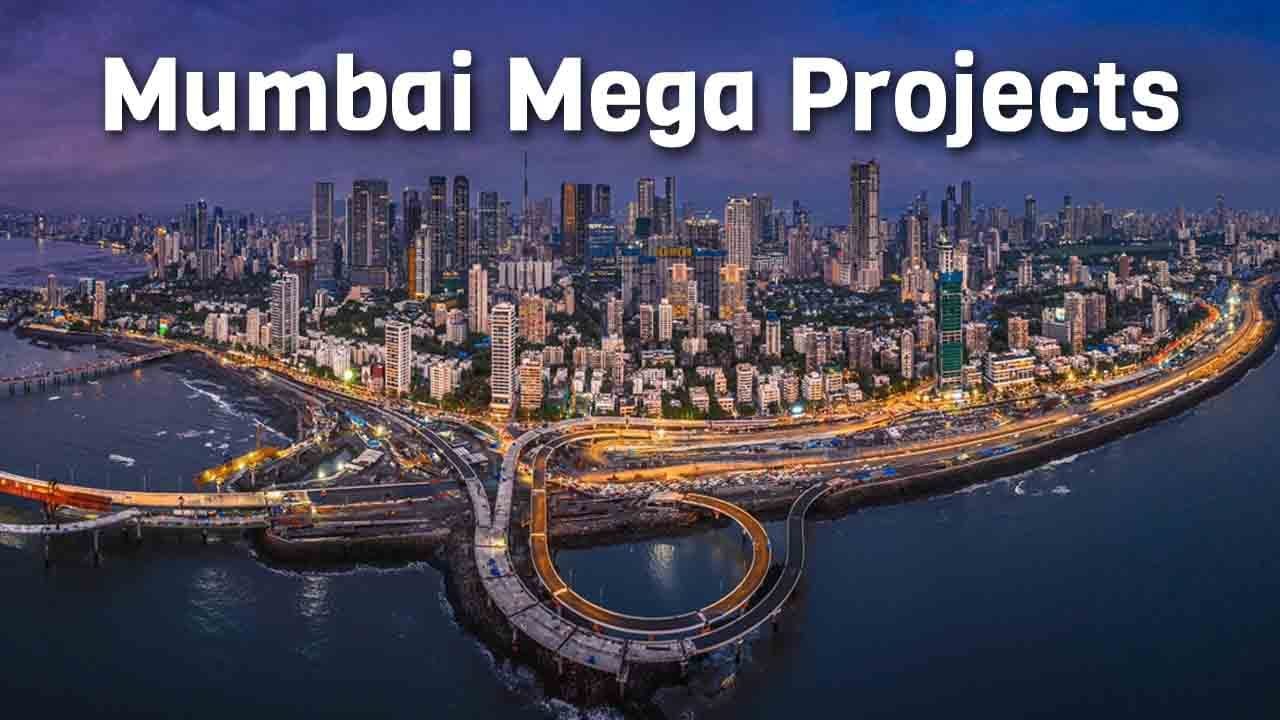
Maharashtra has long served as the industrial and financial engine of India. As the state looks toward the next decade, the concept of Maharashtra Pudhcha (Maharashtra Ahead) represents a comprehensive vision for sustainable growth, technological integration, and social equity. This vision is not merely about increasing the Gross State Domestic Product (GSDP) but about creating a holistic ecosystem where infrastructure, agriculture, and innovation work in harmony. According to global analysts, Maharashtra is positioned to be the first Indian state to reach a 1 trillion dollar economy, provided the current trajectory of industrialization and urban planning continues at its projected pace.
The significance of this transition cannot be overstated. With a population exceeding 120 million and a diverse landscape ranging from the bustling ports of Konkan to the fertile plains of Vidarbha and Marathwada, the state's development model serves as a blueprint for the rest of the country. Experts suggest that the focus on the next phase of growth will shift from traditional manufacturing to high-tech industries, green energy, and decentralized urban development.
The Trillion Dollar Dream: Economic Roadmap
To achieve the ambitious 1 trillion dollar target, the state has adopted a multi-pronged strategy. As per recent industry reports, this involves a significant boost in Foreign Direct Investment (FDI) and a focus on the manufacturing sector under the Make in Maharashtra initiative. The state currently contributes approximately 15 percent to India's national GDP, and the goal is to increase this through the development of specialized industrial zones.
Key pillars of this economic roadmap include:
- Industrial Corridors: The development of the Delhi-Mumbai Industrial Corridor (DMIC) and the expansion of industrial clusters in areas like Chhatrapati Sambhajinagar and Nagpur are designed to decentralize wealth. [Link to: Industrial Clusters in Maharashtra]
- Fintech and Services: Mumbai remains the financial capital, but the vision for the future involves transforming it into a global fintech hub, rivaling cities like Singapore and London.
- Ease of Doing Business: Streamlining regulatory approvals through digital platforms is a core component of the future strategy to attract global giants in electronics and semiconductor manufacturing.
Infrastructure as the Backbone of Progress
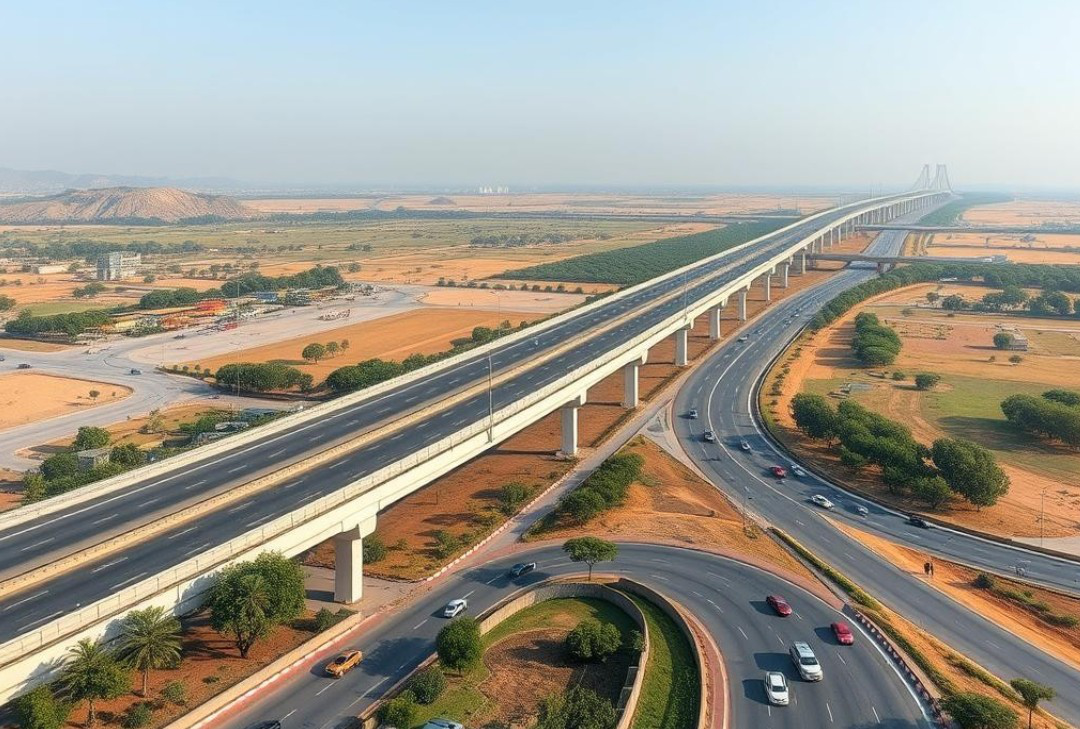
Infrastructure development is the most visible aspect of the Maharashtra Pudhcha vision. Massive projects are currently underway to connect remote regions with major economic centers. According to infrastructure development studies, connectivity is the single most important factor in reducing regional disparities. The Samruddhi Mahamarg, a flagship expressway project, is a prime example of this, linking Mumbai and Nagpur and opening up new opportunities for trade and logistics in central Maharashtra.
Beyond highways, the focus is on multi-modal integration. The expansion of metro networks in Pune, Nagpur, and Thane, alongside the massive Mumbai Metro project, aims to reduce carbon footprints and improve the quality of life for urban residents. Furthermore, the development of the Navi Mumbai International Airport is expected to double the state's air cargo and passenger capacity, making it a critical node in global supply chains. [Link to: Logistics and Warehousing Growth in India]
Modernizing Agriculture for Sustainable Growth
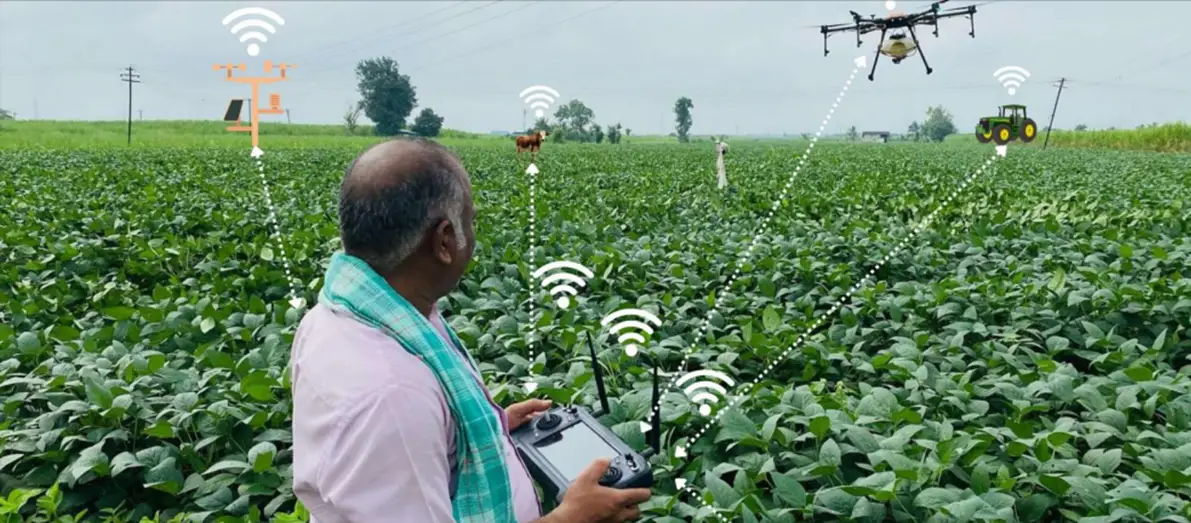
While industry and services drive the GDP, agriculture remains the soul of Maharashtra. The future vision for the state's rural economy focuses on precision farming and climate-resilient techniques. Experts suggest that moving away from water-intensive crops in drought-prone areas and adopting micro-irrigation is essential for long-term sustainability.
The state is investing heavily in food processing units to ensure that farmers get better value for their produce. By creating a direct link between the farm and the market through technology-driven supply chains, the aim is to reduce wastage and increase rural incomes. Official specifications for new irrigation projects highlight the use of automated canal systems and solar-powered pumps to ensure efficient water management.
Technological Advancement and the Digital Economy
The next phase of growth is digital. Maharashtra is already home to some of the largest IT parks in Pune and Mumbai. The vision for Maharashtra Pudhcha includes the expansion of these hubs into Tier-2 and Tier-3 cities. This decentralization of the IT sector is expected to create millions of jobs locally, reducing the pressure on the infrastructure of major metros. [Link to: Digital India Initiatives in Maharashtra]
According to global technology consultants, the integration of Artificial Intelligence (AI) and Internet of Things (IoT) in governance (E-governance) will make public services more transparent and efficient. From land records to healthcare, the digitization of data is a priority to ensure that the benefits of growth reach the last person in the queue.
Renewable Energy and Environmental Sustainability
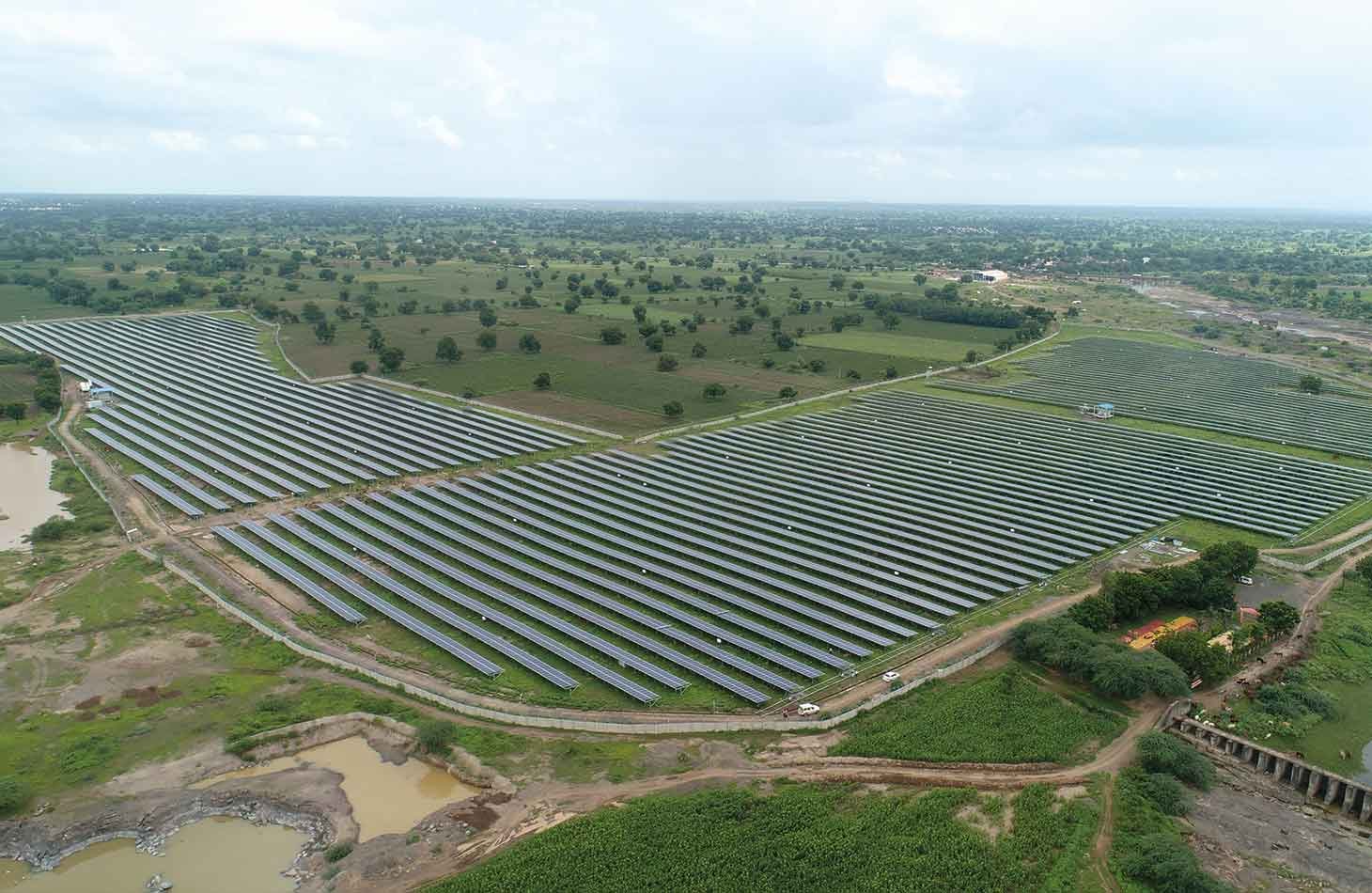
As per recent environmental impact reports, the transition to green energy is no longer optional. Maharashtra is setting ambitious targets for solar and wind energy production. The development of massive solar parks in the Marathwada region and the exploration of green hydrogen as a fuel source are key components of the state's energy policy. The goal is to ensure that industrial growth does not come at the cost of the environment.
Coastal protection and the preservation of the Western Ghats are also central to the future planning process. Urban centers are being encouraged to adopt 'Smart City' protocols that emphasize waste management, water recycling, and the creation of green spaces to mitigate the urban heat island effect.
Real-Life Examples of the Future Vision
To understand what Maharashtra Pudhcha looks like in practice, one can look at the transformation of the Chhatrapati Sambhajinagar (Aurangabad) industrial belt. Once a quiet regional center, it has evolved into a major hub for automotive and engineering industries, attracting investments from global brands. Similarly, the development of the MIHAN project in Nagpur has turned the city into a logistics and cargo powerhouse, demonstrating how strategic planning can revitalize regional economies.
Another example is the use of drone technology in the Konkan region for crop mapping and disaster management. These real-world applications of technology show that the vision for the future is already being implemented on the ground, providing tangible benefits to citizens.
Strategic Advantages of the Maharashtra Pudhcha Vision
- Geographical Location: With a long coastline and major ports like JNPT, Maharashtra serves as the gateway to Indian trade.
- Skilled Workforce: The state boasts a high concentration of educational institutions, producing a steady stream of engineers, doctors, and management professionals.
- Political Stability and Policy Continuity: Consistent industrial policies over the decades have built confidence among global investors.
- Diverse Economy: A balanced mix of agriculture, manufacturing, and services provides resilience against global economic fluctuations.
Common Challenges and Pitfalls to Avoid
While the vision is promising, experts warn of several challenges that could hinder progress if not addressed proactively:
- Urban-Rural Divide: Ensuring that the prosperity of Mumbai and Pune trickles down to the tribal and backward districts remains a significant task.
- Water Scarcity: Maharashtra faces recurring droughts. Without revolutionary changes in water management, agricultural growth will remain stagnant.
- Infrastructure Delays: Large-scale projects often face hurdles in land acquisition and environmental clearances, leading to cost overruns.
- Skill Mismatch: As industries move toward automation, the workforce must be upskilled to remain employable in the new economy. [Link to: Skill Development Programs in Maharashtra]
Pro Tips for Future-Ready Citizens
As the state evolves, individuals can also prepare themselves to benefit from this growth. Experts suggest the following:
- Focus on Digital Literacy: Regardless of the sector, understanding digital tools will be essential for career growth.
- Invest in Sustainable Practices: Whether in business or personal life, adopting eco-friendly habits will align with future regulatory trends.
- Explore Tier-2 Cities: With the decentralization of industries, cities like Nashik, Nagpur, and Solapur offer great opportunities with a lower cost of living.
- Stay Informed on Policy Changes: Keeping an eye on government schemes for startups and MSMEs can provide a competitive edge for entrepreneurs.
Frequently Asked Questions (FAQ)
1. What is the primary goal of the Maharashtra Pudhcha vision?
The primary goal is to transform Maharashtra into a 1 trillion dollar economy by focusing on high-tech industrialization, world-class infrastructure, and sustainable agricultural practices.
2. How will the Samruddhi Mahamarg affect the state's economy?
The expressway significantly reduces travel time between Mumbai and Nagpur, facilitating faster movement of goods, boosting logistics, and creating new economic hubs along the route.
3. Is there a focus on green energy in Maharashtra's future plans?
Yes, the state is prioritizing solar and wind energy, along with exploring green hydrogen, to meet its growing power needs while reducing carbon emissions.
4. How can small businesses benefit from this vision?
Through digital platforms, improved logistics, and specific government incentives for MSMEs, small businesses can access larger markets and improve their operational efficiency.
5. What steps are being taken for the agriculture sector?
The focus is on precision farming, better irrigation management, and the establishment of food processing clusters to increase farmer income and reduce post-harvest losses.
Conclusion
The journey toward Maharashtra Pudhcha is a collective effort involving the government, private sector, and the citizens. By leveraging its historical strengths and embracing the technological shifts of the 21st century, Maharashtra is well on its way to cementing its position as a global economic powerhouse. The focus on infrastructure, sustainability, and inclusive growth ensures that the state's progress is not just fast, but also enduring. As the state moves forward, the integration of innovation with tradition will remain its greatest asset.
Final Takeaway: The future of Maharashtra lies in its ability to balance rapid industrialization with environmental consciousness and rural empowerment.
Lottery and gambling activities involve financial risk. This content is for informational purposes only. Please participate responsibly.





Comments 0
Leave a Reply
Your email address will not be published. Required fields are marked *
Be the first to share your thoughts!