
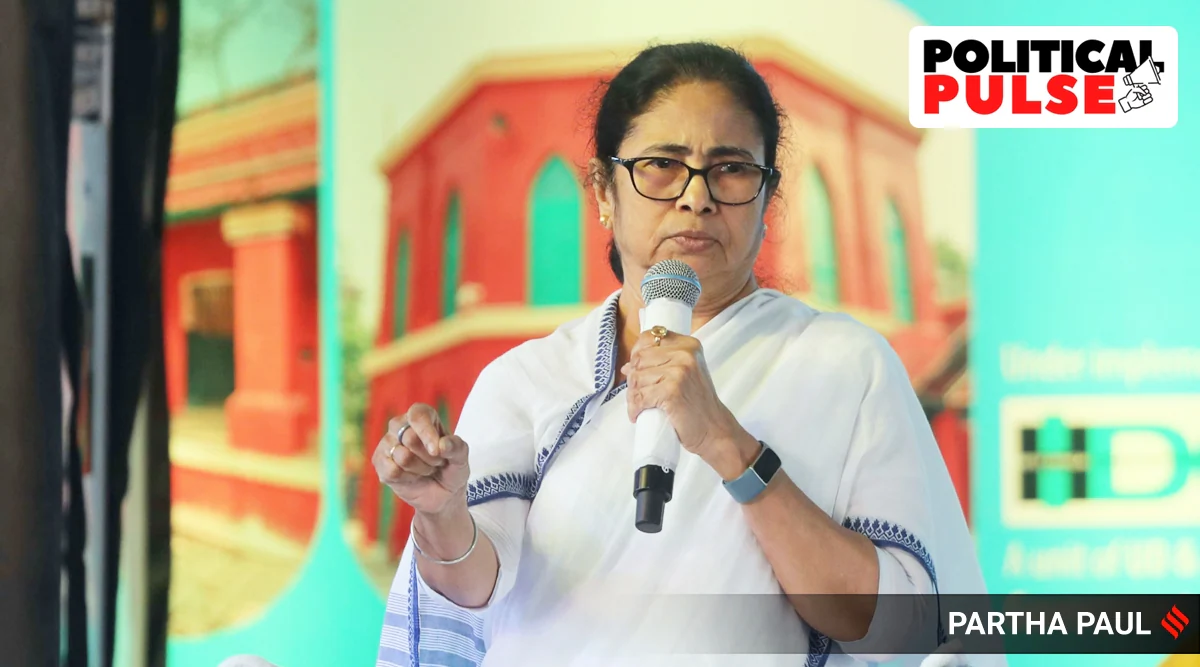
💡 Who is Mamata banerjee?
Explore the life, political career, and governance of Mamata Banerjee, alongside an in-depth look at the constitutional relationship between West Bengal and the Indian Union.
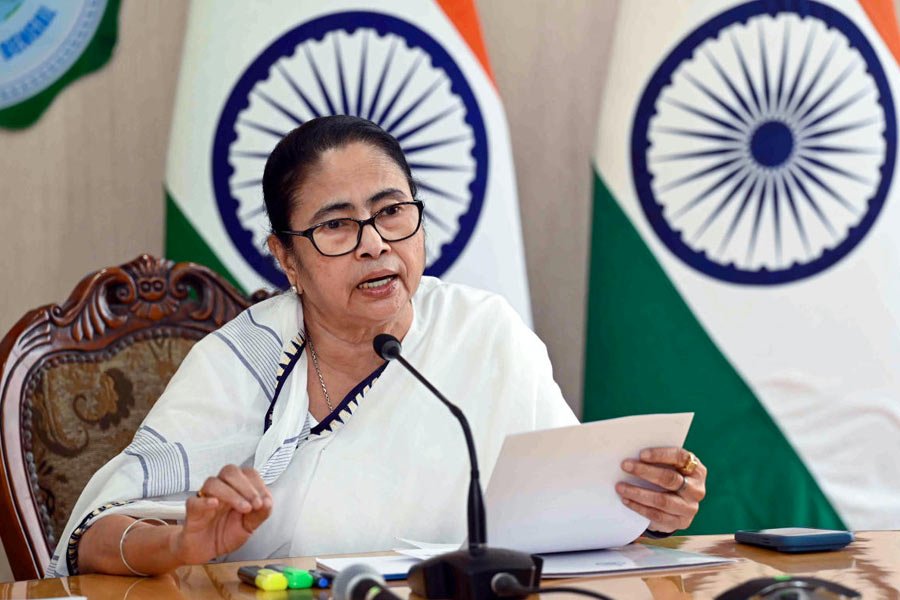
Mamata Banerjee, often referred to by the affectionate moniker Didi (elder sister), stands as one of the most influential and resilient figures in Indian politics. As the first female Chief Minister of West Bengal, her journey from a grassroots activist to a formidable state leader is a testament to her political acumen and populist appeal. According to political analysts, her career represents a significant shift in the landscape of regional politics in India, characterized by a transition from long-standing ideological blocks to personality-driven governance. This article explores the multifaceted life of Mamata Banerjee, her administrative strategies, and the complex constitutional frameworks that govern the relationship between her state and the central government.
Who is Mamata Banerjee?
Born in 1955 in Kolkata, Mamata Banerjee grew up in a lower-middle-class family. Her early life was marked by financial struggles, yet she pursued higher education with vigor, earning degrees in history, Islamic history, and law. Her entry into politics occurred during her college years when she joined the Chhatra Parishad, the student wing of the Indian National Congress. Experts suggest that her humble beginnings played a crucial role in shaping her political identity, allowing her to connect deeply with the rural and urban poor of West Bengal.
Her national breakthrough came in 1984 when she defeated the veteran Communist leader Somnath Chatterjee in the Jadavpur Lok Sabha constituency. This victory established her as a giant killer in Indian politics. Throughout the 1990s, she served in various ministerial capacities at the federal level, handling portfolios such as Human Resource Development, Youth Affairs and Sports, and Women and Child Development. However, her primary focus remained the political landscape of her home state, where she sought to challenge the decades-long dominance of the Left Front.
How was the All India Trinamool Congress (AITC) Formed?
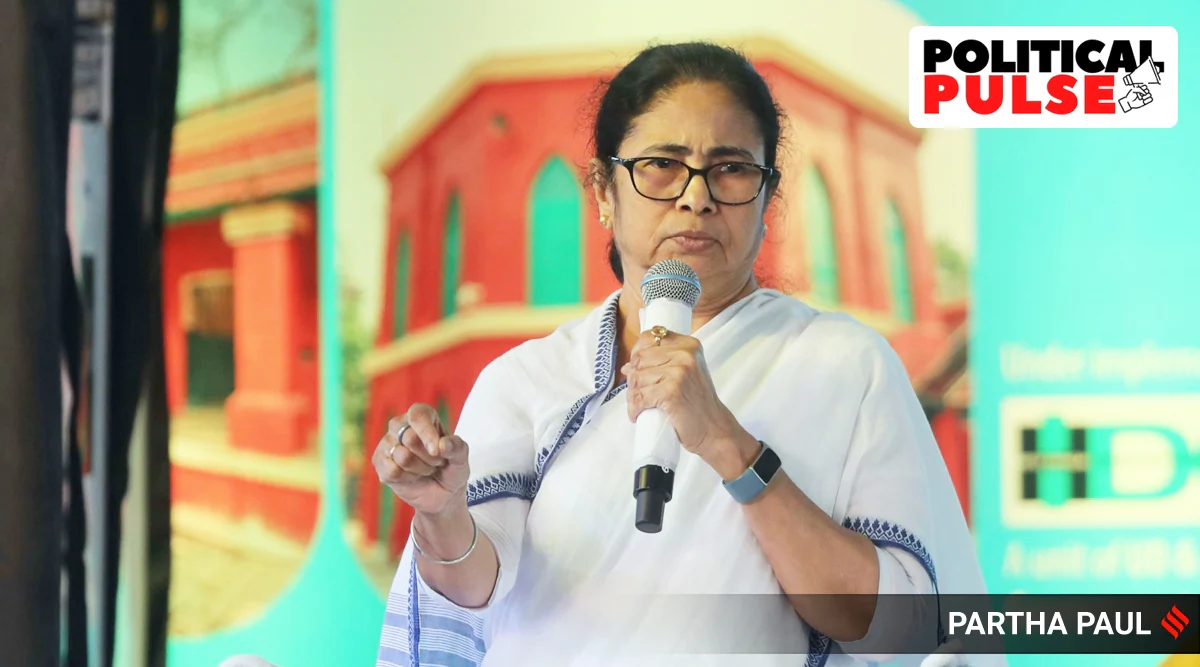
The year 1998 marked a pivotal moment in West Bengal's political history. Disenchanted with the Indian National Congress's perceived soft stance towards the Left Front, Mamata Banerjee broke away to form the All India Trinamool Congress (AITC). The party's symbol, the twin flowers in grass, was designed to represent grassroots connectivity. Political historians observe that the formation of the AITC was not merely a split but a reimagining of the opposition in West Bengal.
For over a decade, the AITC functioned as the primary challenger to the Communist Party of India (Marxist). The turning point for the party came with the anti-land acquisition movements in Singur and Nandigram. These movements, which opposed the forceful acquisition of agricultural land for industrial projects, galvanized the rural masses. According to global analysts, these protests were instrumental in shifting the political tide, leading to the historic 2011 assembly elections where the AITC ended 34 years of Left Front rule.
What is the Significance of Her Governance Model?
Since assuming office in 2011, Mamata Banerjee has implemented a governance model heavily focused on social welfare and direct benefit transfers. Her administration has introduced several flagship schemes that have garnered international recognition. One such program is Kanyashree Prakalpa, a conditional cash transfer scheme aimed at improving the status and well-being of the girl child and preventing child marriage. This initiative received the United Nations Public Service Award, highlighting its global relevance.
Other notable schemes include Lakshmir Bhandar, which provides financial assistance to female heads of households, and Swasthya Sathi, a health insurance scheme. As per recent industry reports, these programs have significantly impacted the socio-economic indicators of the state. However, critics often point to the challenges of industrialization and urban infrastructure development as areas that require further attention. The balance between welfare spending and capital investment remains a key topic of debate among economists specializing in regional development.
How Does Article 356 and President’s Rule Impact State Governance?
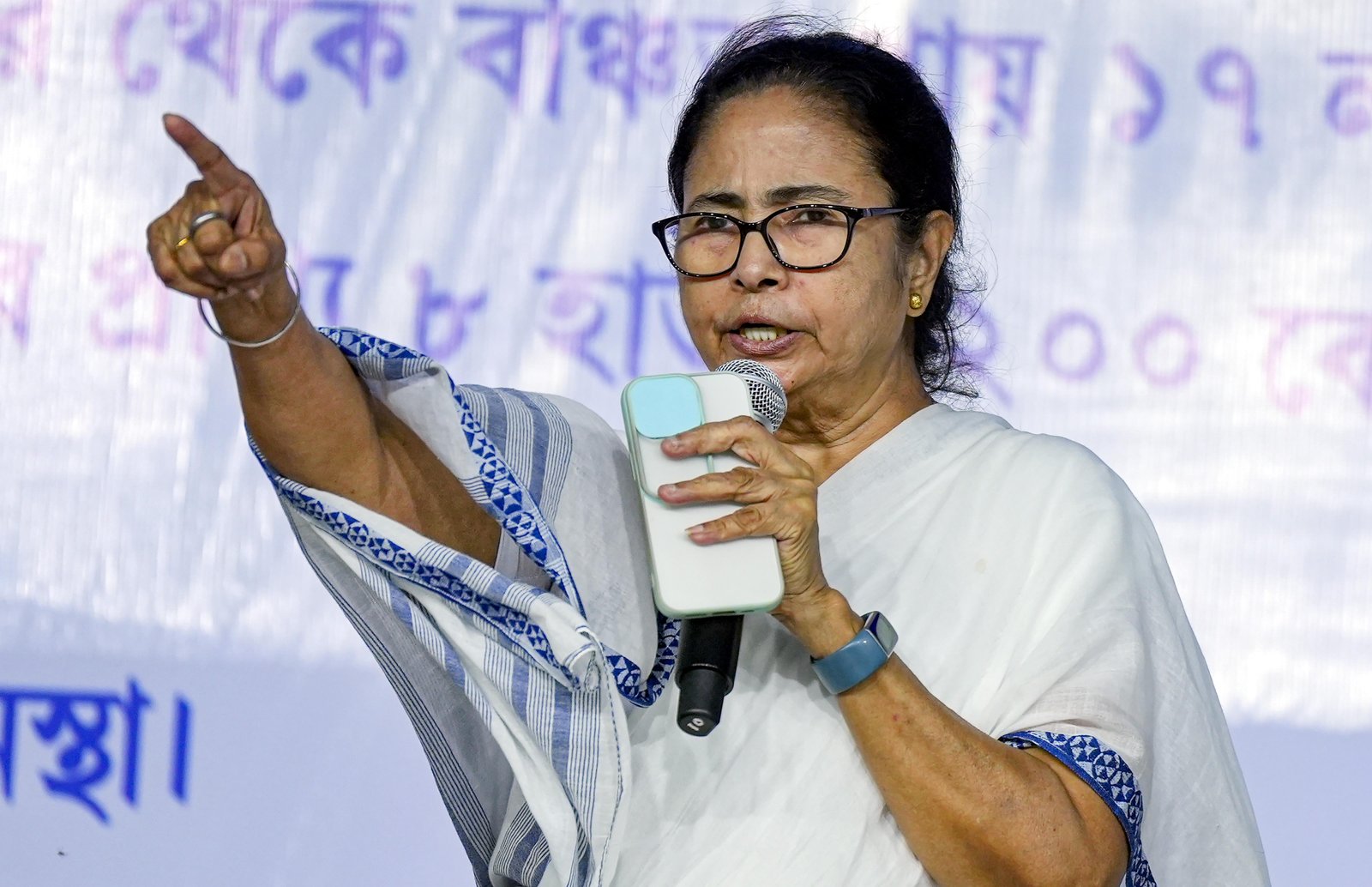
In the context of Indian federalism, the relationship between the state and the center is often subject to constitutional friction. One of the most debated provisions of the Indian Constitution is Article 356, which allows the central government to impose President's Rule in a state if the constitutional machinery breaks down. Constitutional experts suggest that the use of this article is a sensitive matter, as it overrides the democratic mandate of a state government.
In West Bengal, the discourse surrounding President's Rule often arises during periods of intense political rivalry or civil unrest. While the central government may cite law and order concerns, state administrations typically view such discussions as an encroachment on federal autonomy. According to legal scholars, the landmark S.R. Bommai v. Union of India judgment by the Supreme Court has set strict guidelines to prevent the arbitrary use of Article 356, ensuring that the floor test in the assembly remains the primary method for determining a government's legitimacy.
The role of the Governor is also central to this dynamic. As the representative of the President at the state level, the Governor acts as a bridge between the state and the center. In recent years, West Bengal has seen significant friction between the Chief Minister's office and the Raj Bhavan (Governor's house). These disagreements often center on administrative appointments, legislative approvals, and reports on the state's internal security.
What are the Core Challenges Faced by the Administration?
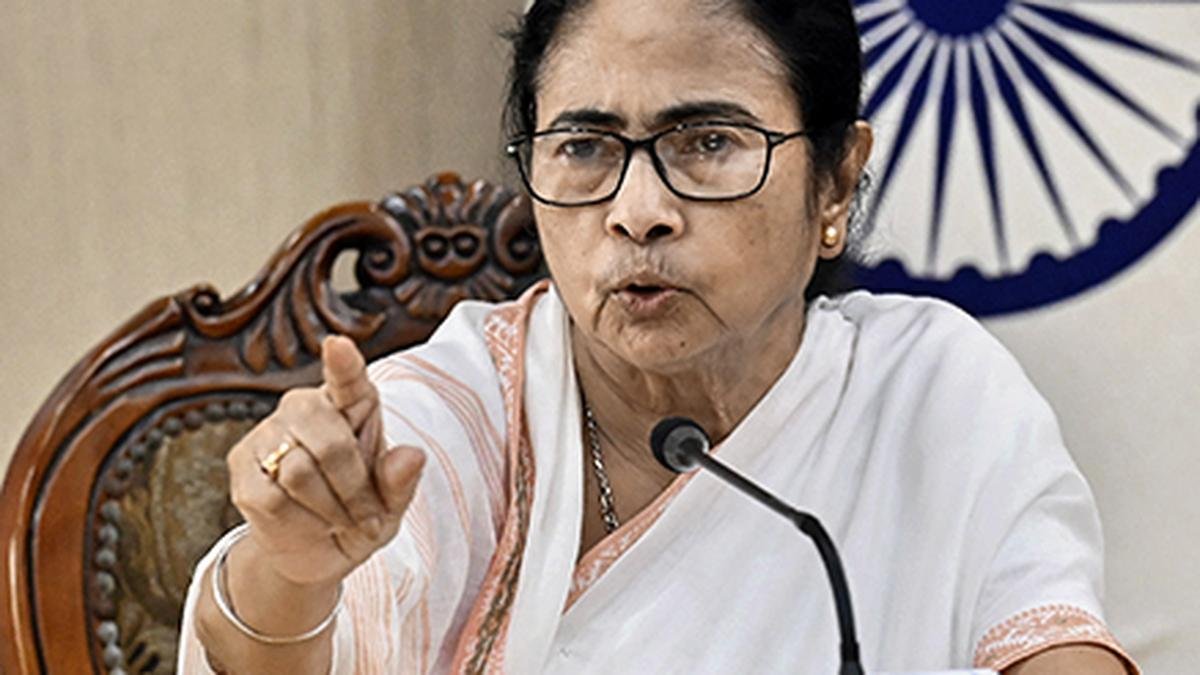
Despite her political dominance, Mamata Banerjee's administration faces several recurring challenges. These include:
- Political Violence: West Bengal has a long history of political clashes. Experts suggest that the deep-rooted party-society culture often leads to friction between rival political cadres during and after elections.
- Economic Diversification: While agriculture remains a stronghold, the state faces the task of attracting large-scale industrial investment to create jobs for the burgeoning youth population.
- Federal Friction: Navigating the relationship with the Union Government, especially regarding GST dues, central fund allocations for schemes, and the role of central investigative agencies, remains a constant struggle.
- Bureaucratic Efficiency: Ensuring that welfare benefits reach the intended recipients without leakage is a logistical challenge that requires constant digital and administrative oversight.
Pro Tips for Understanding West Bengal's Political Landscape
To gain a deeper understanding of the political environment in West Bengal, consider the following expert insights:
- Monitor Grassroots Sentiment: Politics in West Bengal is driven by local-level organization. Understanding the 'Para' (neighborhood) culture is essential to understanding voting patterns.
- Analyze Welfare Data: Look at the reach of schemes like Sabooj Sathi (cycles for students) to gauge the administration's popularity in rural belts.
- Follow Constitutional Debates: Pay attention to the communications between the Governor and the Chief Minister, as these often signal broader shifts in center-state relations.
- Study the Opposition Dynamics: The shift of the opposition space from the Left to other national parties has changed the nature of political discourse in the state.
Frequently Asked Questions
Who is Mamata Banerjee and why is she significant?
Mamata Banerjee is the Chief Minister of West Bengal and the founder of the All India Trinamool Congress. She is significant for ending the 34-year rule of the Left Front in 2011 and for being a prominent female leader in Indian politics who champions regional autonomy and social welfare.
What is the role of the Trinamool Congress in West Bengal?
The Trinamool Congress (TMC) is the ruling party in West Bengal. It focuses on a populist agenda, emphasizing rural development, women's empowerment, and the protection of regional cultural identity.
How does the Indian Constitution define the relationship between the State and the Center?
The Indian Constitution follows a federal structure with a unitary tilt. While states have autonomy over subjects like health, education, and law and order, the Union government holds power over national security and finance. Article 356 provides a mechanism for central intervention under specific circumstances.
What are some famous social schemes launched by Mamata Banerjee?
Some of the most well-known schemes include Kanyashree (for girls), Lakshmir Bhandar (financial support for women), Khadya Sathi (food security), and Swasthya Sathi (health insurance).
Where does the friction between the state government and the center usually stem from?
Friction often arises from disagreements over the allocation of central funds, the jurisdiction of central investigative agencies, and the role of the Governor in state administration.
Conclusion
Mamata Banerjee remains a central figure in the narrative of modern India. Her ability to navigate the complexities of state governance while maintaining a strong grassroots connection has solidified her position in West Bengal. While challenges regarding industrial growth and constitutional friction with the center persist, her governance model continues to prioritize social safety nets for the marginalized. Understanding her journey and the constitutional framework within which she operates is essential for anyone interested in the evolving dynamics of Indian democracy. As per political observers, the future of West Bengal's politics will continue to be shaped by her unique brand of leadership and the ongoing dialogue between regional aspirations and federal structures.
Related Media
Quick View: Mamata Banerjee: A Comprehensive Analysis of Her Political Journey and the Constitutional Dynamics of West Bengal





Comments 0
Leave a Reply
Your email address will not be published. Required fields are marked *
Be the first to share your thoughts!