
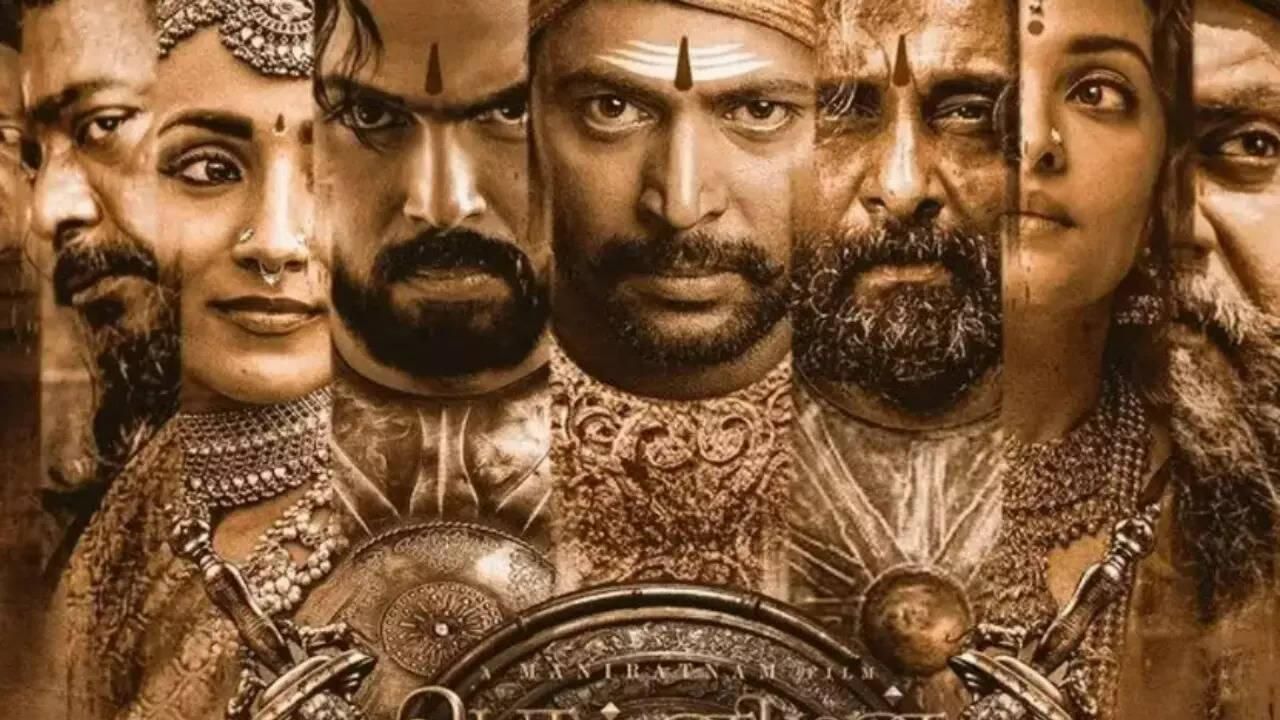
💡 Where is Mani ratnam?
Explore the profound impact of Mani Ratnam on Indian cinema, analyzing his unique directorial style, technical brilliance, and the significance of his latest casting choices.
In the vast and diverse landscape of Indian cinema, few names command as much respect and admiration as Mani Ratnam. A filmmaker who successfully bridged the gap between commercial viability and artistic integrity, Ratnam has spent decades redefining how stories are told on the silver screen. His films are widely seen as masterclasses in visual storytelling, character depth, and thematic complexity. Mani Ratnam is widely regarded as one of the most influential filmmakers in Indian cinema, Mani Ratnam is often credited with ushering in a new era of realism in South Indian cinema, which eventually influenced the national narrative. Understanding his craft requires looking beyond the story and focusing on his visual and emotional techniques.
Who is Mani Ratnam?
Gopala Ratnam Subramaniam, known professionally as Mani Ratnam, is a prolific Indian film director, screenwriter, and producer. While he primarily works in Tamil cinema, his influence extends across the country and the globe. Born into a family with deep roots in film production, Ratnam initially pursued a career in management before the allure of the camera drew him in. Unlike many of his contemporaries who followed traditional apprenticeship routes, Ratnam was largely self-taught, which allowed him to develop a unique aesthetic free from the constraints of established industry norms.
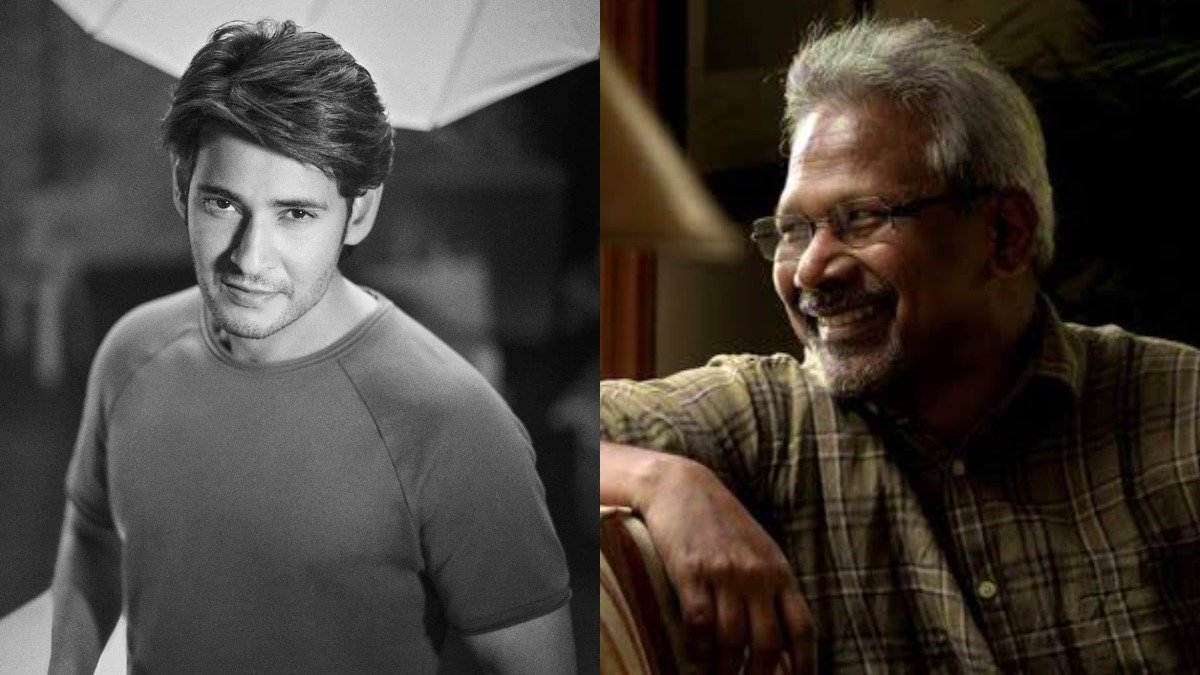
His debut in the 1980s marked a shift in Indian filmmaking. At a time when over-the-top melodrama was the standard, Ratnam introduced a restrained, sophisticated style. Film critics and scholars often highlight that Mani Ratnam brought a new level of realism and emotional depth to Indian cinema, his ability to blend personal human emotions with large-scale political backdrops has become his signature. Whether it is the intimate struggles of a couple or the grand tensions of a nation, he treats every subject with a meticulous eye for detail. This dedication to craft has earned him numerous accolades, including multiple National Film Awards and the Padma Shri, one of India's highest civilian honors.
The Mani Ratnam Aesthetic: Lighting, Sound, and Shadows
One cannot discuss Mani Ratnam without mentioning his technical collaborators, most notably cinematographers like P.C. Sreeram and Santosh Sivan. The Mani Ratnam aesthetic is characterized by a revolutionary use of natural light and shadows. Many critics believe that his films often use silhouettes and reflected light to convey the internal states of his characters. This visual language creates an atmosphere that is both ethereal and grounded in reality.
Sound design and music also play a pivotal role in his storytelling. His long-standing collaboration with composer A.R. Rahman changed the soundscape of Indian cinema forever. Their partnership, which began with the film Roja, introduced global production standards to Indian film music. In a Mani Ratnam film, songs are not mere interludes but essential narrative tools that move the plot forward or provide deep psychological insight into the characters. The integration of sound, from the whispering of wind to the silence between dialogues, is handled with the precision of a conductor.
The Significance of Casting: A Focus on Vijay Sethupathi and Sai Pallavi
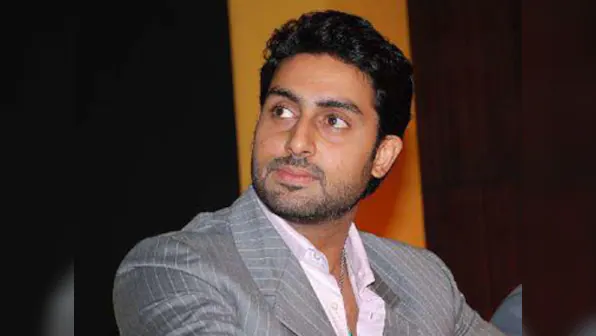
Mani Ratnam has always had a keen eye for talent, often casting actors who can handle the complexity of his scripts. His choices frequently reflect a desire to break stereotypes. The inclusion of actors like Vijay Sethupathi and Sai Pallavi in his projects is a testament to this philosophy. Both actors are known for their naturalistic performances and their ability to disappear into their roles, which aligns perfectly with Ratnam's directorial vision.
Vijay Sethupathi, often referred to as Makkal Selvan, brings a raw, grounded energy to his performances. His versatility allows him to play characters that range from the eccentric to the intensely serious. On the other hand, Sai Pallavi is celebrated for her expressive acting and her refusal to conform to conventional standards of glamour, focusing instead on the authenticity of the character. When a director of Ratnam's caliber chooses such performers, it signals a narrative that will likely prioritize character arcs and emotional resonance over typical cinematic tropes. Film historians observe that Ratnam often extracts career-best performances from his cast by creating an environment where they can explore the vulnerabilities of their characters.
Themes of Politics and Human Relationships
A recurring theme in Ratnam's filmography is the intersection of the personal and the political. He is famous for his political trilogy, which explored the impact of terrorism and civil unrest on the lives of ordinary people. These films did not shy away from difficult questions, yet they remained deeply rooted in human relationships. This duality is what makes his work endure across generations.
- The Human Element: Even in films set against historical or political turmoil, the focus remains on the love, fear, and hope of the individuals involved.
- Realistic Dialogue: Ratnam's characters often speak in short, punchy sentences that mimic real-life conversations, moving away from the poetic but unrealistic monologues of early cinema.
- Urban Sensibilities: He was one of the first directors to authentically capture the lives and aspirations of the middle-class urban youth in India.

Core Concepts of Mani Ratnam's Filmmaking
To truly appreciate the work of this maestro, one must understand the core concepts he employs during the filmmaking process. These are the pillars that support his vast body of work:
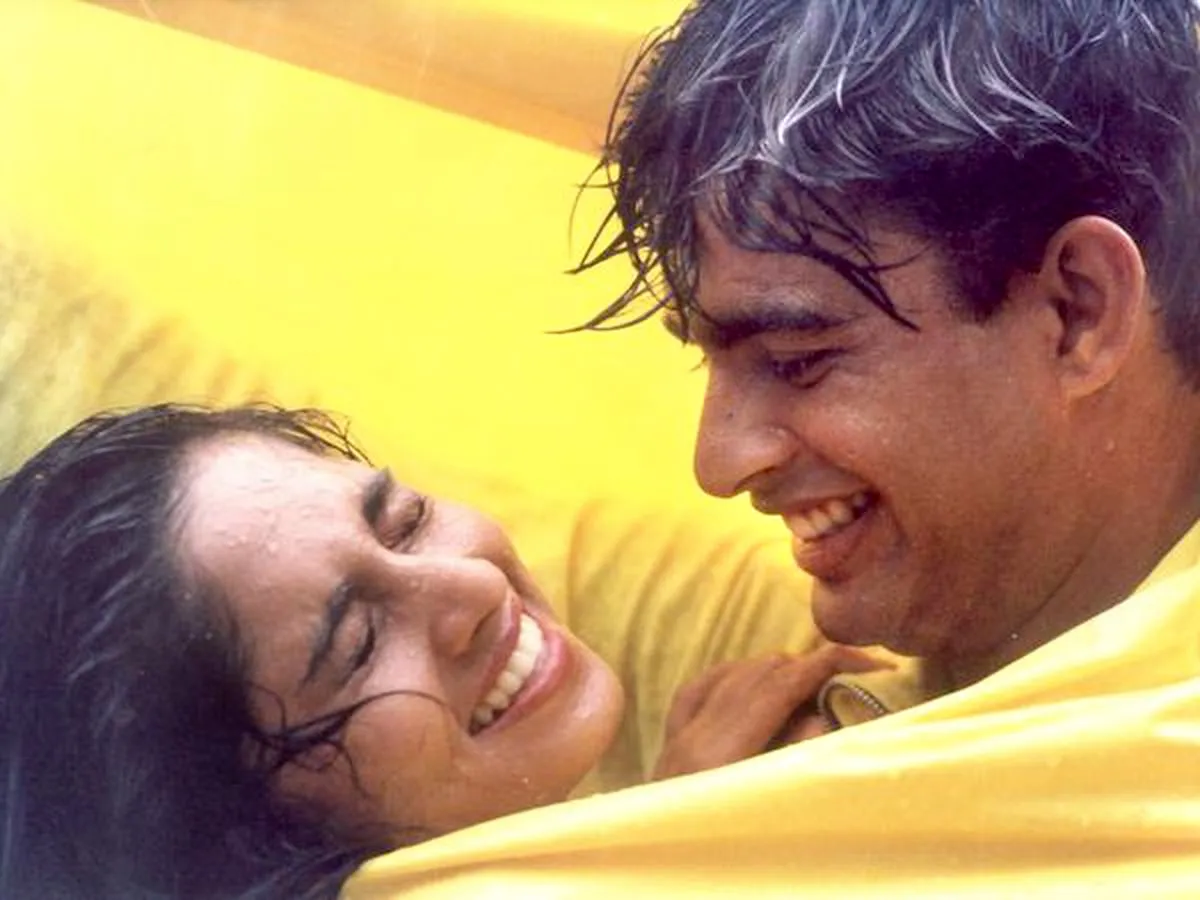
- Visual Metaphors: Ratnam uses the environment to reflect the internal world of his characters. For example, rain often symbolizes cleansing or emotional outbursts, while mirrors are used to show fragmented identities.
- Strong Female Protagonists: His films are noted for their well-defined female characters who possess agency, intelligence, and complex emotional lives. They are rarely just love interests; they are often the moral compass of the story.
- Non-Linear Storytelling: He frequently experiments with time, using flashbacks and parallel narratives to build tension and reveal character motivations gradually.
- Collaborative Spirit: He treats filmmaking as a collaborative art, giving his technicians the freedom to innovate, which results in a cohesive and high-quality final product.
Common Mistakes When Analyzing His Work
Many viewers and critics sometimes fall into traps when interpreting a Mani Ratnam film. One common mistake is focusing solely on the visual beauty while ignoring the underlying social commentary. While his films are undeniably beautiful, the aesthetics are always in service of the story. Another error is comparing his older works too strictly with his newer projects. As an artist, Ratnam has evolved, moving from the intimate dramas of the 90s to the grand historical epics of the 2020s. Many critics believe that each phase of his career should be viewed as a reflection of his changing interests and the evolving landscape of Indian cinema.
Pro Tips for Aspiring Filmmakers Inspired by Mani Ratnam
For those looking to learn from his career, here are some insights derived from his decades of success:
- Prioritize the Script: Ratnam is known for spending years on his scripts. A strong foundation is essential for any visual experimentation.
- Understand Light: Study how natural light changes throughout the day and how it can be used to set a mood without expensive equipment.
- Trust Your Actors: Give performers the space to bring their own interpretations to the role. The best moments often happen in the unplanned nuances.
- Stay Rooted: Tell stories that you understand deeply. Ratnam's best works are those that feel authentic to the culture and people they represent.
Frequently Asked Questions
Who is Mani Ratnam in the context of Indian cinema?
Mani Ratnam is a legendary director known for revolutionizing Indian cinema through his unique visual style, realistic storytelling, and his ability to blend commercial elements with deep artistic themes. He is a bridge between regional Tamil cinema and the national Indian film industry.
What is the Mani Ratnam style of filmmaking?
His style is characterized by the sophisticated use of lighting, particularly natural light and shadows, realistic and crisp dialogue, strong character development (especially for women), and a seamless integration of music and plot.
Why is the collaboration between Mani Ratnam and A.R. Rahman so famous?
Their collaboration is iconic because it introduced a new, global sound to Indian cinema. Starting with the film Roja, they created soundtracks that were not only massive hits but also pushed the boundaries of sound engineering and musical composition in films.
How does Mani Ratnam approach political themes in his films?
He approaches politics through a humanistic lens. Instead of focusing solely on ideologies, he explores how political events, such as riots or wars, affect the personal lives, relationships, and emotions of ordinary individuals.
What makes the casting of Vijay Sethupathi and Sai Pallavi significant in his work?
Casting these actors signifies a commitment to performance-driven storytelling. Both actors are known for their authenticity and versatility, which complements Ratnam's preference for grounded, realistic portrayals over stylized heroism.
Why Mani Ratnam Still Matters Today
Mani Ratnam’s films continue to connect with audiences because they balance strong storytelling with emotional depth. Even today, his style influences new filmmakers, especially in how they use music, visuals, and realistic characters to tell meaningful stories.
Conclusion
Mani Ratnam remains a titan of Indian cinema because he never stopped evolving. His ability to adapt to changing technologies and audience sensibilities while maintaining his core artistic values is a rare feat. By focusing on the intricacies of the human heart and the visual power of the medium, he has created a body of work that will be studied for generations to come. Whether he is working with seasoned veterans or the brightest stars of the current generation, his vision remains clear, uncompromising, and deeply moving.
Related Media
Quick View: The Cinematic Legacy of Mani Ratnam: Decoding the Visionary Style of India's Master Storyteller





Comments 0
Leave a Reply
Your email address will not be published. Required fields are marked *
Be the first to share your thoughts!