💡 Associate Cricket Powerhouses: A Comprehensive Comparison of Namibia and Scotland’s National Teams
A deep dive into the rivalry, tactical styles, and growth of Namibia and Scotland, the two most successful Associate nations in modern cricket.
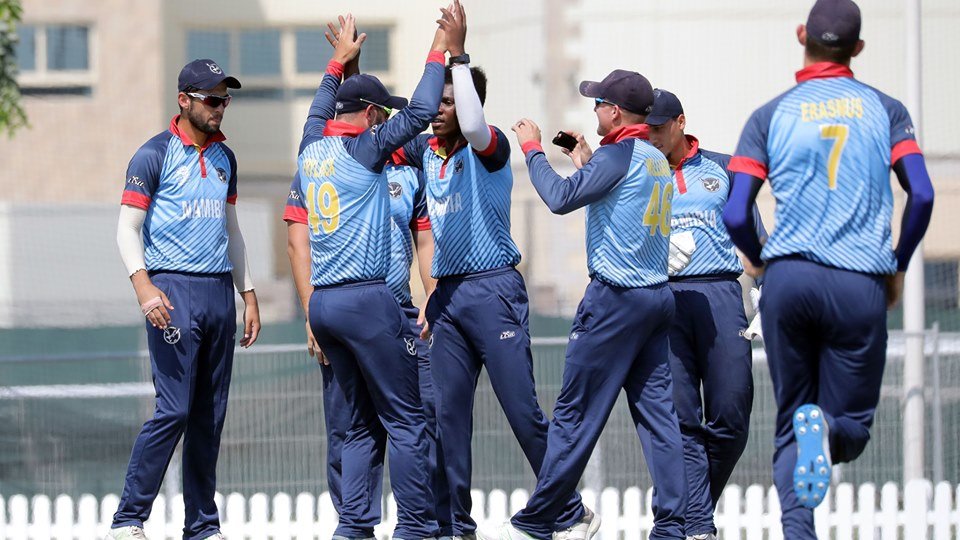
Namibia and Scotland are currently the two most consistent and formidable Associate nations in international cricket, frequently challenging Full Member teams in ICC World Cups. While Scotland boasts a longer history and a sophisticated batting culture rooted in European conditions, Namibia has built its success on a high-performance professional model and a core of versatile all-rounders suited for bouncy, dry tracks. Both teams have successfully transitioned from being regional participants to regular competitors on the global stage, representing the highest standard of cricket outside the traditional Test-playing nations.
The Rising Influence of Namibia and Scotland in Global Cricket
For years, the gap between 'Associate' teams and 'Full Members' was a chasm. However, Namibia and Scotland have effectively closed that gap. In the modern era, these two nations are no longer just there to make up the numbers; they are genuine threats. Scotland’s famous victory over England in 2018 and Namibia’s historic run to the Super 12s in the 2021 T20 World Cup proved that these teams possess the tactical maturity to compete with the world’s best. For fans in cricket-crazy regions like India, these teams have become the 'giant killers' of major tournaments.
Historical Evolution: From Regional Competitors to World Cup Regulars
Scotland’s cricket journey is one of steady, long-term growth. Having joined the ICC in 1994, they quickly became the dominant force in Europe. Their path has been defined by consistent participation in the 1999, 2007, and 2015 ODI World Cups. They have focused on building a sustainable domestic structure that mirrors the English county system, which has provided a steady stream of technically sound players.
Namibia’s rise is perhaps more dramatic. After a solitary appearance in the 2003 World Cup, the 'Eagles' spent nearly two decades in the wilderness of lower-division cricket. Their resurgence over the last five years is a result of a centralized contract system and a focused high-performance program. Unlike many Associate nations that rely on expatriate talent, Namibia has focused heavily on developing local players, creating a tight-knit squad with a distinct national identity.
Tactical Identities: Contrasting Playing Styles and Technical Approaches
The tactical differences between the two sides are largely dictated by the environments in which their players grow up. Scotland plays a brand of cricket that emphasizes discipline and technique. Their batters are excellent at playing the moving ball, a necessity in the swing-friendly conditions of Edinburgh. Their bowling attack focuses on 'metronomic' seam and swing, looking to dry up runs and force errors.
Namibia, by contrast, plays a more 'African' style of cricket—aggressive, athletic, and reliant on raw power. Because they play at high-altitude venues like Windhoek, their bowlers are accustomed to extracting bounce and pace even on flat decks. Namibia’s greatest strength is their abundance of all-rounders. Having players who can contribute in all three departments allows them to bat deep and maintain a high intensity in the field.
Head-to-Head Analysis: Statistical Breakdown of Key Encounters
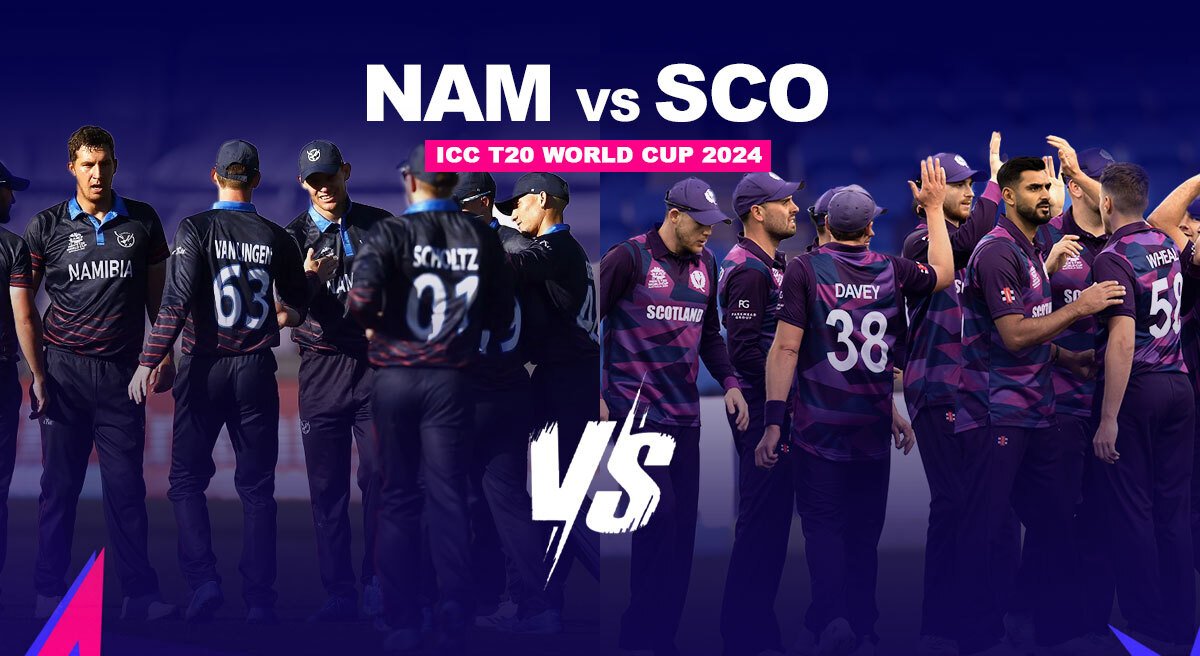
When these two meet, the contests are usually tight. In One Day Internationals (ODIs), particularly in the ICC Cricket World Cup League 2, Scotland has historically held a slight edge due to their superior middle-order stability. However, in the T20 format, Namibia’s explosive style often levels the playing field.
Statistical trends show that Scotland tends to win matches where they can bat first and set a target, utilizing their scoreboard pressure tactics. Namibia, on the other hand, excels in chases where their power-hitters can target specific overs. The rivalry is characterized by a mutual respect, as both teams recognize each other as the primary hurdle to gaining Full Member status.
Key Personnel: Comparing the Impact Players and Captaincy Styles
The leadership of Gerhard Erasmus (Namibia) and Richie Berrington (Scotland) defines their respective teams. Erasmus is often cited as one of the most tactically astute captains in Associate cricket. He leads from the front, often playing anchor roles with the bat and chipping in with crucial wickets. His leadership style is intense and emotionally driven.
Richie Berrington brings a calmer, more calculated approach to the Scottish side. Having taken over the reins from Kyle Coetzer, Berrington focuses on process and execution. In terms of impact players, Namibia relies heavily on the 'big game' temperament of players like David Wiese (though nearing the end of his career) and JJ Smit. Scotland counters this with the explosive opening stands of George Munsey and the reliable wicket-taking ability of Mark Watt, whose unconventional left-arm spin is a nightmare for most batters.
Home Ground Advantage: Windhoek vs. Edinburgh
The conditions at The Wanderers in Windhoek and The Grange in Edinburgh could not be more different. Windhoek sits at an altitude of over 1,500 meters. The air is thin, the ball travels further, and the pitches are generally hard and abrasive. This favors Namibia’s hit-the-deck bowlers and power hitters.
In contrast, The Grange often features lush green outfields and overhead clouds. The ball swings for longer periods, and the pitches offer more for the traditional seam bowler. This has shaped Scotland into a team that prizes defensive technique and swing bowling. When Namibia travels to Scotland, they often struggle with the lack of bounce; when Scotland travels to Namibia, they often struggle with the heat and the lack of lateral movement.
Development Pipelines: Domestic Structures and Professionalism
Scotland benefits from a robust club cricket culture and proximity to the English County Championship. Many Scottish internationals play for English counties, providing them with exposure to high-level professional cricket daily. This has created a deep talent pool, particularly in the batting department.
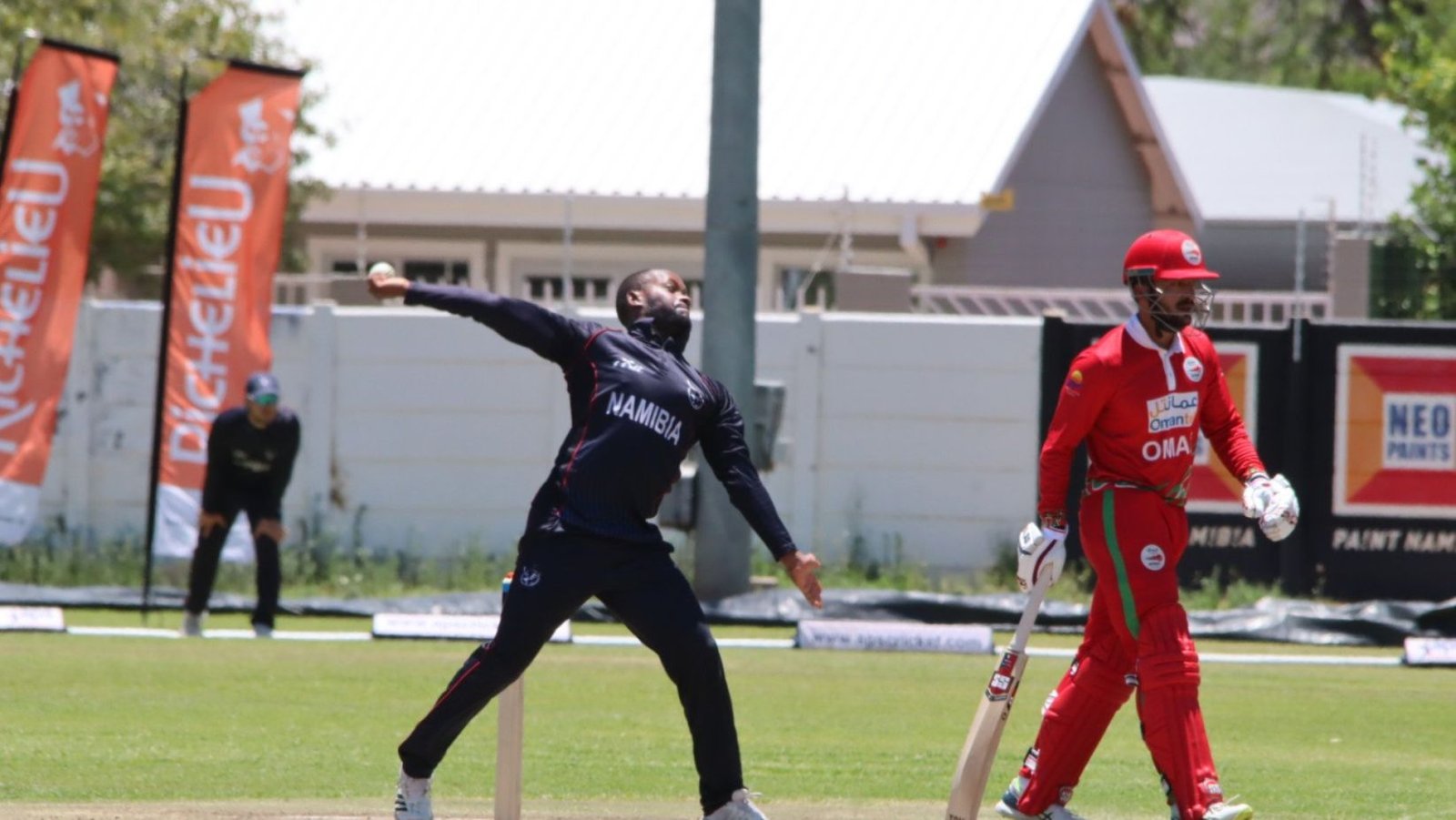
Namibia’s pipeline is smaller but more concentrated. With a smaller population, Cricket Namibia has focused on a 'quality over quantity' approach. They have a highly professional academy and a domestic T20 league (the Castle Lite Series) that invites foreign teams, giving local players exposure to international standards without leaving home. This centralized model ensures that the national coaching staff has direct contact with every potential international player.
The Road Ahead: Future Prospects and ICC Rankings
The ultimate goal for both nations is achieving Test status or, at the very least, becoming permanent fixtures in the ICC's top 10 rankings. Scotland is currently pushing for more bilateral series against Full Members like Ireland and Afghanistan. Namibia is focused on maintaining their dominance in the African region while expanding their infrastructure to host more high-profile tournaments.
As the T20 World Cup expands to 20 teams, both Namibia and Scotland are virtually guaranteed spots, provided they maintain their current trajectories. The challenge now is moving beyond the 'Associate' label and consistently beating 'Top 8' nations on a regular basis.
Frequently Asked Questions
1. Are Namibia and Scotland Full Members of the ICC?
No, both are currently Associate Members. This means they do not play Test matches and rely on qualifying tournaments for World Cup spots, though they hold permanent ODI status.
2. Which team has a better record in World Cups?
Scotland has qualified for more World Cups historically, but Namibia achieved a significant milestone by reaching the Super 12 stage in their debut T20 World Cup in 2021, a feat Scotland also matched in the same tournament.
3. Can players from these teams play in the IPL?
Yes. Players like David Wiese (Namibia) have played in the IPL. As Associate players' profiles rise, more scouts are looking at talent from both Scotland and Namibia for global T20 leagues.
4. What is the main difference in their bowling attacks?
Scotland relies more on swing and spin (Mark Watt, Chris Sole), while Namibia’s attack is built on pace, bounce, and left-arm variety (Ruben Trumpelmann, JJ Smit).
5. How do these teams qualify for the World Cup?
They usually qualify through regional qualifiers (Europe for Scotland, Africa for Namibia) or by finishing in the top positions of the ICC Cricket World Cup League 2.
Conclusion
The rivalry between Namibia and Scotland is a testament to the growth of cricket outside its traditional boundaries. While Scotland represents the peak of technical, disciplined Associate cricket, Namibia embodies the spirit of athletic, high-performance evolution. As both teams continue to professionalize and gain experience against elite opposition, they serve as the blueprint for other developing nations. Their encounters remain some of the most competitive and tactically interesting matches in the international cricket calendar, proving that the 'Associate' label is quickly becoming a mark of high-quality, resilient sport.





Comments 0
Leave a Reply
Your email address will not be published. Required fields are marked *
Be the first to share your thoughts!