💡 Decoding the NBA Schedule: A Comprehensive Guide to the Season Calendar and Structure
Understand the complexity of the NBA's 82-game season, from divisional matchups and the NBA Cup to playoff seeding and player wellness logistics.
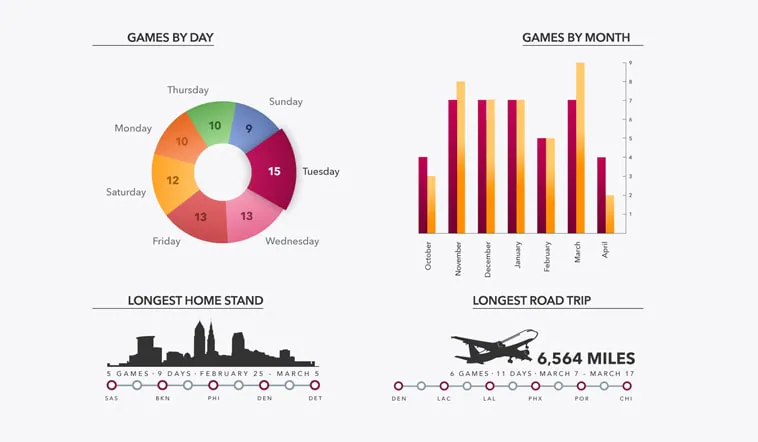
The NBA schedule is a meticulously crafted 82-game regular season for each of the league's 30 teams, designed to balance competitive fairness, travel logistics, and broadcast revenue. This structure results in a total of 1,230 games played from late October to mid-April, followed by the Play-In Tournament and the NBA Playoffs. The calendar ensures every team plays every other team at least twice—once at home and once on the road—while prioritizing matchups within the same conference and division to determine postseason seeding.
The Complexity Behind the 1,230-Game Marathon
Creating the NBA schedule is often described as solving one of the world's most difficult puzzles. The league must account for arena availability (often shared with NHL teams or concert tours), player rest requirements, and the demands of national television partners. Each team plays 82 games over approximately 175 days. This high-density calendar is designed to test the depth and endurance of a roster, making the regular season a true marathon rather than a sprint.
The Architecture of an 82-Game Season: How Matchups are Determined
While 82 might seem like an arbitrary number, the breakdown of who plays whom is governed by a strict formula. This ensures that teams in the same division face each other more frequently, fostering regional rivalries that drive fan interest.
- Divisional Opponents: Each team plays the four other teams in its division four times per year (2 home, 2 away), totaling 16 games.
- Conference Opponents: Teams play the other 10 teams in their conference either three or four times. The specific rotation changes annually to ensure fairness over a multi-year cycle, totaling 36 games.
- Inter-Conference Opponents: Every team plays all 15 teams from the opposing conference twice (1 home, 1 away), totaling 30 games.
From Tip-Off to the Larry O'Brien Trophy: Key Milestones in the NBA Calendar
The NBA season follows a predictable rhythm that fans can track through several high-profile milestones. Understanding these markers helps fans know when the intensity of the games is likely to pick up.
- Opening Night (October): Usually featuring the defending champions and high-market rivalries.
- Christmas Day Games: A showcase of the league's biggest stars and most popular teams, often serving as the unofficial start of the season for casual viewers.
- The All-Star Break (February): A week-long hiatus from the regular season where the league’s best talent gathers for the All-Star Game and various skills competitions.
- The Trade Deadline: Occurring shortly after the All-Star break, this is the final day teams can exchange players to bolster their rosters for a playoff run.
- The Play-In Tournament (April): A four-team mini-tournament in each conference to determine the final 7th and 8th seeds for the playoffs.
The Evolution of the NBA Cup: Integrating the In-Season Tournament
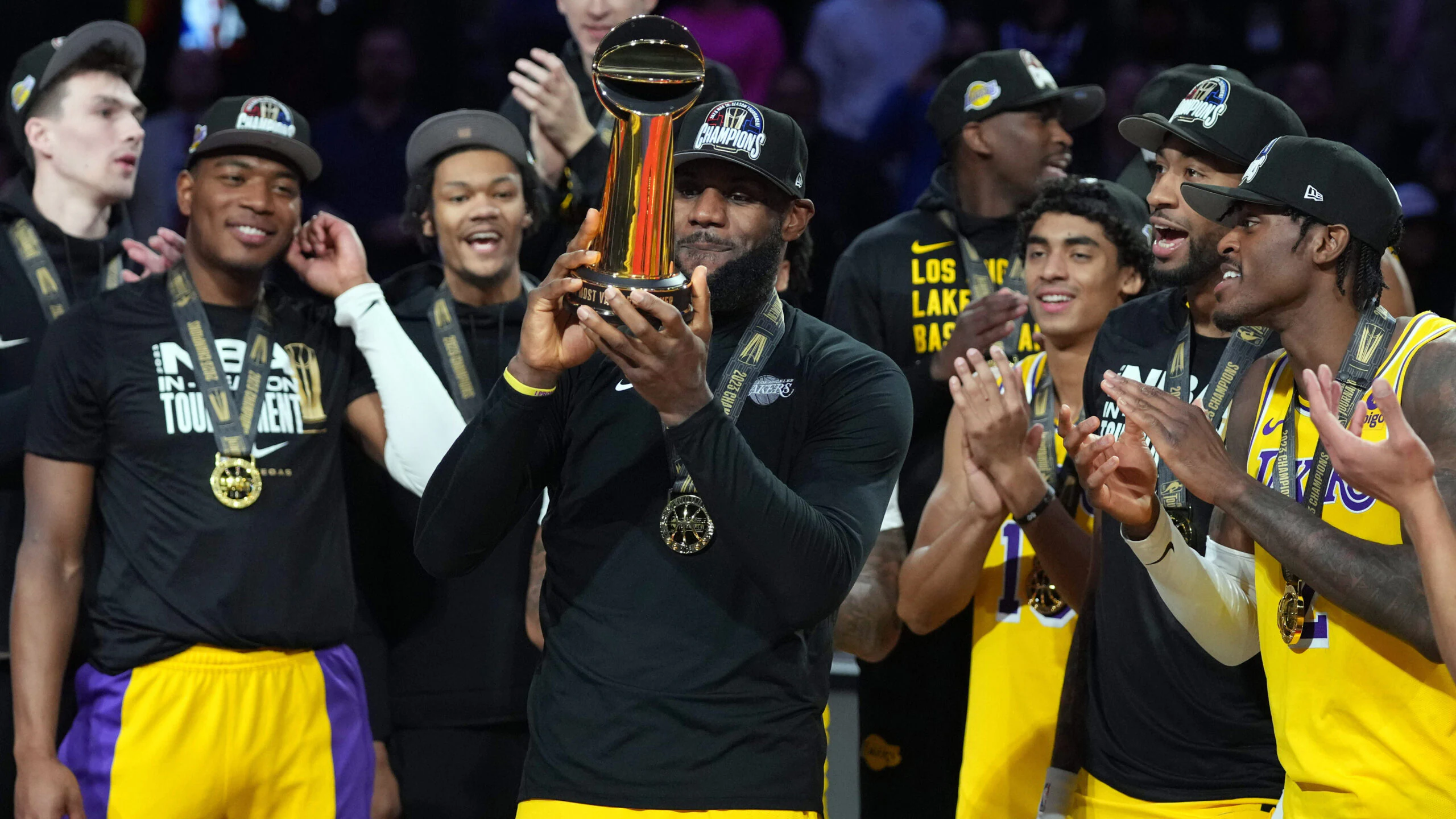
A recent addition to the schedule is the NBA Cup (the In-Season Tournament). This tournament is integrated directly into the regular-season calendar. Games played during "Cup Nights" count toward a team’s 82-game record, except for the Championship game. This addition was designed to add stakes to early-season games in November and December, providing players with financial incentives and fans with a playoff-like atmosphere before the actual postseason begins.
Balancing Logistics and Player Wellness: Managing Back-to-Backs and Travel Miles
One of the biggest challenges in the modern NBA is "load management" and player health. To combat fatigue, the league has made significant strides in reducing the number of "back-to-backs" (games played on consecutive nights) and eliminating "four games in five nights" stretches.
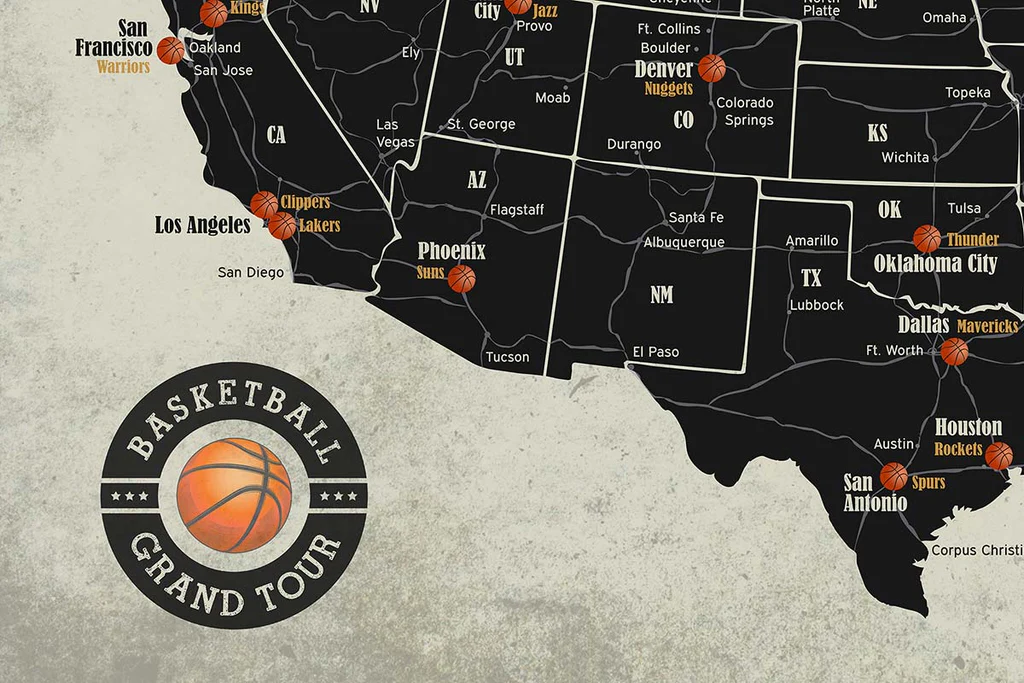
The league now utilizes "series" models—similar to baseball—where a team might play two consecutive games against the same opponent in the same city. This reduces the total flight miles and allows players more time for recovery. Despite these efforts, Western Conference teams often face a heavier travel burden due to the geographical spread of cities like Portland, Salt Lake City, and Minneapolis compared to the densely packed Eastern seaboard.
The Influence of National Television: How High-Profile Matchups Shape the Calendar
The NBA schedule isn't just about geography; it's about viewership. National broadcasters like ESPN, ABC, and TNT have a significant say in when the league's premier stars face off. High-profile teams (like the Lakers, Warriors, or Celtics) are often scheduled for more national TV appearances, which frequently results in later tip-off times for East Coast viewers or specific scheduling maneuvers to ensure stars are rested for these marquee matchups.
How to Navigate and Track the NBA Schedule Throughout the Year
For the dedicated fan, keeping track of 1,230 games requires the right tools. Most fans rely on the official NBA App or website, which allows you to sync your favorite team’s schedule directly to your digital calendar (Google, Outlook, or Apple). Additionally, third-party sites provide "strength of schedule" metrics, which help bettors and fantasy players understand which teams have the easiest or hardest paths during specific stretches of the season.
Tips for Following the Schedule:
- Check the "Strength of Schedule": Look for teams coming off long road trips; they are often more vulnerable to upsets.
- Watch the Standings in March: This is when "tanking" teams and playoff contenders diverge, significantly affecting the competitiveness of nightly matchups.
- Monitor Injury Reports: Because the schedule is so dense, star players often sit out one half of a back-to-back.
Frequently Asked Questions About the NBA Schedule
Why does the NBA play 82 games?
The 82-game format has been the standard since the 1967-68 season. It was established to maximize ticket revenue and television appearances while creating a statistically significant sample size to determine the best teams for the playoffs.
How is the NBA Cup different from the Playoffs?
The NBA Cup is a tournament held early in the season (November/December), whereas the Playoffs occur at the end of the season (April–June). NBA Cup games count toward the regular-season standings, but the Playoffs are a separate bracket to determine the league champion.
When is the NBA schedule usually released?
The NBA typically releases the full regular-season schedule in mid-August, about two months before the season begins.
Do all teams play on Christmas Day?
No. The NBA typically selects only 10 teams (5 games) to play on Christmas Day, focusing on the most popular franchises, recent finalists, and biggest individual stars.
Conclusion
The NBA schedule is a complex balance of tradition, commerce, and sports science. While the 82-game format provides the volume of content fans crave, the introduction of the NBA Cup and the league's focus on reducing travel fatigue show an evolution toward a more modern, player-friendly calendar. By understanding the milestones and the logic behind the matchups, fans can better appreciate the endurance required to navigate the road to the NBA Finals.


Comments 0
Leave a Reply
Your email address will not be published. Required fields are marked *
Be the first to share your thoughts!