
Introduction to the Yanbu Energy Hub
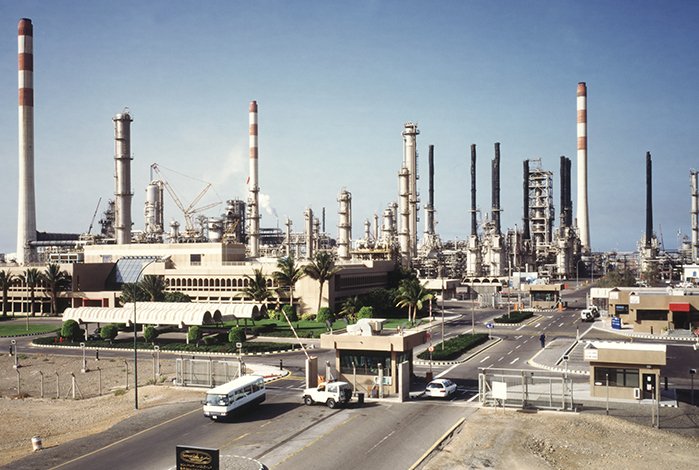
The Saudi Aramco Yanbu refinery is one of the key oil processing hubs in Saudi Arabia. It helps turn crude oil into useful fuels that are exported to many countries. Located on the Red Sea coast of Saudi Arabia, this facility serves as a critical gateway for energy exports to Western markets. Its strategic positioning allows for direct access to the Suez Canal and the Mediterranean, making it a focal point for international maritime trade. Yanbu is important because it shows how crude oil is processed into everyday fuels like petrol, diesel, and jet fuel.
The refinery plays an important role in connecting oil production with global energy markets. The facility operates under the umbrella of Saudi Aramco, the worlds largest integrated energy and chemicals company. By processing crude oil into high value products like gasoline, diesel, and jet fuel, the refinery supports both the local Saudi economy and the energy needs of millions across Europe and Africa.
Main Units and Capacity of Yanbu Complex
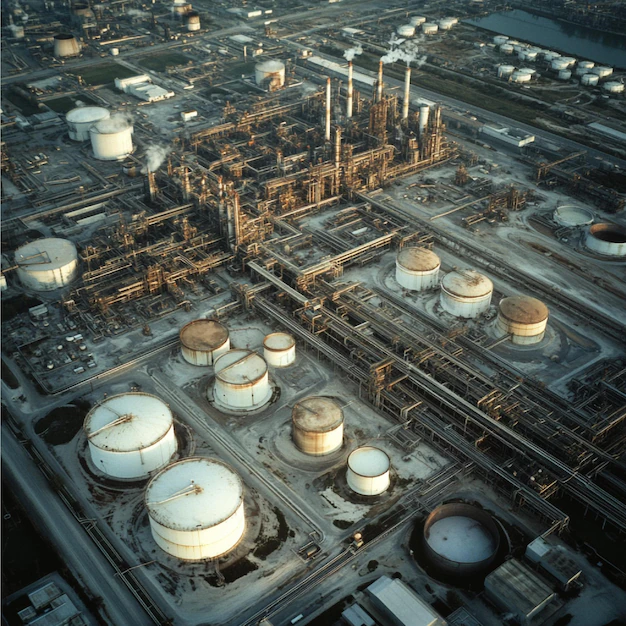
The Yanbu refining landscape is composed of several distinct units, each serving a specific role in the downstream value chain. The primary domestic refinery, known as the Yanbu Refinery, has a crude oil processing capacity of 250,000 barrels per day (bpd). This facility is designed to process Arabian Light crude oil, converting it into various refined products for the domestic market. [Link to: Saudi Aramco Downstream Strategy]
In addition to the domestic refinery, the site hosts the Yanbu Aramco Sinopec Refining Company (YASREF). This is a joint venture between Saudi Aramco and China Petroleum and Chemical Corporation (Sinopec). The Yanbu refinery processes large volumes of crude oil every day and produces different types of fuel for both domestic and international use. This unit is designed to handle heavier types of crude oil and convert them into usable fuel products.
The Yanbu Gas Plant is another vital component of the complex. It has a processing capacity of 3.9 billion standard cubic feet per day (scfd) of natural gas. This plant separates natural gas liquids (NGL) into ethane, propane, butane, and natural gasoline, which are then used as feedstock for the neighboring petrochemical industries or exported globally.
The Refining Process: A Step-by-Step Guide
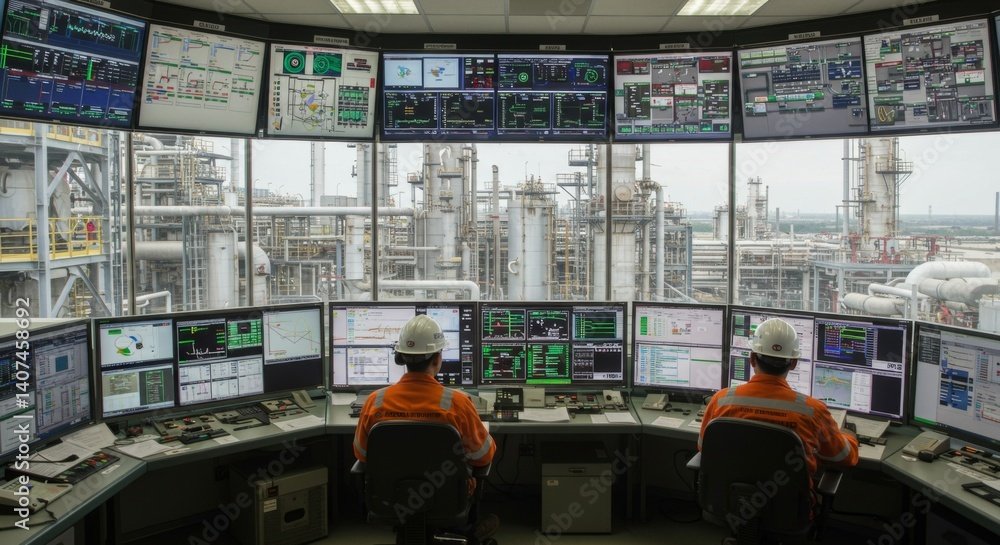
The transformation of raw crude oil into usable fuel involves a series of complex chemical and physical processes. The refining process at Yanbu uses modern technology to separate crude oil into different fuel products in an efficient way.
1. Atmospheric and Vacuum Distillation
The process begins with First, crude oil is heated and separated into different parts depending on their boiling points. Lighter fuels rise and heavier ones are processed further. Lighter products like naphtha and kerosene rise to the top, while heavier components sink. The remaining heavy residue is then sent to a vacuum distillation unit, which operates at lower pressure to further separate heavy oils without causing thermal cracking.
2. Hydrotreating and Hydrocracking
To meet environmental standards, the refined products must undergo hydrotreating. This process removes impurities such as sulfur and nitrogen. In the YASREF facility, hydrocracking is employed to break down heavy oil molecules into lighter, more valuable products like high quality diesel and jet fuel. This is a critical step in producing low sulfur fuels that are required in most modern markets.
3. Catalytic Cracking and Reforming
Fluid Catalytic Cracking (FCC) is used to convert heavy distillates into gasoline and other light products. Meanwhile, catalytic reforming takes low octane naphtha and transforms it into high octane gasoline components. These processes ensure that the refinery can adjust its output based on market demand, maximizing profitability and resource utilization.
Global Supply Chain and Strategic Importance
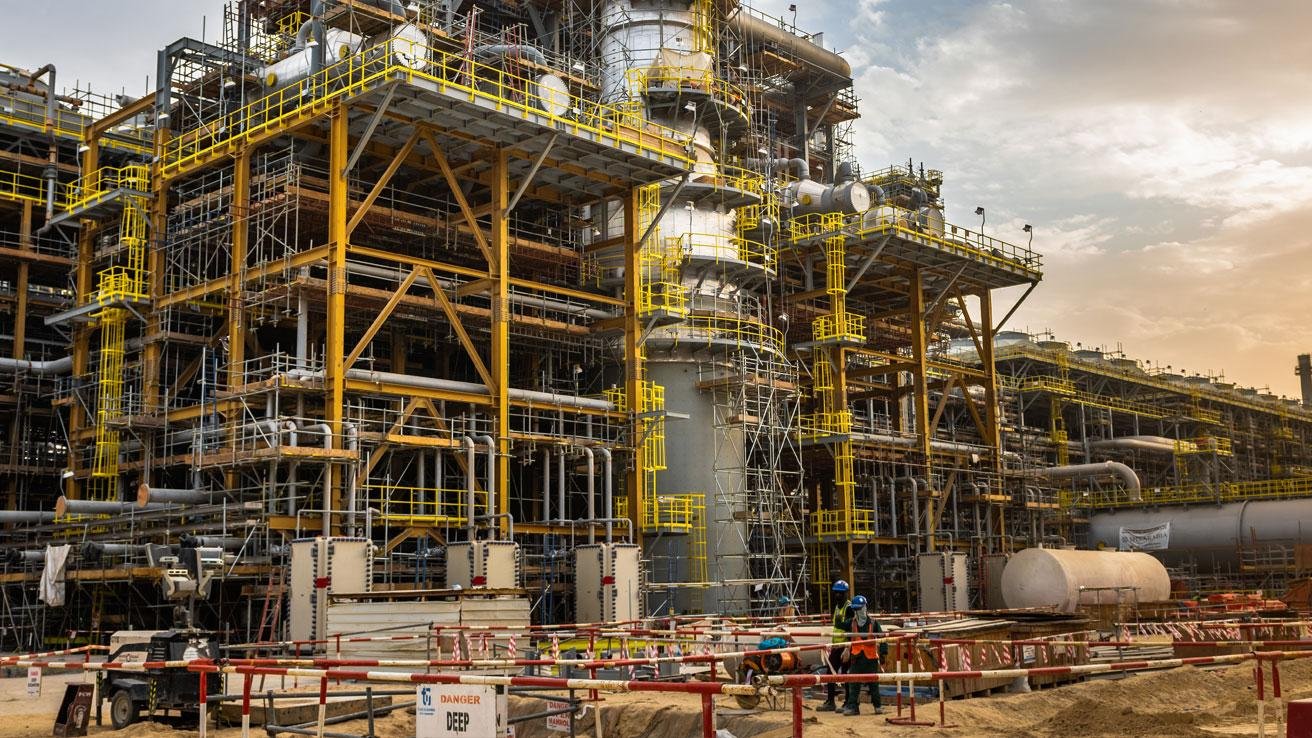
The Yanbu refinery complex is strategically positioned to bypass the Strait of Hormuz, a critical chokepoint in global energy trade. By transporting crude oil via the East West Pipeline from the Eastern Province to Yanbu, Saudi Aramco ensures a stable supply of energy to the Red Sea. This logistical advantage is a key pillar of the Kingdom of Saudi Arabias energy security strategy. [Link to: Global Energy Supply Chain Security]
As per recent industry reports, the products from Yanbu are vital for the European market. The proximity to the Suez Canal reduces shipping times and costs compared to exports from the Arabian Gulf. This makes the Yanbu hub a preferred supplier for Mediterranean and Northern European refineries and distributors. Furthermore, the integration with the Yanbu Industrial City allows for a direct supply of feedstock to local chemical plants, fostering industrial growth and diversification within the region.
Environmental and Sustainability Initiatives
In the modern era, the energy sector is under increasing pressure to reduce its carbon footprint. The facility also works on reducing environmental impact by improving water usage and adopting cleaner production methods. These include the use of advanced carbon capture technologies and the integration of renewable energy sources to power certain refinery operations. Experts suggest that these efforts are part of a broader goal to achieve net zero emissions from wholly owned operational assets by 2050.
Water conservation is another priority. The refinery utilizes sophisticated desalination and wastewater treatment plants to minimize the consumption of fresh water. By recycling processed water, the facility reduces its environmental impact on the Red Sea ecosystem while maintaining high operational efficiency.
Common Challenges in Refinery Operations
Operating a facility of this scale involves significant technical and logistical hurdles. Understanding these challenges provides insight into the complexity of the energy business.
- Corrosion Control: One major challenge is corrosion due to the coastal environment, which requires constant maintenance. Continuous monitoring and the use of specialized coatings are required.
- Market Volatility: Oil prices often change in global markets, which affects production planning.
- Regulatory Compliance: Meeting evolving international environmental standards, such as the transition to ultra low sulfur diesel (ULSD), requires constant investment in new technology.
- Supply Chain Logistics: Coordinating the arrival of crude oil via pipelines and the departure of refined products via tankers requires precision timing and robust infrastructure.
Key Insights from the Energy Industry
For those looking to work within or analyze the refining sector, experts recommend focusing on the following areas:
- Digital Transformation: Stay updated on the use of AI and machine learning in predictive maintenance. These technologies are significantly reducing downtime at facilities like Yanbu.
- Sustainability Metrics: Understanding Carbon Intensity (CI) scores is becoming as important as understanding production volumes. Investors and regulators prioritize low carbon energy production.
- Joint Venture Dynamics: Study the partnership models like YASREF. These collaborations provide insights into how global giants share technology, risk, and market access.
Frequently Asked Questions
What is the total capacity of the Yanbu refinery hub?
The combined capacity of the domestic Yanbu Refinery and the YASREF joint venture is approximately 650,000 barrels per day. Additionally, the gas plant processes 3.9 billion scfd of natural gas.
Who owns the Yanbu refinery?
The domestic refinery is 100 percent owned by Saudi Aramco. The YASREF facility is a joint venture between Saudi Aramco (62.5 percent) and Sinopec (37.5 percent).
Why is the location of Yanbu significant?
Its location on the Red Sea allows for direct export routes to Europe and the Americas, bypassing the Strait of Hormuz and providing a strategic alternative to the Arabian Gulf ports.
What products are produced at the Yanbu complex?
The complex produces a wide range of products including LPG, gasoline, ultra low sulfur diesel, jet fuel, fuel oil, and various petrochemical feedstocks like ethane and propane.
Conclusion
The Yanbu refinery is an important part of Saudi Arabia’s energy system. It helps produce fuels that are used around the world and plays a key role in global energy supply. By combining strategic geography with cutting edge refining technology and international partnerships, it plays an indispensable role in the global energy market. As the industry evolves toward greater sustainability, the Yanbu hub is likely to remain a central figure in the transition, balancing traditional fuel production with innovative environmental solutions. The integration of domestic needs and international exports ensures that Yanbu will continue to be a vital pulse point for the worlds energy economy for decades to come.
Final Takeaway: The Yanbu refinery complex serves as a critical bridge between Middle Eastern energy resources and Western market demands, characterized by high technical efficiency and strategic geographical advantages.





Comments 0
Leave a Reply
Your email address will not be published. Required fields are marked *
Be the first to share your thoughts!