
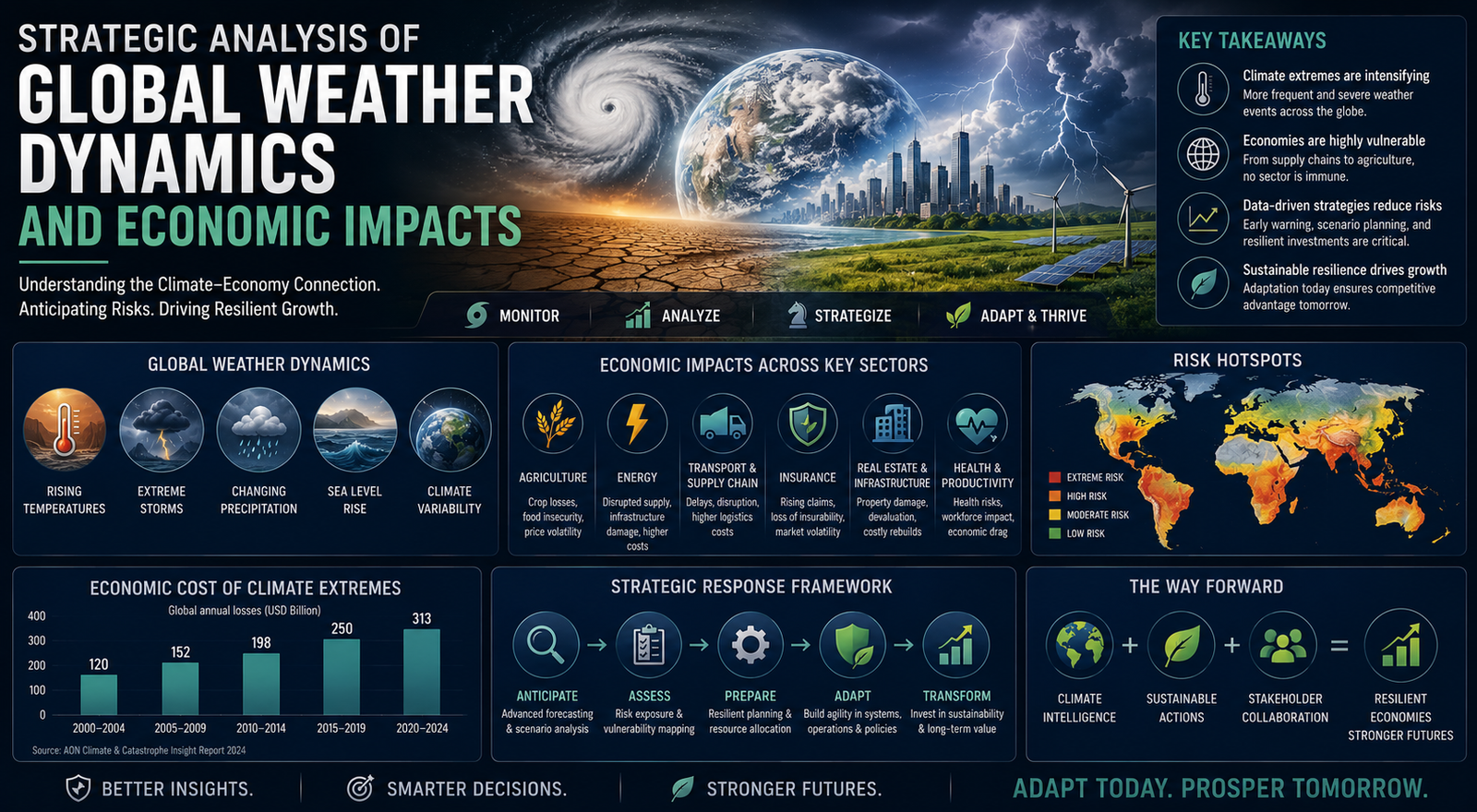
💡 Strategic Analysis of Global Weather Dynamics and Economic Impacts
An authoritative analysis of meteorological patterns, climate shifts, and the strategic economic implications of global weather systems.
Executive Summary
The global weather system is currently undergoing a period of unprecedented volatility. According to data from the Copernicus Climate Change Service, 2023 was officially confirmed as the warmest year on record, with a global average temperature 1.48 degrees Celsius higher than pre-industrial levels. This shift is not merely a statistical anomaly but a fundamental change in atmospheric thermodynamics. Key findings in this analysis indicate that extreme weather events now account for over 90 percent of natural disasters globally. Furthermore, the economic impact is staggering, with research published in the journal Nature suggesting that climate-related weather shifts could result in an annual global income loss of 38 trillion dollars by the year 2050. This report examines the technical drivers of these changes, the role of oceanic cycles, and the strategic necessity for infrastructure resilience.
Introduction
Weather is the state of the atmosphere at a specific place and time, driven by the complex interaction of solar radiation, planetary rotation, and the distribution of land and water. While often discussed in the context of daily convenience, weather is the primary variable in global commodities, energy demand, and supply chain stability. The science of meteorology has transitioned from observational forecasting to high-resolution numerical modeling, yet the increasing frequency of "black swan" weather events poses a challenge to traditional risk assessment frameworks. Understanding the mechanics of our atmosphere is no longer just a scientific pursuit; it is a critical requirement for corporate and governmental strategic planning.
THE DEEP DIVE: The Mechanics of Atmospheric Change
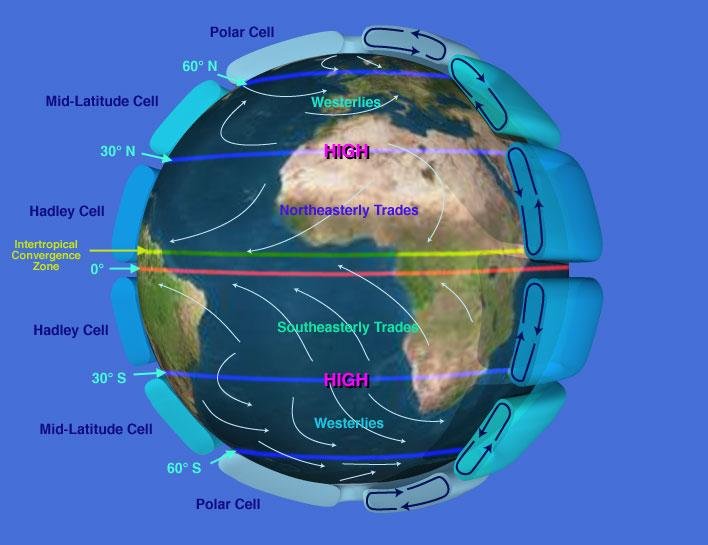
To understand current weather patterns, one must first analyze the behavior of the Jet Stream. These high-altitude, fast-moving air currents dictate the movement of storm systems. Recent data suggests that the Arctic is warming nearly four times faster than the rest of the planet, a phenomenon known as Arctic Amplification. This reduces the temperature gradient between the pole and the equator, causing the Jet Stream to become "wavy." These slow-moving waves lead to persistent weather patterns, such as prolonged heatwaves or stationary rain systems that cause catastrophic flooding.
A primary driver of global inter-annual weather variability is the El Niño-Southern Oscillation (ENSO). This cycle involves fluctuations in sea surface temperatures in the central and eastern equatorial Pacific. For a detailed exploration of how these oceanic shifts influence global rainfall and temperature, refer to our El Niño Climate Impact: Strategic Analysis of Global Dynamics. The transition between El Niño and La Niña phases can trigger droughts in Southeast Asia while causing heavy precipitation in South America, directly affecting global coffee, sugar, and wheat prices.
The urban environment also plays a significant role in localized weather phenomena. The Urban Heat Island (UHI) effect can cause cities to be 1 to 7 degrees Fahrenheit warmer than surrounding rural areas. This is particularly evident in rapidly expanding hubs. For instance, the meteorological challenges faced by major tech centers are analyzed in our study of Bengaluru: Strategic Analysis of India's Silicon Valley, where urban planning must now account for intensified monsoon cycles and drainage capacity. High-density concrete structures absorb heat during the day and release it at night, creating a feedback loop that increases energy consumption for cooling.
From an infrastructure perspective, the hardening of assets against extreme weather is a capital-intensive but necessary strategy. Companies involved in large-scale utility and transport projects are increasingly integrating climate modeling into their long-term CAPEX (Capital Expenditure) plans. This strategic shift is reflected in the operational adjustments seen in major firms, as discussed in the Reliance Infrastructure: Strategic Analysis of Corporate Turnaround, where resilience against environmental variables is a key component of long-term viability.
The Economic Implications of Meteorological Shifts
- Agriculture: Weather determines crop yields. The World Food Programme estimates that weather-related shocks are a leading cause of global food insecurity. Precision agriculture, using satellite-derived weather data, is now a 12 billion dollar industry aimed at mitigating these risks.
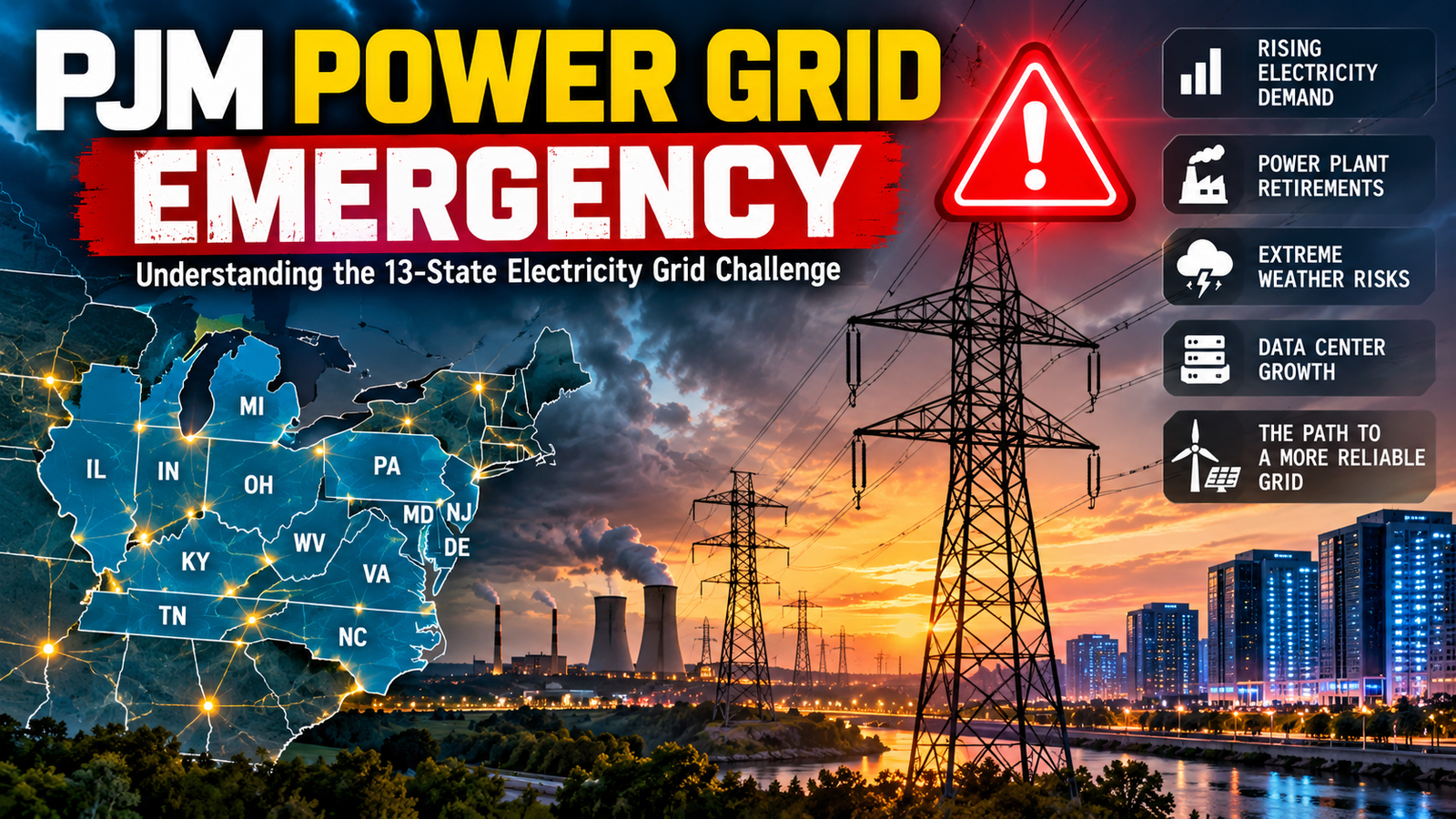
- Energy: The transition to renewables makes the power grid more weather-dependent. Solar and wind output are directly tied to cloud cover and atmospheric pressure gradients, requiring advanced predictive analytics for grid stability.
- Insurance: The insurance industry is the "canary in the coal mine" for weather trends. Insured losses from natural catastrophes have consistently exceeded 100 billion dollars annually in recent years, leading to a restructuring of risk premiums in coastal and fire-prone regions.
WHAT THIS MEANS FOR YOU
For the average citizen and business owner, the professionalization of weather monitoring is essential. It is no longer sufficient to check a daily forecast; one must understand seasonal outlooks and regional vulnerabilities. For businesses, this means conducting a climate risk audit to identify where supply chains might break during a flood or heatwave. For individuals, it involves making informed decisions about real estate investments in areas prone to sea-level rise or intensifying storm surges. Strategic adaptation is the difference between recovery and total loss.
Expert Verdict / Future Outlook
The future of meteorology lies in the integration of Artificial Intelligence (AI) and Machine Learning (ML) with traditional physics-based models. Companies like Google and NVIDIA are developing AI models that can predict weather patterns with higher accuracy and lower computational costs than traditional supercomputers. We expect to see a shift from "probabilistic" forecasting to "impact-based" forecasting, where the focus is not just on how much rain will fall, but exactly which streets will flood and which power lines will fail. The next decade will be defined by our ability to translate atmospheric data into actionable hyper-local intelligence.
FAQ
1. What is the difference between weather and climate?
Weather refers to short-term atmospheric conditions (minutes to weeks), while climate is the average of those weather patterns over a long period, typically 30 years or more. Weather is what you get; climate is what you expect.
2. How accurate are 10-day weather forecasts today?
Modern 5-day forecasts are accurate approximately 90 percent of the time. However, a 7-day forecast is accurate about 80 percent of the time, and a 10-day forecast is right only about half the time. Accuracy drops as the complexity of atmospheric variables increases over time.
3. How does global warming lead to more snow in some areas?
A warmer atmosphere holds more moisture (approximately 7 percent more for every 1 degree Celsius of warming). When this moisture-rich air meets freezing temperatures, it can result in more intense snowfall than would occur in a cooler, drier atmosphere.
4. What is a "Heat Dome"?
A heat dome occurs when a persistent region of high pressure traps heat over a specific area. The high pressure acts like a lid on a pot, preventing hot air from rising and escaping, leading to dangerous and prolonged heatwaves.
5. Can we really control the weather through cloud seeding?
Cloud seeding involves dispersing substances like silver iodide into clouds to encourage precipitation. While used in over 50 countries, its effectiveness remains a subject of scientific debate, with most studies showing a modest increase in precipitation (5 to 15 percent) under very specific conditions.

Conclusion
The strategic analysis of global weather reveals a system that is moving toward higher energy states and greater unpredictability. For stakeholders across all sectors, the integration of high-fidelity meteorological data into decision-making processes is no longer optional. By understanding the fundamental drivers of atmospheric change and the economic vulnerabilities they create, we can move from a reactive posture to one of proactive resilience. The atmosphere is a global commons, and its shifting dynamics represent the most significant macro-trend of the 21st century.




Comments 0
Leave a Reply
Your email address will not be published. Required fields are marked *
Be the first to share your thoughts!