
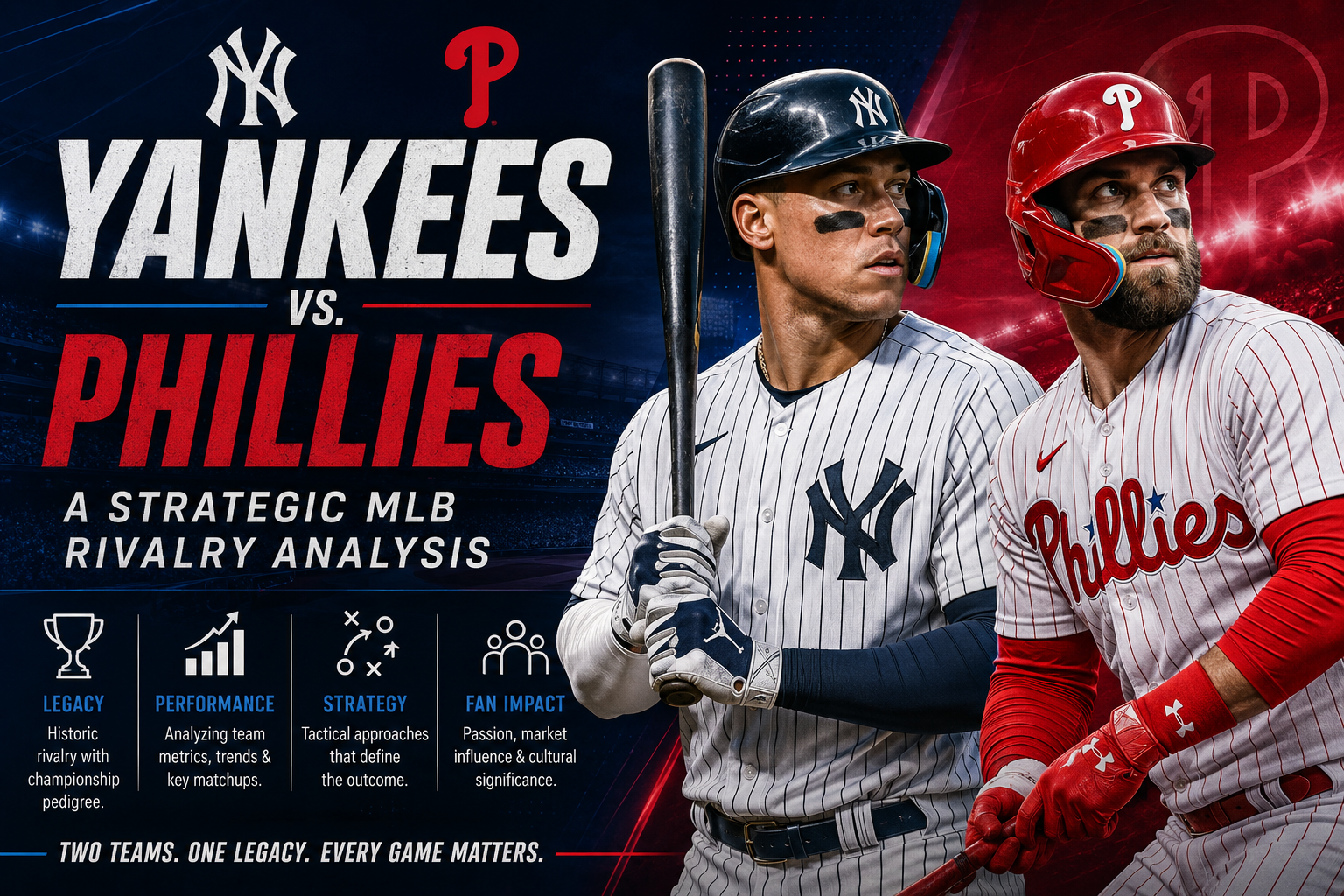
💡 Yankees vs. Phillies: A Strategic MLB Rivalry Analysis
A comprehensive strategic analysis of the New York Yankees and Philadelphia Phillies rivalry, focusing on economic impact, player metrics, and market influence.
Executive Summary
The rivalry between the New York Yankees and the Philadelphia Phillies represents more than a simple interleague matchup. It is a collision of two of the most valuable franchises in Major League Baseball (MLB). This analysis highlights three primary findings. First, the economic scale of these teams dictates market trends, with a combined payroll exceeding 550 million dollars in 2024. Second, historical data from the 1950 and 2009 World Series continues to influence fan sentiment and broadcasting valuations. Third, the strategic acquisition of superstar talent like Aaron Judge and Bryce Harper serves as a blueprint for market dominance in the modern sports era. Data indicates that matchups between these two teams consistently drive a 15 to 20 percent increase in regional sports network viewership compared to standard regular-season games.
Introduction
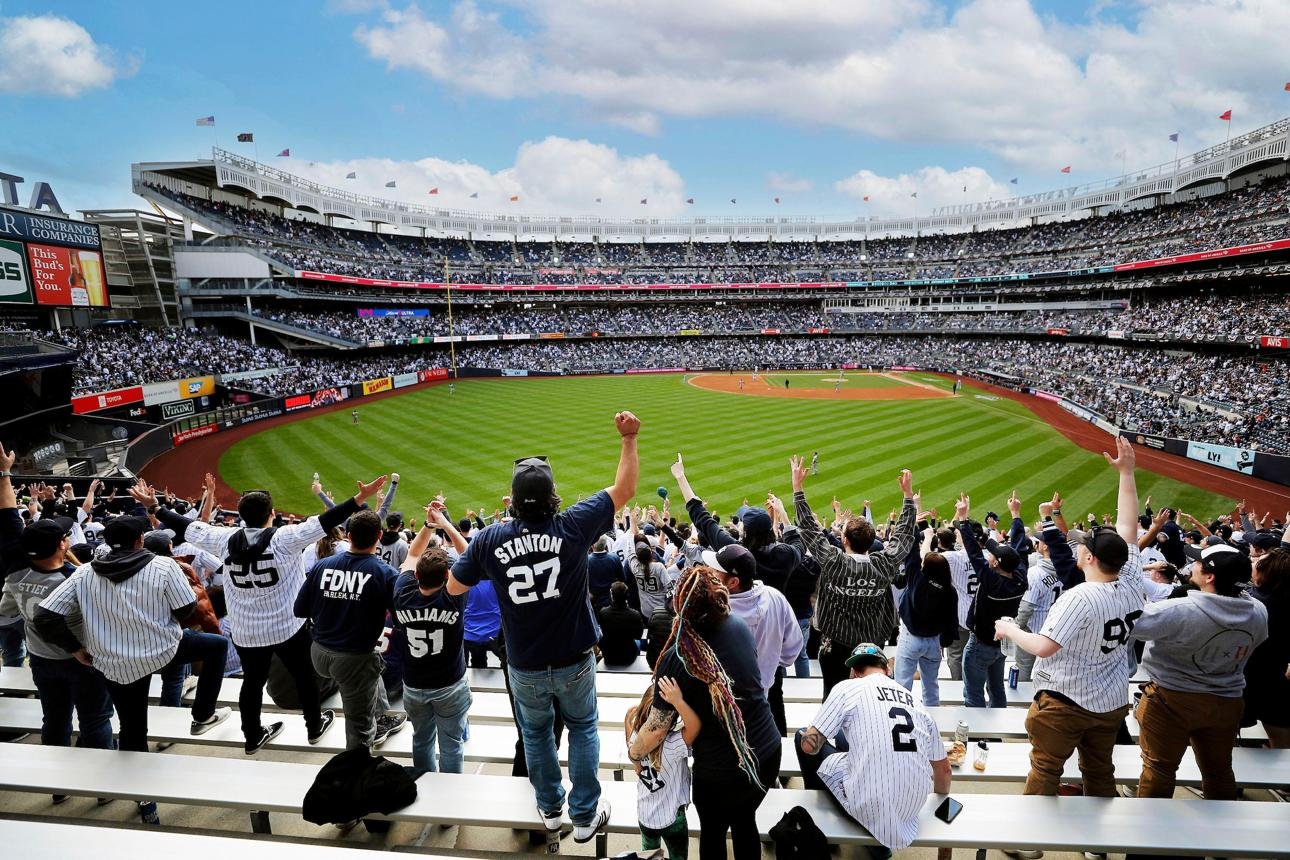
In the landscape of professional baseball, few matchups carry the historical weight and financial gravity of the New York Yankees versus the Philadelphia Phillies. While they reside in different leagues, their encounters are high-stakes events that resonate across the sports industry. This relationship reached its modern zenith during the 2009 World Series, a turning point that redefined how big-market teams utilize financial leverage to secure championships. To understand the current state of this rivalry, one must look at the intersection of payroll management, scouting efficiency, and media rights. Similar to the insights found in the Karl Ravech Strategic Analysis of sports media authority, the narrative surrounding these teams is often shaped by their ability to remain relevant in a shifting digital landscape.
THE DEEP DIVE: Strategic Pillars of the Rivalry
The strategic framework of the Yankees and Phillies can be broken down into three critical sectors: Financial Allocation, Roster Construction, and Media Market Influence.
1. Financial Allocation and Payroll Dynamics
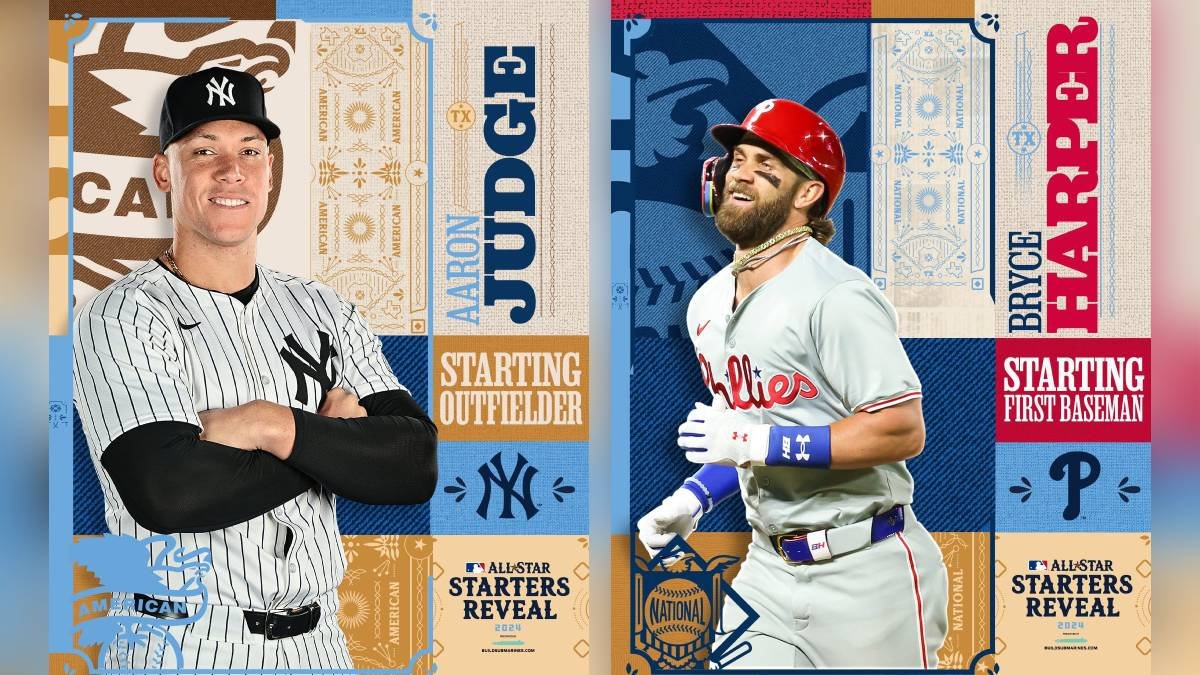
The New York Yankees have long been the gold standard for financial investment in MLB. In 2024, their projected payroll sits at approximately 305 million dollars, placing them consistently in the top tier of spenders. The Philadelphia Phillies have adopted a similar aggressive stance under owner John Middleton, with a 2024 payroll hovering around 246 million dollars. This aggressive spending is not merely about buying wins but about maintaining brand equity. High-profile contracts, such as the Yankees' 360 million dollar deal with Aaron Judge and the Phillies' 330 million dollar commitment to Bryce Harper, ensure that both franchises remain at the center of national conversations. This level of investment is comparable to the economic scaling seen in the Global Sports Industry Strategic Analysis, where premium assets are used to hedge against market volatility.
2. Historical Performance and Postseason Legacy
The historical data between these two clubs is anchored by two World Series meetings. The 1950 World Series saw the Yankees sweep the Phillies Whiz Kids, establishing the Bronx Bombers' mid-century dominance. However, the 2009 World Series is the more relevant touchstone for modern analysts. That series averaged 19.4 million viewers per game, a figure that remains a benchmark for MLB postseason success. The strategic takeaway from 2009 was the Yankees' use of veteran free agents like CC Sabathia and A.J. Burnett to neutralize the Phillies' high-powered offense led by Chase Utley and Ryan Howard. This historical context provides a roadmap for how veteran leadership is prioritized in current roster builds.
3. Media Rights and Regional Influence
The Yankees operate through the YES Network, the most-watched regional sports network in the United States. The Phillies utilize NBC Sports Philadelphia. The strategic importance of these networks cannot be overstated. Local television ratings for Yankees-Phillies games often outperform national broadcasts because of the deep-rooted regional loyalty. This media dominance mirrors the structural advantages discussed in the Premier League Strategic Analysis, where localized broadcasting rights serve as the primary engine for revenue growth. For the Yankees and Phillies, these media deals provide the liquidity necessary to pursue expensive free agents without compromising long-term debt ratios.
4. Advanced Metrics and Scouting Evolution
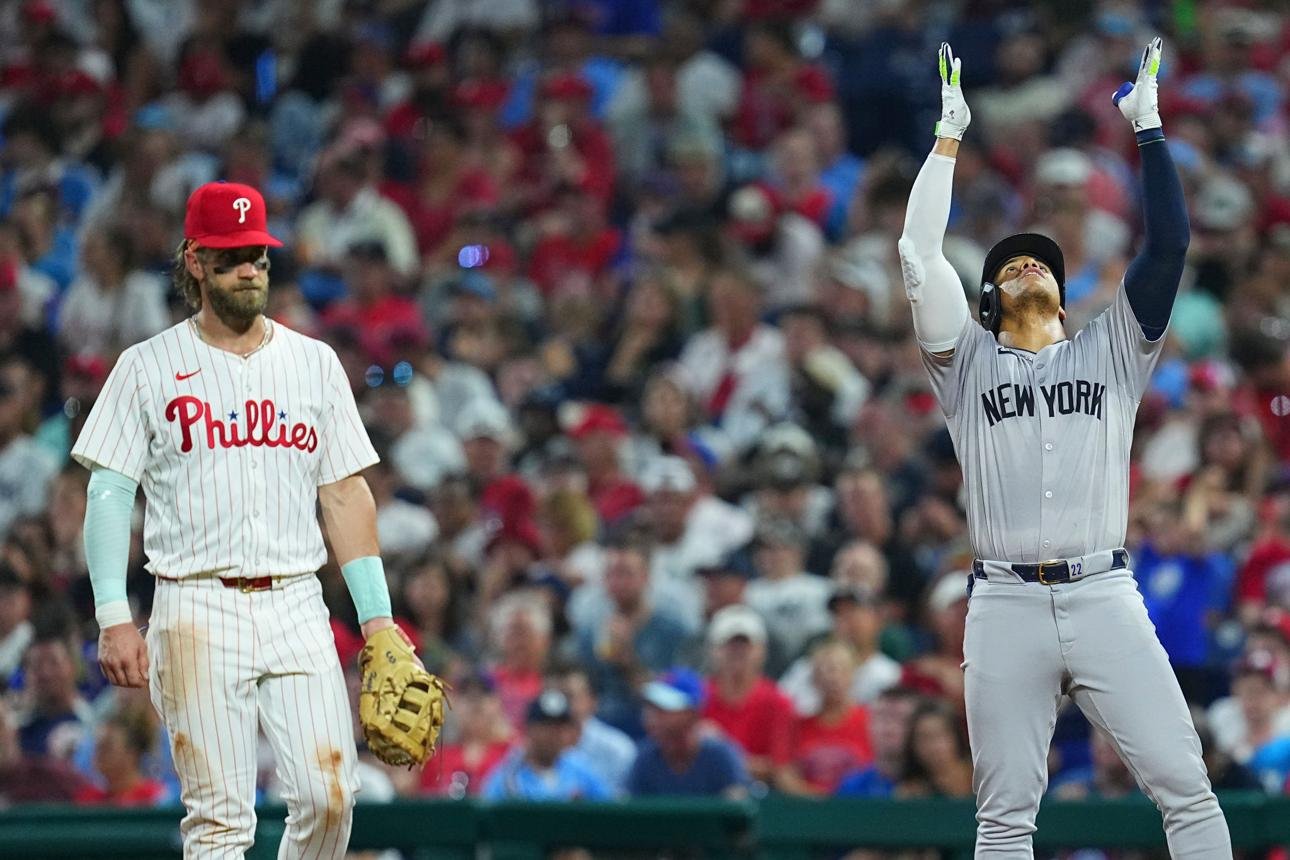
Beyond the spreadsheets of the front office, the tactical battle on the field is driven by Sabermetrics. Both organizations have pivoted toward high-velocity pitching and exit velocity optimization. The Phillies have specifically focused on a power-pitching rotation, featuring arms like Zack Wheeler and Aaron Nola, to counter the high-contact approach of the Yankees' lineup. According to Statcast data, the Yankees lead the league in average home run distance, while the Phillies rank in the top five for chase rate reduction. This tactical evolution shows a move away from traditional scouting toward a data-centric model that prioritizes repeatable physical outputs.
WHAT THIS MEANS FOR YOU
- For the Casual Fan: Expect high-scoring games and star-studded lineups whenever these teams meet. The presence of multiple MVP candidates ensures a high level of entertainment.
- For the Sports Investor: Pay close attention to the injury reports of starting pitchers. Because both teams rely heavily on top-heavy rotations, a single injury can shift the betting odds by as much as 15 percent.
- For the Business Professional: Observe how these franchises manage their brands. The Yankees focus on global prestige and tradition, while the Phillies have successfully marketed a gritty, blue-collar identity that resonates with their local demographic.
- For the Data Analyst: Use these matchups to study the effectiveness of defensive shifts and pitcher-batter matchups in high-pressure environments.
Expert Verdict / Future Outlook
The future of the Yankees-Phillies rivalry is inextricably linked to the luxury tax thresholds set by MLB. As long as both ownership groups remain willing to pay the competitive balance tax, they will continue to be the primary destination for elite talent. Industry experts project that if current trends continue, we are likely to see another World Series matchup between these two within the next three to five seasons. The strategic focus will likely shift toward international scouting and player development to offset the rising costs of the free-agent market. The Phillies' success in developing internal talent like Bryson Stott provides a model for the Yankees, who have struggled with prospect consistency in recent years.
FAQ
Who won the most recent World Series between the Yankees and Phillies?
The New York Yankees won the most recent World Series matchup in 2009, defeating the Phillies in six games to claim their 27th championship.
How do the payrolls of the Yankees and Phillies compare?
As of 2024, the Yankees have a higher payroll at approximately 305 million dollars, while the Phillies maintain a robust 246 million dollar payroll. Both are among the top five spenders in Major League Baseball.
Which players are the primary faces of this rivalry today?
Aaron Judge and Juan Soto represent the core of the Yankees' strategic identity, while Bryce Harper and Trea Turner lead the Phillies' high-octane roster.
Is there a geographic rivalry between these two teams?
While not in the same division, the proximity of New York and Philadelphia (approximately 100 miles) creates a natural I-95 rivalry that fuels high ticket demand and intense fan interactions.
What is the impact of the 2009 World Series on current team strategies?
The 2009 series solidified the strategy of aggressive free-agent acquisition for both teams, proving that high-level spending can lead to immediate postseason success if paired with a core of homegrown talent.
Conclusion
The strategic intersection of the New York Yankees and the Philadelphia Phillies serves as a microcosm of the modern sports economy. By balancing massive payrolls with advanced data analytics and powerful media presence, both franchises have secured their positions as industry leaders. Whether analyzing their historical clashes or their current market influence, it is clear that the Yankees and Phillies remain the primary architects of MLB competitive landscape. For stakeholders and fans alike, this matchup remains a premier example of how tradition and innovation can coexist to create a sustainable, high-value sports product.




Comments 0
Leave a Reply
Your email address will not be published. Required fields are marked *
Be the first to share your thoughts!